



















































Baan Dam Museum, often called the Black House Museum, is an art and architectural complex in Nang Lae, north of Chiang Rai. Created by Thai artist Thawan Duchanee, it brings together dark timber buildings, paintings, sculpture and collections of objects within landscaped grounds.
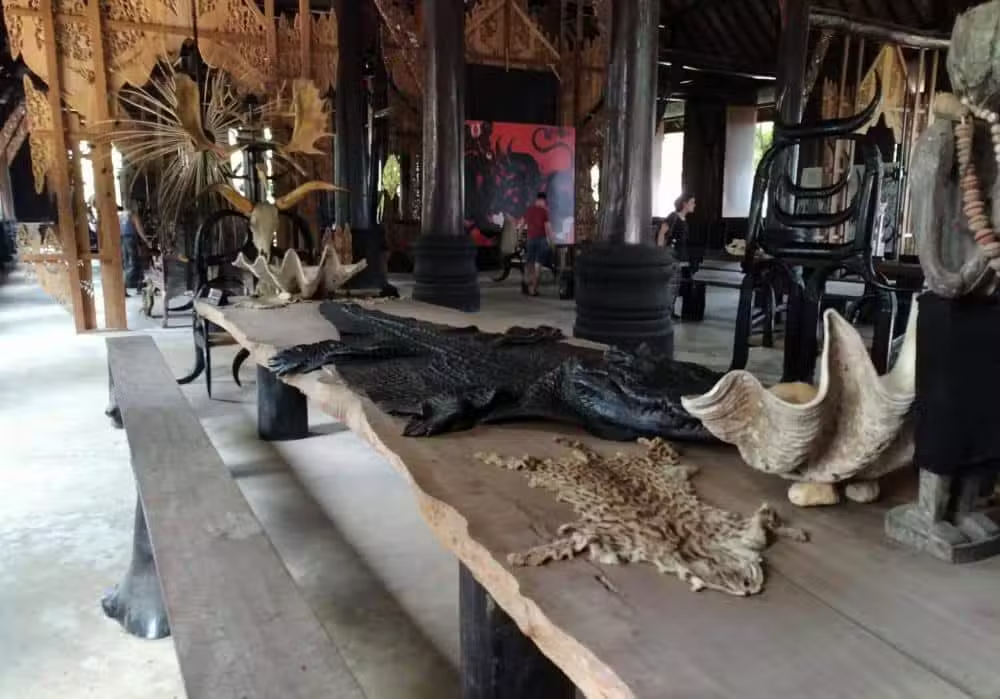
Its distinctive interiors use carved wood, furniture, horns, bones and animal hides as part of the artist’s visual world. Despite the occasional nickname ‘Black Temple’, Baan Dam is an art museum rather than a Buddhist place of worship. The visit is about exploring that artistic vision across a group of buildings, not simply photographing one black exterior.
The Main Black House
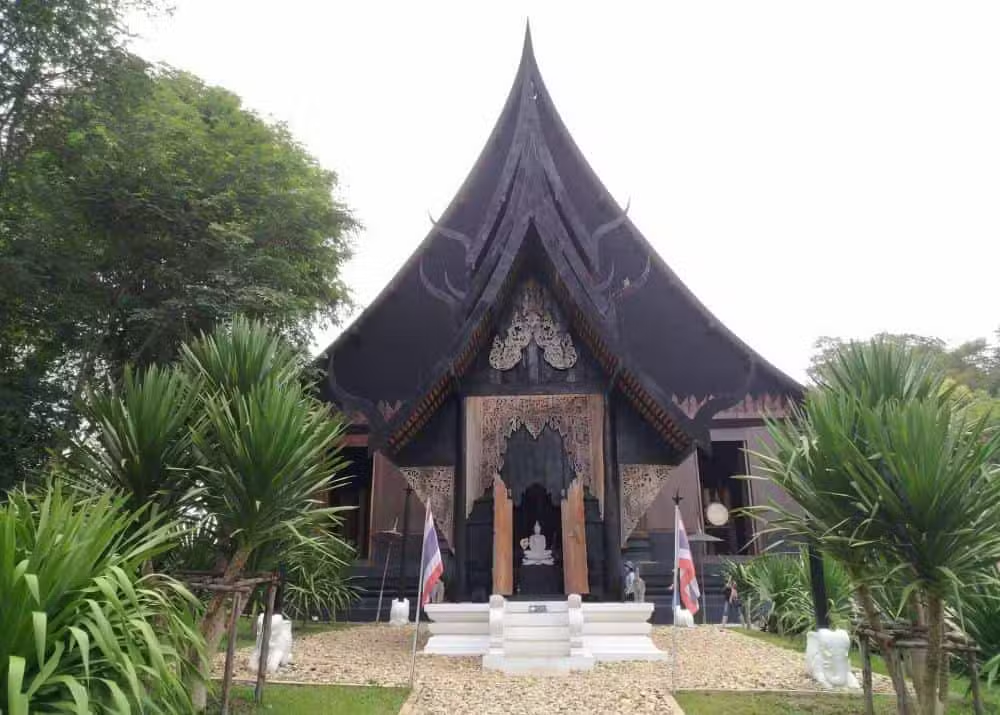
The large timber hall is the clearest introduction to Baan Dam. Its steep roof forms, carved details and substantial scale draw on northern Thai architectural traditions, while the interior arrangement reflects Thawan Duchanee’s individual interests. Pause outside to look at the gables and structure before moving into the display space.
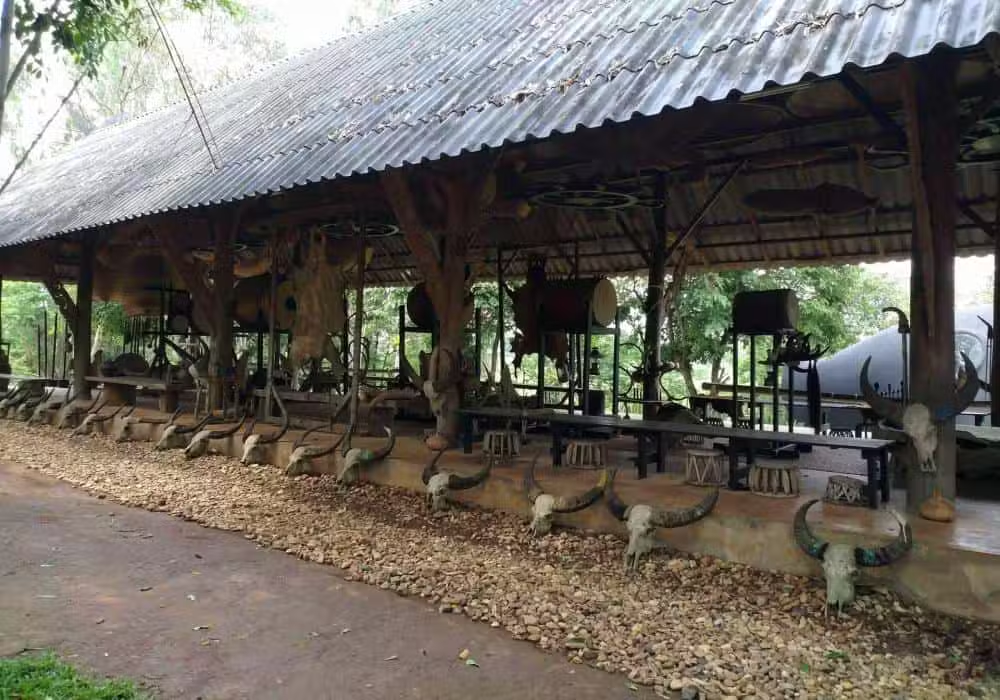
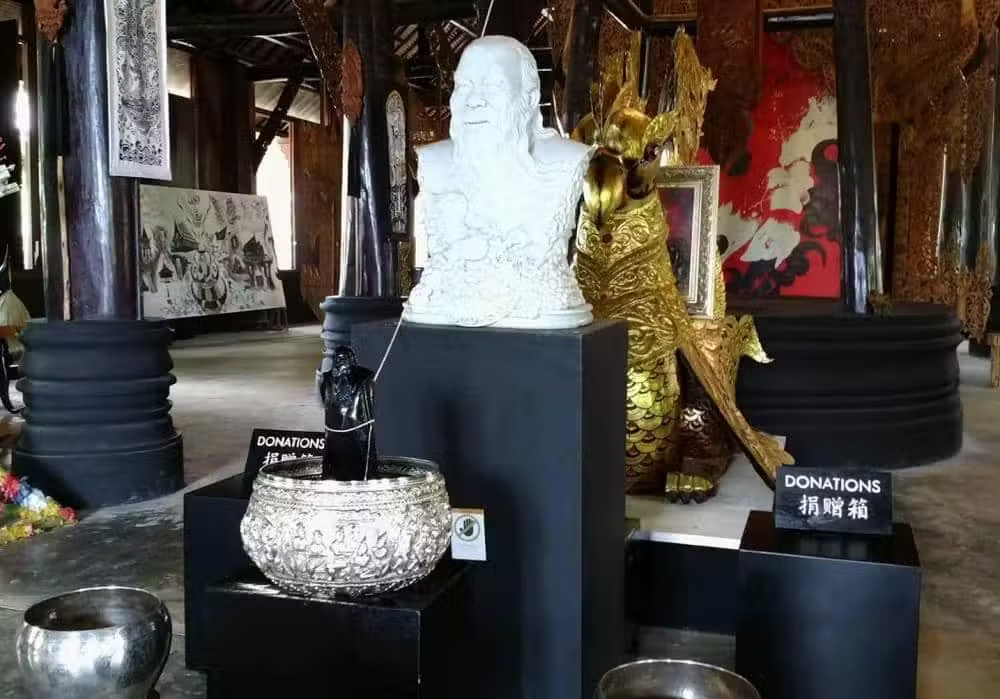
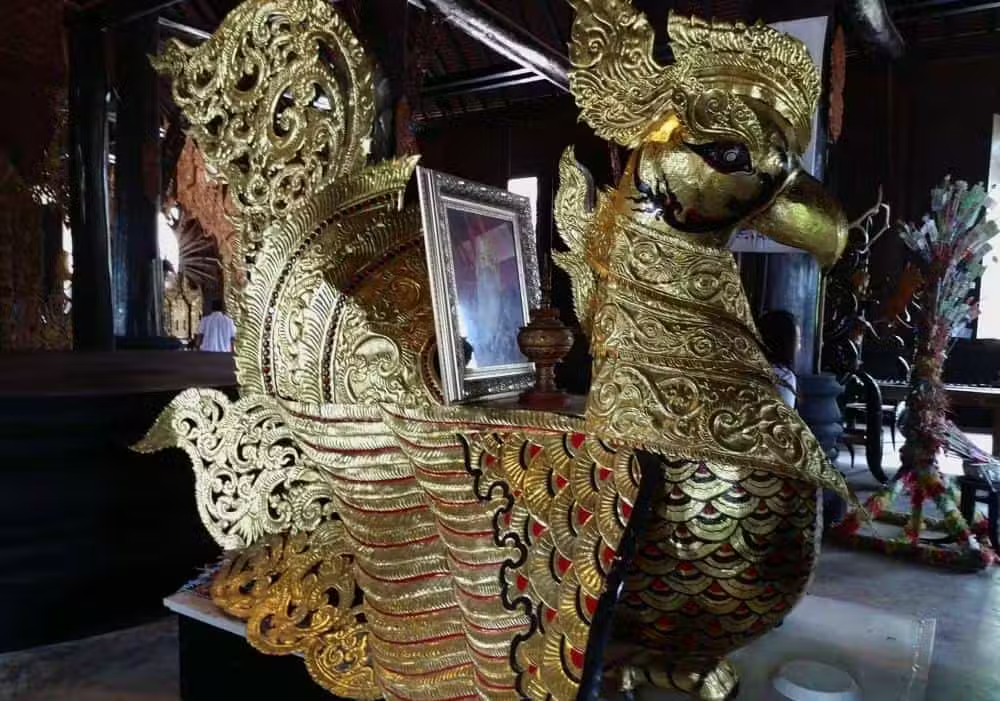
Inside, long tables and distinctive furniture sit among collected objects and artworks. Animal materials contribute to the dramatic effect: their shapes and textures are used alongside wood and other objects, rather than displayed as a conventional natural-history collection. Look at the relationships between the pieces as well as individual striking items.
The hall gives the visit a strong visual starting point, but the smaller structures and outdoor spaces add variety. Avoid spending the whole stop photographing the main entrance if you want to understand how the wider collection fits together. Follow any restrictions on entering or photographing particular interiors.
Paintings, Sculpture and Thawan Duchanee’s Vision
Thawan Duchanee was a Chiang Rai-born artist recognised as a National Artist of Thailand. Baan Dam developed as a setting for his work and collections, bringing buildings, domestic objects and art into the same environment. Knowing that connection makes the complex easier to read than treating every building as a separate historic monument.
The paintings and sculptural forms offer another way into his visual language beyond the animal materials. Spend time with the works and their labels where available, and look for recurring shapes and contrasts. An object that resembles everyday furniture can also be part of the artistic arrangement, so do not sit on or handle it unless clearly invited to do so.
There is no single required interpretation of the complex. Religious and cultural references can appear in the artwork without turning the museum into a temple or making the entire site a literal representation of hell. Let the actual works and information on display guide your understanding.
Exploring the Smaller Buildings and Grounds
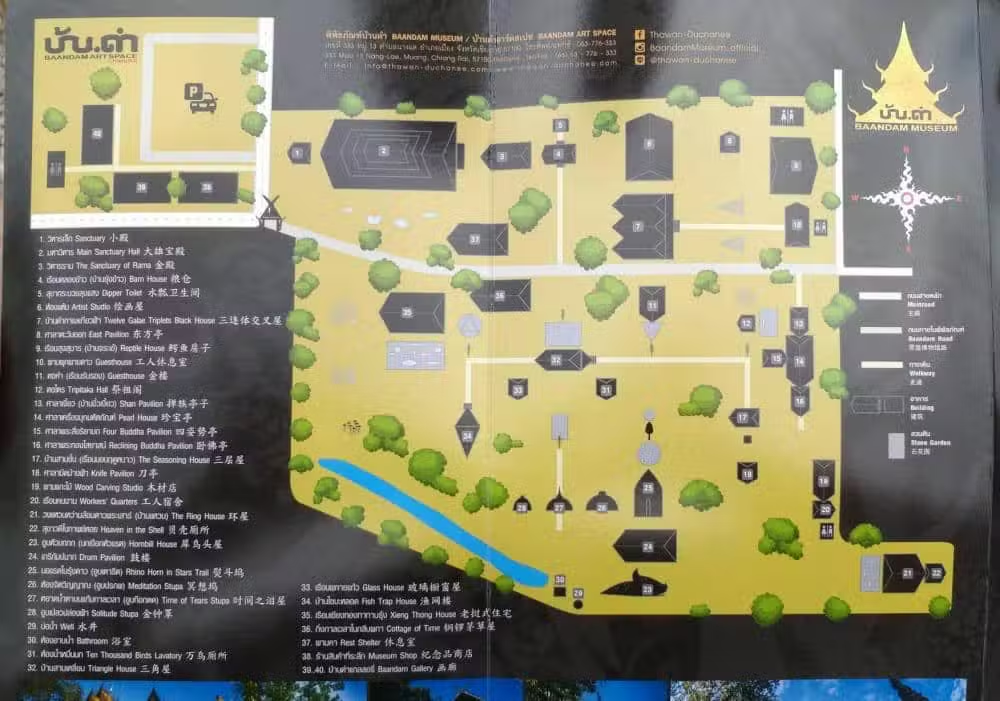
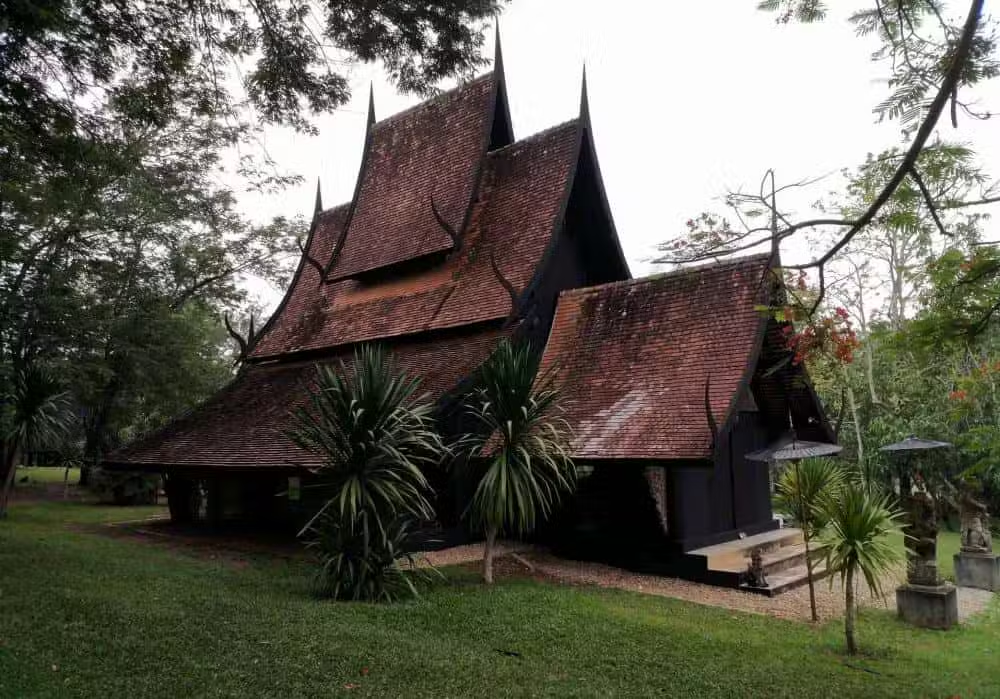
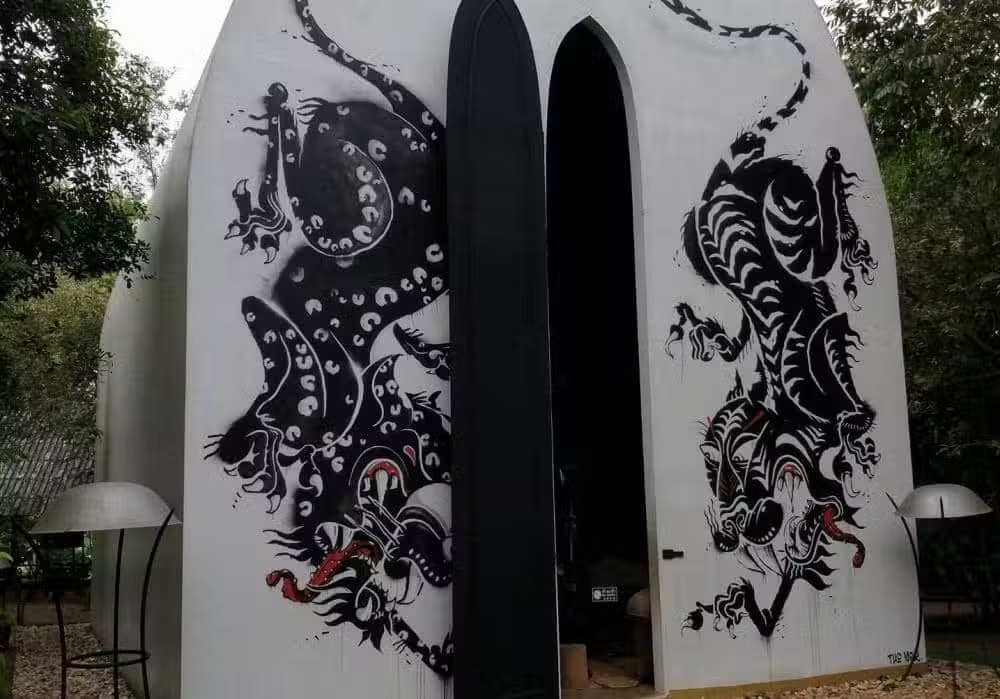
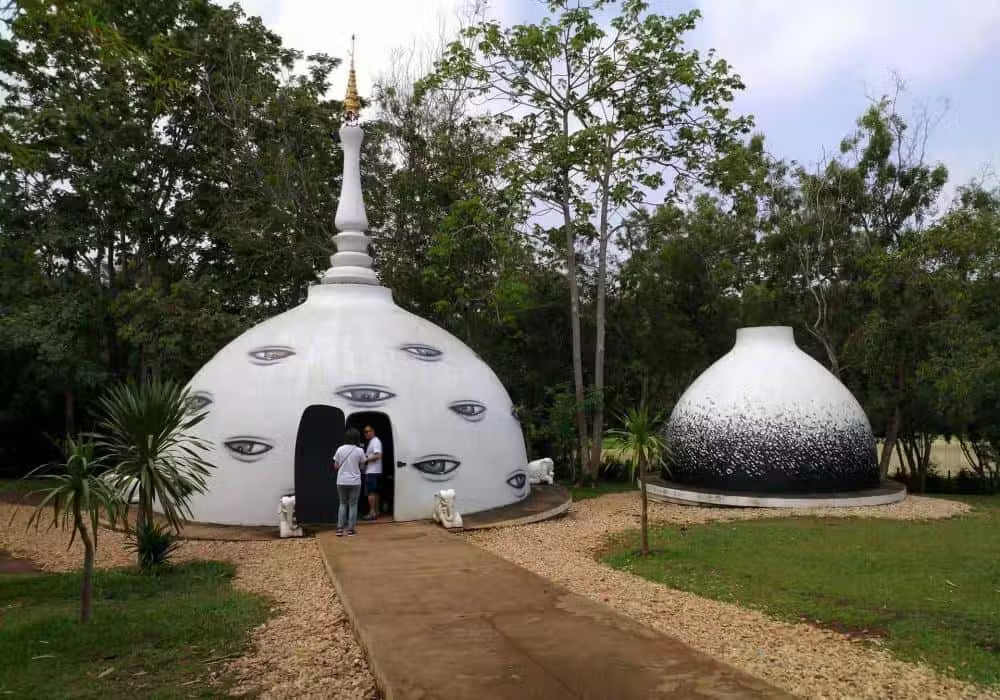
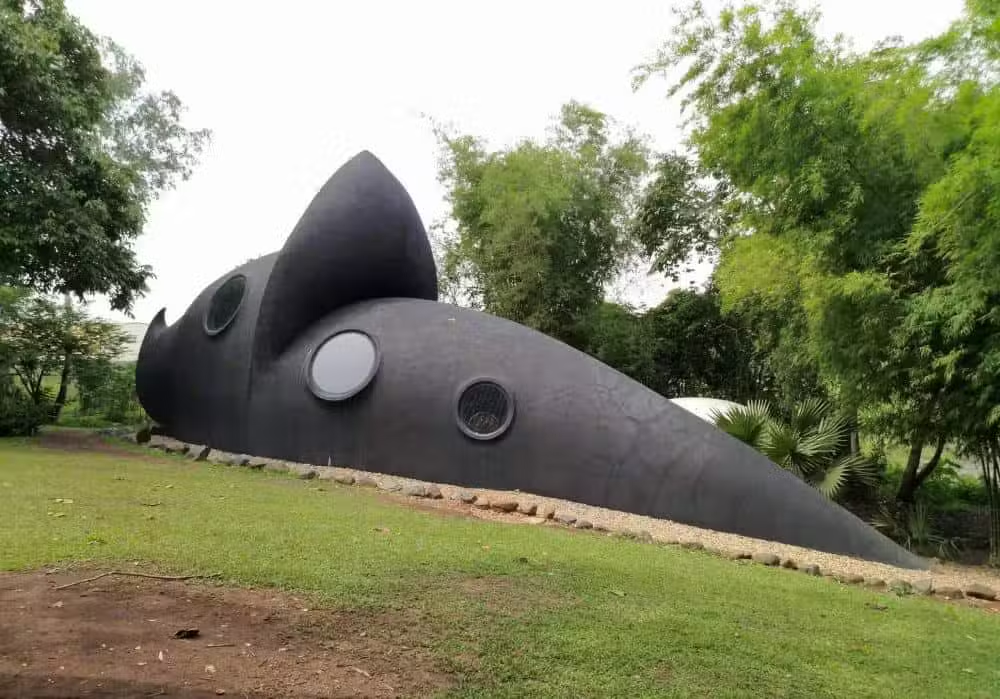
The estate contains dozens of structures of different sizes and forms. Some repeat dark timber and northern roof shapes, while others create a contrast with the main hall. The changing scale is part of the interest: a small pavilion can feel very different from the broad, imposing central building.
Walk between the accessible structures to look at their exteriors, open displays and setting among trees and lawns. Not every building is necessarily open to enter, and some interiors are viewed from outside. A closed door does not mean you have missed a public gallery; respect ropes and signs instead of assuming the entire estate is freely accessible.
The grounds give you space to pause between the more densely arranged interiors. In wet weather, paths and grassy edges can be muddy, so choose shoes suited to an outdoor museum. An umbrella is useful during rain, while water and sun protection matter on warmer days.
What to Expect with Children
Baan Dam is visually engaging, with unusual buildings and forms to discover, but the animal remains can be unsettling for some visitors. Explain that these are objects in an art collection before entering with a child who might find them distressing. You can choose a shorter look at the main hall and spend more time with architecture outdoors.
The museum is not an animal attraction or a hands-on play space. Keep children close around the furniture and displays, and help them distinguish objects to look at from seating they may use. Visitors needing step-free access should ask about the specific halls and outdoor routes before travelling, since individual buildings have different thresholds and surfaces.
Admission, Opening Sessions and Time to Allow
Adult admission is 80 baht. Confirm the current child policy and any special eligibility at the counter rather than assuming all children under a particular age enter free. Individual tour packages may combine admission with transport or other Chiang Rai stops, so check what is actually included.
The usual visiting sessions are 9am to noon and 1pm to 5pm, with a midday lunch break. Arrive early in a session if you want an unhurried visit, and check holiday or special closure arrangements before making a dedicated journey. The late afternoon is not the time to start a long exploration just before closing.
Allow around one to two hours for the main hall, several accessible buildings and the grounds. A visitor interested in the artwork and architecture may want longer than someone taking a short tour stop. Check the meeting time if travelling with a group, particularly when several attractions are scheduled for the same day.
Use the museum shop or any current visitor services as optional additions, not the main reason for a trip. Food and drinks are better planned around the outlets operating on your visit date, with a proper meal stop built into a longer Chiang Rai itinerary.
Getting to Baan Dam Museum
The museum is in Nang Lae, roughly 10 to 12 kilometres north of central Chiang Rai. Route 1 provides the main northern approach, followed by the signposted local turn towards Baan Dam. Use the museum entrance on your map rather than assuming it is directly on the highway.
Allow about 20 to 30 minutes from central Chiang Rai, with extra time for traffic or your starting point. A taxi, hired car or arranged driver provides a straightforward visit. Agree whether the driver waits or returns to collect you, and confirm the fare for the whole arrangement.
A bus travelling along Route 1 does not necessarily deliver you to the museum gate. Check the drop-off and final local connection before relying on public transport, and settle the return plan as well. Walking from a highway stop is a different proposition from arriving at the designated museum entrance.
The Blue Temple can be combined on the northern side of Chiang Rai, while the White Temple is south of the city. They are separate destinations rather than neighbouring buildings. From Chiang Mai, Baan Dam belongs in a full Chiang Rai day trip or an overnight stay, with substantial intercity travel in addition to museum time.
Baan Dam Museum FAQs
Is Baan Dam a Buddhist temple?
Baan Dam is an art museum and architectural complex created by Thawan Duchanee. The Black Temple nickname can be misleading: visit it for the art, buildings and collections rather than a worship service.
What is inside the Black House?
The main hall brings together artwork, carved timber, distinctive furniture and collections including animal horns, bones and hides. Smaller buildings and outdoor spaces extend the experience beyond that central interior.
Can you enter every building?
Access varies, and some structures are viewed only from outside. Follow signs and ropes, and ask staff which areas are open instead of assuming every door leads to a public gallery.
How much is admission?
Adult entry is 80 baht. Confirm child concessions and any other eligibility with the museum, and check inclusions separately if your ticket is part of a transport or sightseeing package.
Does the museum close for lunch?
The usual sessions are 9am to noon and 1pm to 5pm. Plan around the midday break and confirm any holiday or special closure before a dedicated visit.
Is it suitable for children?
Children may enjoy the unusual buildings, but some interiors contain animal remains that can be upsetting. Explain the art setting, supervise them around displays and choose the parts of the complex that suit your family.
How long should you allow?
One to two hours suits the main hall, several other accessible buildings and the grounds. Allow longer if you enjoy studying art or architecture, and add road travel separately to the day’s plan.









Do You Have a Question to Ask?