















































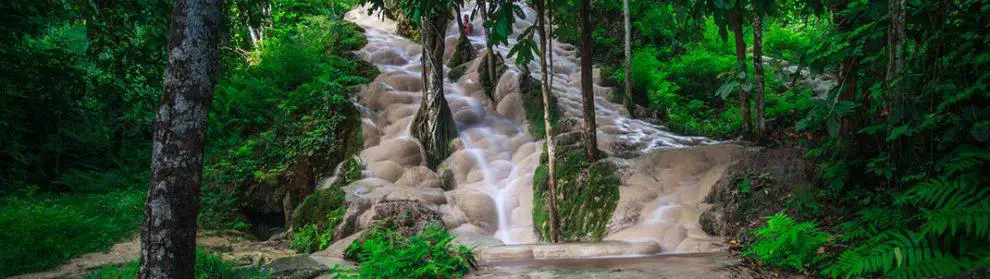
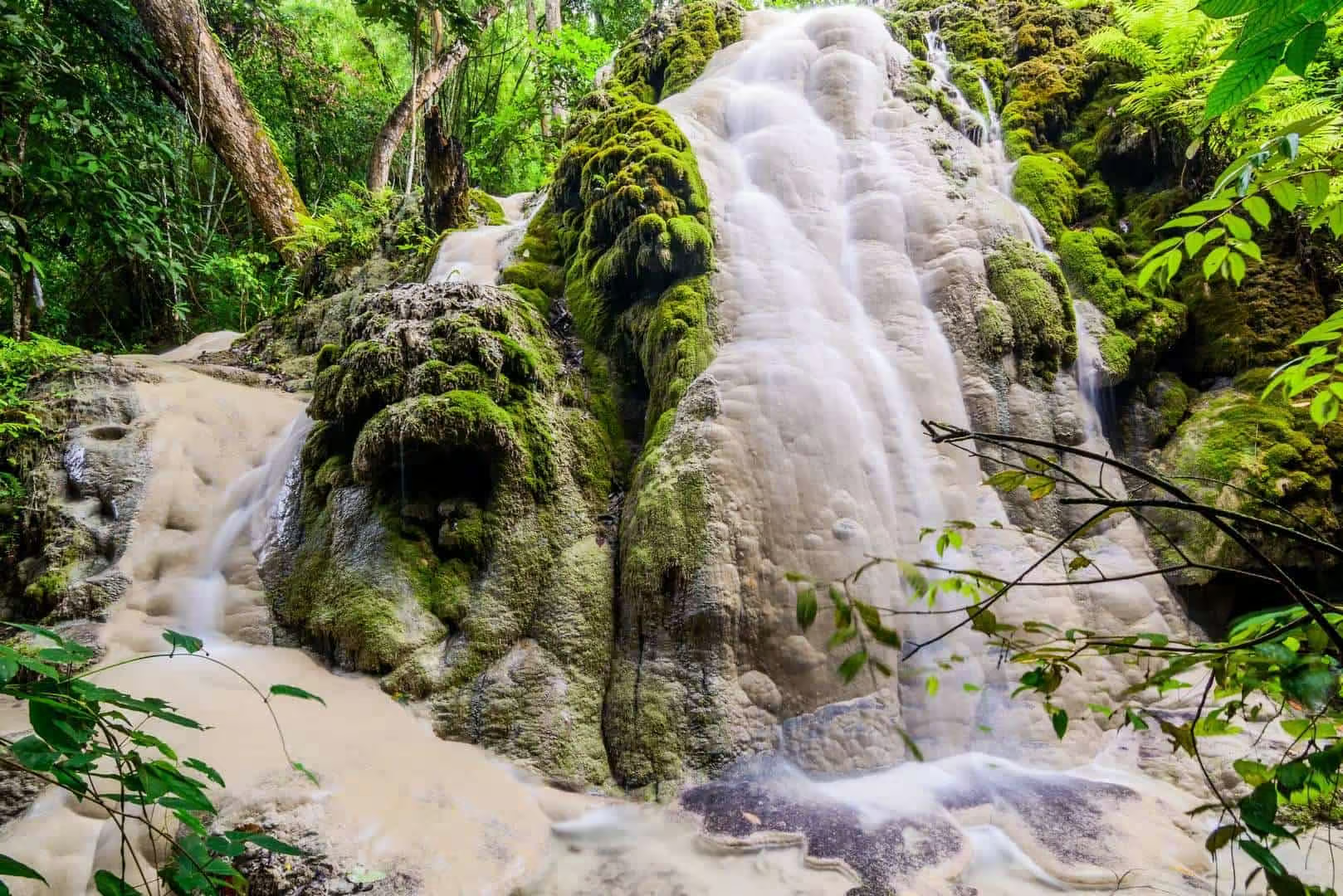
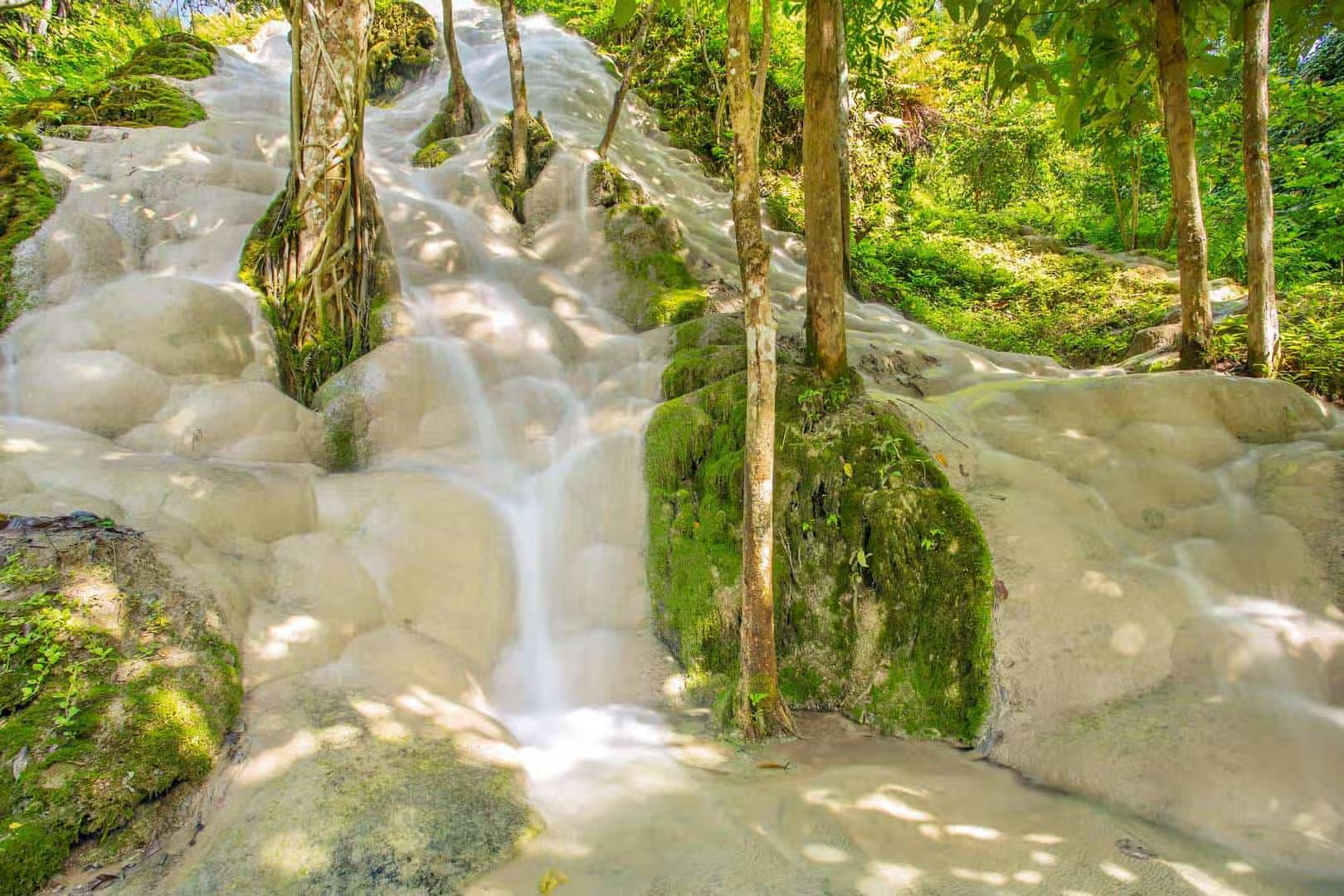
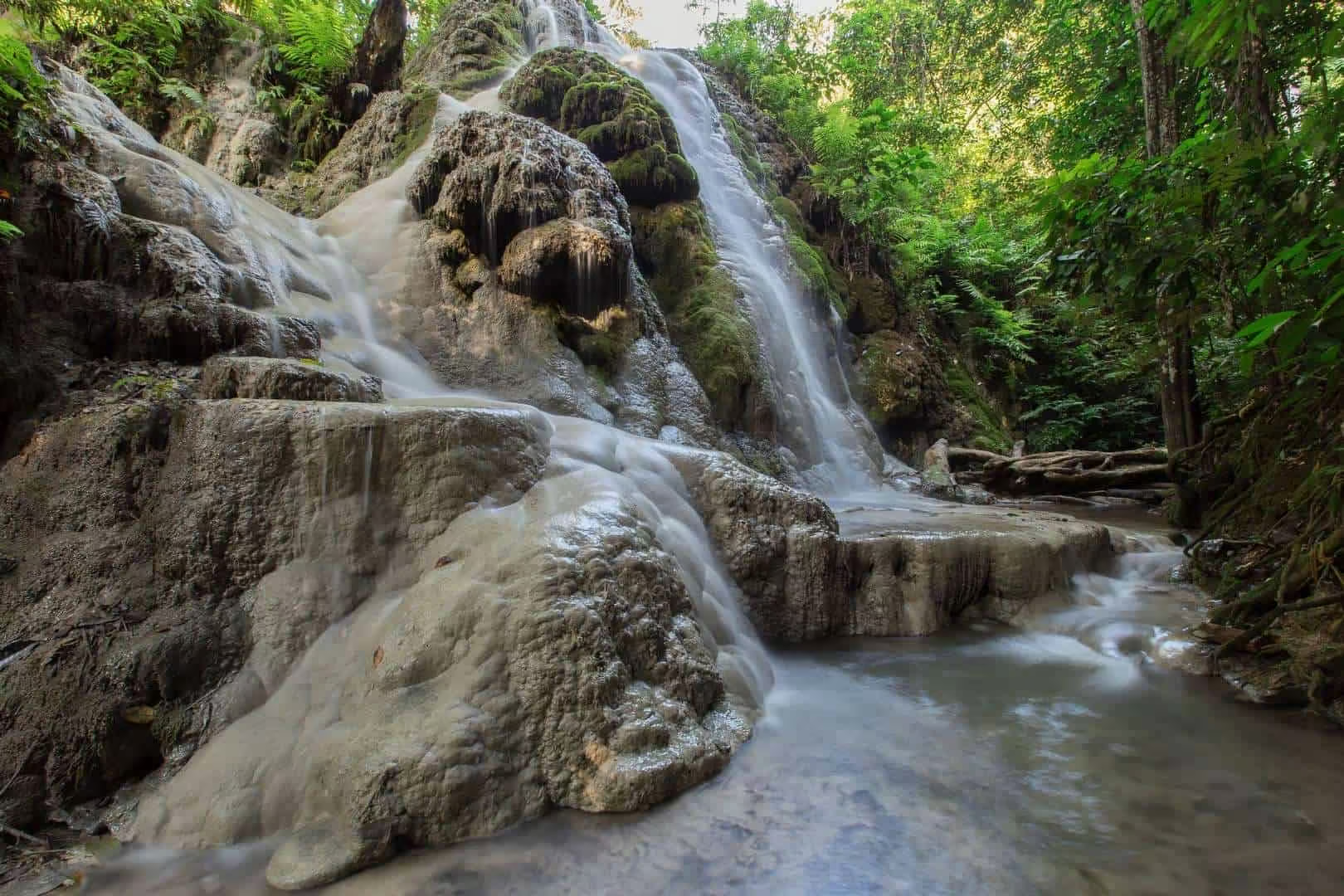
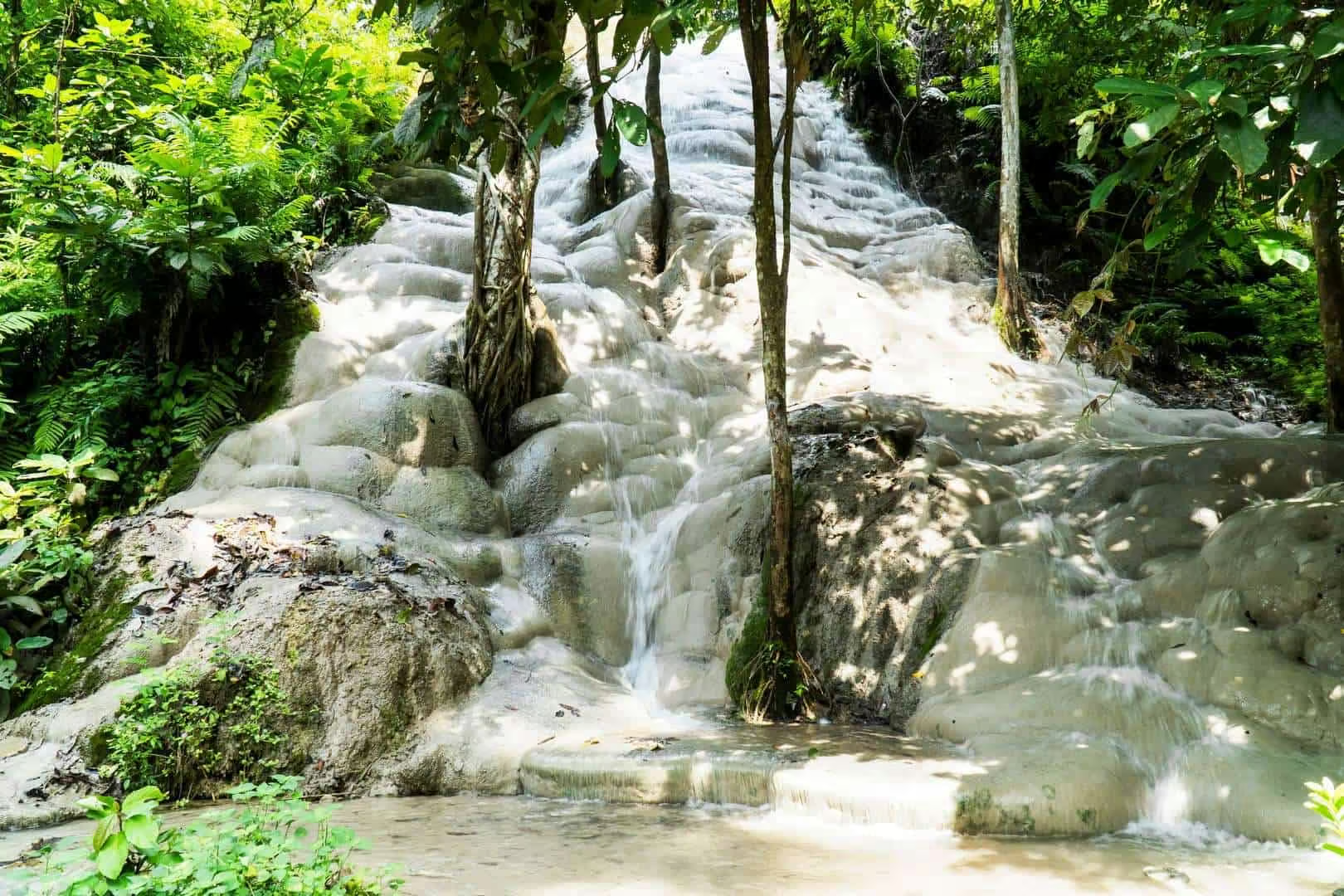
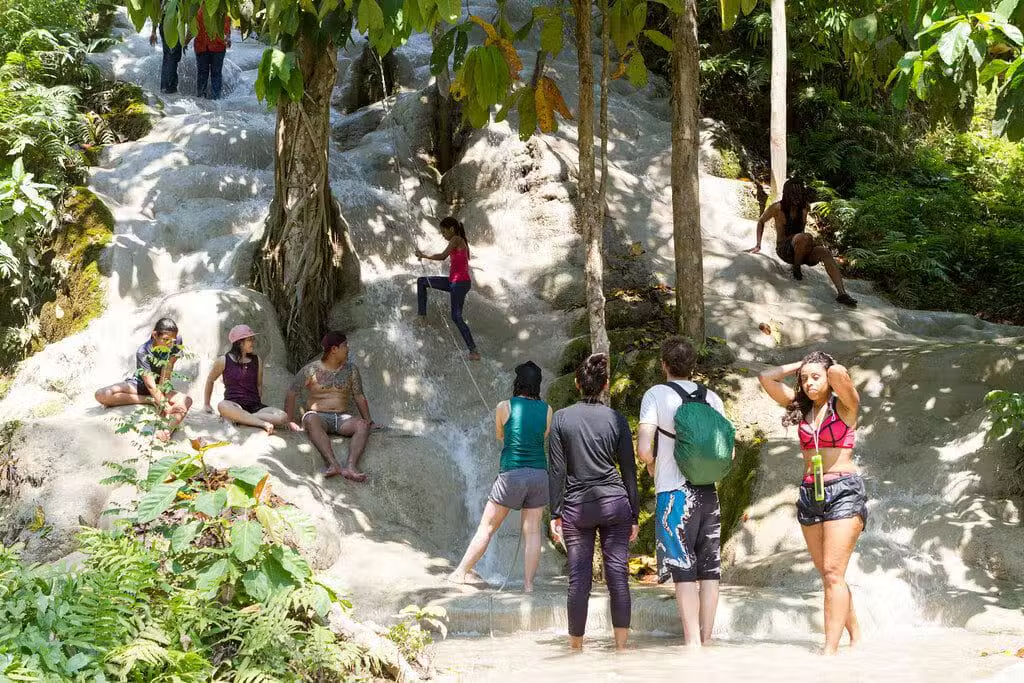
Bua Thong Waterfalls, also spelt Bua Tong and known as the Sticky Waterfalls, is a forest outing north of Chiang Mai with an unusual attraction: climbing up pale limestone while water runs over your feet. Mineral deposits give parts of the cascade a rough texture, making the climb feel very different from walking on ordinary wet rock.
The waterfall is in Mae Ho Phra, Mae Taeng district, roughly 60 kilometres from the city. Allow a half-day for the return journey and a relaxed visit, or make it the main stop on a longer countryside outing.
Climbing the Sticky Waterfalls
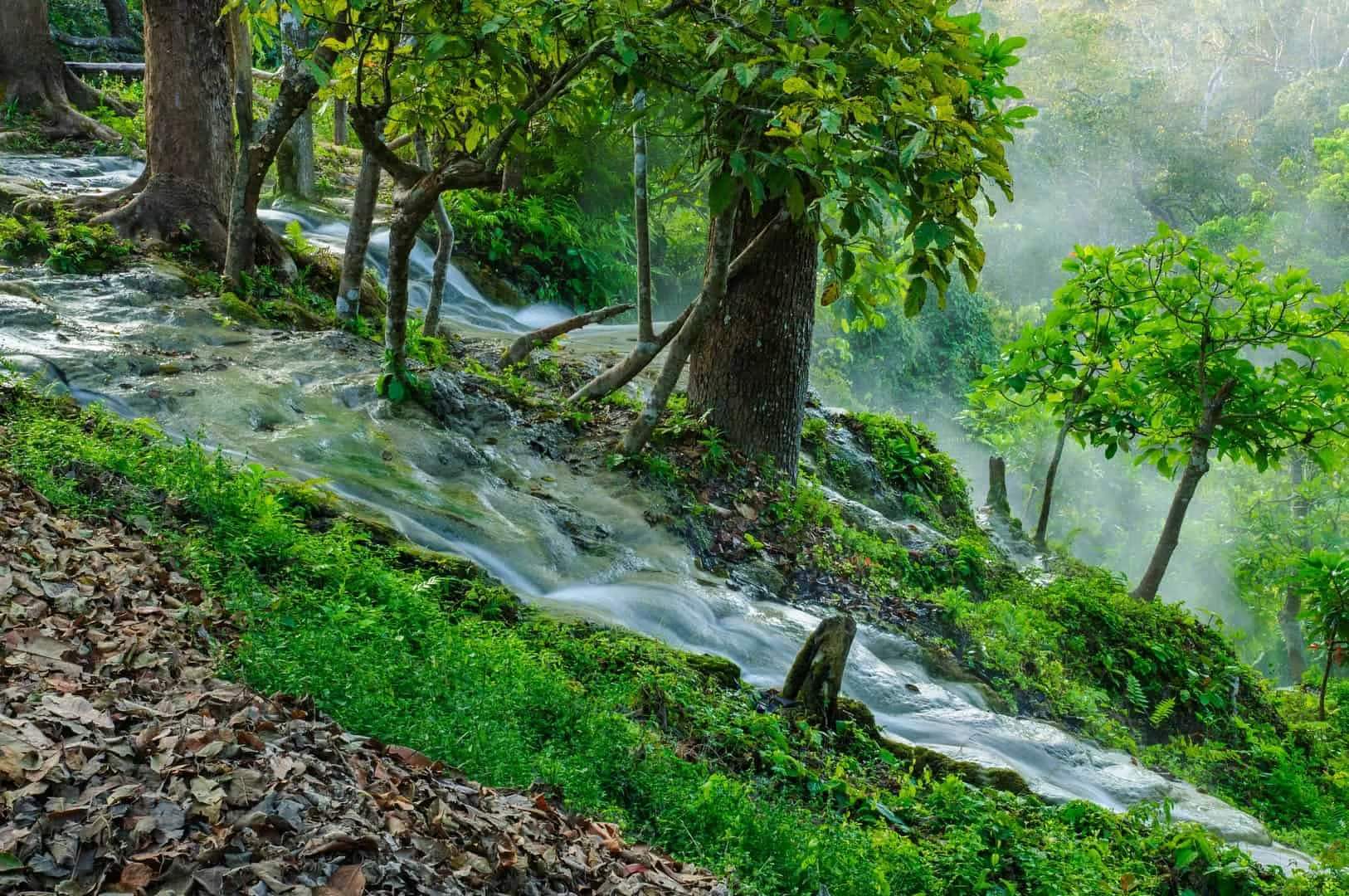
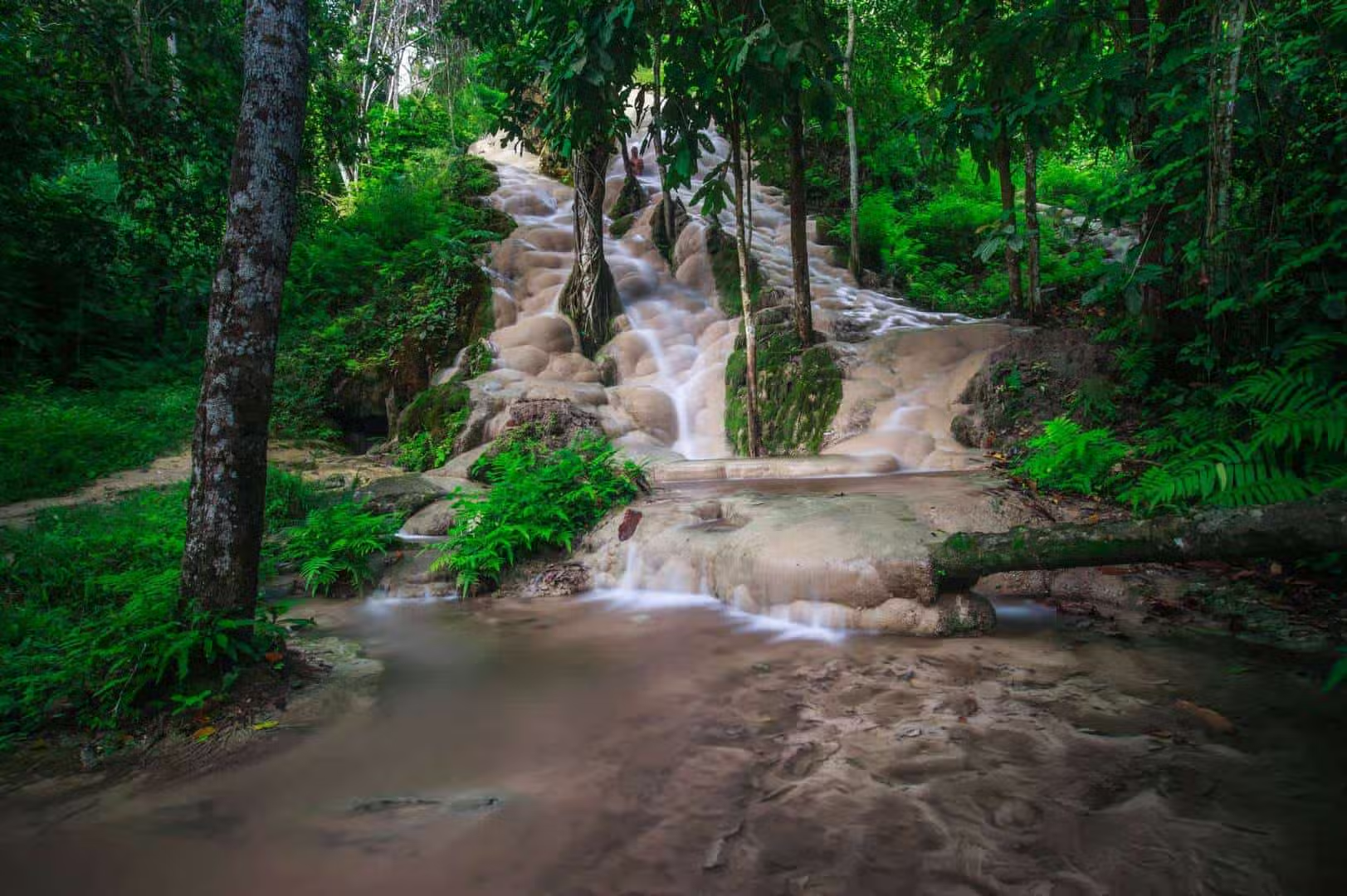
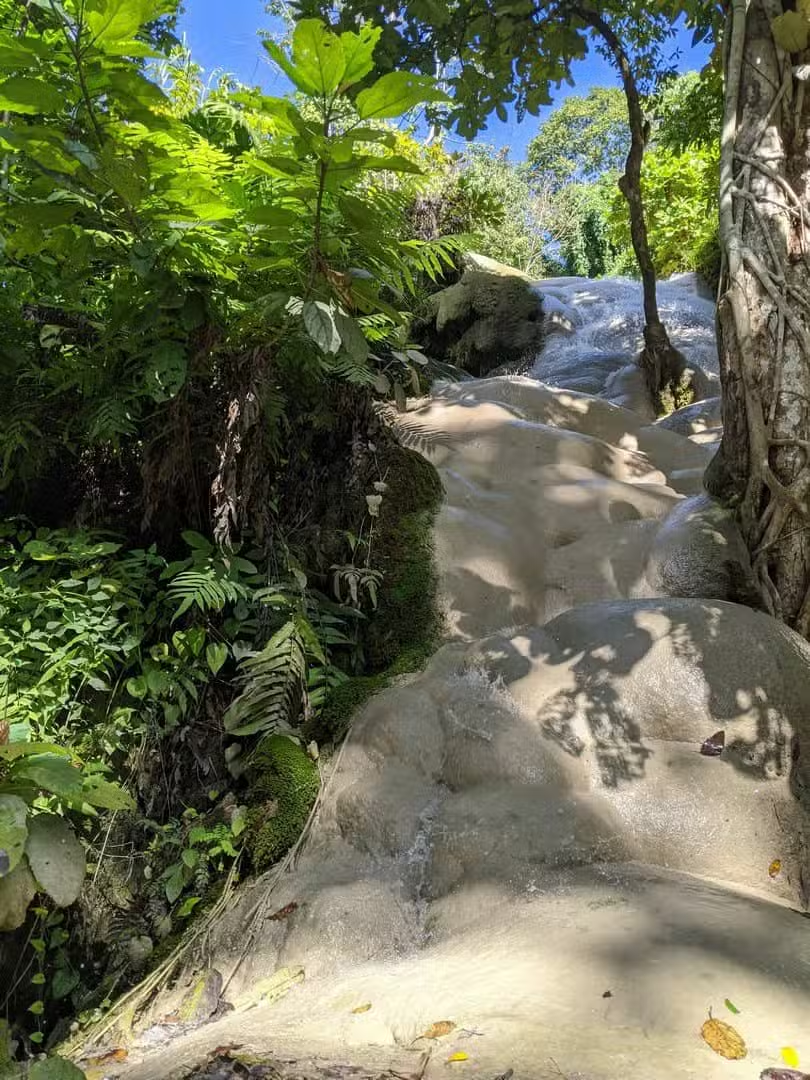
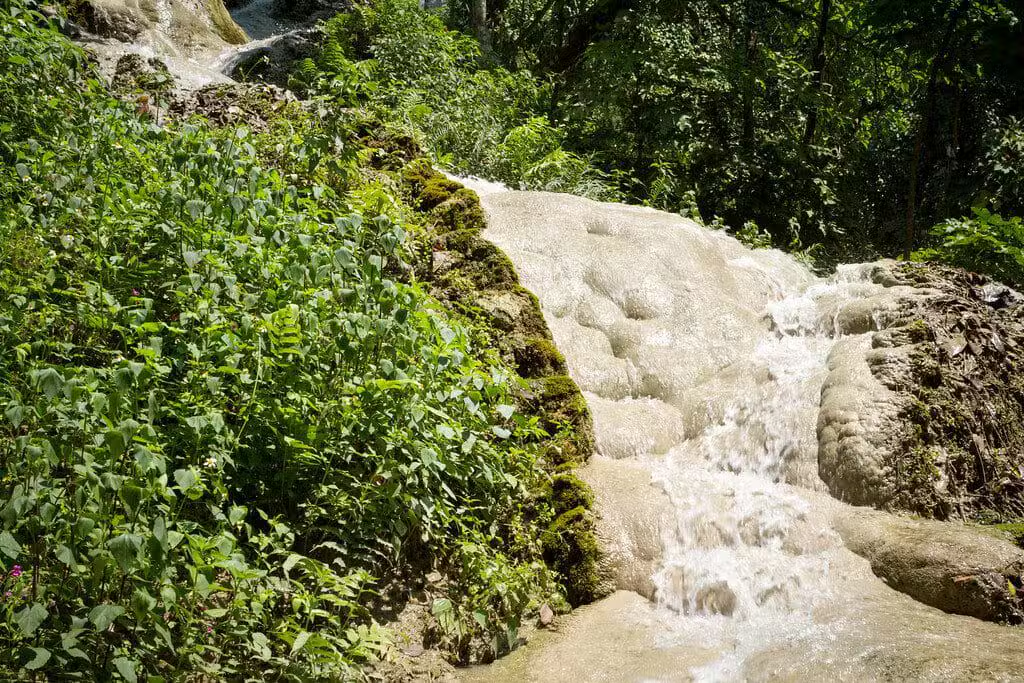
The appeal is the contact with the cascade itself. Water spreads across rounded limestone slopes, with different sections offering gentler footing or a steeper climb. The forest around the falls provides a green backdrop, while the pale rock makes the flowing water particularly striking.
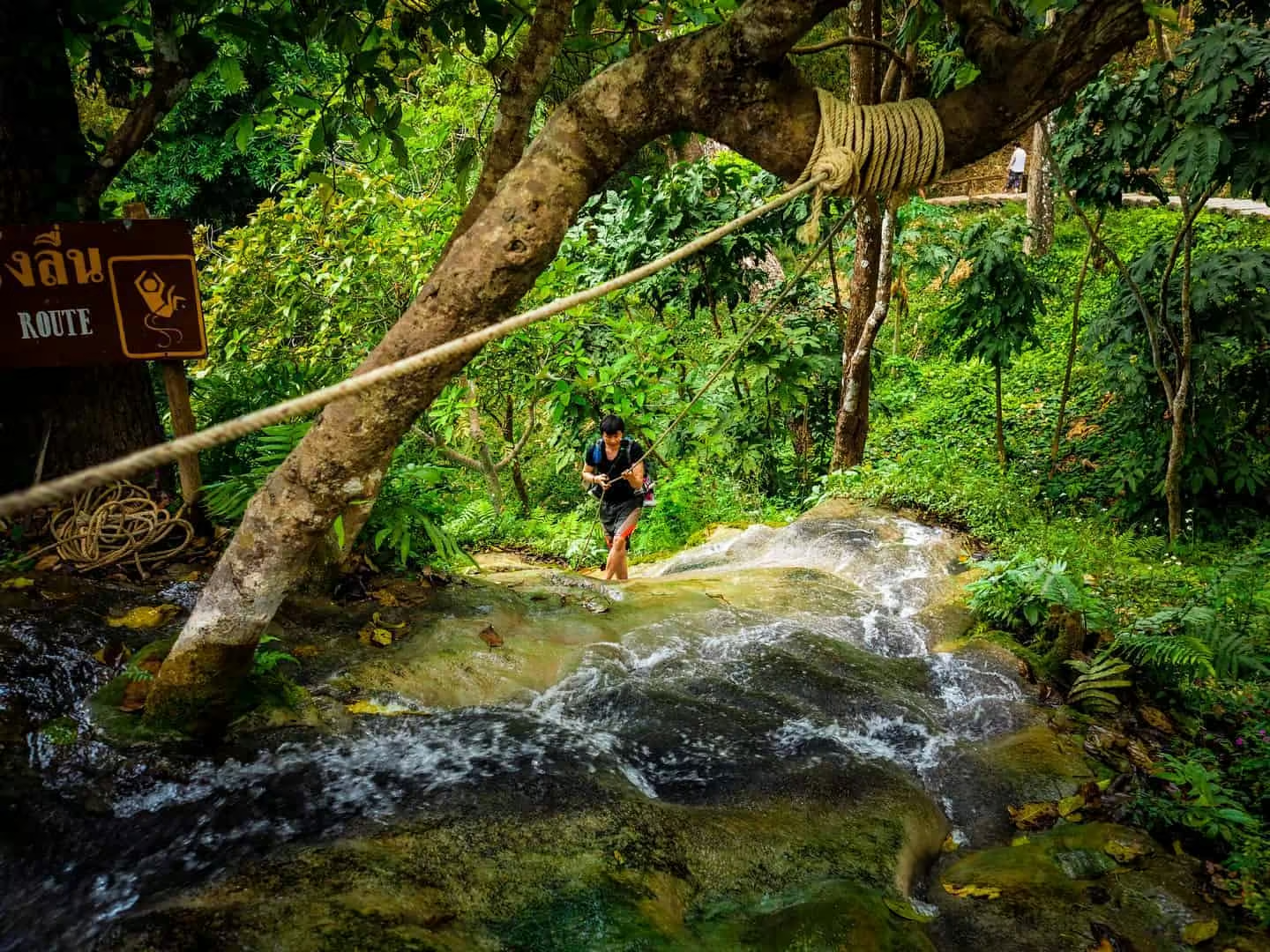
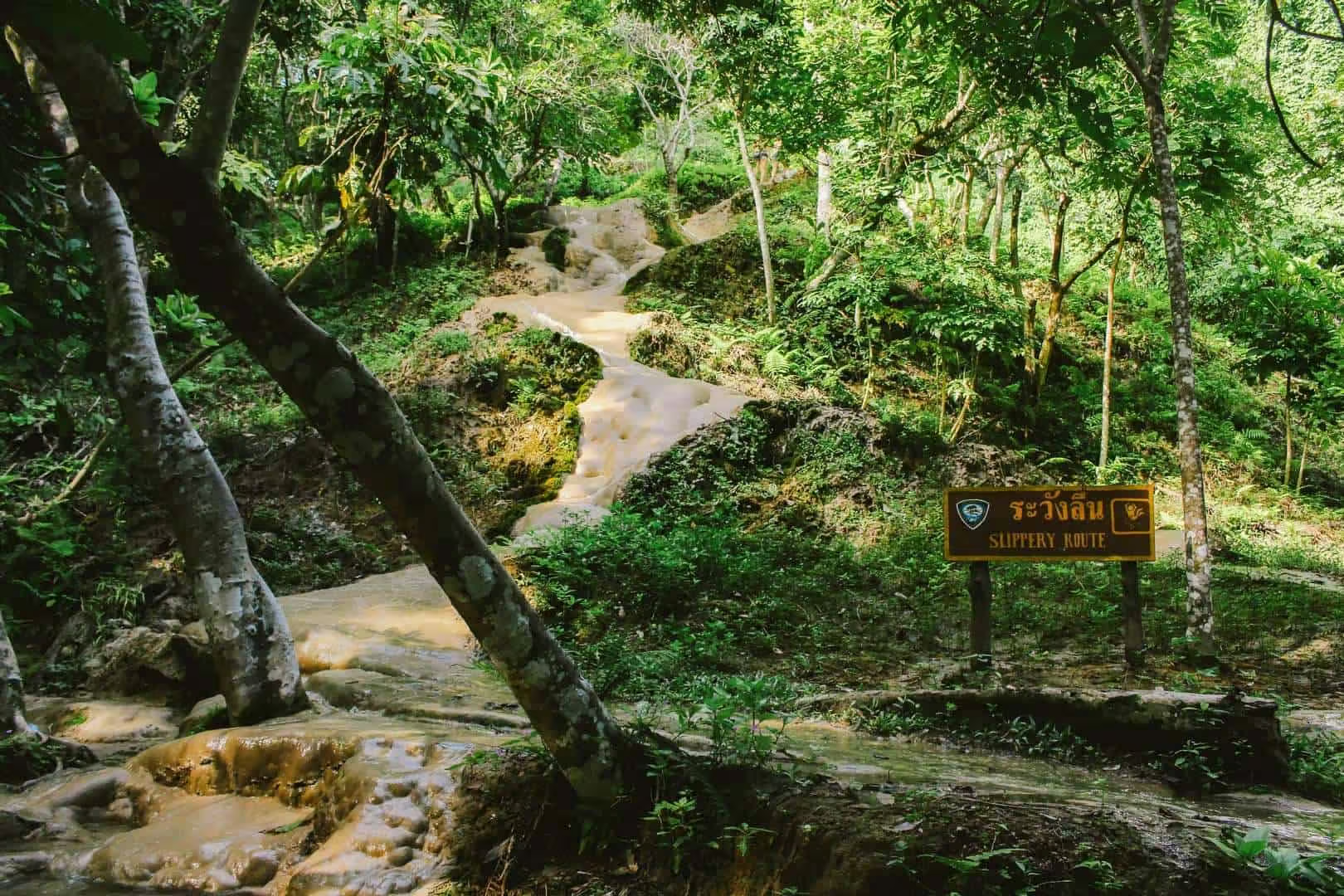
Use the side paths and stairs to reach a suitable starting point rather than trying to descend every section through the water. Follow the marked climbing areas and use the ropes where provided. You can try a short section and return to the path; completing the whole cascade is not essential to enjoying the visit.
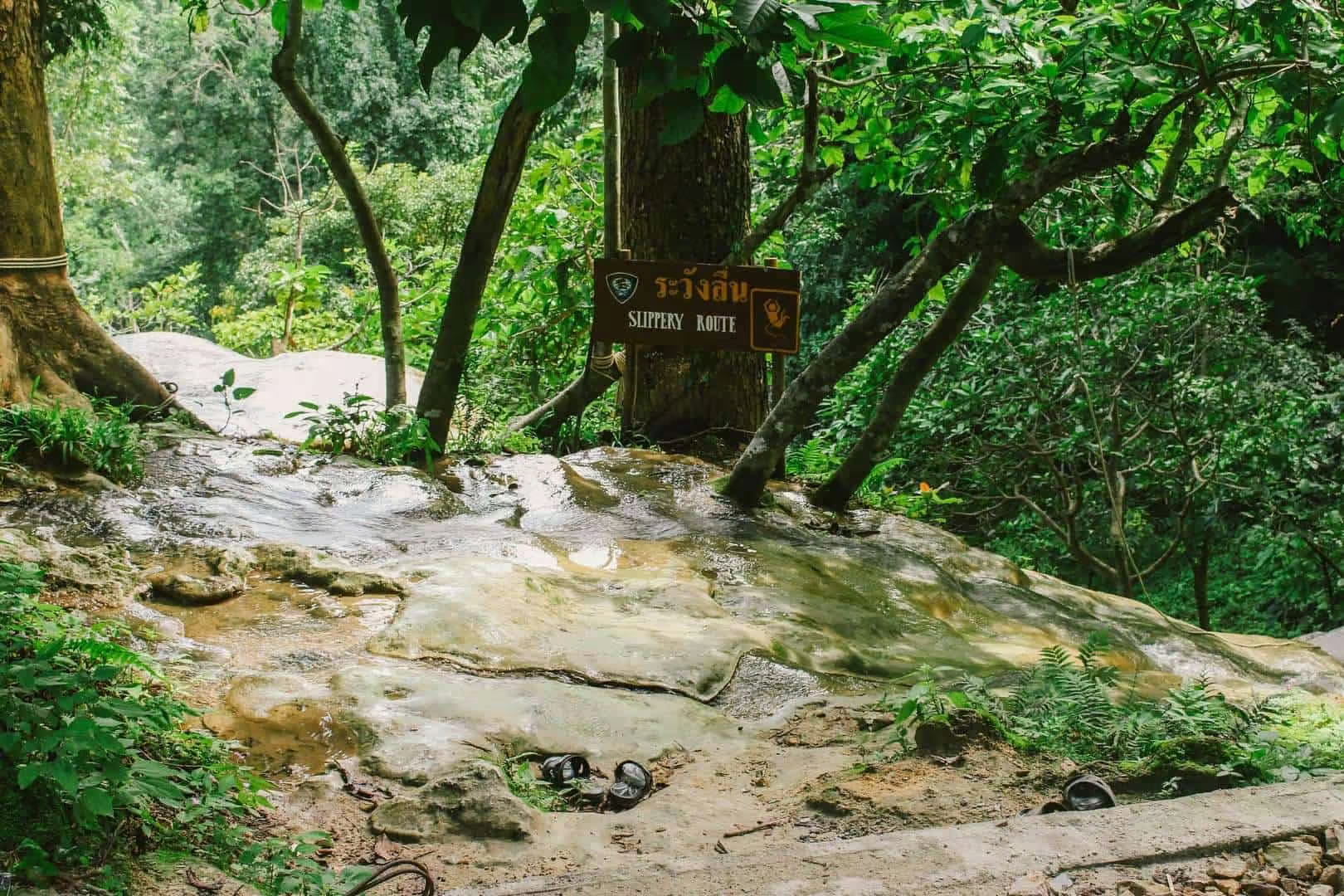
The nickname does not mean every surface grips equally well. Darker patches, algae, muddy edges and wet steps can be slippery. Test each foothold, leave space between climbers and follow ranger instructions. Avoid climbing over a closed section or continuing when water conditions make you uncomfortable.
Visiting without the climb
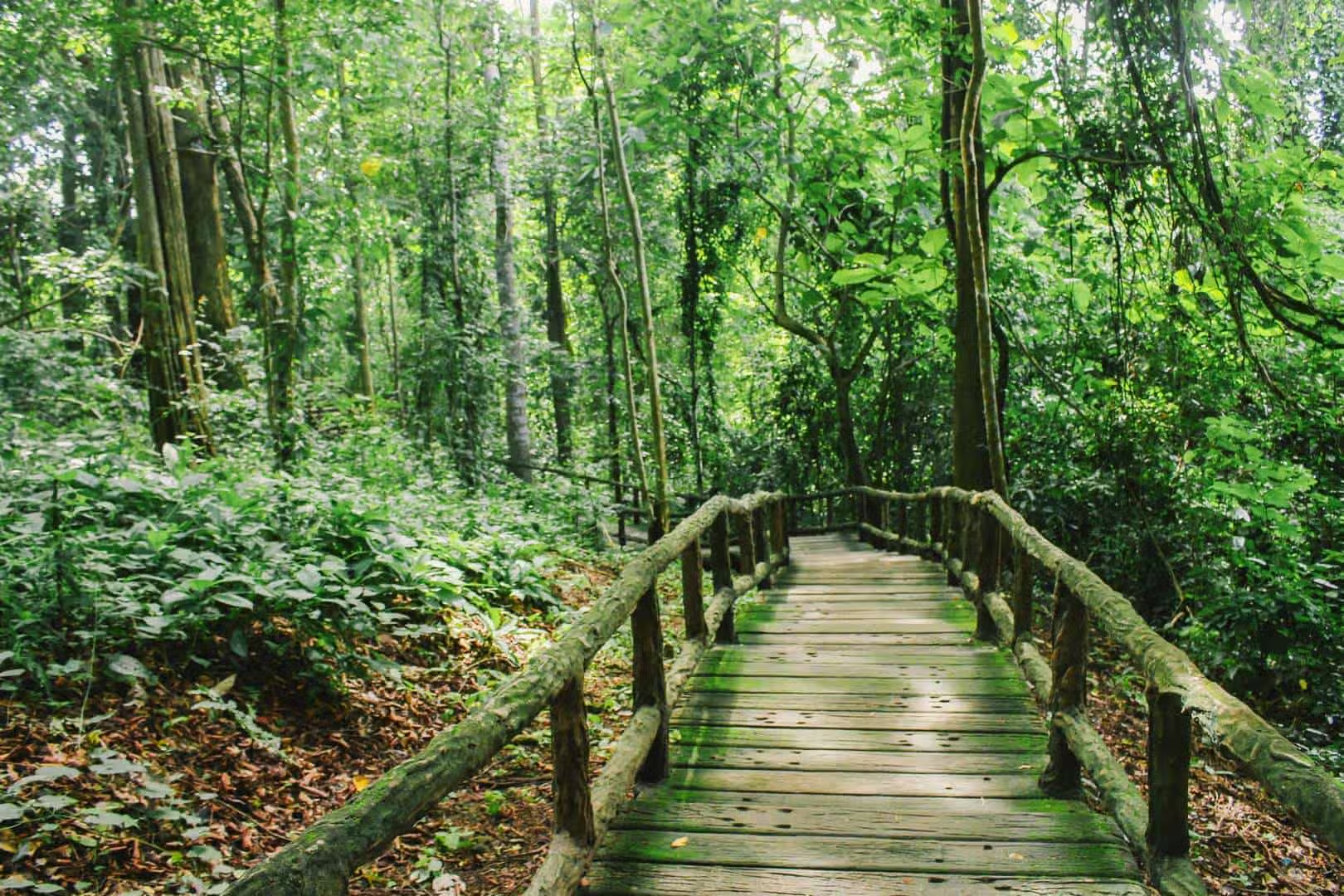
You can enjoy the waterfall scenery without entering the cascade. Stay on the designated paths and choose a viewpoint that suits your mobility. The stairs to lower sections still require effort, so do not assume a forest visit is step-free simply because the drive reaches a car park.
Children need close supervision around water and steep drops. Adults who prefer to remain dry can watch from the side, making this a workable outing for a group with different appetites for adventure.
Nam Phu Chet Si spring
The nearby Nam Phu Chet Si, often called the Seven-Colour Spring, is the natural source feeding the waterfall. A separate short forest walk makes a quieter addition to the main cascade, with clear spring water contrasting with the tumbling falls.
Treat the spring as a viewing stop. Keep to the paths and respect signs around the water and any sacred features. It is a cool-water spring, so this outing should not be confused with Chiang Mai’s hot-spring bathing attractions.
What to bring and when to arrive
Wear clothes you are happy to soak and bring a towel, a change of clothes and a waterproof pouch for your phone. Leave loose belongings secured before climbing. Use suitable footwear for the surrounding paths, then follow the site’s advice about footwear on the limestone; loose flip-flops are awkward on steep wet terrain.
Bring drinking water, sun protection and insect repellent. Keep food in the permitted picnic areas and carry out your rubbish. A quieter weekday morning gives you more room to choose your route, although school holidays and tour arrivals can change the atmosphere.
General visiting hours are commonly listed as 8am-5pm, with free waterfall entry. Transport, organised tours and personal purchases cost extra. Allow around two hours at the site if you want to climb, change clothes and see the spring. Check access before travelling after heavy rain and leave time to return before closing.
Getting there from Chiang Mai
The usual driving approach follows Route 1001 north past Mae Jo, then the signed turn-off towards Bua Tong Waterfall in Mae Ho Phra. Use the waterfall entrance as your destination, rather than a broad Mae Taeng district pin. Allow roughly 1-1.5 hours each way, depending on your starting point and traffic.
A private driver or organised trip is convenient if you want someone to wait while you explore. Agree the return journey and waiting time before leaving Chiang Mai. A ride-hailing drop-off alone does not arrange your trip home from this rural location. Self-driving requires confidence with local traffic; a sealed road does not make an unfamiliar scooter journey suitable for a beginner.
Bua Thong Waterfalls (Sticky Waterfalls) FAQs
Why are the waterfalls called sticky?
Mineral deposits form a rough limestone surface that provides unusual traction in suitable sections. Grip varies, so use designated routes and ropes rather than assuming all wet rock is safe.
Is there an entrance fee?
General waterfall entry is commonly listed as free. You still need to budget for transport, any guided package and purchases at the site.
Do I have to climb the waterfall?
You can enjoy the forest and waterfall from designated paths without entering the water. Lower viewpoints may involve stairs, so choose a route that suits your balance and stamina.
How long should I allow?
Around two hours on site gives you time for a climb, the spring and changing clothes. With the journey from Chiang Mai, a relaxed half-day is a sensible plan.
Can I arrange a one-way taxi?
Arrange a return transfer or a driver who waits. The rural setting makes it unwise to rely on immediately finding another vehicle when you finish.






Do You Have a Question to Ask?