


















































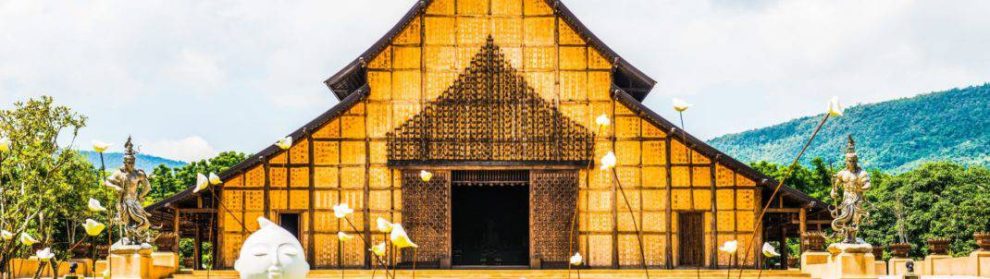
Wat Rai Cherntawan, also known as the Cherntawan International Meditation Centre, is a Buddhist temple and meditation retreat in Huai Sak, outside Chiang Rai city. It belongs in a Chiang Rai itinerary rather than being mistaken for a temple within Chiang Mai, despite sometimes appearing alongside northern Thailand attractions.
Founded by the respected monk and writer V. Vajirameethi in 2009, the centre developed as a place for Buddhist learning and meditation. Its official name changed to Wat Rai Cherntawan when it became a temple in 2025. The landscaped grounds and reflective atmosphere attract day visitors as well as people attending organised programmes.
The Grounds and Atmosphere
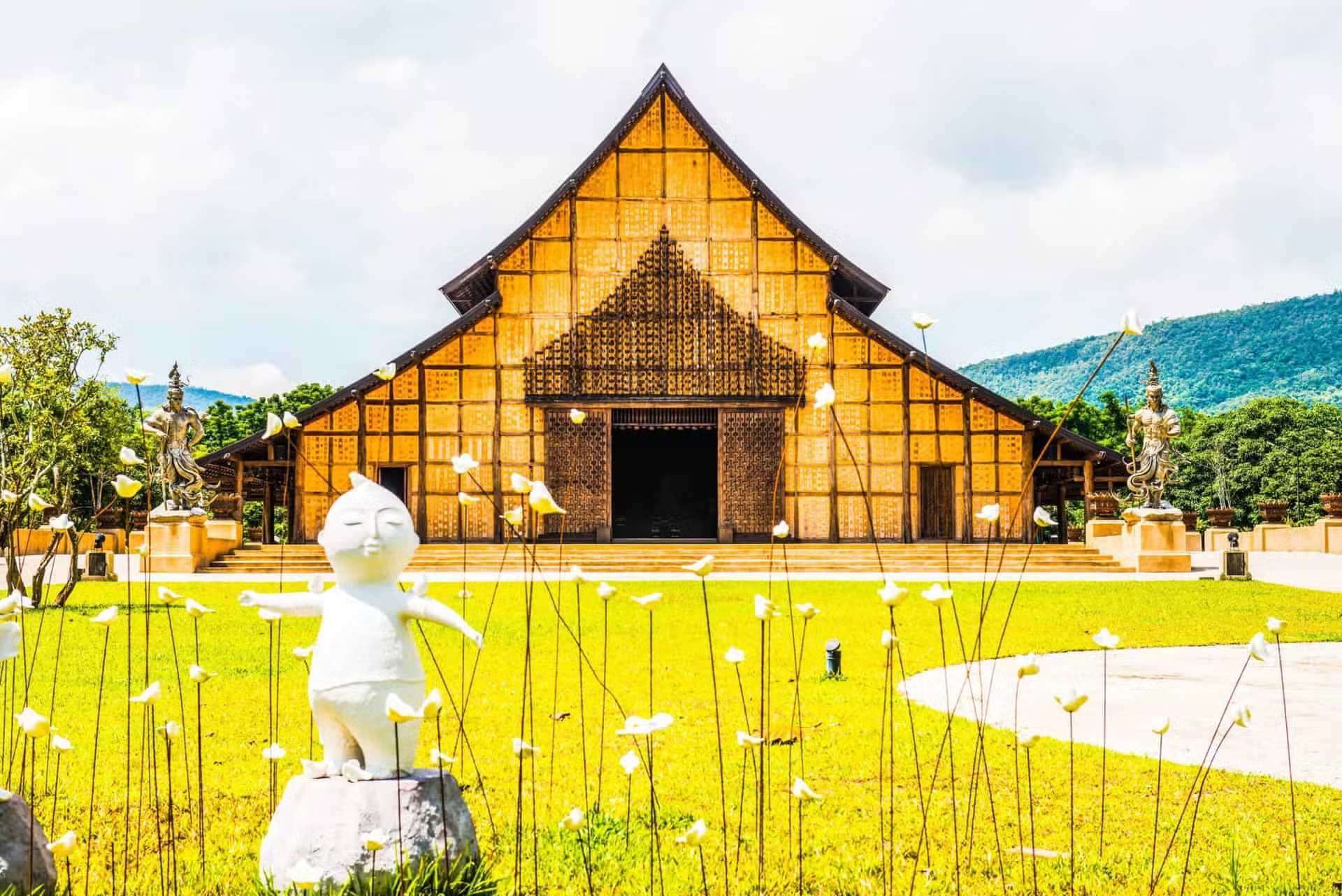
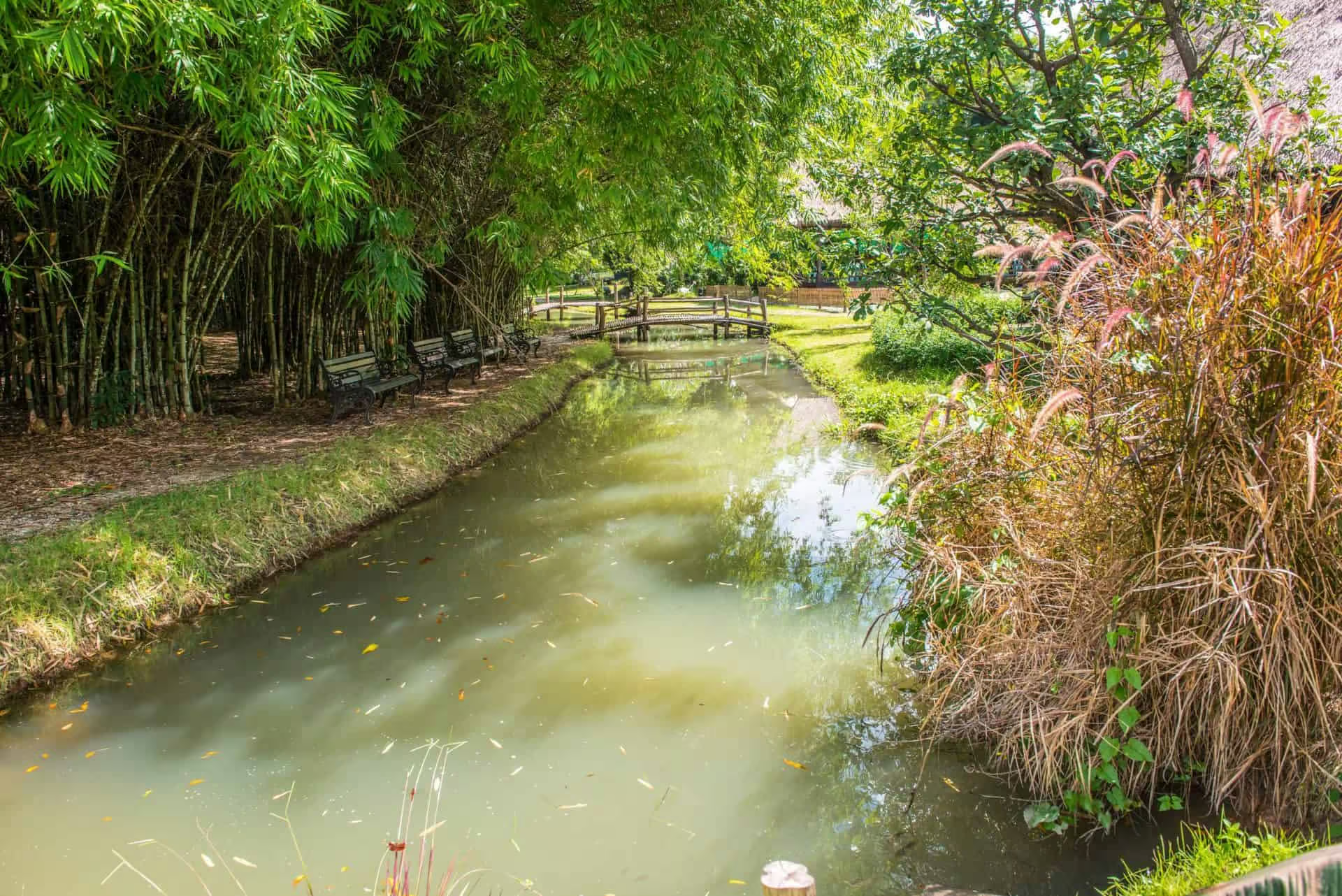
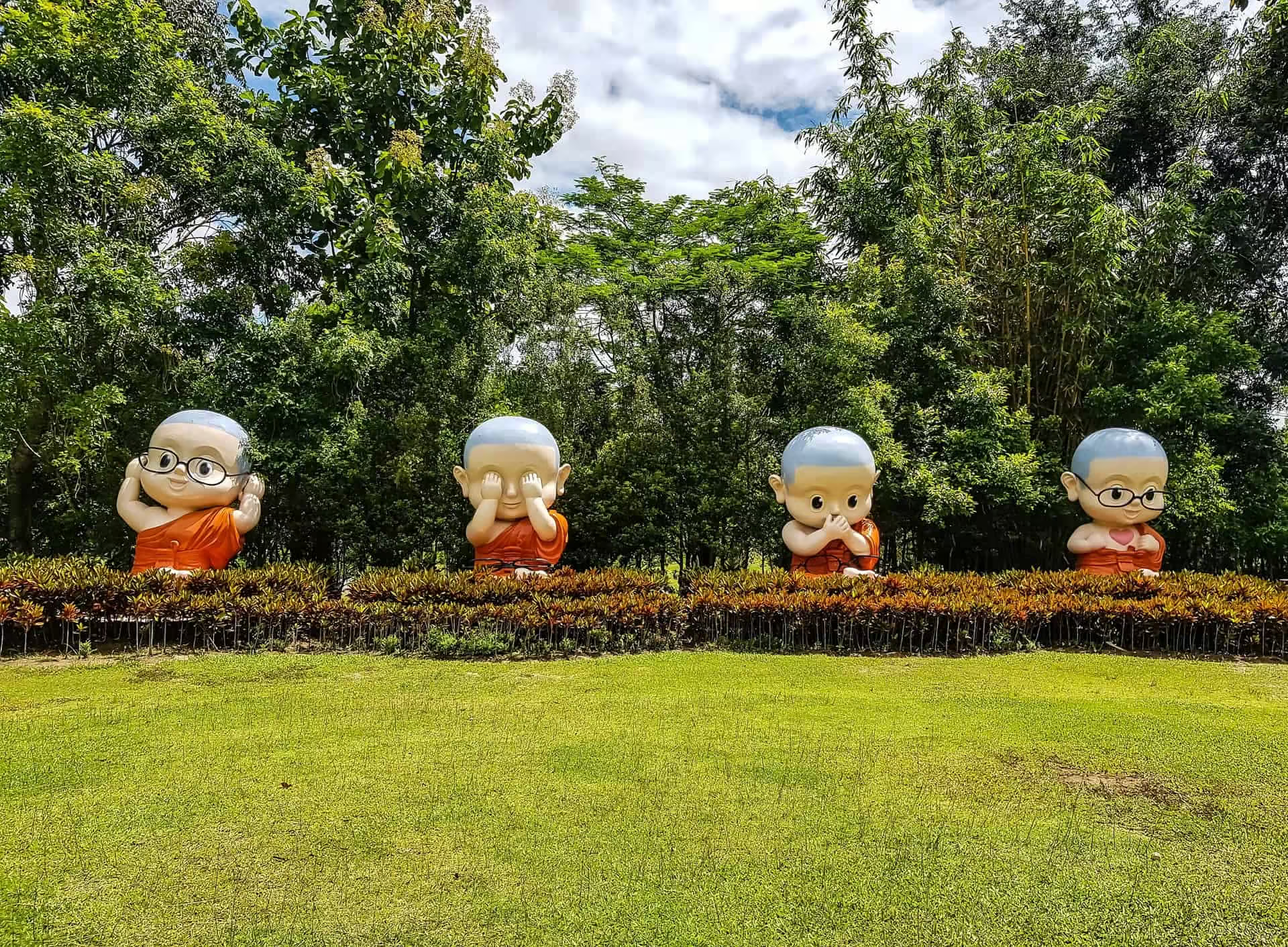
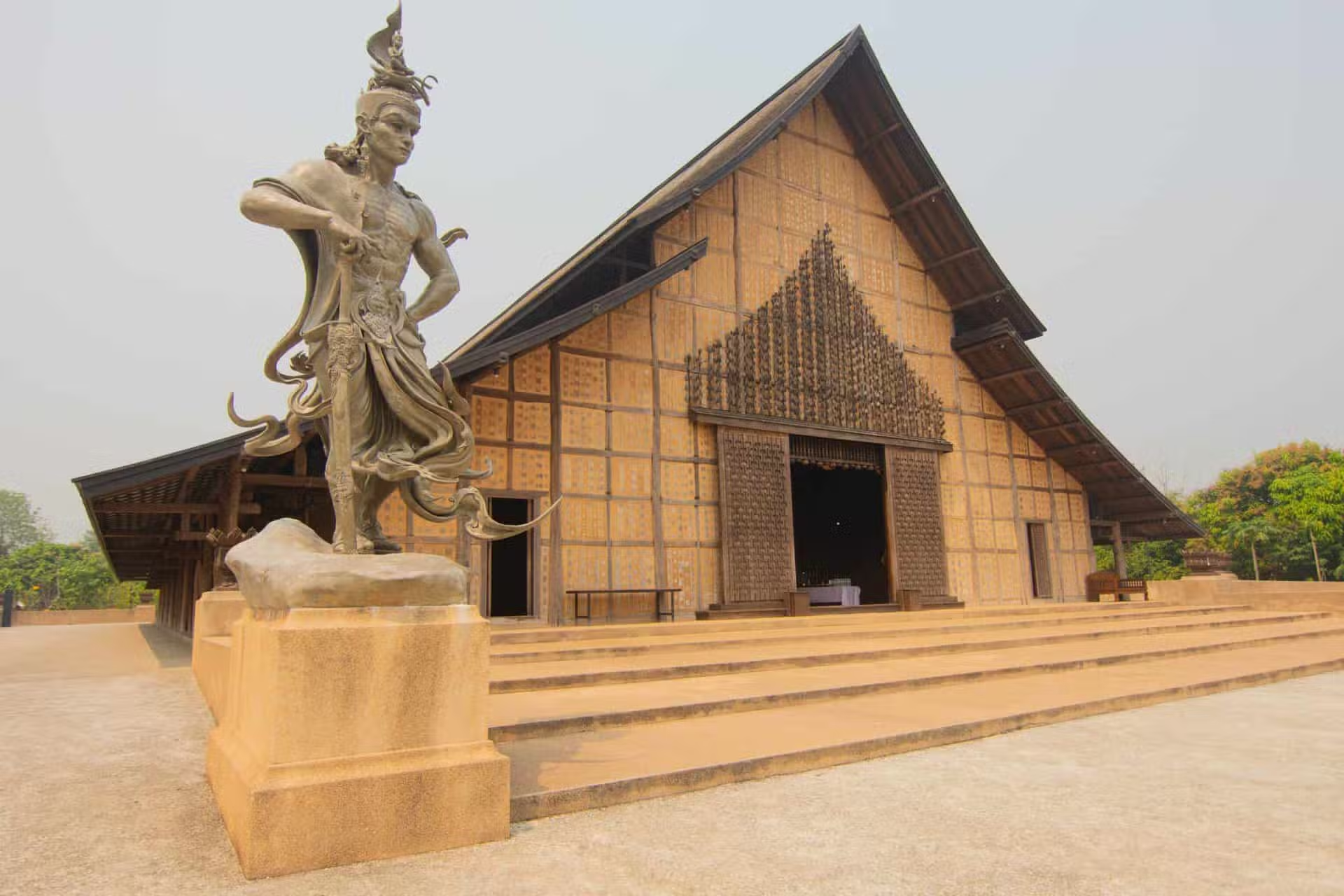
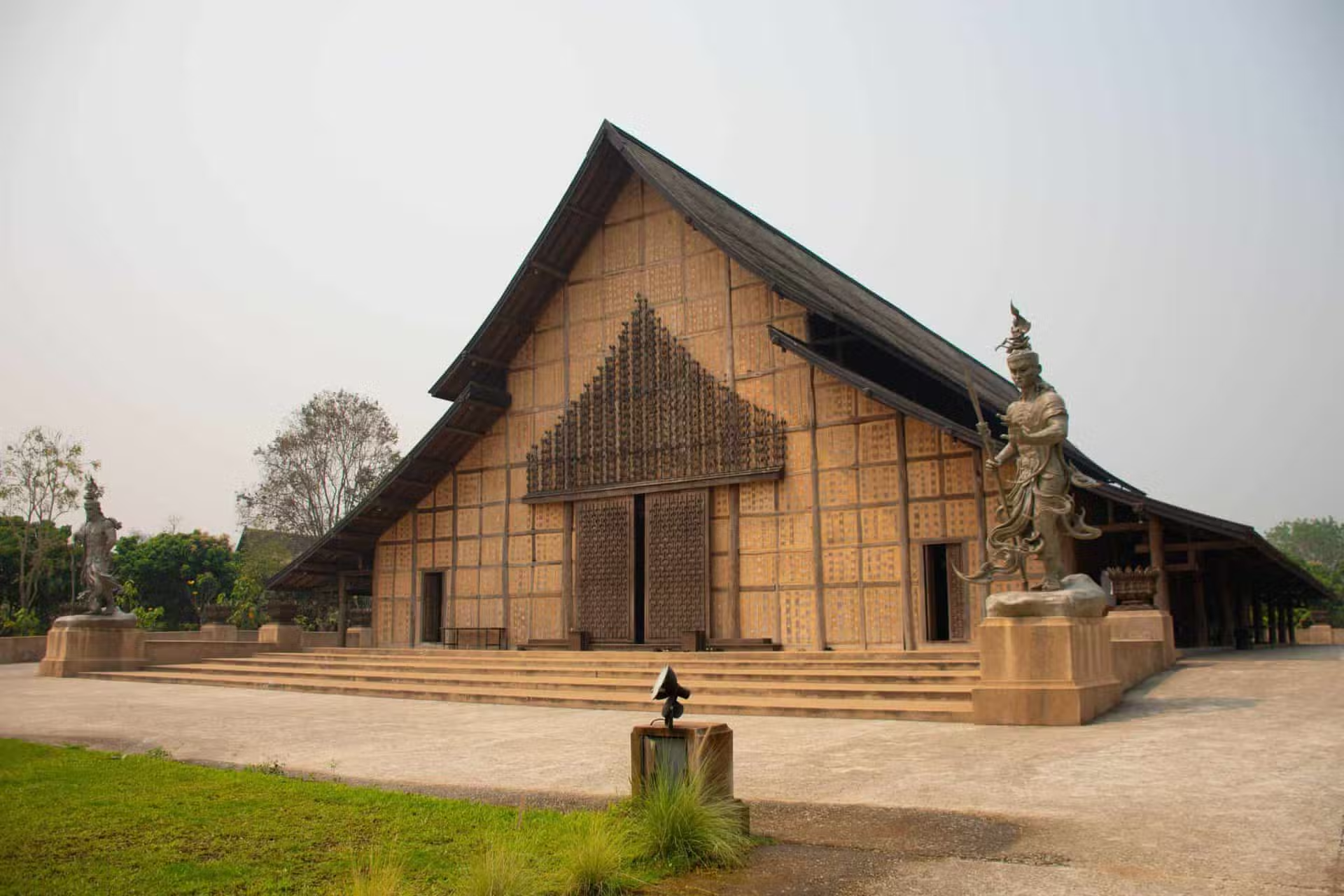
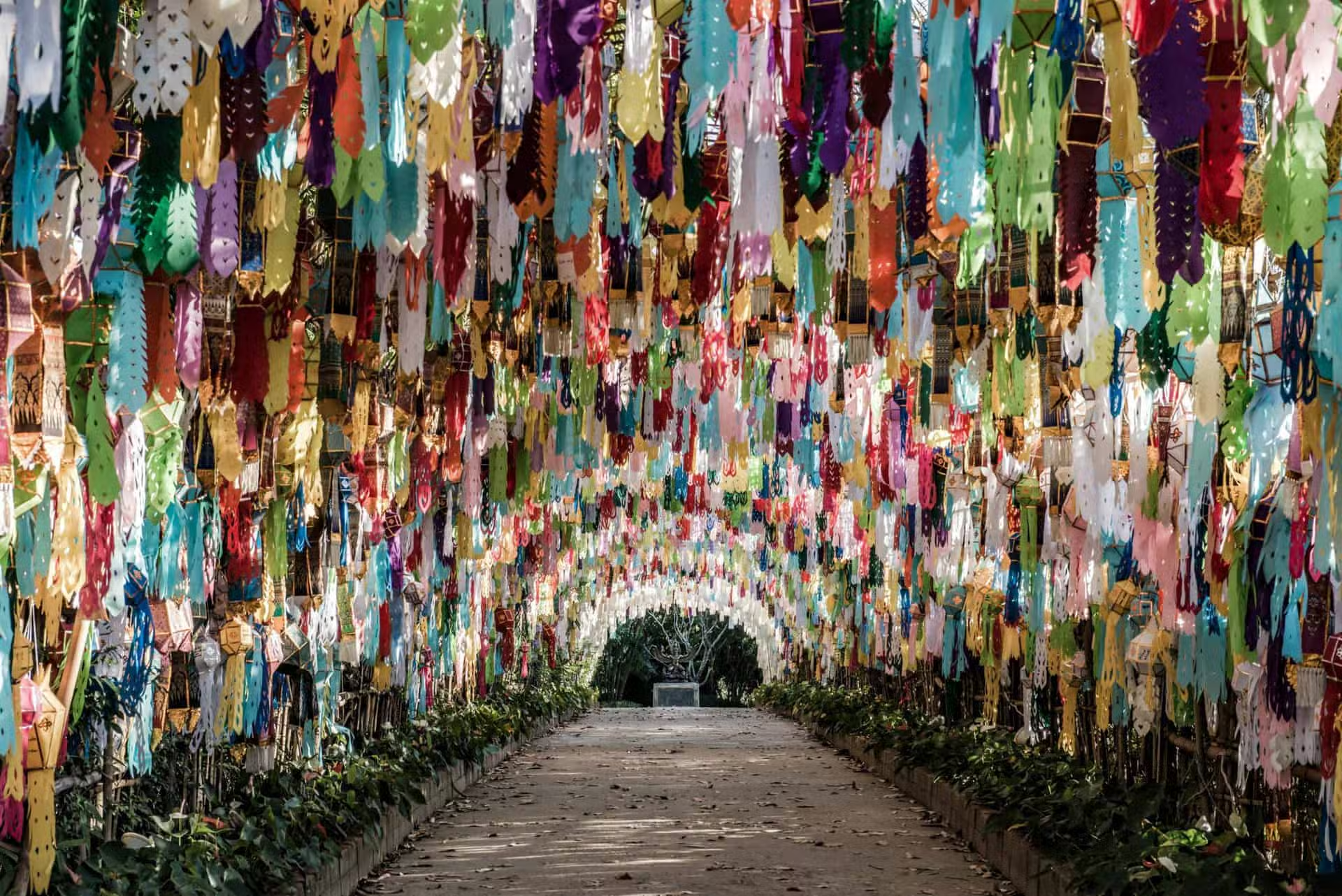
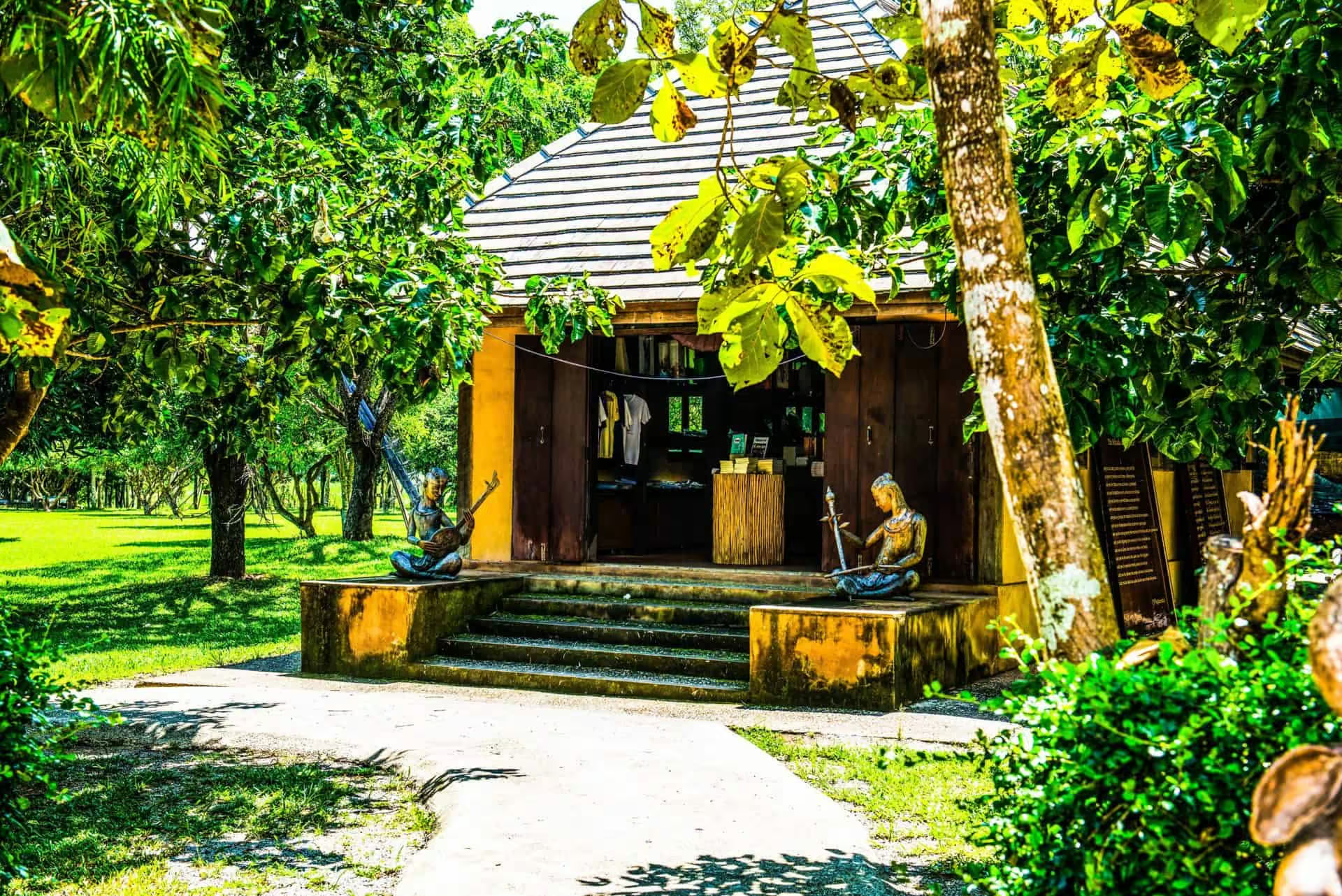
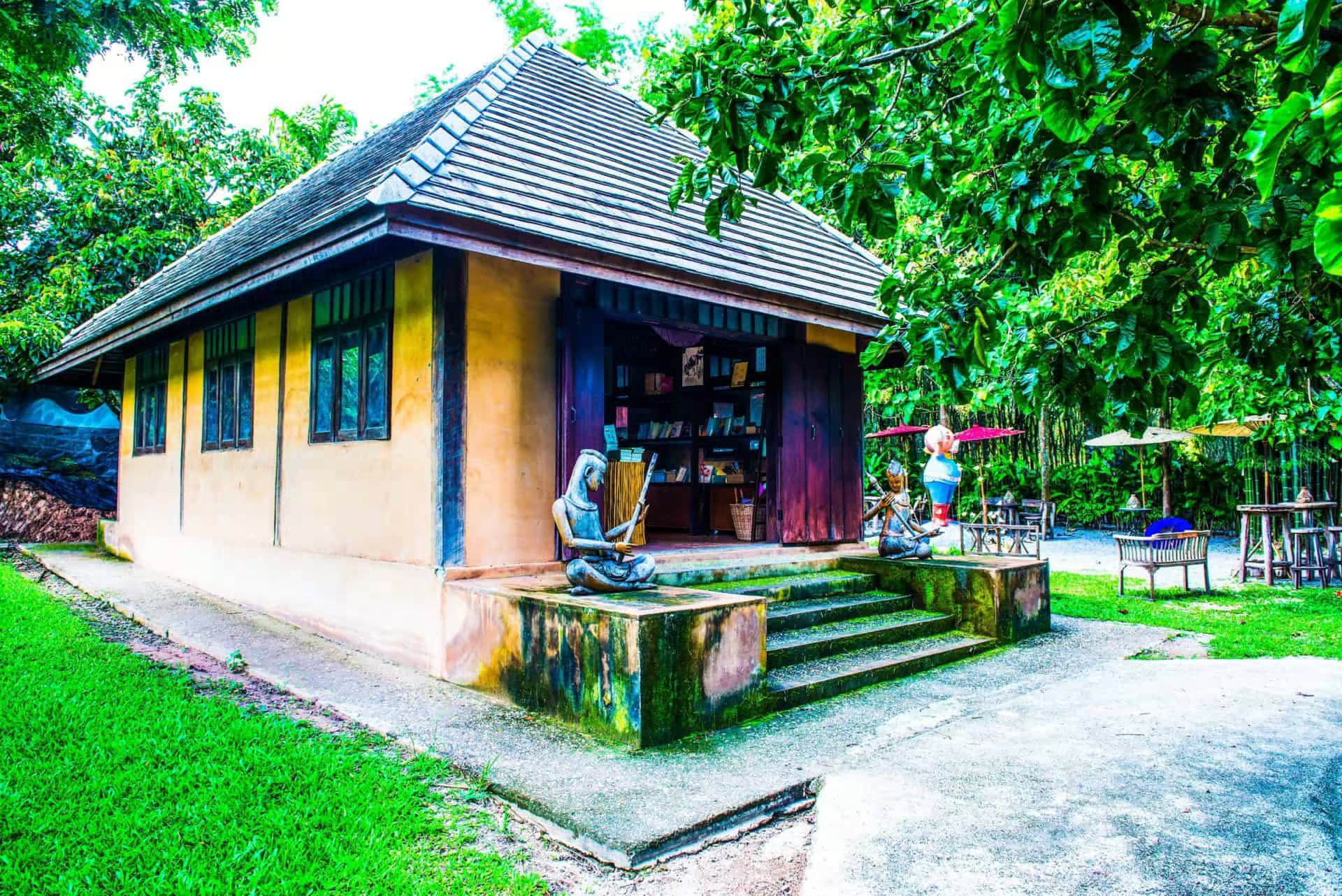
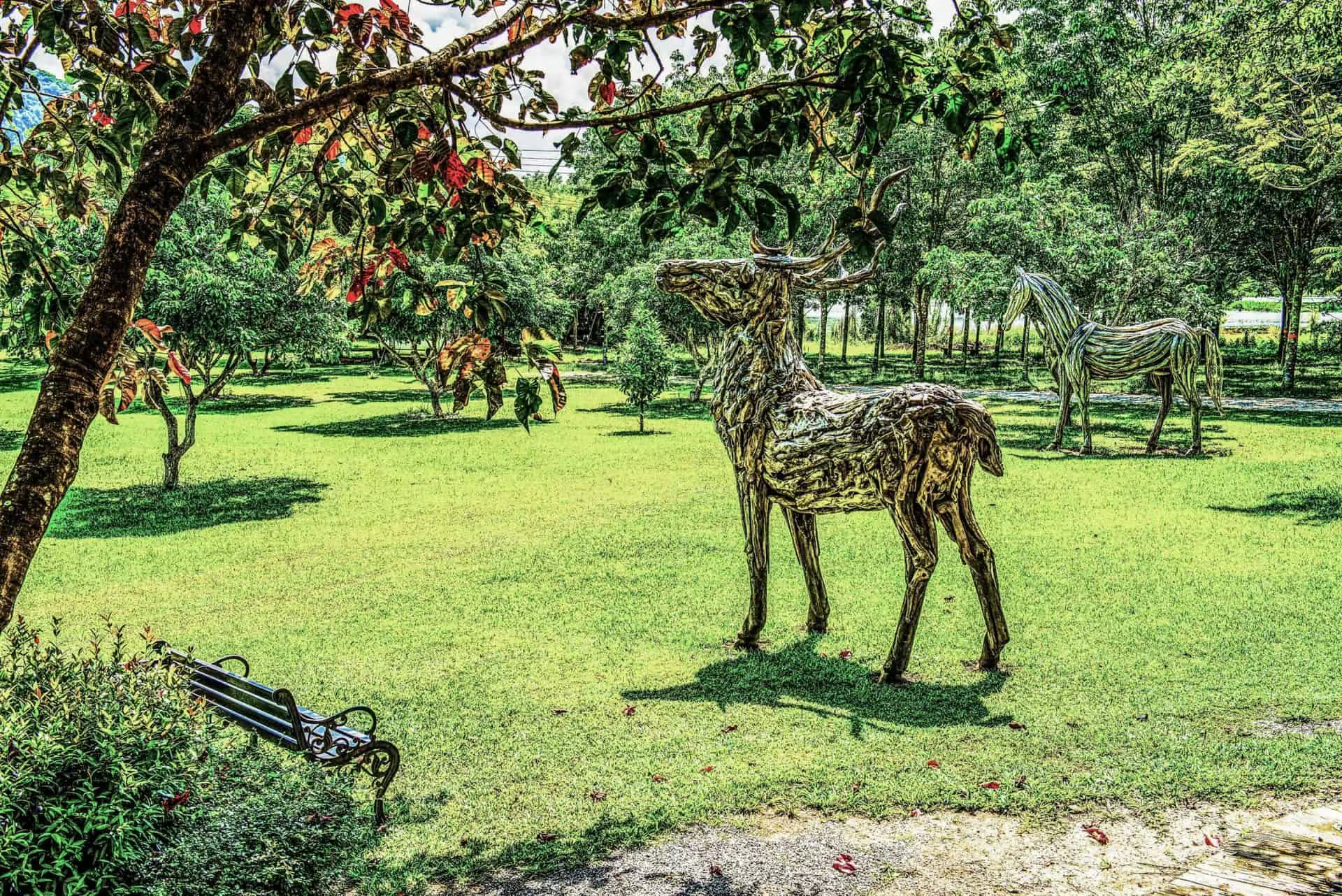
The setting combines gardens, trees, Buddhist imagery and spaces intended for quiet reflection. It offers a different experience from a densely built city temple: visitors can slow down, walk between the garden areas and pay attention to the messages and sculptures rather than rushing between photo stops.
The grounds are associated with the Huai Sak reservoir area outside Chiang Rai. Their appeal is the calm setting and the centre’s focus on applying Buddhist teaching to everyday life. Allow time to explore respectfully, while recognising that some spaces may be reserved for residents or scheduled activities.
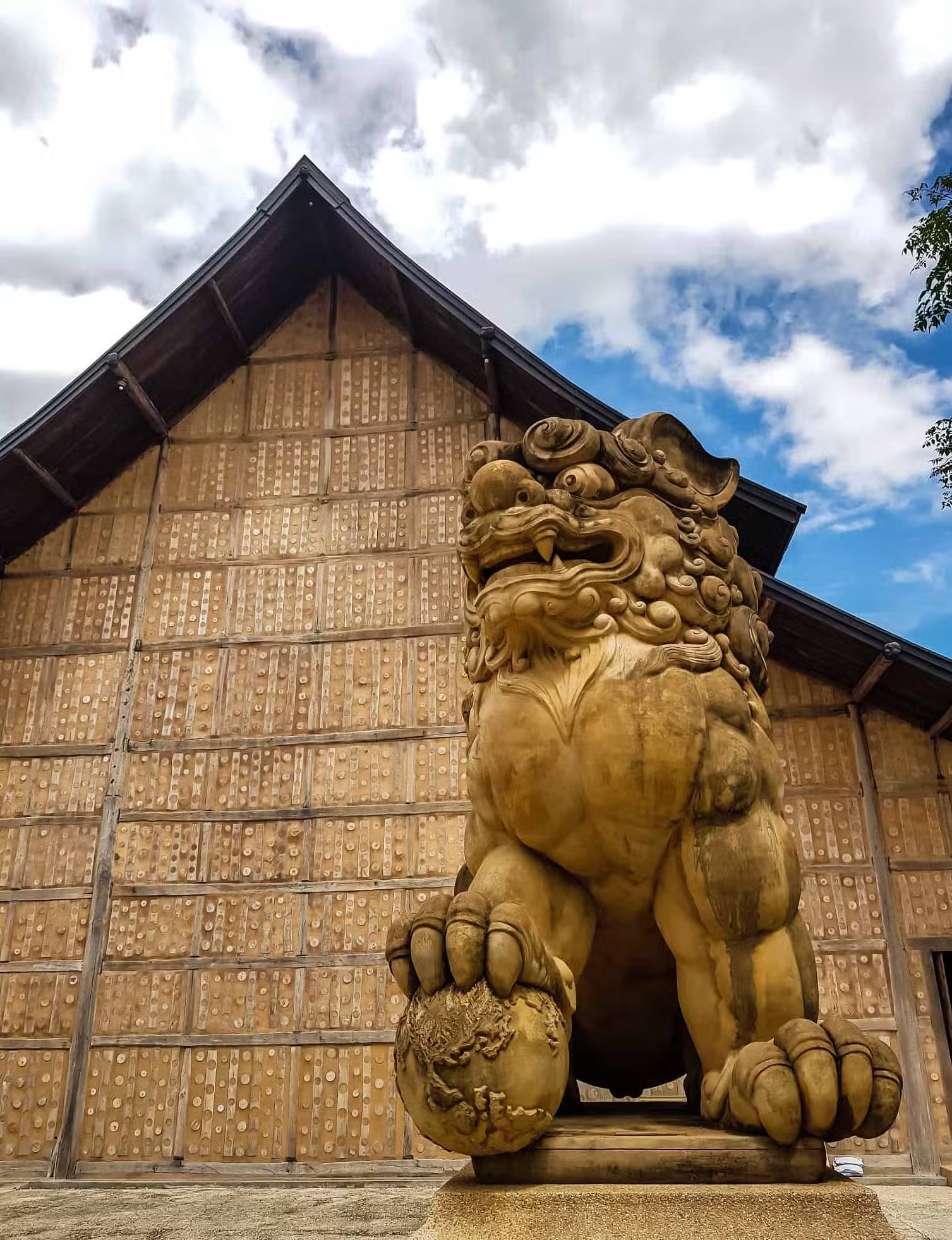
Artwork and teaching displays are best approached as part of the religious setting. Ask before photographing people, keep conversations quiet near practice areas and follow any signs restricting access. A peaceful garden is still part of an active temple.
Meditation and Buddhist Learning
The centre offers organised meditation and learning programmes for Thai and international participants. A formal retreat requires more preparation than a day visit: contact the centre about current dates, registration, language, accommodation and the expected daily routine before making travel arrangements.
Do not assume that arriving at the gate will provide an English-speaking teacher or a place on a course. Staff and monks have their own duties, and programmes can have attendance requirements or limited places. Explain your experience and what you hope to learn when enquiring.
For a shorter visit, the gardens and temple environment provide an opportunity for quiet reflection without committing to a residential retreat. Follow the directions for public areas and avoid interrupting a group that is practising.
Planning a Day Visit
Published visitor hours are 8am to 5pm daily. Arrive with time to walk around before closing, and check directly if a ceremony or organised programme is central to your visit. Access to individual buildings may differ from the general grounds timetable.
General visits to the grounds have been described as free, but programme costs, accommodation and any optional services should be confirmed separately. Donations are distinct from course registration, and a casual visitor should not infer that a residential retreat has no conditions or expenses.
A relaxed visit can take roughly one to two hours depending on how much time you spend in the gardens. The grounds are outdoors, so bring water and sun or rain protection. Visitors with mobility requirements should ask about the route and facilities they will need rather than assuming all garden areas offer the same access.
Temple Etiquette
Wear clothing that covers shoulders and knees, and remove shoes before entering spaces where this is required. Keep phones quiet and speak softly around meditation or worship. Ask staff if you are unsure whether a building is open to day visitors.
Follow the centre’s directions about photographing religious spaces or taking pictures with monks. Approach conversations courteously, and avoid expecting personal teaching or a photograph simply because a monk is present. Women should observe the usual temple convention of avoiding direct physical contact with monks.
If joining a retreat, request the programme’s own packing list and conduct rules. These may involve a more structured schedule than an ordinary sightseeing visit, so make sure the arrangements suit your expectations before registering.
Getting to Wat Rai Cherntawan
The temple’s published address is 217 Moo 25, Ban Mai San Pa Hiang, Huai Sak, Mueang Chiang Rai, Chiang Rai 57000. Use Wat Rai Cherntawan or Rai Cherntawan together with Huai Sak when searching maps, rather than looking for it in central Chiang Mai.
A private car or arranged driver is a practical option from Chiang Rai city. Agree on waiting time or a return pickup before leaving, because an out-of-city location may not offer the same immediate transport choice as a central temple.
Visitors travelling from Chiang Mai should treat it as part of a separate Chiang Rai journey, not a short city excursion. Check the route between this temple and any other planned stop, as attractions around Chiang Rai are spread out and straight-line map distances can be misleading.
Wat Rai Cherntawan FAQs
Is Wat Rai Cherntawan in Chiang Mai?
No. It is in Huai Sak in Mueang Chiang Rai district, outside Chiang Rai city. Visitors based in Chiang Mai should include it in a Chiang Rai journey rather than plan a short local temple visit.
Is it the same as Cherntawan International Meditation Centre?
Yes. The centre became a temple in 2025 and now uses the official name Wat Rai Cherntawan. Older listings can still refer to the meditation centre or Rai Cherntawan.
What are the visitor hours?
The published general hours are 8am to 5pm daily. Check directly for a particular ceremony, course or building, because general grounds access does not guarantee every activity is available.
Can you join a meditation retreat?
Contact the centre about current programmes, registration, language, accommodation and participation requirements. An international programme should not be assumed to accept walk-ins or operate in your preferred language without confirmation.
Is a day visit free?
General grounds visits have been described as free. Confirm any separate programme or accommodation costs, and distinguish optional donations from fees or requirements attached to a booked retreat.
What should you wear?
Cover shoulders and knees and remove shoes where directed. Quiet, respectful behaviour matters throughout the grounds, especially near people meditating or participating in worship.









Do You Have a Question to Ask?