



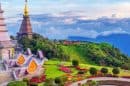


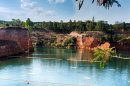





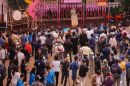





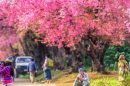
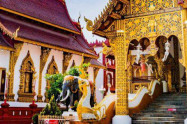

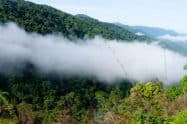
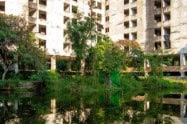



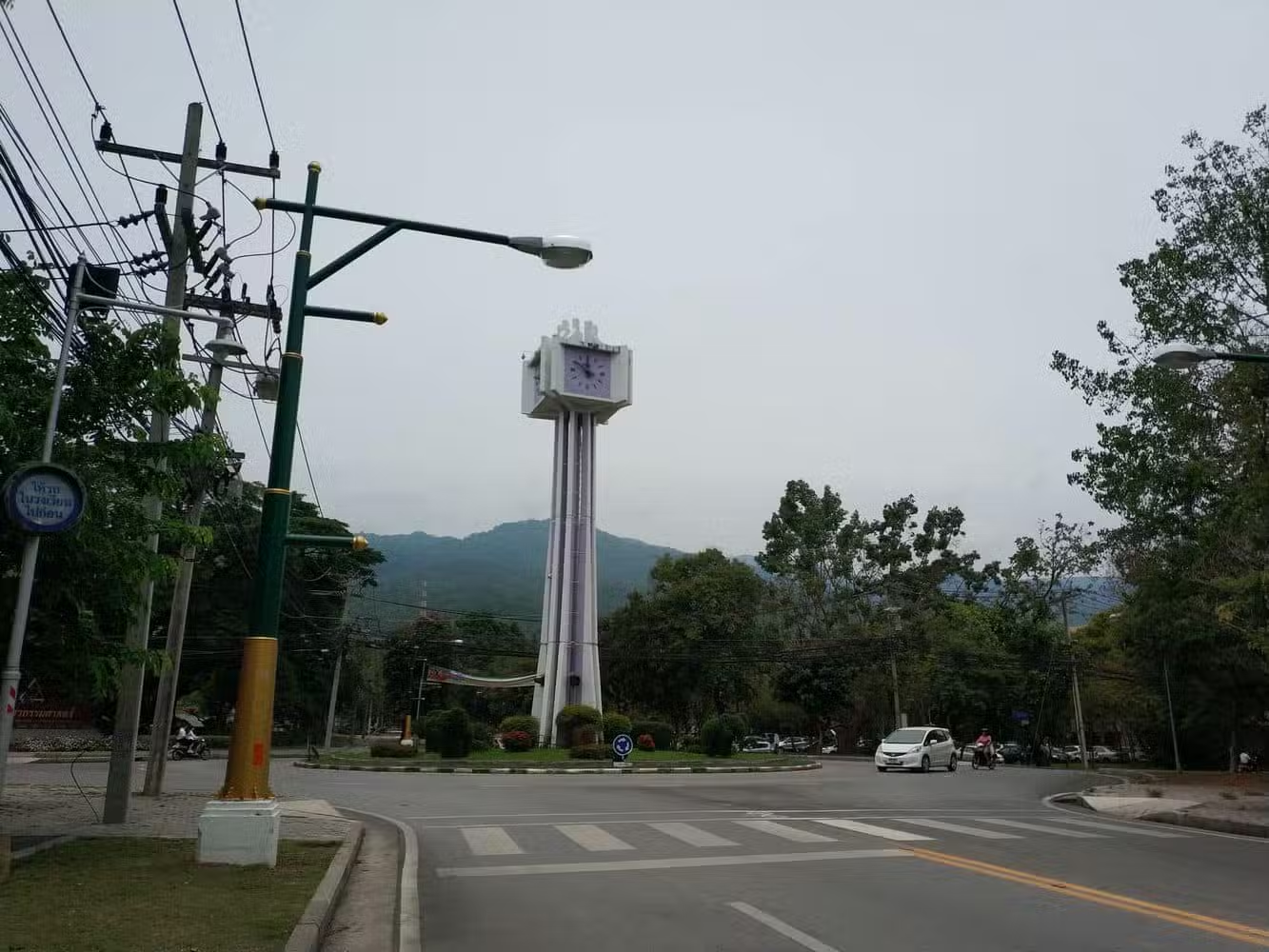
Chiang Mai University offers a leafy campus setting at the foot of Doi Suthep, with Ang Kaew Reservoir as its main draw for sightseeing visitors. The water, wooded edges and mountain backdrop provide a quieter change of pace from the Old City’s temples and markets. Around them, students, academic buildings and everyday university activity make clear that this is a working campus.
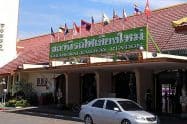
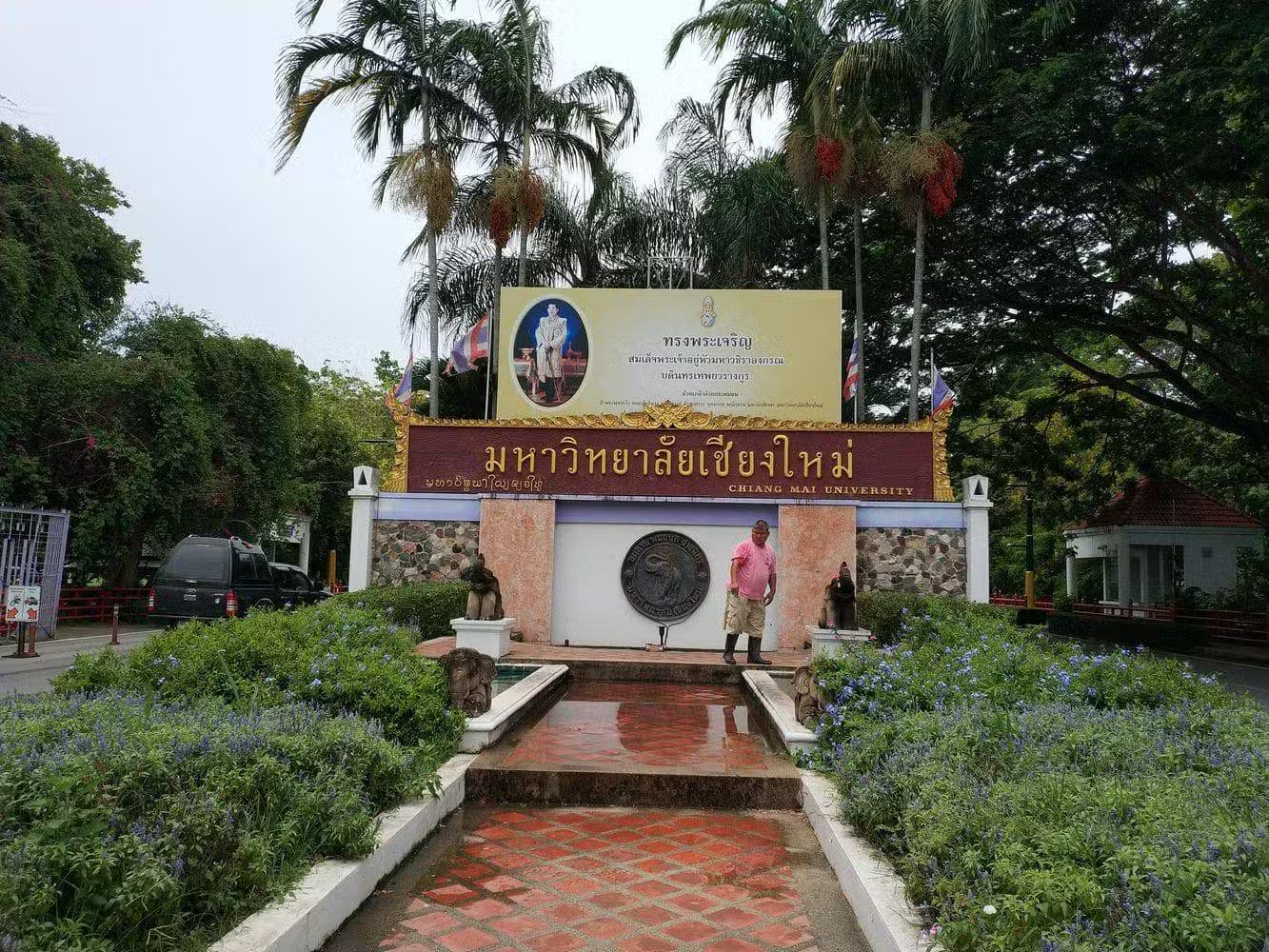
Most visitors will want the main Suan Sak campus on Huay Kaew Road. Start at the main entrance and follow the current visitor arrangements for reaching Ang Kaew or taking a campus sightseeing tour. Other university campuses serve different purposes and should not be treated as additional stops on one tourist circuit.
Ang Kaew and the main campus setting
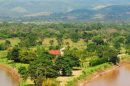
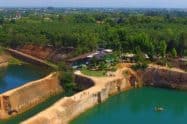
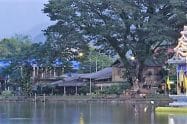
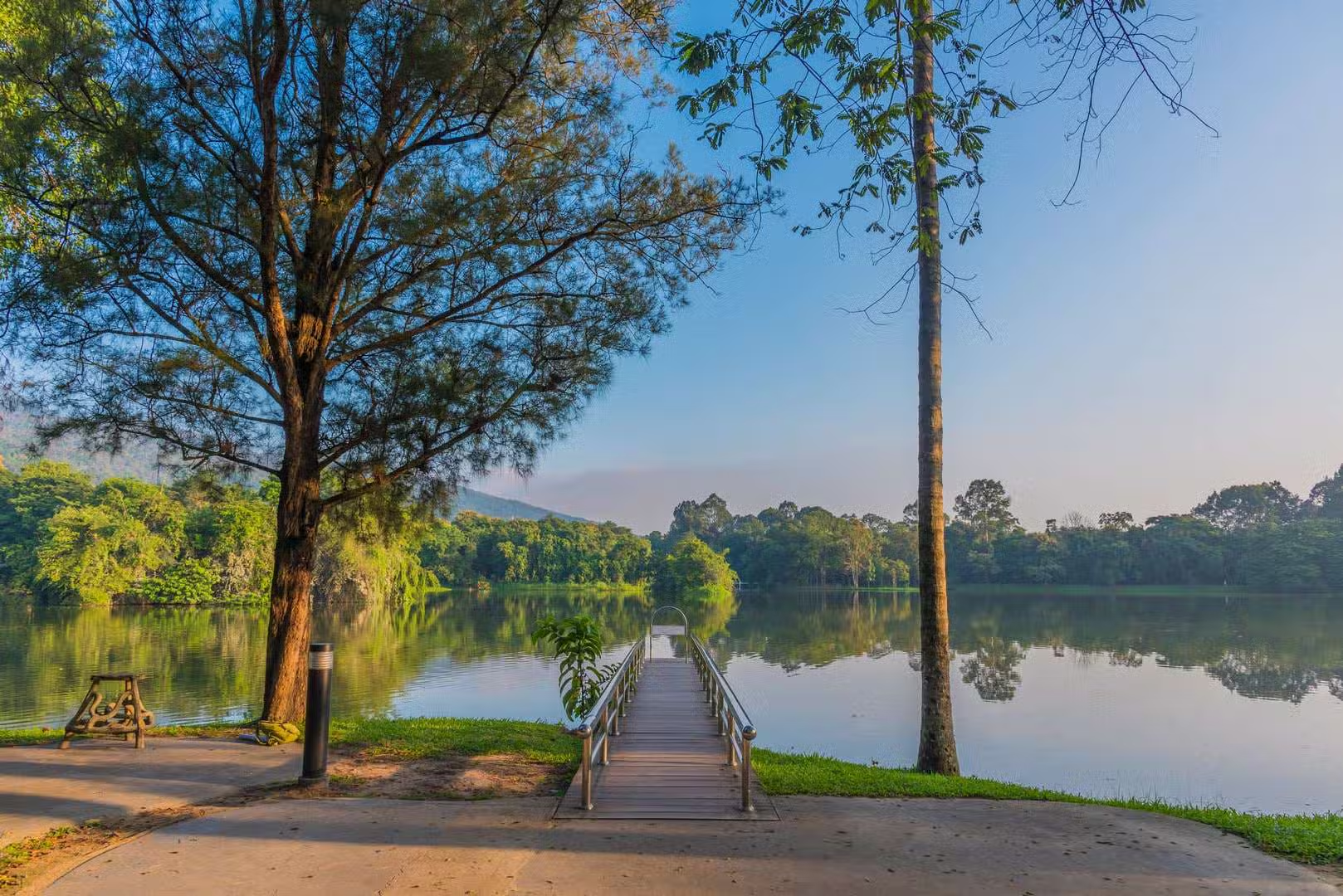
Ang Kaew was created to supply water to the university and has become one of its recognisable landscapes. Reflections across the reservoir, trees around the shore and views towards Doi Suthep give it an appeal that is different from an ornamental city park. Students use the surrounding area for recreation, while visitors come for photographs and a break from busy streets.
Enjoy the areas open to visitors without entering academic buildings or student residences. The amount of time available by the water may depend on your sightseeing arrangement, so ask whether your visit permits a longer walk or a scheduled photo stop. A campus tour is useful for an overview, but it may not offer the same freedom as an independent park visit.
Early or later daylight can be more comfortable than midday. Haze, cloud and rain affect the mountain view, so approach the reservoir as an attractive setting rather than a guaranteed clear panorama. Bring water and sun or rain protection if you expect to spend time outside.
Taking a sightseeing visit respectfully
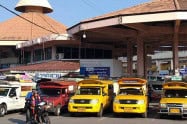
Tourist sightseeing trams are associated with the main entrance and campus visits. Ask the visitor staff about departures, the route, language options and the current fare before joining. Check how Ang Kaew fits into that route and how long you can stop there, especially if photography is the main reason for your visit.
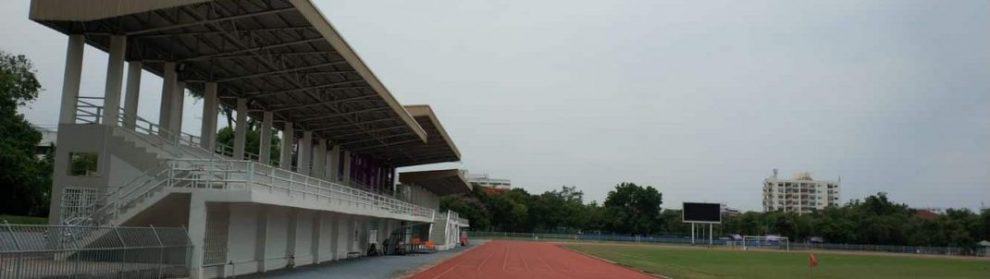
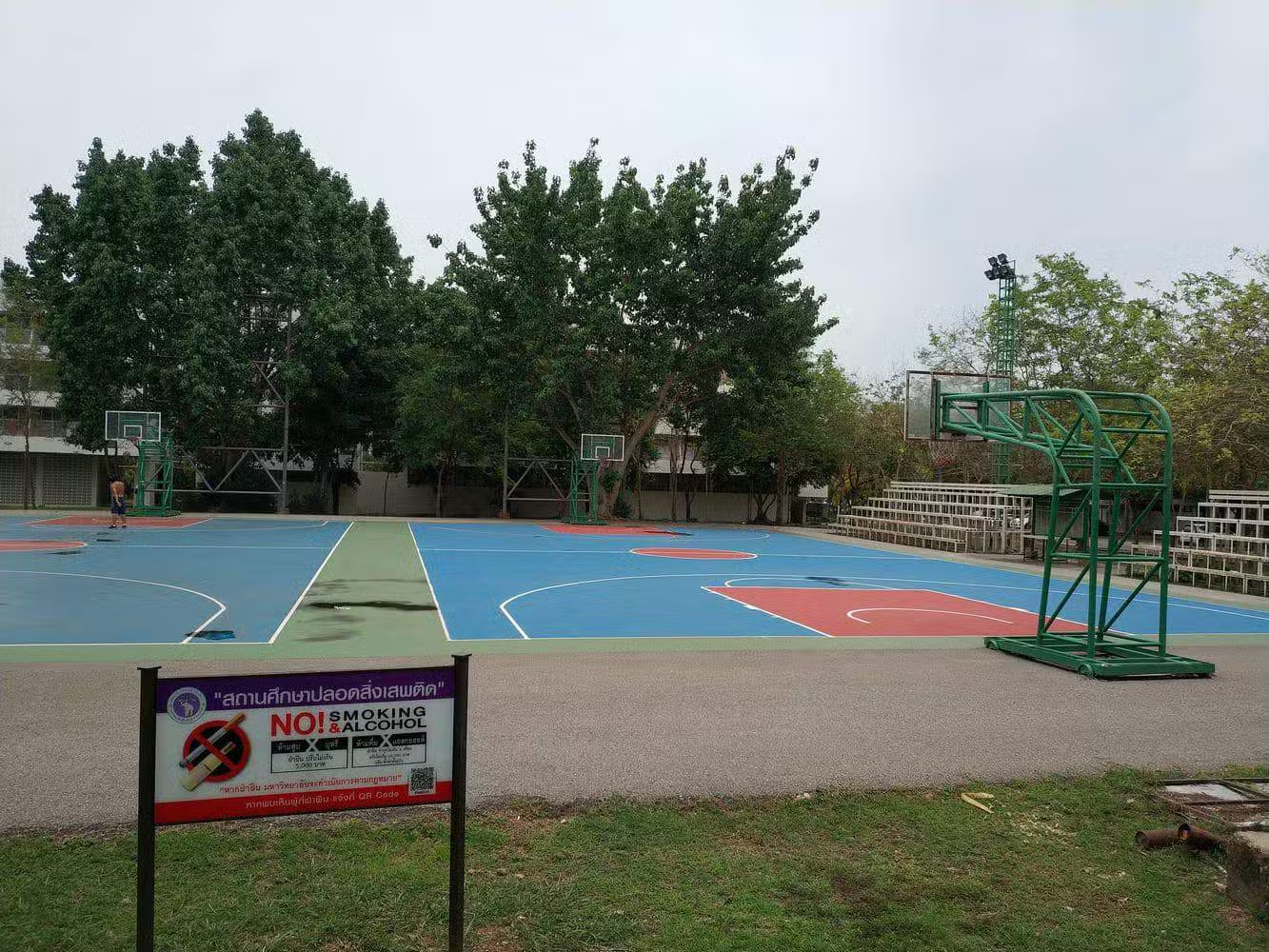
Campus access arrangements can differ between sightseeing tourists, invited visitors and members of the university. Follow gate staff’s instructions about the permitted route and means of travel. Do not assume that a tour booking grants access to classrooms, sports facilities, laboratories or every road on campus.
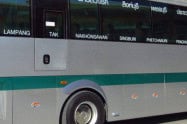
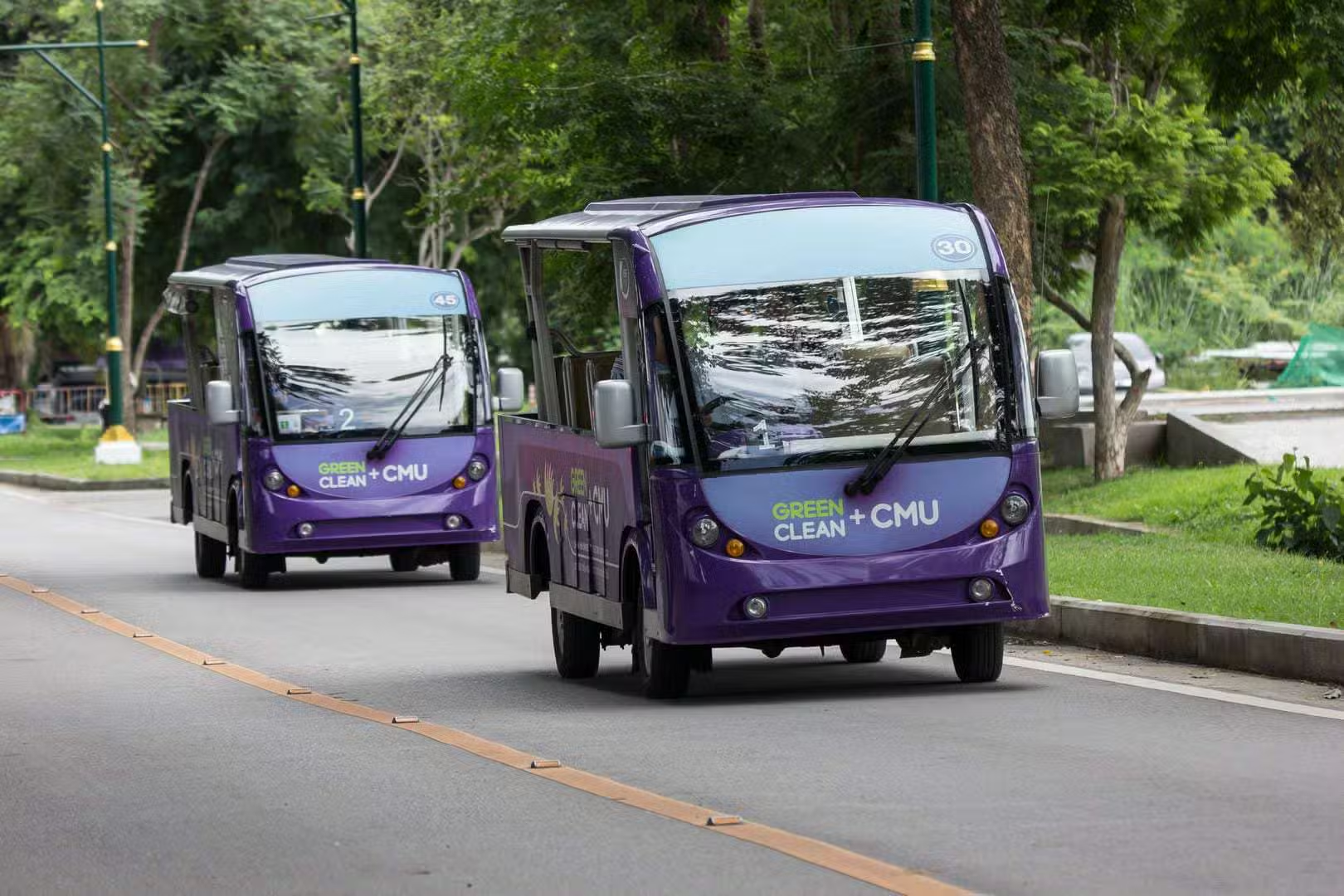
The university’s Purple Shuttle provides internal transport for students and staff. It connects campus locations and other university sites, but its published community service information should not be treated as a tourist sightseeing ticket. Ask staff which service you should use instead of boarding a vehicle simply because it passes your intended stop.
Understanding the different campuses
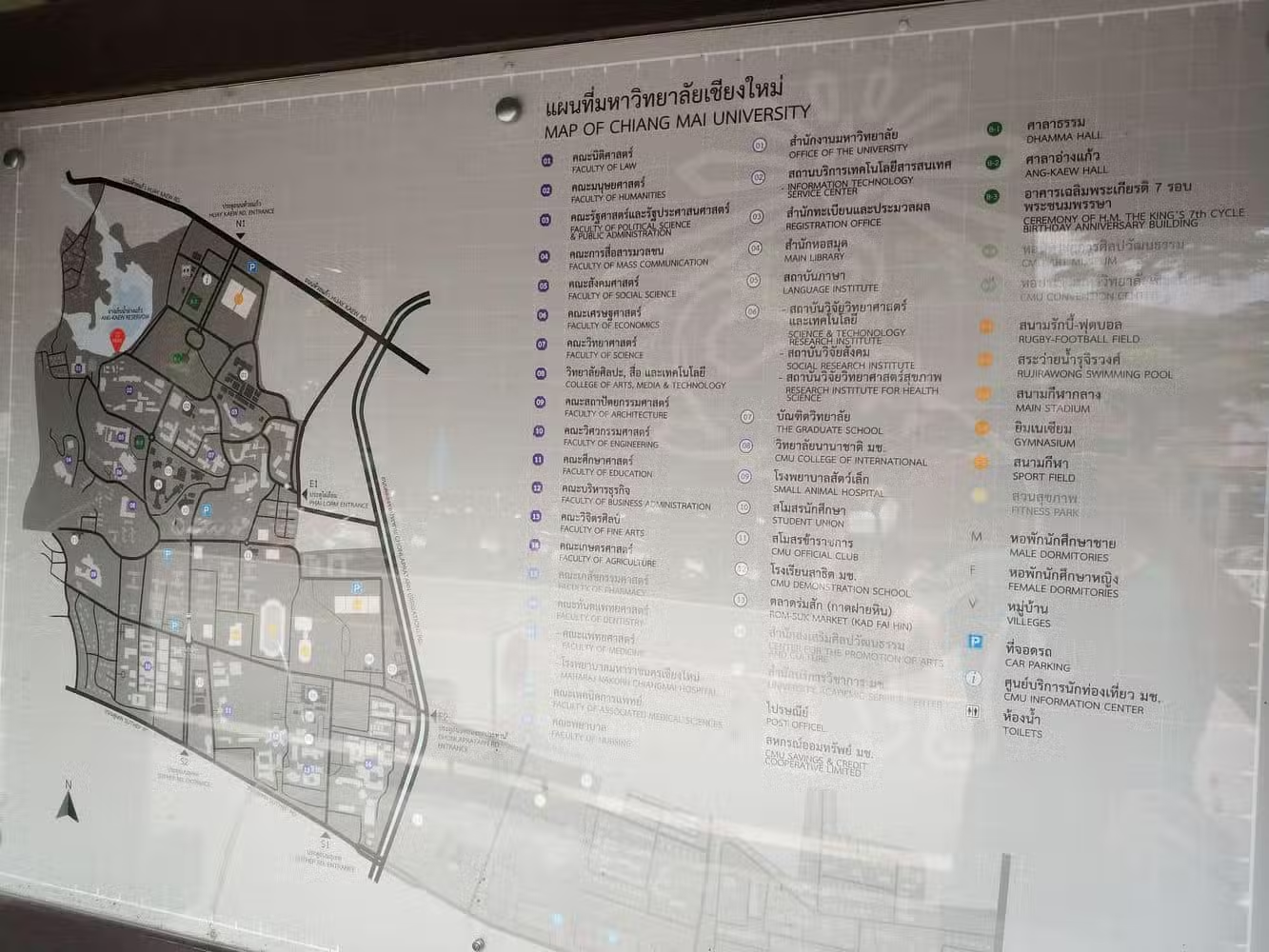
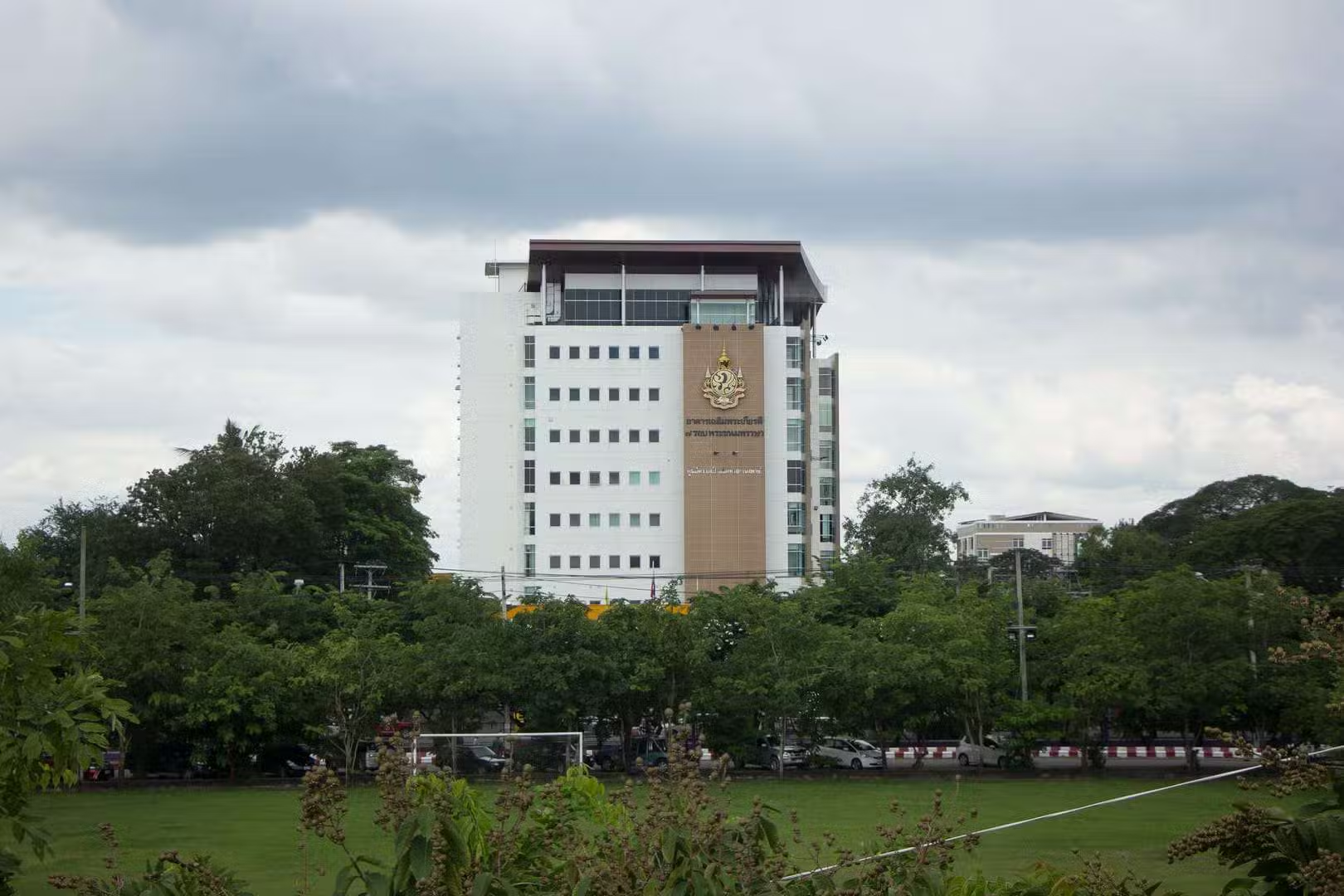
Founded in 1964, Chiang Mai University is a major public university in northern Thailand. Suan Sak is the main campus, with administrative and academic facilities spread across a substantial area. A short visit can show the setting, though it will not cover every faculty or building.
Suan Dok is associated with health sciences and Maharaj Nakorn Chiang Mai Hospital, while Mae Hia includes agricultural and veterinary facilities. The Lamphun site is another distinct university location. These are useful distinctions when arranging an academic appointment: confirm the exact campus and building rather than giving a driver only the university name.
For a sightseeing visit, there is little reason to try to cover all the campuses in one day. Concentrate on Suan Sak and Ang Kaew, then combine the outing with another stop in the Huay Kaew Road area if time permits. A separate university museum visit has its own entrance, opening and admission arrangements.
Getting there and planning your time
The main campus address is 239 Huay Kaew Road, Suthep, west of central Chiang Mai towards the foot of Doi Suthep. Ask a taxi, songthaew or app-booked driver for the university’s main entrance on Huay Kaew Road. This is more useful than being dropped at a general campus map pin when you need visitor information or the sightseeing boarding point.
Allow about an hour for a focused campus sightseeing visit, with extra time for waiting, travel and any permitted longer reservoir stop. Confirm the day’s visitor tour hours before travelling. A visit at the end of the day should leave enough time to complete the route and return to the entrance.
Wear comfortable shoes and keep paths clear for people going to classes or work. Visitors with limited mobility should ask about boarding the sightseeing vehicle, the reservoir stop and any steps or uneven ground on the intended route. Arrange the return pickup at an agreed location, particularly if travelling onward towards Doi Suthep.
Chiang Mai University FAQs
What is the main reason to visit?
Ang Kaew Reservoir and the leafy Suan Sak campus offer water views and a mountain backdrop. A sightseeing tour provides an overview of the setting while respecting the university’s working environment.
Can tourists explore everywhere independently?
Follow the current instructions at the main entrance about tourist routes and transport. Academic buildings, residences and other facilities are not automatically open because the campus appears on a sightseeing itinerary.
Is the visit free?
Check the fare for any tourist sightseeing tram or booked tour before joining. Do not assume that the university’s free internal student and staff shuttle is the same product as a tourist campus tour.
Which entrance should I use?
For the main sightseeing visit, start at the Suan Sak campus entrance on Huay Kaew Road. Confirm a different campus or building address if you are attending an appointment rather than visiting Ang Kaew.
How long should I allow?
About an hour suits a focused sightseeing visit, with extra time for queues and transport. Ask how long the reservoir stop lasts if you want to spend more time photographing or walking there.
Are the other campuses part of the tour?
Suan Dok, Mae Hia and the Lamphun site are separate university locations. A main-campus sightseeing visit does not automatically include them or their specialised facilities.

Do You Have a Question to Ask?