
























Chiang Saen National Museum gives context to the Buddha images, ruined temples and older settlement remains around Chiang Saen. Its collections bring together archaeology and Lanna art, making it a useful place to visit before or after exploring the historic town beside the Mekong.
This is a compact museum rather than a large all-day attraction. The value is in comparing objects and understanding the places they came from: a carved fragment, inscription or image can help you see more in a nearby temple ruin than its surviving walls alone would explain.
Looking closely at Lanna Buddhist art
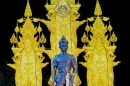
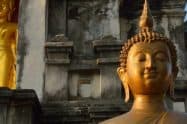
Buddha images are a major part of the museum’s appeal. Compare faces, body proportions, robes and posture instead of treating the statues as interchangeable. Their differences help illustrate the variety of artistic traditions represented in northern Thailand and the way religious images were made and used.
Architectural fragments add another perspective. Stucco decoration associated with local temple sites shows how buildings that now appear as brick remains once carried more elaborate surfaces. Look for patterns, figures and the relationship between a decorative fragment and the structure described in its label.
Reading the findspot and date information is useful here. Objects associated with Chiang Saen or another local site give you a link to an actual place in the surrounding landscape, while broader regional examples help explain the artistic context. The distinction makes a museum-and-temple visit more rewarding than simply searching for the oldest object in a case.
Archaeology, inscriptions and everyday objects
The collections also introduce settlement before the best-known Lanna monuments. Stone tools and other archaeological material place the town’s religious history within a longer story of human activity in the region. Follow the dates and explanations on the displays rather than assuming every object belongs to the same period as the historic city walls.
Ceramics and other everyday material show a different side of that story from the Buddha images. Look at their form, surface and practical purpose, and compare what survives from ordinary use with the more formal objects associated with temples. Small objects can be just as informative as a prominent sculpture.
Inscribed stone provides evidence of language, religious patronage and the circumstances in which monuments or land were dedicated. Even if you cannot read the original script, the accompanying explanation can help connect an inscription with the people and institutions of its time.
The museum also places the area within the cultural diversity of northern Thailand, including communities such as Tai Yuan, Tai Lue, Akha and Mien. Approach the displays as introductions to distinct histories and traditions, rather than treating every group as a single undifferentiated northern culture.
Connecting the collection with Chiang Saen
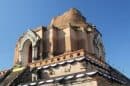
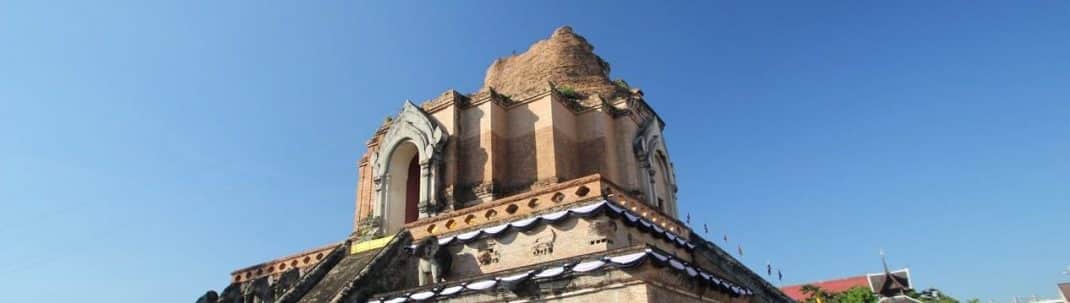
Wat Chedi Luang and other historic remains in town are useful companions to the museum. Seeing the collection first can make carved details and the scale of surviving temple structures easier to interpret; visiting afterwards can help answer questions raised during a walk around the ruins.
Do not assume museum admission includes every archaeological site. Some places have their own entry arrangements, and opening a map of the historic town is different from booking a guided route. Choose a small number of sites and leave enough time to read what is available at each one.
Chiang Saen is in Chiang Rai province, separate from Chiang Mai. If you are travelling from Chiang Mai, account for the longer road journey and plan this as part of a wider northern itinerary. From accommodation in Chiang Saen, the museum fits more easily into a walk or short local drive around town.
Hours, admission and visitor preparation
The usual opening pattern is Wednesday to Sunday, with Monday and Tuesday closed. Plan a daytime visit and allow roughly an hour for the galleries, with longer if you enjoy reading the displays. Holiday and temporary arrangements may differ.
Published foreign admission is 100 baht. Thai admission and any exemptions follow the museum ticket tariff. Keep this ticket separate from the entry arrangements of other historic sites on your route.
The official contact address is 702 Moo 3, Wiang, Chiang Saen, Chiang Rai 57150. The museum’s phone is 053 777 102, and its current listed email is nm_chieangsan@finearts.go.th. Use those details for questions about access, group visits or facilities that affect your plans.
Check photography signs and avoid flash where prohibited. Leave bags and equipment clear of display cases, and ask about physical access if steps or circulation space matter to you. A compact building does not automatically mean every visitor route will meet your requirements.
Chiang Saen National Museum FAQs
What are the main things to see?
The collection includes Lanna Buddha images, architectural decoration, inscriptions, ceramics and archaeological material. Comparing styles and reading where objects were found helps connect the displays with Chiang Saen’s surviving historic sites.
When is the museum open?
The usual pattern is Wednesday to Sunday, with Monday and Tuesday closed. Choose a daytime visit and check holiday arrangements if the galleries are the main reason for your journey.
How much is admission?
Foreign admission is published at 100 baht. Thai admission and concessions follow the museum tariff; nearby monuments may have separate entry arrangements.
How long should I spend there?
Around an hour is a practical starting allowance for a compact visit. Leave longer if you want to compare the Buddhist art, read the archaeological explanations or use the museum to prepare for nearby temple stops.
Is Chiang Saen National Museum in Chiang Mai?
No. It is in Chiang Saen, Chiang Rai province, beside the historic town’s temple remains. Include the longer road journey if starting from Chiang Mai, or visit while staying in the Chiang Saen area.



Do You Have a Question to Ask?