


















































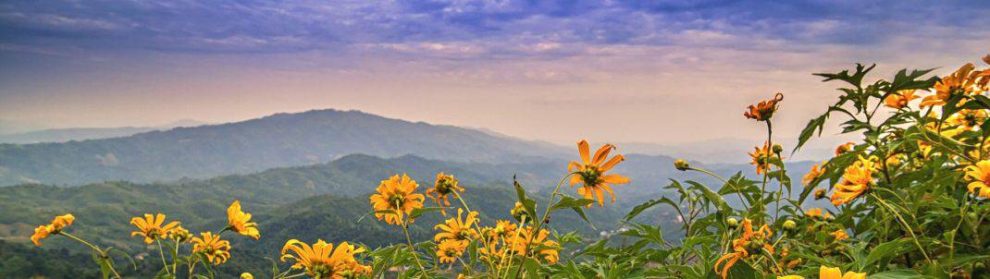
Doi Hua Mae Kham is a highland area near the Thai-Myanmar border in Mae Fa Luang district, Chiang Rai. Its mountain views, villages and seasonal yellow bua tong flowers reward a carefully planned journey beyond the province’s better-known city attractions.
The area is especially associated with November, when Mexican sunflowers can brighten the hillsides. Outside the bloom, the appeal shifts towards the mountain landscape and a quieter look at the surrounding communities. It is a remote outing from Chiang Rai rather than a short excursion from Chiang Mai.
Yellow Flowers and Mountain Views
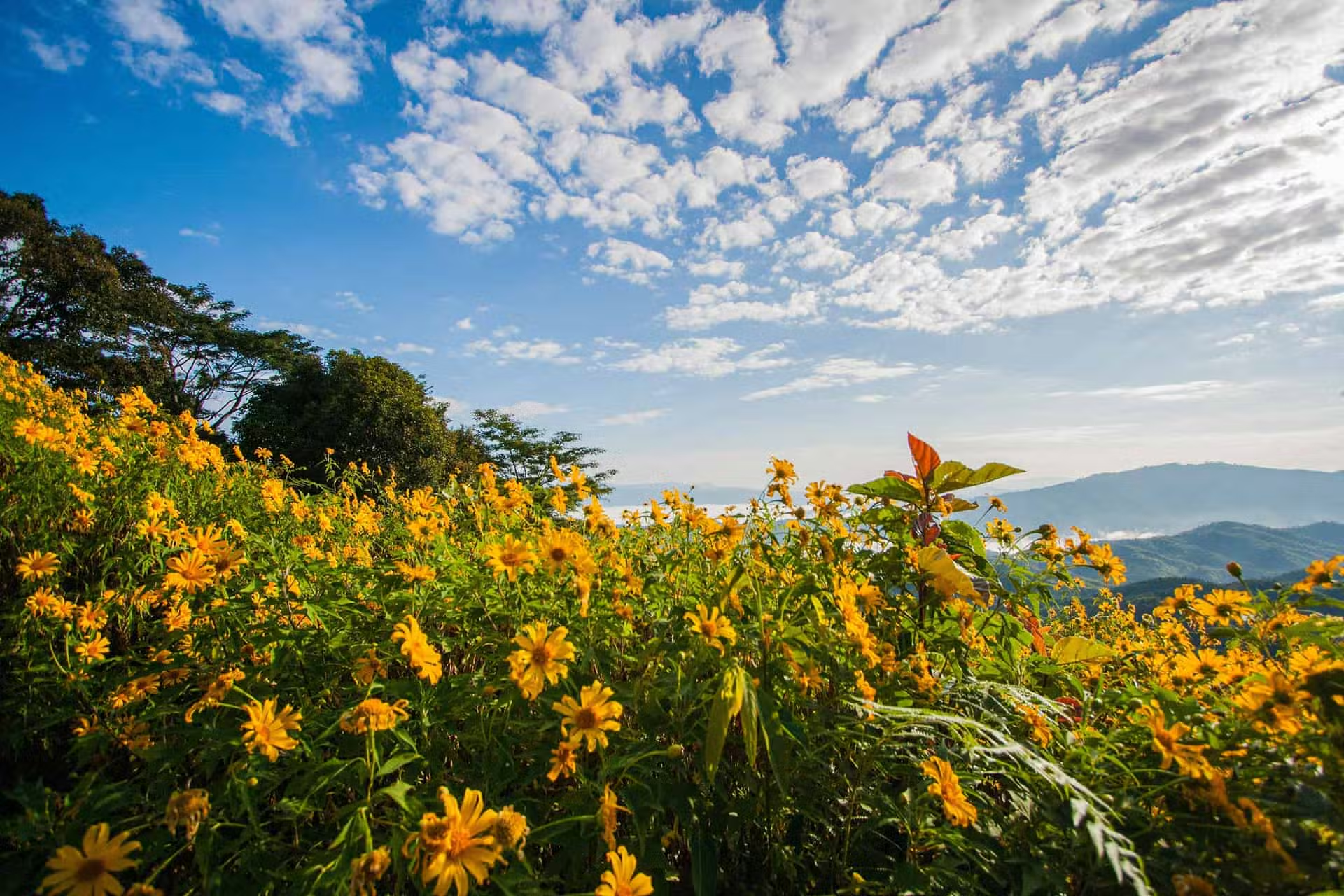
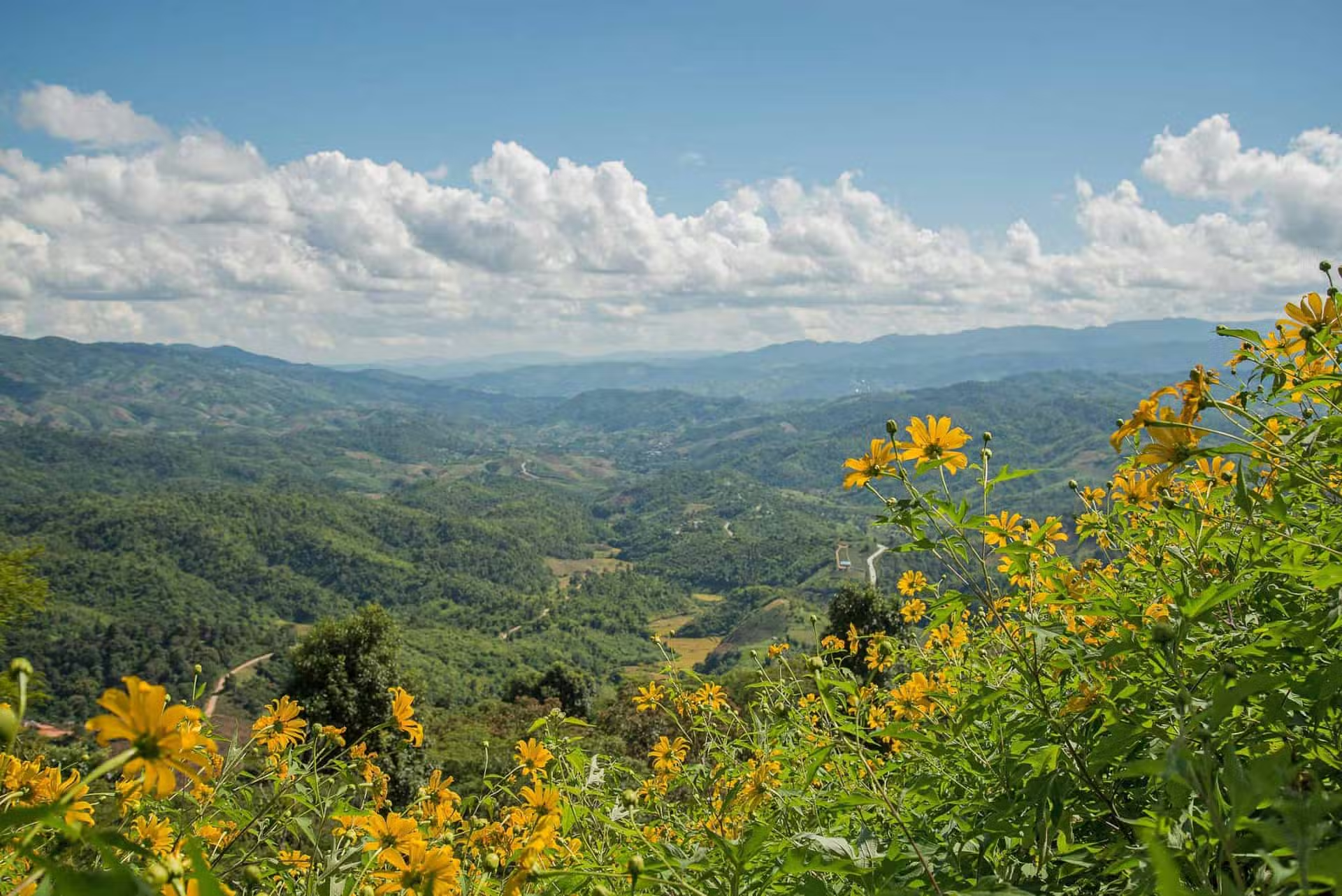
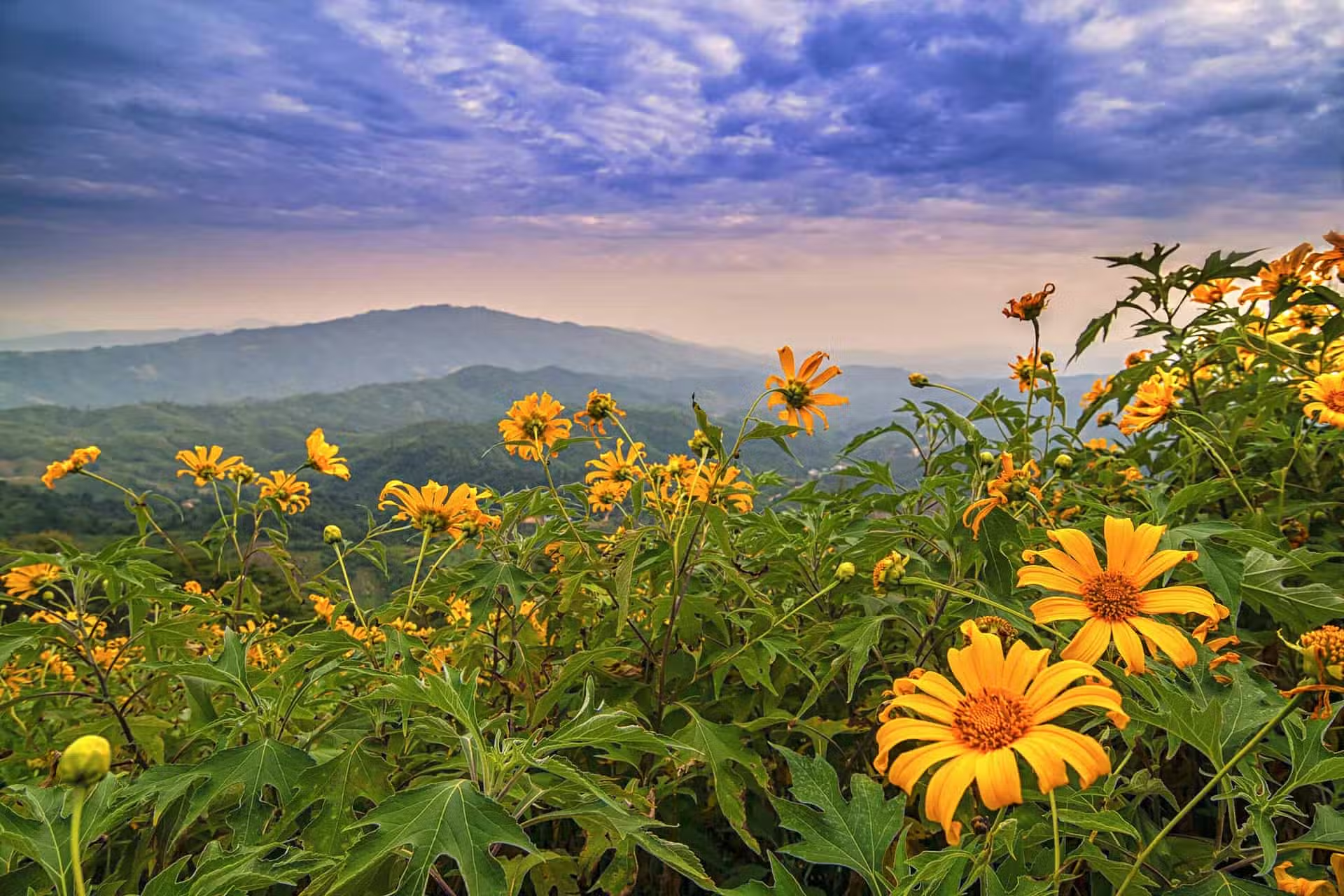
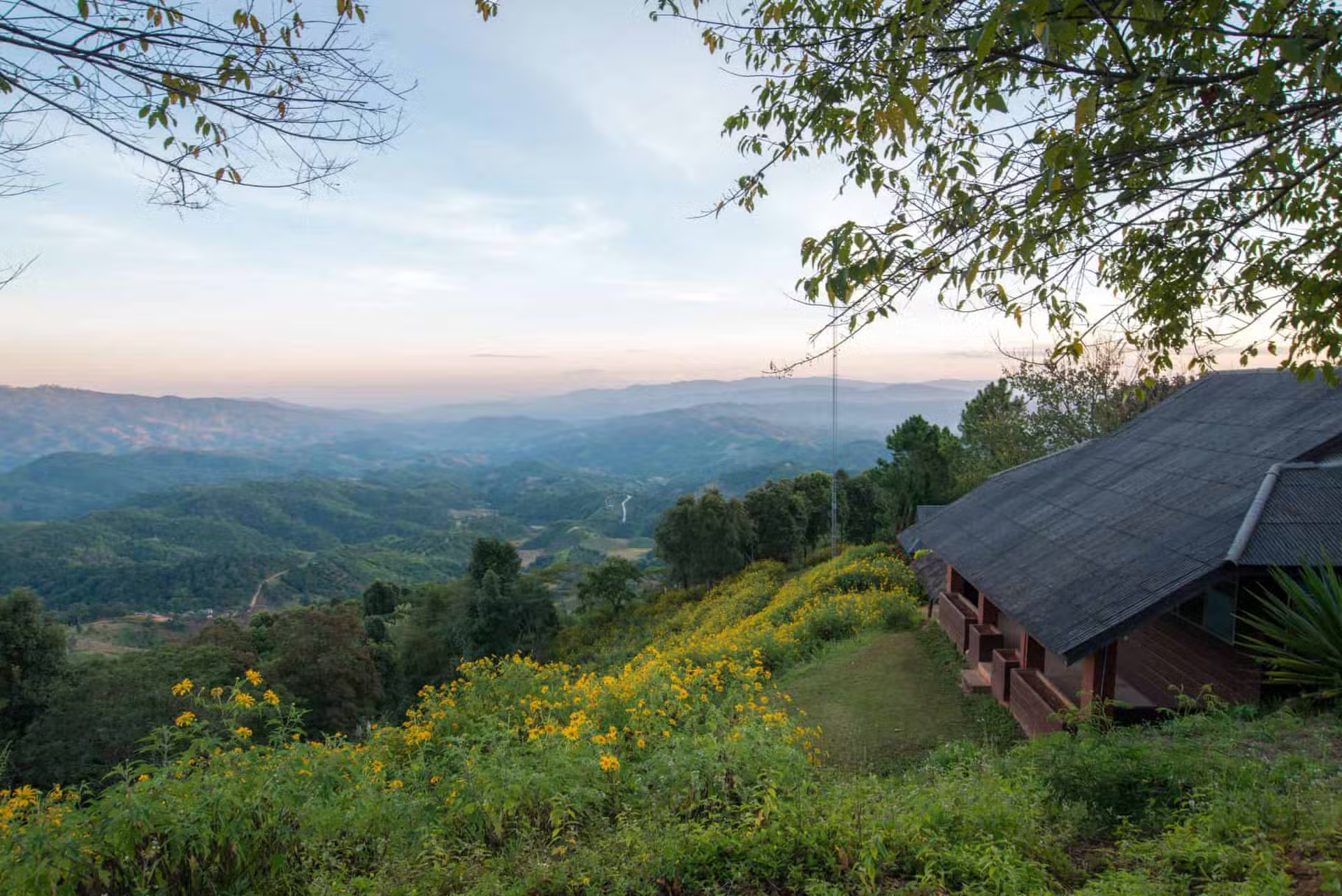
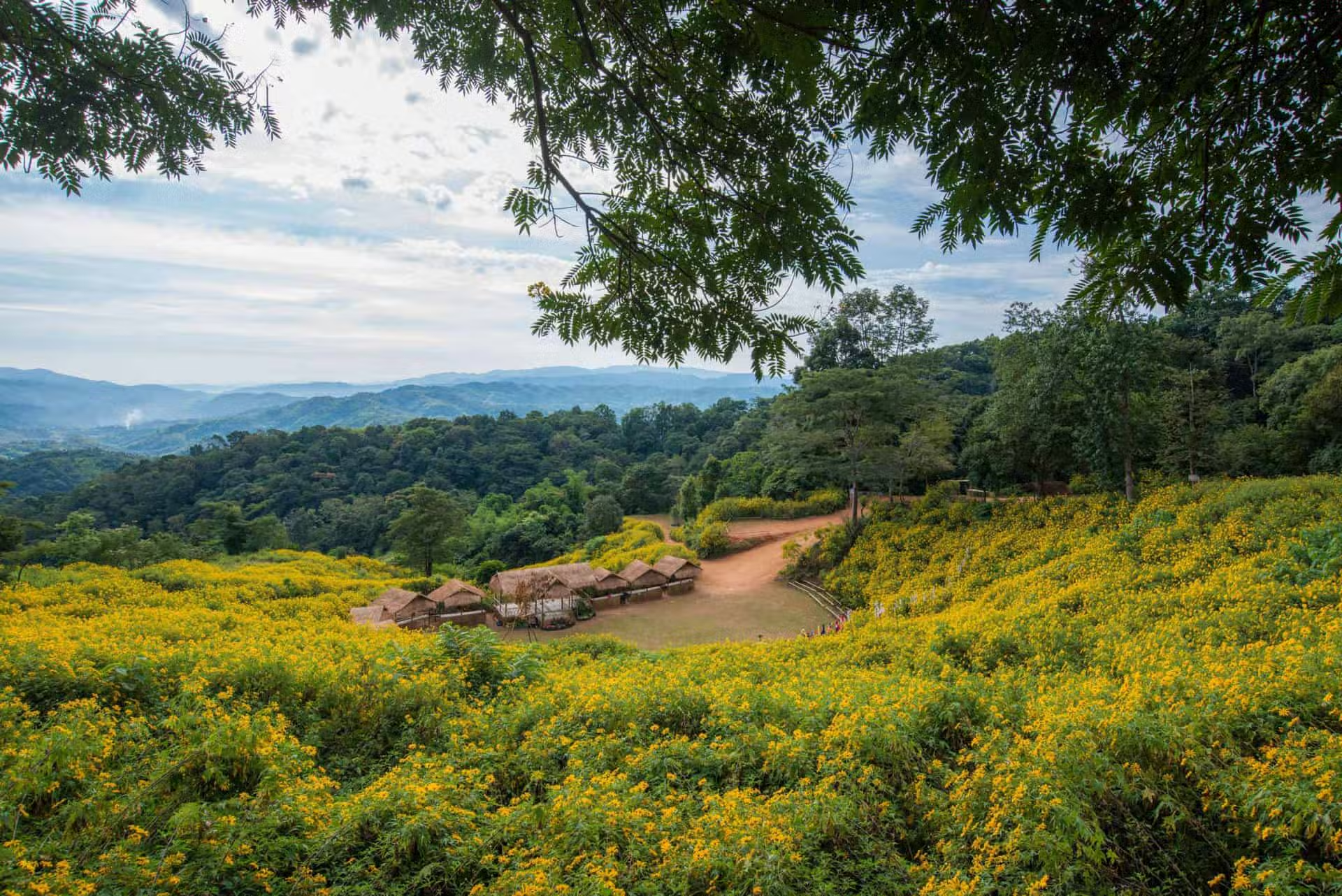
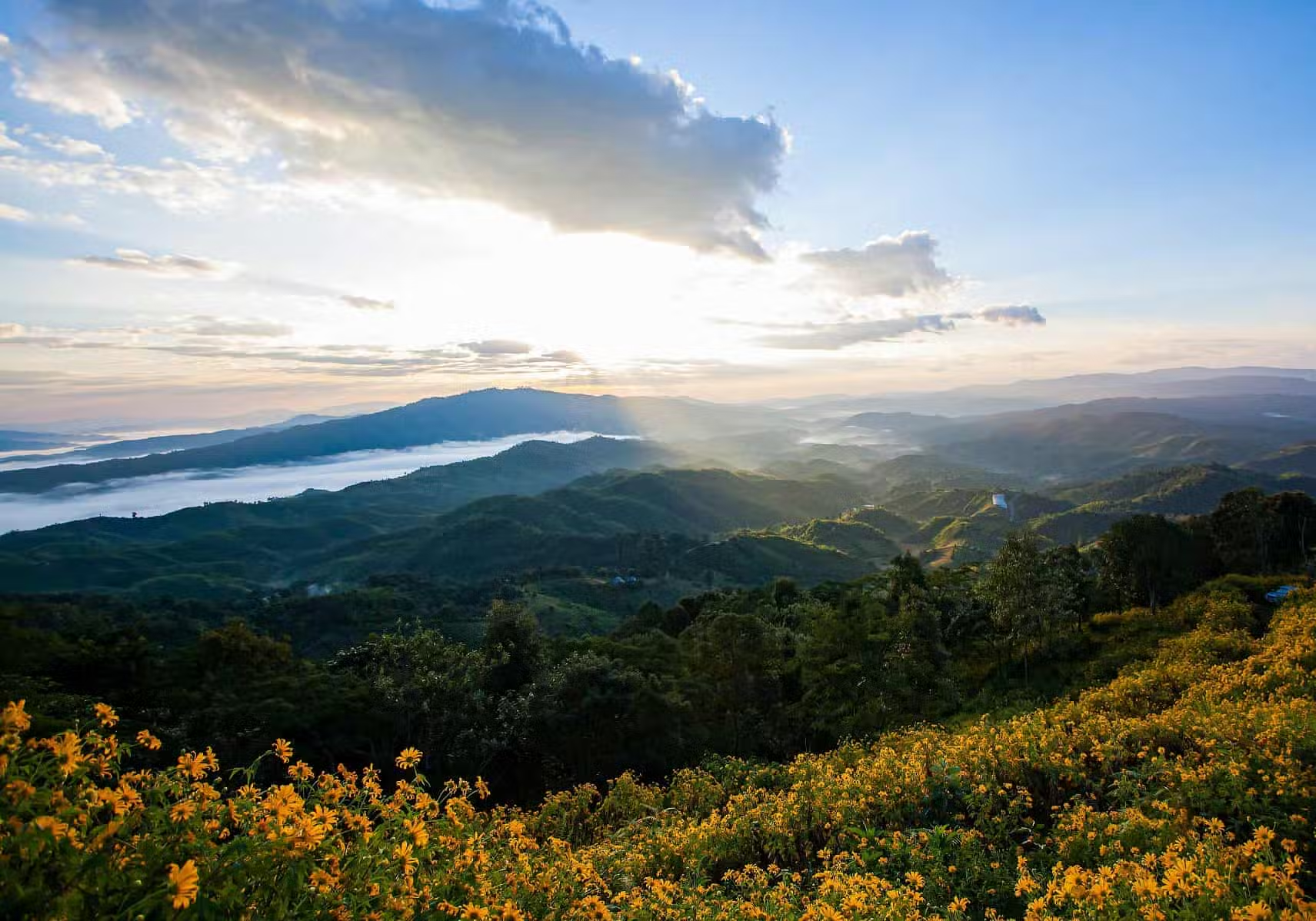
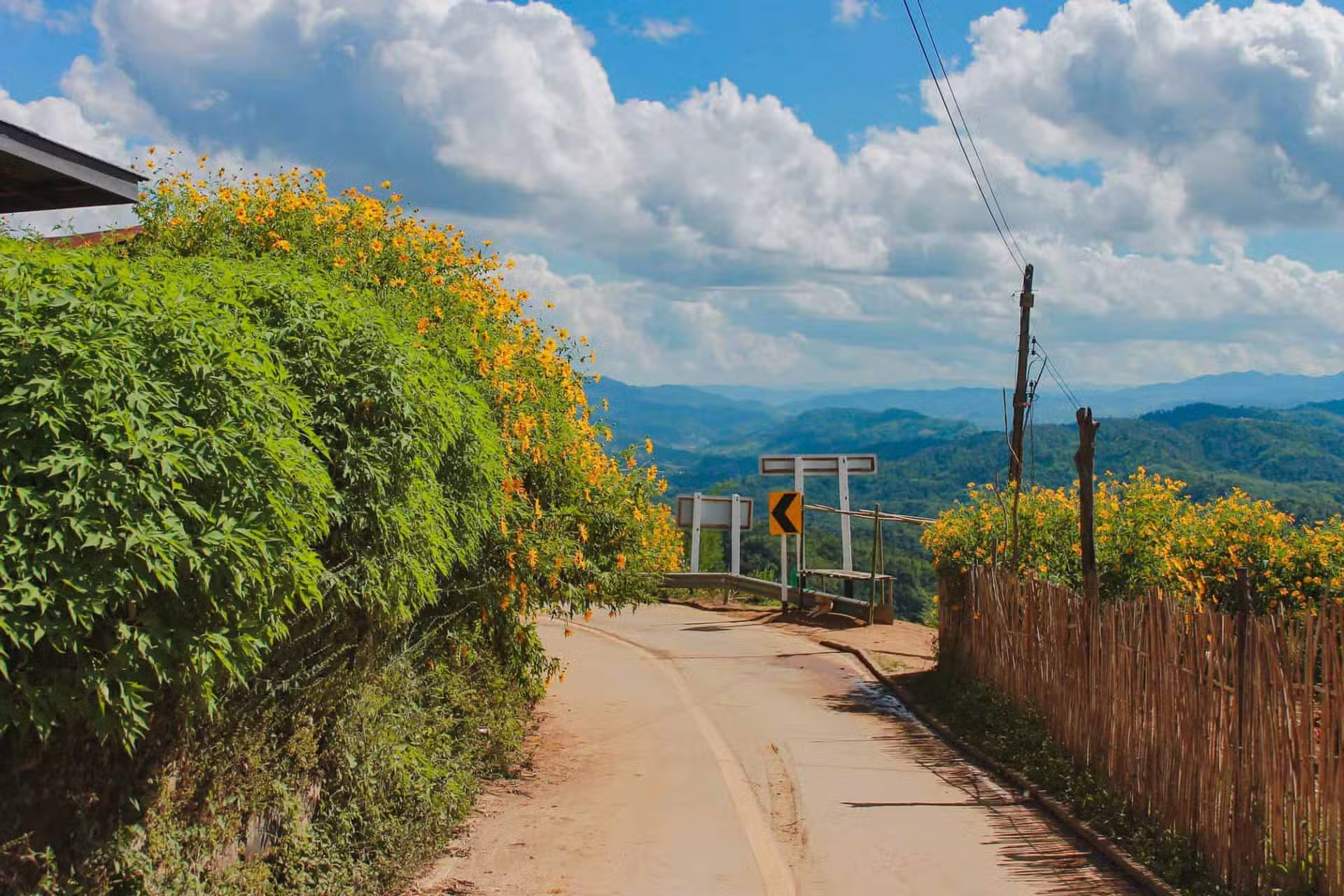
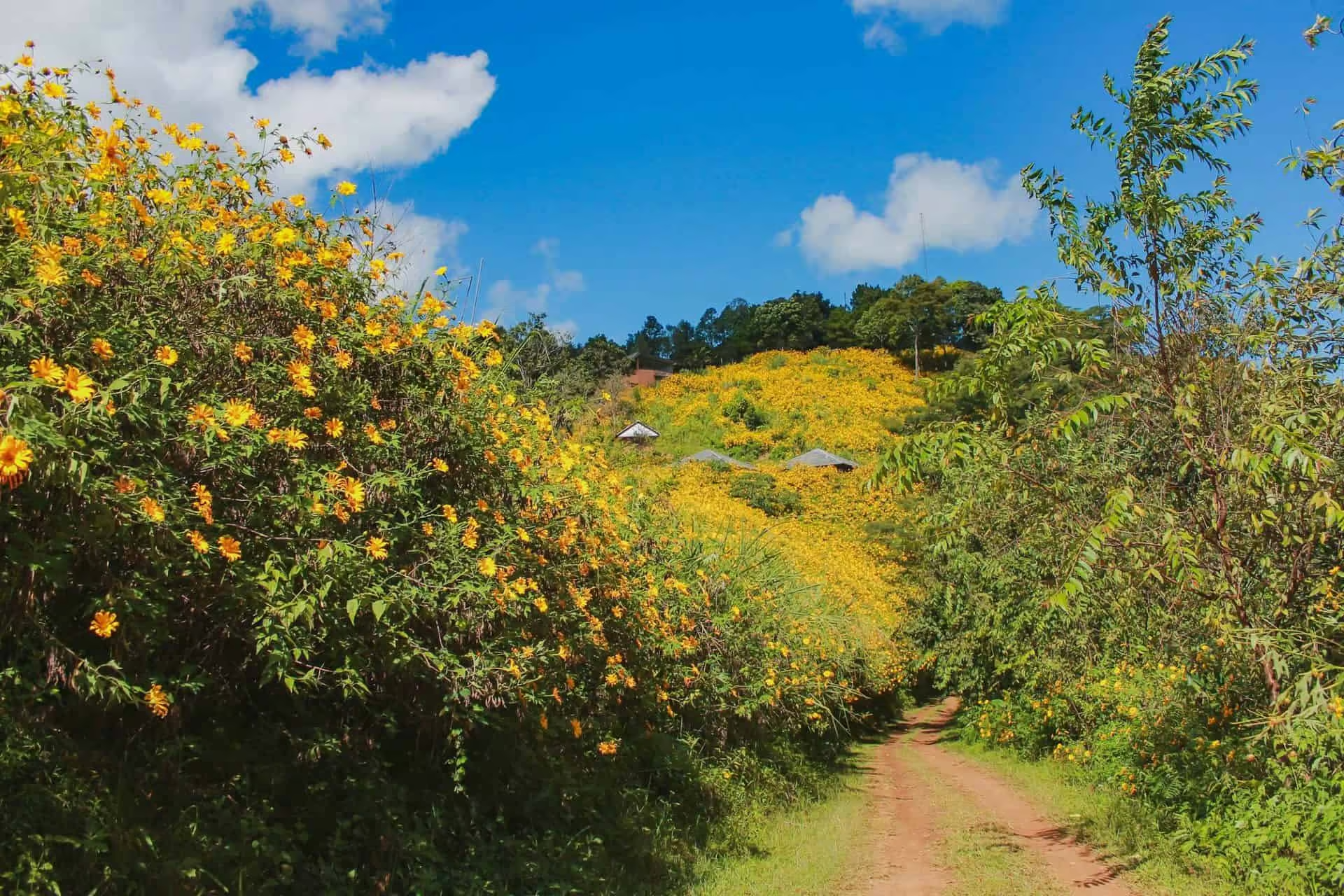
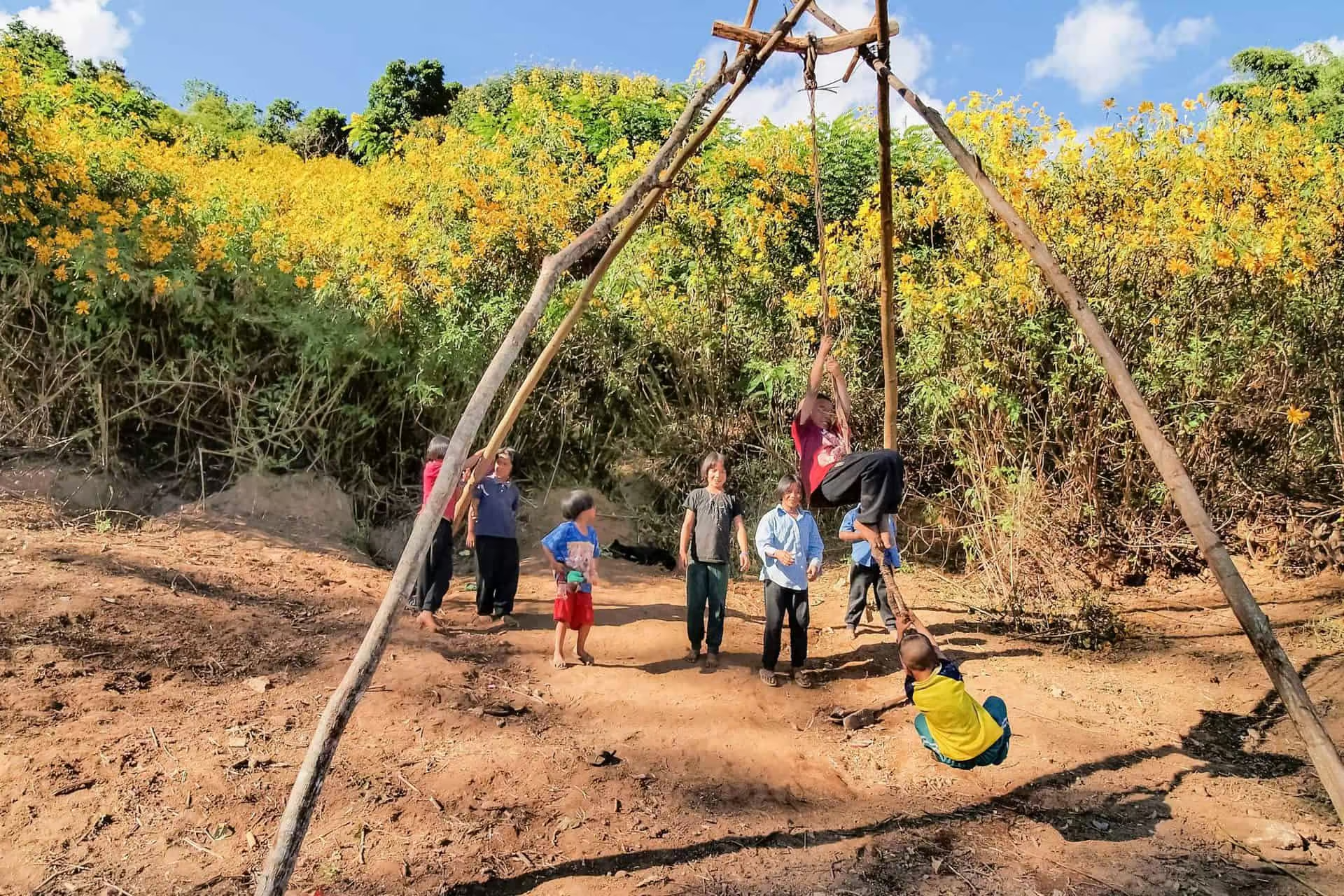
During the bua tong season, yellow flowers spread across slopes and roadside areas against a backdrop of mountain ridges. The colour is part of a wider landscape, so give yourself time to look across the valleys as well as photograph a close patch of flowers.
November is the usual month to plan around, but flowering varies with the season and elevation. Ask locally about the current bloom before making a long journey specifically for it; a calendar date does not guarantee the hills will be at their brightest.
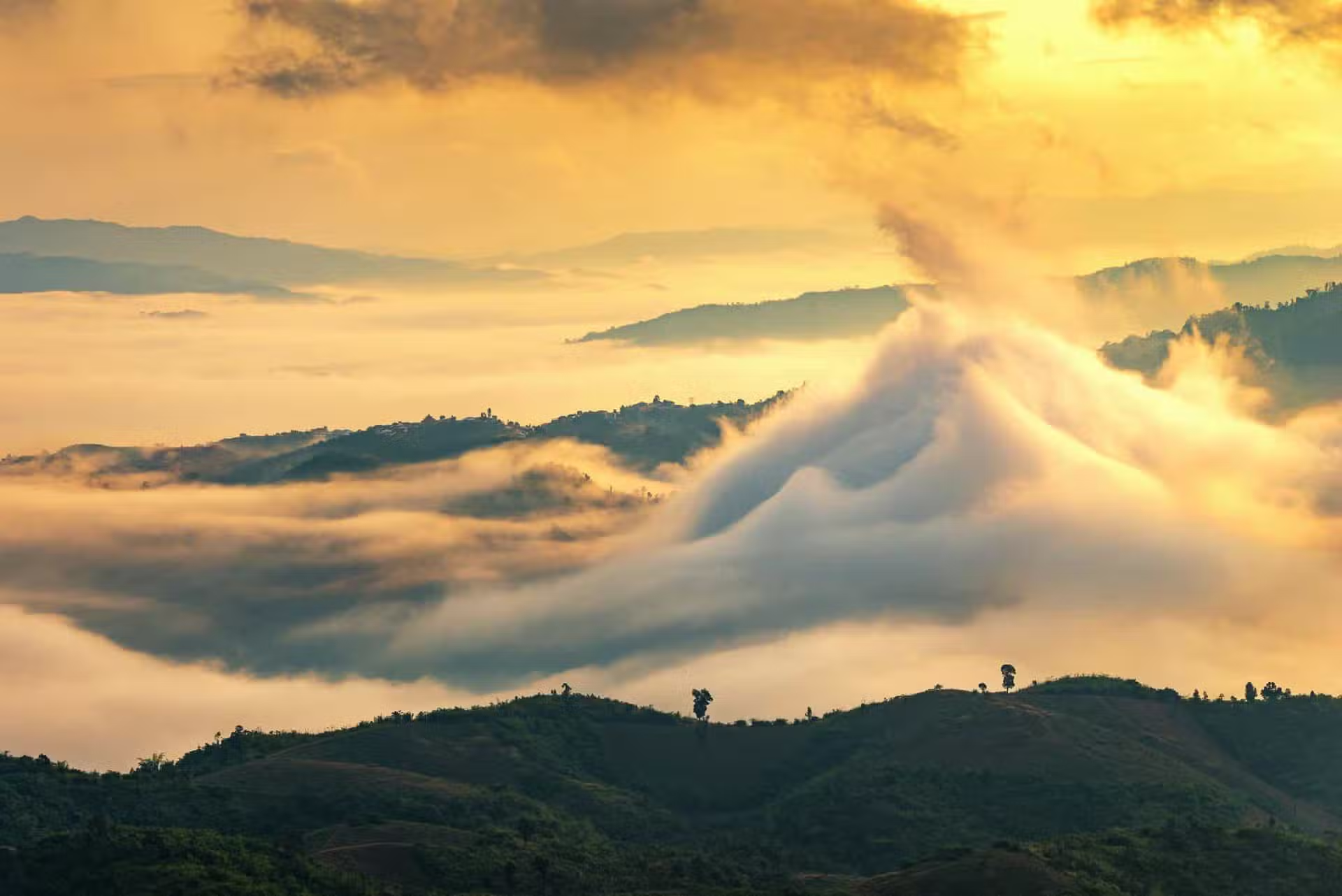
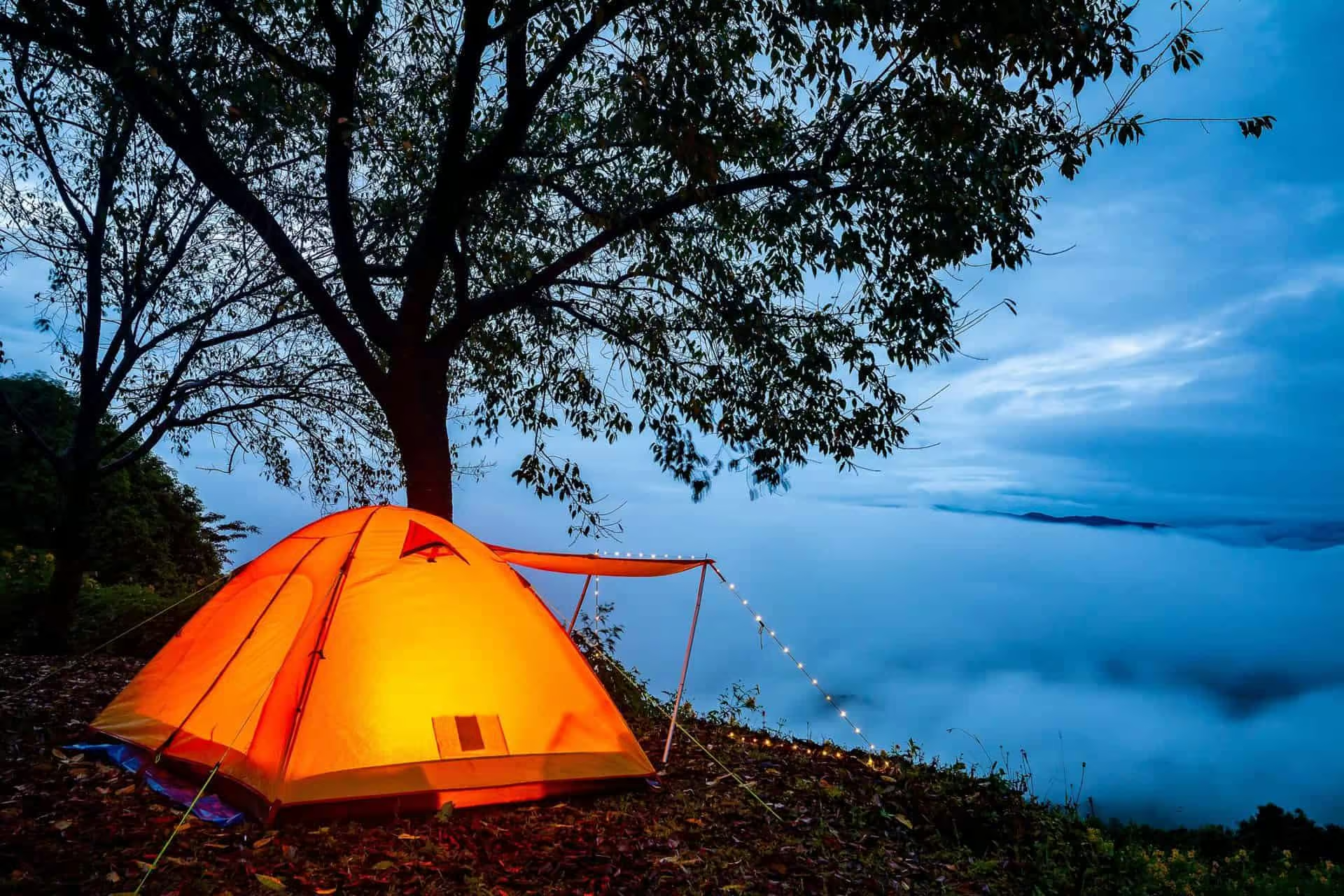
Morning conditions can bring mist in the valleys, with ridgelines emerging as the light changes. Clear views and a sea of mist are different outcomes of the weather, so appreciate whichever landscape the day offers rather than expect both at once.
The Village and Surrounding Communities
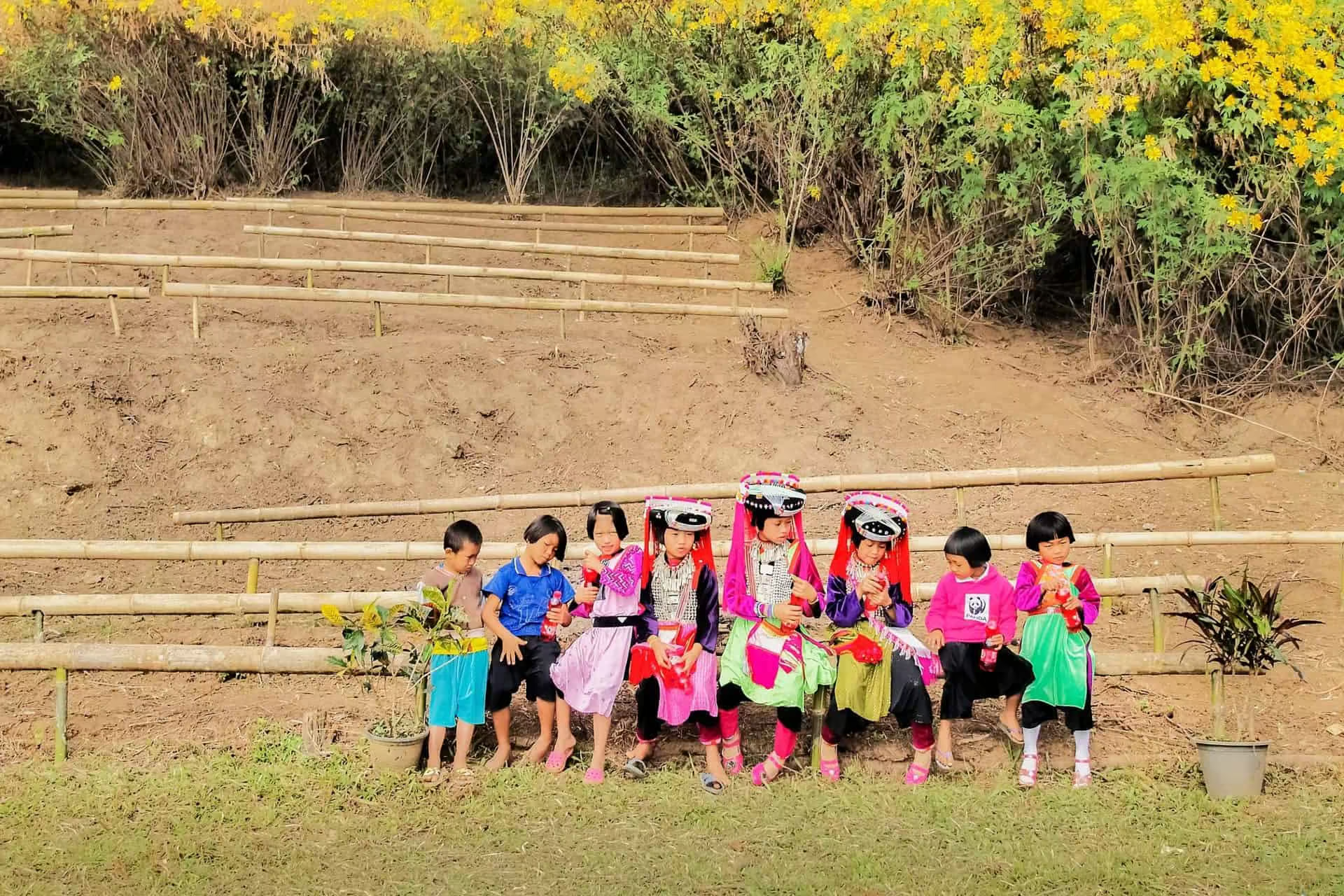
Ban Hua Mae Kham is part of a lived-in highland area, with Lisu and other communities shaping its identity. Public village roads, local shops and available craft stalls provide a way to encounter the place at an ordinary pace, rather than treating residents as part of a staged attraction.
Ask before photographing people or entering homes, religious spaces and private plots. If you want a deeper cultural visit, arrange it with a local guide and the hosts concerned, including the language and activities offered.
Buying a craft or a meal can be a useful part of the stop when local businesses are open. Do not assume every family sells handicrafts or that traditional clothing and ceremonies will be on display during a routine visit.
Forest-Park and Agricultural Areas
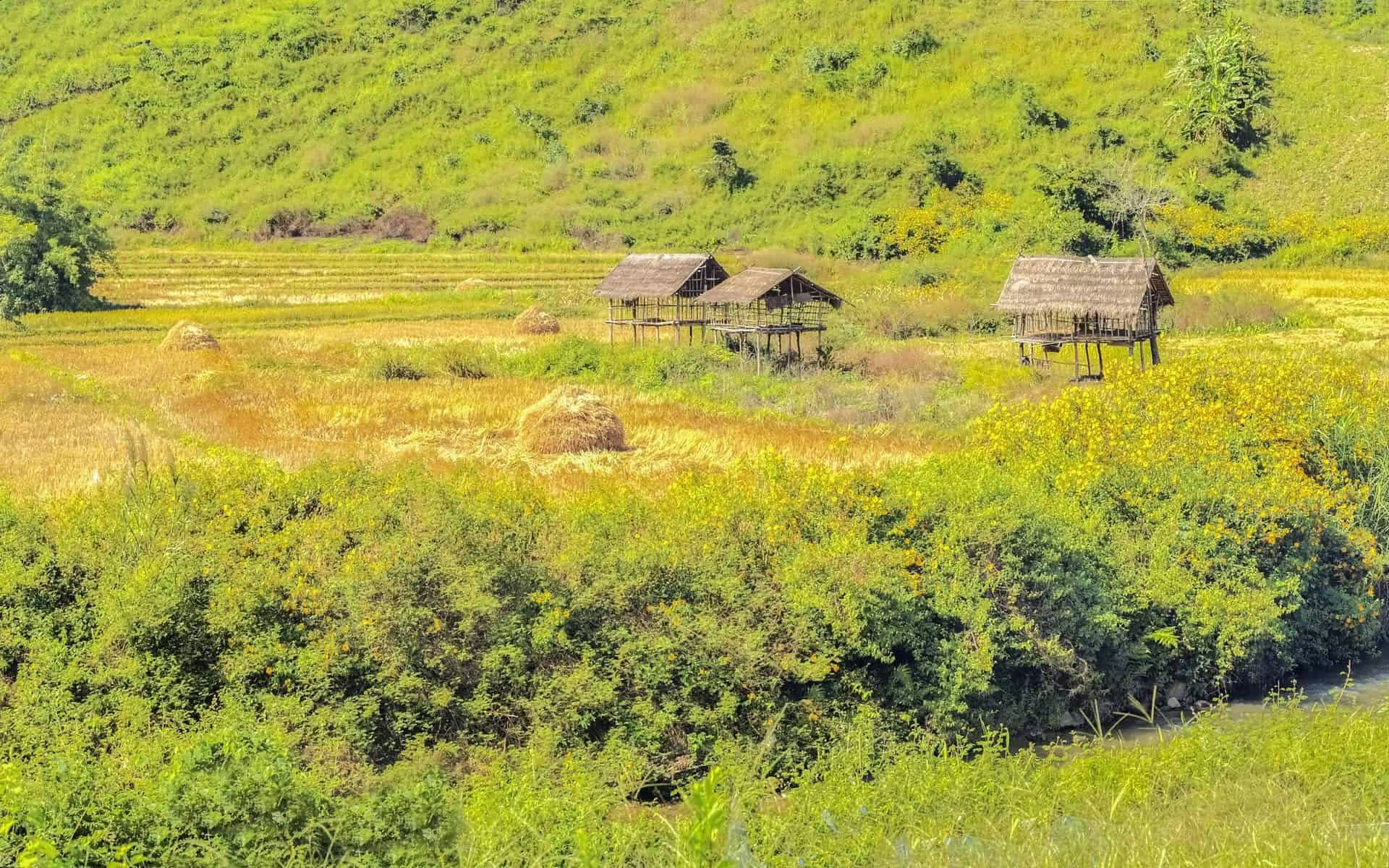
Doi Hua Mae Kham Forest Park adds a wooded setting beyond the village, while the highland agricultural area introduces cultivated slopes and greenhouse scenery. These are separate places along the outing, with different access arrangements and purposes.
Check the forest-park entrance and any walking route with staff before continuing. Waterfall paths and minor approach tracks need current permission and a realistic assessment of the terrain; they should not be treated as automatic additions to a flower-viewing trip.
At an agricultural site, use areas open to visitors and ask before entering greenhouses or working fields. Observing the cultivated landscape from a public viewpoint is different from having permission to tour a production area.
When to Go and Whether to Stay Overnight
The cool season brings a more comfortable mountain outing, especially around the November flower period. Bring a warm layer for the morning and evening, together with walking shoes, drinking water and sun protection for clearer daytime weather.
Staying nearby can make an early viewpoint visit more manageable than beginning the mountain drive before dawn from Chiang Rai. Confirm the accommodation, meals, access road and permitted early-morning approach with your host rather than assuming the forest-park gate opens at sunrise.
Treat the trip as a daylight outing unless you have agreed overnight arrangements. The village, park and agricultural sites do not operate as one attraction with a universal entry ticket or timetable. Ask locally about any activity, parking or accommodation charges.
The Road from Chiang Rai
The usual approach heads north from Chiang Rai towards Mae Chan, then follows the Route 1130 corridor towards the Mae Salong area before continuing via Ban Thoet Thai towards Ban Hua Mae Kham. Use the exact destination for the final mountain roads, as Mae Salong town alone is not the endpoint.
Allow several hours for the drive from Chiang Rai and additional time for stops. Bends, gradients, rain and mist can slow the journey considerably; the route is not a dependable three-hour transfer from Chiang Mai.
A locally arranged driver familiar with the approach is useful if you are uncertain about mountain driving. Confirm a return or overnight arrangement, because public transport between the towns does not necessarily provide the last leg to the forest park and viewpoints.
Use signed parking or a locally directed stopping area, and avoid stopping on a narrow bend for a photograph. Border-area instructions and temporary road restrictions take priority over a route saved before the trip.
Doi Hua Mae Kham FAQs
Where is Doi Hua Mae Kham?
It is in Mae Salong Nai, Mae Fa Luang district, Chiang Rai, near the Thai-Myanmar border. Plan the road journey from Chiang Rai rather than treating it as a nearby Chiang Mai attraction.
When do the yellow flowers bloom?
November is the usual bua tong season. Check the current flowering locally before a dedicated visit, because weather and the stage of the bloom vary from year to year.
Can you visit outside November?
Mountain scenery and the surrounding villages remain the main interest outside the flower season. Check access and weather for your date, and expect a different landscape after the yellow bloom.
Is the forest park the same as the village?
The village, forest park and agricultural area are separate stops. Check the park entrance and permitted walking routes rather than assuming all nearby land is open to explore.
Can you see sunrise and mist?
Suitable morning conditions can produce atmospheric views, but neither mist nor a clear sunrise is guaranteed. An overnight stay nearby can help with timing; confirm the permitted early approach with your host.
How should you arrange transport?
Use a vehicle or local driver suited to the mountain route and arrange the return in advance. Connections to Mae Chan or Mae Salong do not automatically cover the final journey to Hua Mae Kham.









Do You Have a Question to Ask?