



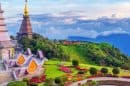









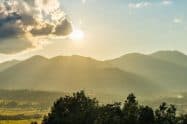







Ban Hmong Mae Sa Mai is a Hmong community in the upper Mae Sa Valley, in the Pong Yaeng area of Mae Rim district. Its mountain setting, agricultural landscape and community forest-restoration work offer a different experience from Chiang Mai’s city temples and souvenir markets.
A worthwhile visit centres on meeting people through an arranged community visit, learning about the surrounding farms and understanding how village life connects with the forest. Mae Sa Mai and neighbouring Mae Sa Noi are closely connected communities. Doi Pui Hmong Village is a separate destination, so use the full village name when organising transport or choosing a tour.
A community shaped by its mountain landscape
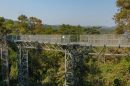
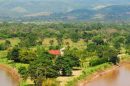
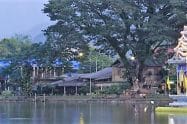
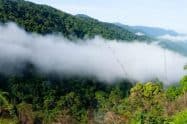
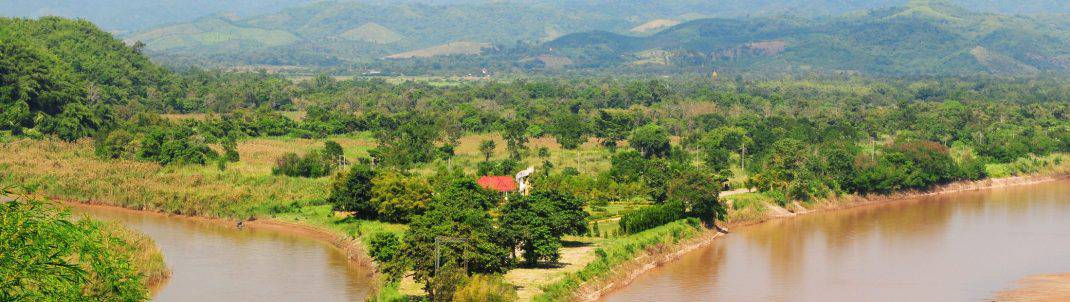
The upper valley combines cultivated land, forest and village buildings, with steep slopes shaping both agriculture and travel. Take time to look beyond a single viewpoint: the relationship between crops, water sources and woodland is an important part of what makes this area interesting.
Mae Sa Mai is a living community, with people’s homes and daily work around you. An arranged visit with a local guide can provide introductions and explanations that an independent drive-through would miss. Agree on the activities beforehand, and ask permission before photographing residents or entering private spaces.
Agriculture and the Mae Sa Mai Royal Project
The nearby Mae Sa Mai Royal Project Development Centre began work in 1974, in collaboration with Maejo University, on temperate-crop seed research. Its work later expanded into agricultural livelihoods, environmental conservation and community development. This gives the valley a story of continuing change rather than a village frozen in the past.
Crops associated with the project include capsicum, tomatoes, chayote, avocados, tea and coffee. Demonstration plots and agricultural learning are part of the centre’s work, but a village visit does not automatically include access to its facilities. Ask your organiser whether a project visit is included and what can be seen during your season of travel.
Forest restoration and local knowledge
Mae Sa Mai has worked with Chiang Mai University’s Forest Restoration Research Unit, known as FORRU, on restoring forest in the upper watershed. The collaboration combines scientific field trials with community participation, including tree nurseries and planting work. Protecting water sources is an important reason for the community’s involvement.
Educational visits have included the village nursery and discussions with local residents about restoring the landscape. These are organised activities, rather than an invitation to enter research plots independently. If conservation is your main interest, request an itinerary that explains the work and provides the appropriate guide and access arrangements.
Choosing a village visit or a longer walk
Community visits and craft activities
Visits to the Mae Sa Mai-Mae Sa Noi community can be arranged around local life, agriculture and cultural exchange. Textile activities advertised in neighbouring Mae Sa Noi include Hmong batik and other craft workshops. Check which village hosts your chosen activity, how long it lasts and whether materials or purchases cost extra.
Shopping can support local makers when you understand what you are buying. Ask who made an item and how it was produced, and allow time for conversation rather than treating residents as part of a photographic display.
Walking and overnight programmes
Specialist operators offer walks linking Doi Pui with Mae Sa Mai and Mae Sa Noi, as well as cultural stays in the community. These involve different commitments from a short village visit. Check walking distance, climbs, transport and accommodation before booking, particularly if travelling with children or anyone who needs a gentler pace.
Bring shoes with grip, drinking water and rain protection for a countryside outing. For a workshop-focused visit, ask how much walking is involved between the vehicle, village and activity space. Choose the actual programme for your group rather than assuming every visit has the same physical demands.
Getting to Ban Hmong Mae Sa Mai
From Chiang Mai, the approach to the Mae Sa Valley follows Highway 107 towards Mae Rim, then Highway 1096 into the valley. Mae Sa Mai is in the Pong Yaeng area, reached by a local mountain road. Book transport to Ban Hmong Mae Sa Mai in Mae Rim, and obtain the meeting point from your host or guide.
The Royal Project centre’s approach turns off Highway 1096 near Wat Pong Yang Chalermprakiet. Its entrance is a separate destination from a village meeting point, so specify which place you intend to visit. Arrange the return journey in advance, and ask your driver or organiser about road conditions before setting out.
Ban Hmong Mae Sa Mai FAQs
Is Mae Sa Mai the same village as Doi Pui?
No. They are separate Hmong communities, although some walking programmes link them. Specify Mae Sa Mai in Pong Yaeng, Mae Rim, when booking rather than relying on the general name Hmong Village.
What can I do during a visit?
Choose a programme built around community introductions, agriculture, forest-restoration learning or a countryside walk. Craft workshops may take place in neighbouring Mae Sa Noi, so check the location and inclusions of each activity.
Do I need to book ahead?
Arrange guided visits, workshops and overnight stays in advance. This allows your host to organise the visit and helps you establish the meeting point, transport, price and activities before travelling into the valley.
Can I visit the forest-restoration nursery?
Ask for an educational visit that includes the nursery or conservation work. Access should be arranged through the people hosting the activity, rather than treating village or research facilities as an unrestricted attraction.
How should I prepare for a village visit?
Wear comfortable clothing and suitable footwear, carry water, and confirm the amount of walking. Ask permission for photographs and follow your host’s guidance around homes, farms and community spaces.



Do You Have a Question to Ask?