



























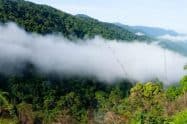













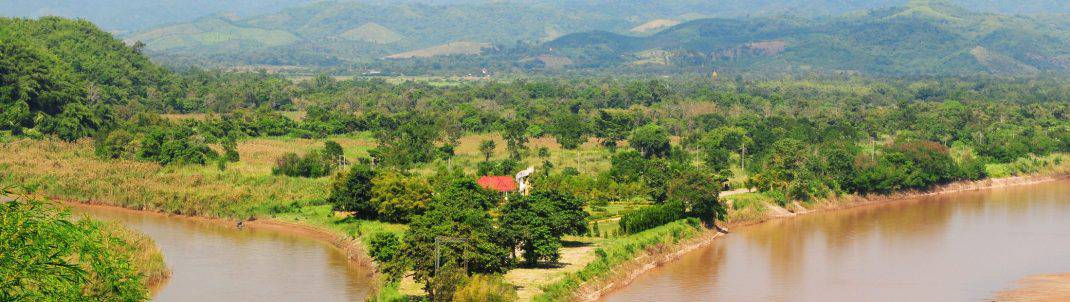
Khun Chae National Park protects forested mountains, streams and waterfalls in Wiang Pa Pao, Chiang Rai Province, northeast of Chiang Mai. The landscape rises from wooded valleys to high ridges, making the park a choice for visitors who want a forest outing or a properly arranged mountain trek.
A waterfall visit and a trek to Doi Mot or the Doi Langka mountains are very different undertakings. The park’s attractions are spread across a large area, and the headquarters is the place to establish which sites and routes are open, how to reach them and what permissions or guides your plan requires. Do that before setting out on a mountain trail.
Waterfalls and Forest Scenery
The park was established in 1995 and covers approximately 270 square kilometres. Its changing elevations support a varied forest landscape rather than one uniform stretch of jungle. Along the lower approaches, streams and shaded vegetation create a different experience from the cooler, more exposed mountain ridges.
For a shorter outing, focus on an accessible waterfall area recommended by staff that day. A map showing several attractions inside the boundary can make them appear easy to combine, but road approaches, walking routes and weather determine what is practical. Choose a main destination rather than trying to see every named site in one rushed visit.
Khun Chae Waterfall
The waterfall that gives the park its name has six tiers. Its appeal is the succession of cascades within a forest setting, rather than a single drop viewed from one platform. When the visitor route is open, take time to enjoy the stream and shaded surroundings without assuming that every tier can be reached in the same conditions.
Ask which part of the waterfall is accessible and where visitors may stop or picnic. Wet rock and stream edges can be slippery even when the approach is open. Keep to the permitted route and follow staff instructions about water access; a pool below a cascade should not automatically be treated as a swimming area.
Mae Tho Waterfall
Mae Tho is a separate seven-tier waterfall. Exploring the full sequence can take around two hours, so it deserves its own time allowance rather than being added as a quick roadside stop. The amount you can see depends on the open path and your walking pace.
The shaded setting suits a walk focused on forest and flowing water. Ask about the approach before driving there, and turn back if the route is closed or conditions deteriorate. Heavy rain can affect a waterfall valley even when the weather at the headquarters seems manageable.
Mountain Treks: Doi Mot and Doi Langka
Doi Mot offers a mountain-forest experience, with vegetation changing along the ascent. A trek here involves more effort and preparation than visiting a waterfall picnic area. Establish the route, expected walking time and guide arrangement with park staff, particularly if you have limited experience on steep tropical trails.
Doi Langka is associated with higher mountain scenery and more demanding trekking. Trips can involve extended walking and overnight equipment, depending on the permitted itinerary. Do not assume that a particular summit is a short day hike simply because a mapping app draws a line to it.
Route Names, Guides and Seasonal Access
Mountain routes are subject to seasonal closure and permission requirements. Check the current opening notice and book the permitted itinerary with the responsible park or local organiser before committing to travel. A trail appearing in an online hiking list does not establish that it is open or that you can walk it independently.
Be precise about the mountain name and starting point when enquiring. Doi Langka Noi routes can involve community-managed land outside the national park, with arrangements separate from park-managed treks. Confirm who manages your actual route rather than assuming that one park ticket covers every nearby mountain trail.
For an organised trek, clarify the guide, group size, food, drinking water, overnight gear, transport and return time. Ask what is supplied and what you must carry. Avoid starting an unfamiliar route late in the day, and let the organiser assess weather and trail conditions rather than treating the booking as a guarantee that a trek will proceed.
When to Visit and What to Bring
November to March is generally the most comfortable period for forest walks and mountain outings, with cooler conditions than the hotter part of the year. That seasonal preference does not override a closure notice. Confirm the specific route and dates, especially at the transition from the rainy season.
Rain brings fuller streams but can also produce muddy paths, hazardous crossings and temporary restrictions. Carry footwear with a useful grip, drinking water and protection from rain and sun. A mountain itinerary may need warmer layers and more equipment than a short waterfall walk.
Choose the outing to suit the least confident walker in your group. Uneven ground and climbs can make a route unsuitable for pushchairs or visitors needing level access. Ask staff about the shortest permitted approach rather than relying on a distance alone to judge difficulty.
Entry Fees, Camping and Visitor Hours
The usual national park admission is 100 THB for foreign adults and 50 THB for foreign children, with Thai adult and child rates of 20 THB and 10 THB. Vehicle charges are separate; confirm the amount for your vehicle and any concession eligibility at the entrance.
Use the permitted visitor areas during daylight and leave enough time to complete your walk. Arrange mountain treks and overnight visits in advance, following the park entry and departure instructions for the route.
Camping, accommodation, guides and hired equipment can involve costs beyond the entrance fee. Ask about availability and the full arrangement before arriving with a tent or expecting a room. A day visitor should also establish where food and drinking water are available for the chosen outing.
Getting to the Park Headquarters
Khun Chae’s headquarters is on the Route 118 Chiang Mai-Chiang Rai corridor in Mae Chedi Mai, Wiang Pa Pao. The main approach is around kilometre 55 to 56 of that highway. Use the headquarters entrance as your first arrival point, not an interior waterfall or summit pin.
Driving or arranging a vehicle gives the most flexibility for visiting separate park sites. From Chiang Mai, travel northeast on Route 118 and allow time for mountain-road conditions and traffic. The road journey and the onward approach to a waterfall are separate parts of the visit.
If considering a Chiang Mai-Chiang Rai bus, ask the operator whether your actual service can stop near the headquarters and how you will make the return journey. Reaching the highway does not provide transport around the park. For a trek, settle the pickup, starting point and return transfer with the organiser in advance.
Khun Chae National Park FAQs
Is Khun Chae National Park in Chiang Mai?
The headquarters is in Mae Chedi Mai, Wiang Pa Pao, Chiang Rai Province, on Route 118 northeast of Chiang Mai. It can be approached from Chiang Mai, but the park is not a central-city attraction.
What are the main waterfalls?
Khun Chae Waterfall has six tiers and Mae Tho has seven. They are separate outings, so ask staff about the open approaches and allow enough time for your chosen walk.
Can you hike the mountains without booking?
Confirm permission and guide requirements for the exact route before travelling. Mountain trails have seasonal closures, and nearby community-managed routes may have arrangements separate from the national park.
When is the best time to visit?
November to March generally offers cooler conditions for walking. Always check the specific trail opening and weather; a favourable season does not mean every route is available.
How much is park admission?
The usual foreign admission is 100 THB for adults and 50 THB for children; Thai rates are 20 THB and 10 THB. Vehicles, camping, guides and equipment are separate, with current arrangements confirmed at the park.
Can you camp overnight?
Enquire in advance about the available camping or accommodation arrangement and any additional charges. Overnight treks need their own permission, guide and equipment planning rather than just a day-entry ticket.
Can you see the park in one day?
A day can suit a selected waterfall or forest outing when the route is open. High mountain treks may require a longer organised itinerary, and the park’s separate sites should not be treated as one continuous short walk.






Do You Have a Question to Ask?