





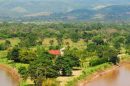
















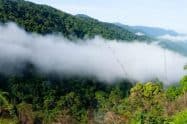










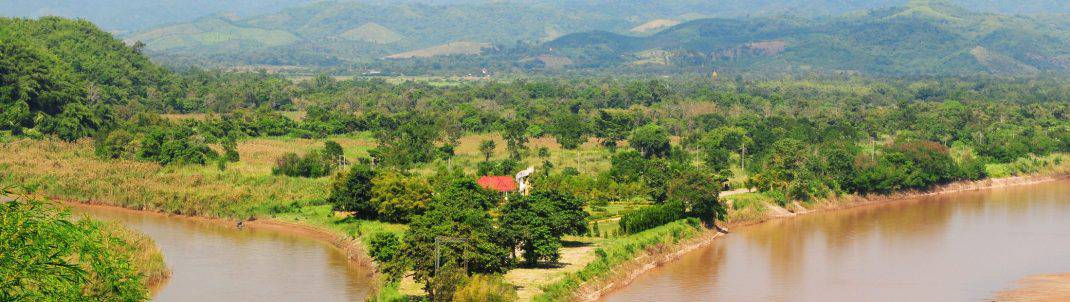
Mae Sa Valley is a green corridor of waterfalls, gardens and visitor attractions along the Mae Rim-Samoeng road northwest of Chiang Mai. Forested hills rise beyond the roadside stops, making the valley a practical day out for people who want a change from the Old City’s temples and markets.
The valley is spread along Route 1096 rather than enclosed behind one entrance. Its appeal comes from choosing a few complementary stops: a waterfall walk, the plant collections at Queen Sirikit Botanic Garden, a craft activity or a separately booked adventure. Allow time between them, as a map can make the distances look simpler than the winding road feels.
Waterfalls and gardens
Mae Sa Waterfall
Mae Sa Waterfall follows a forest stream through a series of cascades. Mae Sa Waterfall was temporarily closed on 5 October 2026 after heavy rain and rising water. Confirm reopening with Doi Suthep-Pui National Park before adding it to your itinerary; choose another valley stop while access is restricted. A visit is as much about walking beside the water and finding shaded viewpoints as seeing one main drop. You can keep to the lower sections for a shorter outing or continue farther along the trail when conditions and energy allow.
Bring shoes with grip: steps, damp rocks and uneven surfaces can make a waterfall walk slower than its distance suggests. After heavy rain, follow any restrictions on paths or entering the water. Leave enough daylight for the walk back, and do not build the day’s plan around swimming being available.
Queen Sirikit Botanic Garden
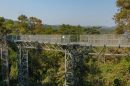
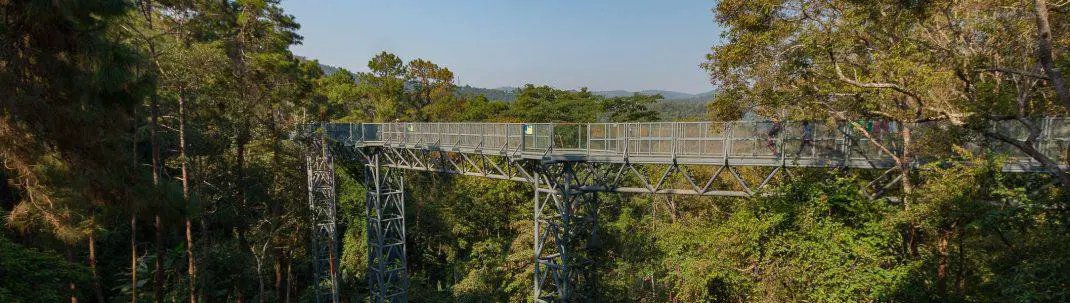
Queen Sirikit Botanic Garden gives the valley a more structured nature stop. Its greenhouse collections, orchid nursery, garden areas and trails offer different ways to look at plants, while the canopy walkway changes the perspective from ground level to the forest above. The grounds are substantial, so choose the areas that interest you rather than expecting to cover everything in a quick circuit.
A garden-focused visit works well for people who enjoy photography or learning about tropical plants. Allow more time here than at a small roadside attraction, and ask about the best route between open areas on arrival. Mae Sa Noi Waterfall within the garden is a separate feature from Mae Sa Waterfall elsewhere in the valley.
Craft stops and active outings
Elephant POOPOOPAPER Park offers a different kind of hands-on experience near Mae Rim. A guided walk explains how fibres from elephant dung become paper, and the craft studio lets visitors turn that material into a keepsake. The cafe and playground make it a useful alternative to adding another physically demanding stop; check which crafting materials cost extra.
The X-Centre is an option for an activity-led day. Its advertised choices include indoor go-karts, ATVs, off-road buggies, paintball, trail bikes and bungy jumping. These are separately organised activities with their own prices and participation conditions, so choose a specific experience and check age, height or other requirements before arriving. Do not assume that every activity suits every child.
Orchid and butterfly attractions can provide shorter stops around Mae Rim. Their appeal is looking closely at cultivated flowers and, where included, butterfly areas, rather than committing to a long forest walk. Select the actual venue you want to visit and check its opening arrangements before adding it to the route.
Choosing animal encounters
The wider Mae Rim visitor area includes elephant camps and animal attractions such as Tiger Kingdom and snake venues. Programmes differ substantially in how animals are managed and how close visitors can approach them. Read the actual activities offered, including riding, bathing, handling or posed photographs, before deciding whether a visit matches your preferences.
An elephant-related name does not always mean an animal encounter: POOPOOPAPER Park is primarily a paper-making and craft attraction. Likewise, a valley tour’s list of stops does not explain the conditions at each animal venue. Ask for the named itinerary and choose individual attractions deliberately rather than treating all encounters as equivalent.
Planning a realistic day
For a nature-led outing, use the botanic garden as the main stop and add a craft visit or another open valley attraction. Include a waterfall walk only after confirming access. With children, a craft visit and selected garden areas may be more comfortable than a day filled with long walks and several adventure bookings. If an ATV tour or other timed activity is the priority, reserve that first and fit a smaller stop around it.
Start early enough to leave room for lunch, traffic and weather. Give the garden and waterfall time priority while they are open, and fit shorter stops around them. In wet weather, shorten the outdoor itinerary rather than trying to maintain every planned stop.
Each garden, park or activity has its own hours and fees, and transport is a separate cost. Take water, sun protection, rain protection and suitable walking shoes, even if most of the day will be spent travelling by car.
Getting there and the Samoeng Loop
From Chiang Mai, travel north towards Mae Rim on Route 107, then turn onto Route 1096 towards Samoeng. The valley’s attractions lie along this corridor and its side roads. A private car with a driver or a tour with a clearly agreed itinerary makes it easier to move between stops and return to the city.
Self-driving gives flexibility, but the road becomes more winding as it climbs into the hills. Riders need appropriate motorcycle experience and should allow for rain, steep sections and traffic. Arrange your return transport when hiring a vehicle rather than expecting to find a waiting car at every attraction.
The valley forms part of the Samoeng Loop, which continues towards Samoeng and returns via the Hang Dong side on Route 1269. Completing that circuit adds substantial driving to an attraction-heavy day. Visiting Mae Sa Valley and returning the same way is a sensible option if gardens, walks or family activities are your main interest.
Mae Sa Valley FAQs
Is Mae Sa Valley one attraction?
It is a valley and visitor corridor along Route 1096, with separately operated attractions. Plan a route between named stops rather than looking for one entrance that provides access to everything.
How long should I allow?
A full day from Chiang Mai gives room for a few selected stops, lunch and travel. A half-day works better with one main attraction and a nearby addition than with a long list of venues.
Is the valley free to visit?
There is no general valley admission fee, but individual gardens, waterfalls and activities may charge entry or programme fees. Budget for those separately from transport and meals.
Can I visit without driving?
A driver or organised tour can take you between attractions. Agree the stops, waiting time and return journey in advance, especially if you want a longer walk or a timed activity.
Do I have to complete the Samoeng Loop?
You can explore the valley and return through Mae Rim. The full loop adds more mountain driving, so it is a separate route choice rather than a requirement of a valley visit.
What should I bring?
Carry water, shoes with grip and protection from sun and rain. Waterfall paths and garden trails involve walking, while any adventure booking may require additional clothing or equipment specified by its operator.



Do You Have a Question to Ask?