






























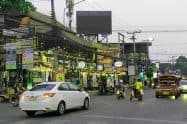

















San Pa Khoi Market is a neighbourhood fresh-food market on the eastern side of the Ping River in Chiang Mai’s Wat Ket area. It serves everyday shoppers with produce, ingredients and prepared food, offering a practical glimpse of local market life away from the city’s more visitor-focused evening bazaars.
Come for a relaxed food browse rather than a large souvenir-shopping session. The market is most useful when its food vendors are active, and individual stalls keep their own routines. An early visit gives you a better chance of seeing the fresh-food trade than arriving with a night-market timetable in mind.
What You Will Find
Fruit, vegetables, meat and other cooking ingredients form an important part of the market. Seasonal produce and the needs of neighbourhood shoppers shape the selection, so the interest lies in seeing what is available that day rather than expecting every stall to stock the same products year-round.
Prepared food provides another reason to visit. Look around before ordering, ask what a dish contains and check whether it is intended to be eaten immediately or taken away. Seating may depend on the individual vendor, so do not assume every food purchase comes with a table.
Clothing, footwear and household items can also appear among the shops and stalls. These are secondary to the fresh-market experience, and a visitor should not expect the breadth of a dedicated fashion or second-hand market.
Buying Food and Shopping Respectfully
Bring small Thai baht notes and check the price before ordering or asking a seller to prepare something. If buying produce, establish whether the price is per item, portion or weight. A neighbourhood market is a place of routine trade, so avoid interrupting a seller’s work for an extended photograph.
Ask about ingredients if you have allergies or dietary requirements, as sauces and fillings may not be obvious. Pointing can help with an order, but it does not establish what a dish contains. Carrying a translated description of an important requirement can make the conversation clearer.
Keep aisles clear and request permission before close-up photographs of people or stalls. The setting can be busy with deliveries and shoppers carrying goods, so move aside rather than stopping abruptly in a narrow passage.
When to Visit San Pa Khoi Market
Morning is the most useful time to plan a fresh-food visit. Some shops or prepared-food businesses may operate later, but their hours should not be treated as the timetable for every vendor. Check a particular stall directly if it is the main reason for your trip.
Market entry is free; food and purchases are paid for separately. A short browse can fit into an east-bank outing, while visitors who enjoy local food may stay longer to explore the surrounding neighbourhood. Bring a shopping bag if you expect to buy produce.
Choose comfortable shoes for a working market where surfaces can be wet or uneven. Families should keep children close around cooking areas, deliveries and adjacent roads. Visitors needing step-free access should check the most suitable entrance and current aisle conditions.
Market Names That Can Cause Confusion
San Pa Khoi Market should not be confused with every business using Sanpakoi in its name. Sanpakoi Kanomjeen, the well-known noodle restaurant, is listed at Thong Kham Market in the Tha Satoi area. Use the restaurant’s own address if that is your intended meal stop.
Sanpakoi Street Market at Anusarn Building is also a separate event, with its own programme. Its event dates do not establish opening days for this neighbourhood fresh market. Confirm the exact venue before setting off for a food stall, restaurant or advertised market event.
Getting to San Pa Khoi Market
The market is in the San Pa Khoi neighbourhood around Charoen Mueang Road east of the river. Search for the fresh market and check the entrance on your map, as transliterations include San Pa Khoi and Sanpakoi.
A songthaew, tuk-tuk or ride-hailing service is useful from other parts of Chiang Mai. Give the driver the market destination rather than only the neighbourhood name, and agree on a negotiated fare before departing. Visitors staying nearby can walk, taking care at road crossings and market entrances.
For an outing that includes other east-bank stops, check each location rather than assuming the whole Wat Ket area is compact. Arrange a recognisable return pickup point clear of the market’s deliveries and traffic.
San Pa Khoi Market FAQs
What type of market is San Pa Khoi Market?
It is a neighbourhood fresh-food market with produce, cooking ingredients and prepared food. Some clothing and household shopping is available, but it is not primarily a souvenir bazaar.
When is the best time to visit?
Visit in the morning for the fresh-food trade. Individual vendors keep different hours, so confirm a particular stall rather than applying one shop’s schedule to the whole market.
Does it cost anything to enter?
General market entry is free. Bring small cash for food and purchases, and check whether produce is priced by item, portion or weight before buying.
Is Sanpakoi Kanomjeen inside this market?
The named noodle restaurant is listed at Thong Kham Market in the Tha Satoi area. Use its own address if it is your intended destination instead of assuming it is inside San Pa Khoi Market.
Is this the Sanpakoi Street Market event?
No. The street-market programme at Anusarn Building is a separate event. Its advertised dates do not determine the opening days of this fresh-food market.
Where is the market?
It is around Charoen Mueang Road in the San Pa Khoi neighbourhood east of the Ping River. Check the fresh-market entrance on a map and give that destination to your driver.








Do You Have a Question to Ask?