


















































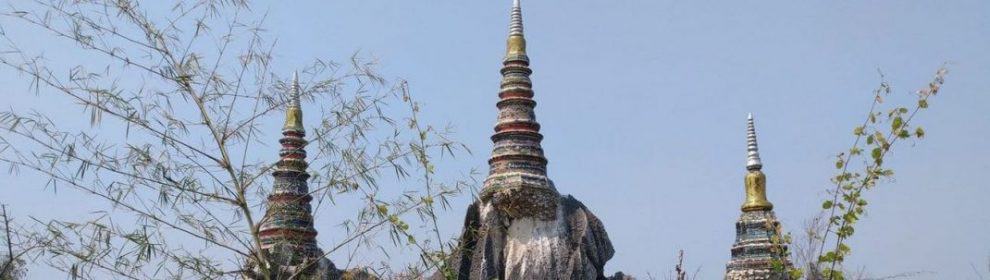
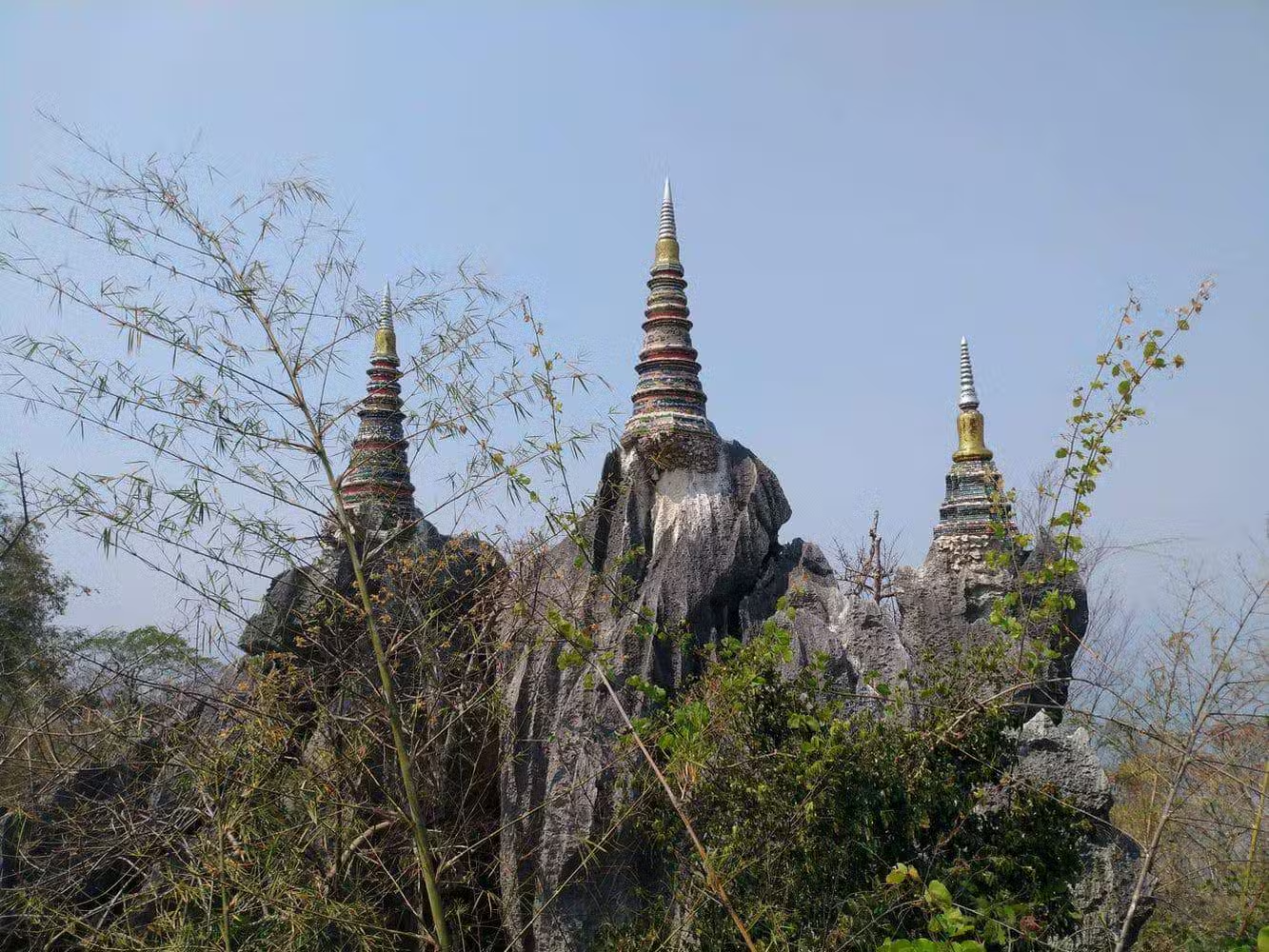
Wat Phra Phutthabat Sutthawat is the mountain temple in Lampang commonly known as Wat Chaloem Phra Kiat, or the Floating Pagodas. White and golden stupas stand on sharp limestone peaks above Chae Hom, creating one of northern Thailand’s most striking combinations of religious buildings and mountain scenery.
The former long name, Wat Chaloem Phra Kiat Phrachomklao Rachanusorn, still appears in guides and directions. All these names refer to the same temple. Visiting involves a temple pickup shuttle followed by a climb on foot; the vehicle brings you to the start of the walking route, not directly to the summit viewpoints.
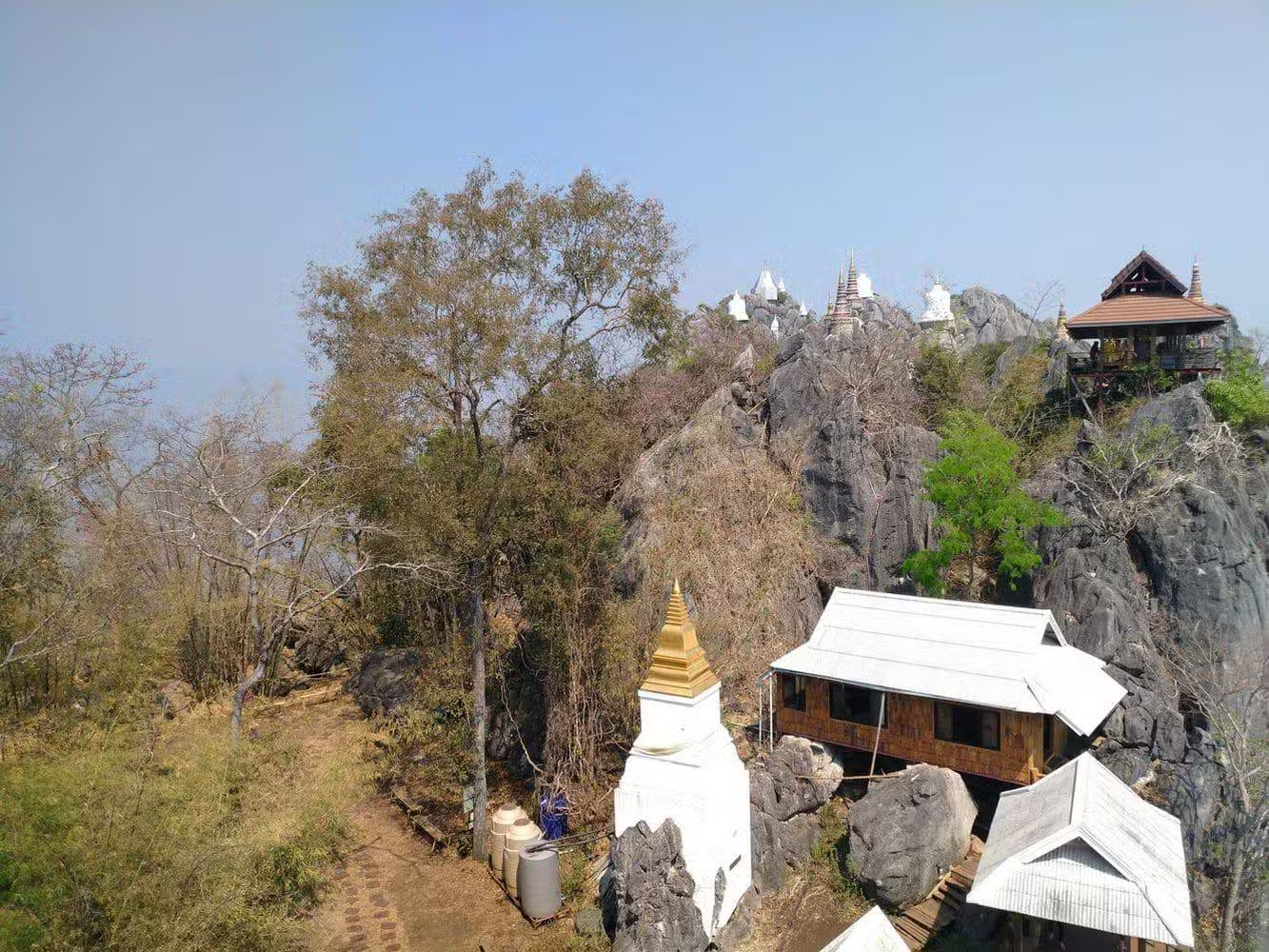
Pagodas Above the Limestone Ridges
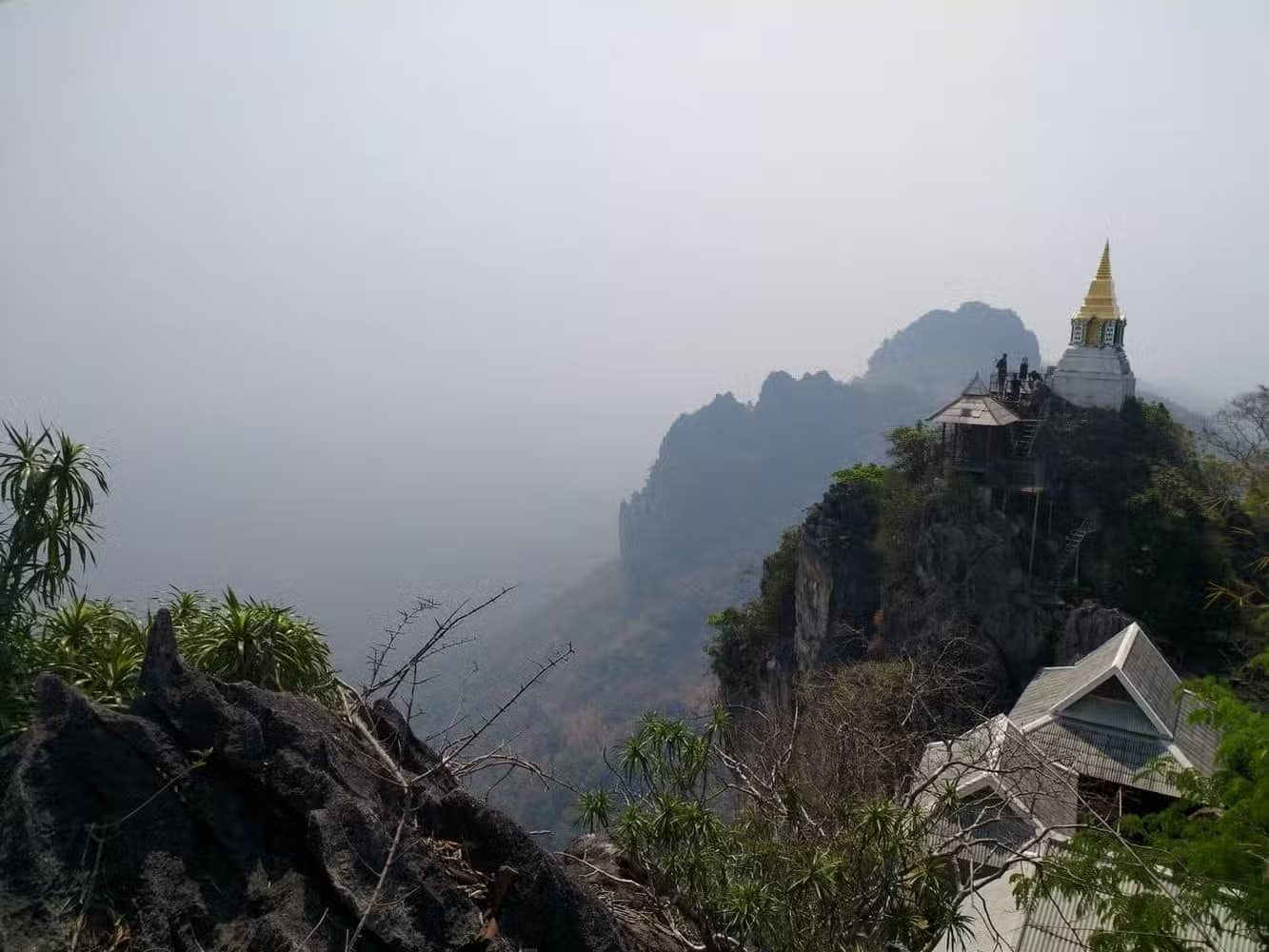
The stupas are spread across the rocky skyline rather than grouped around a large flat courtyard. Their position is what makes the view memorable: buildings that seem isolated from a distance become part of a wider mountain temple when you reach the visitor area.
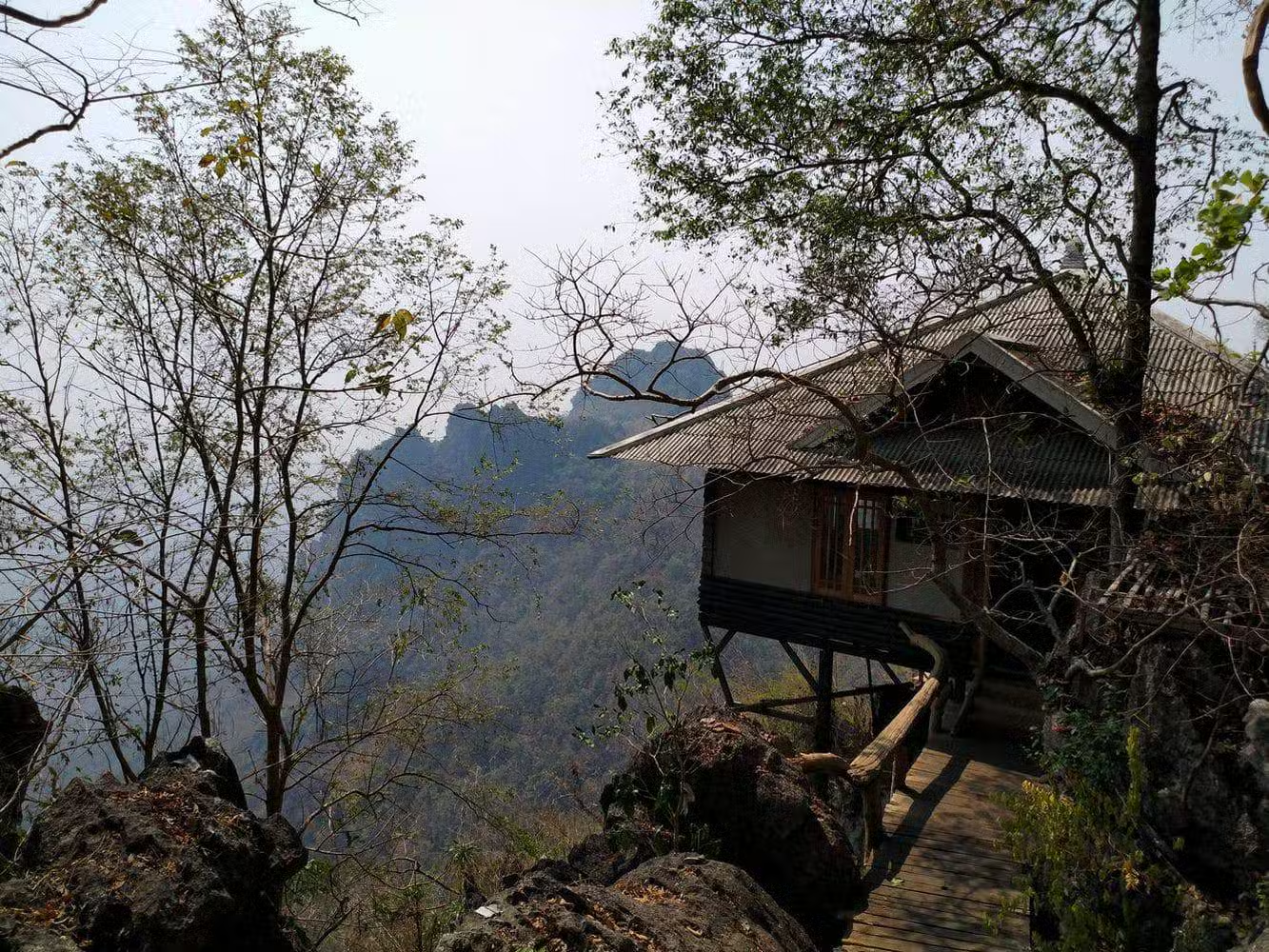
Take time to look across the ridges and the agricultural valley below. Clear weather opens the view, while cloud can change it quickly or obscure distant scenery altogether. Photographs of pagodas above a sea of cloud depict a possible condition rather than something you can schedule by choosing a particular arrival time.
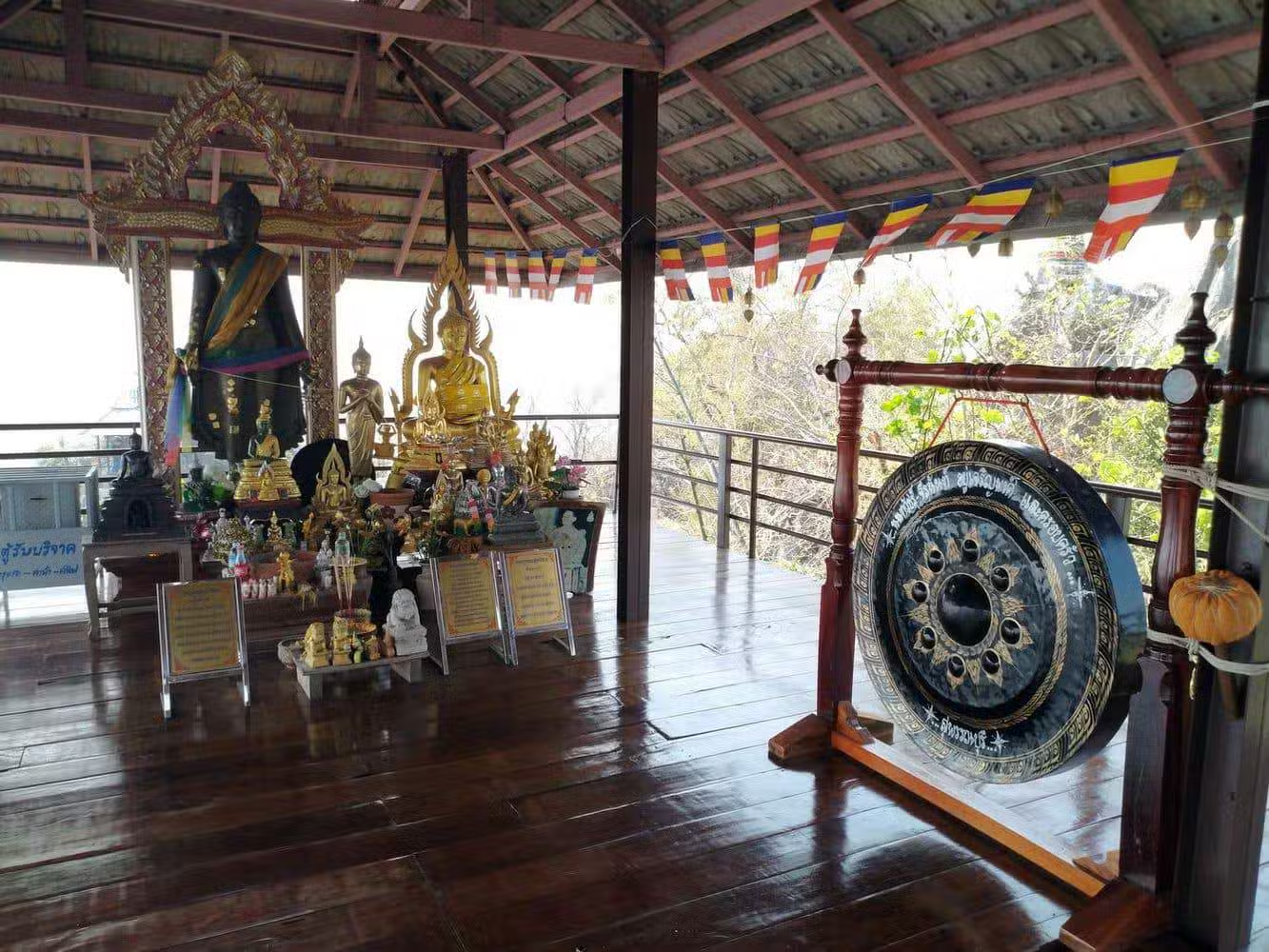
The modern temple’s development commemorated the bicentenary of King Mongkut, Rama IV, in 2004. Its religious setting is also associated with a revered Buddha footprint. Approach the visit as a functioning place of worship as well as a scenic walk, allowing space for people who have come to pray.
The Shuttle and the Climb
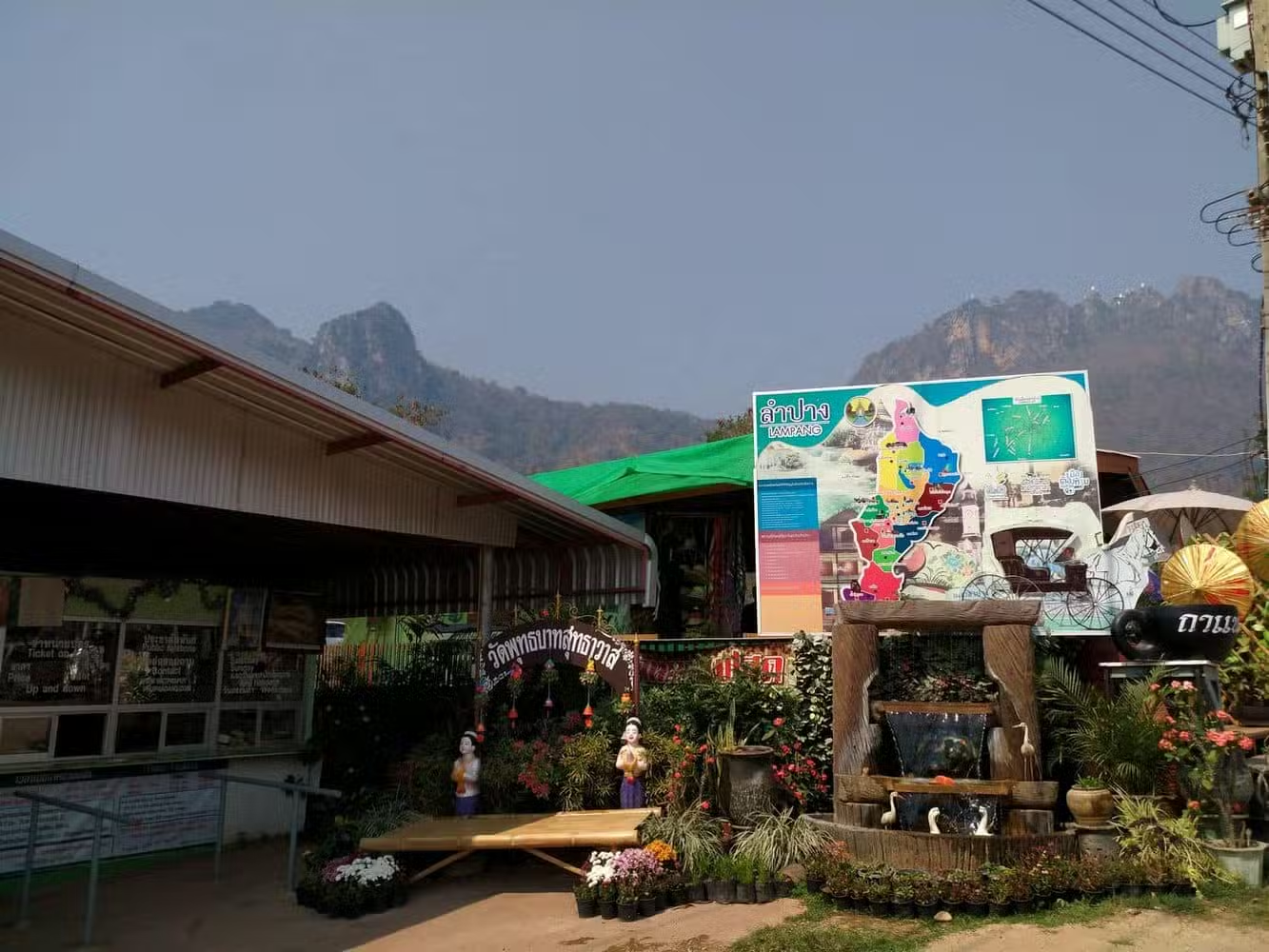
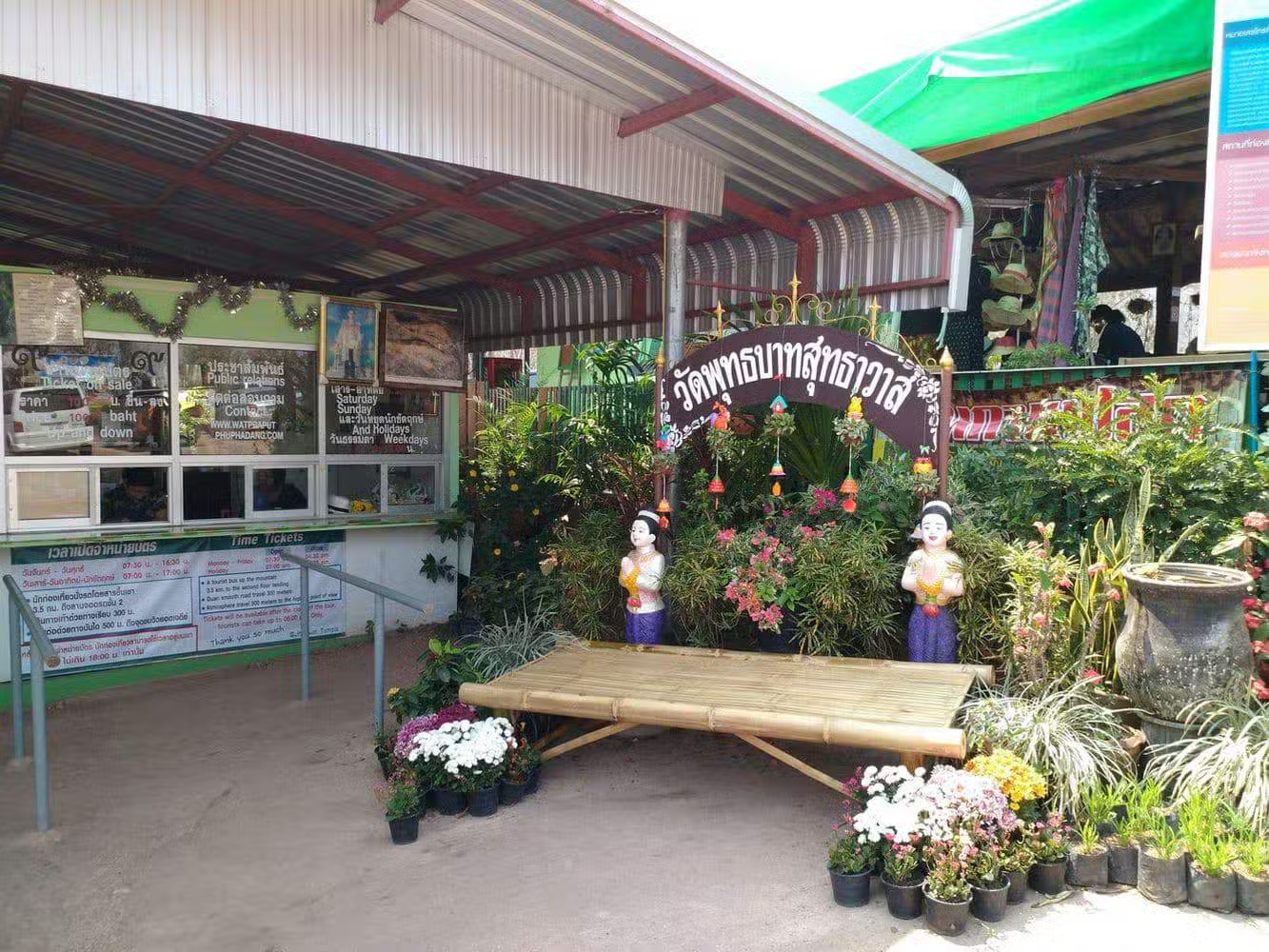
Buy the combined visitor and return-shuttle ticket at the mountain’s base. The temple vehicles handle the steep approach road to the upper drop-off area, and there can be a wait for departure. Keep your ticket and check the return arrangement before starting up the trail.
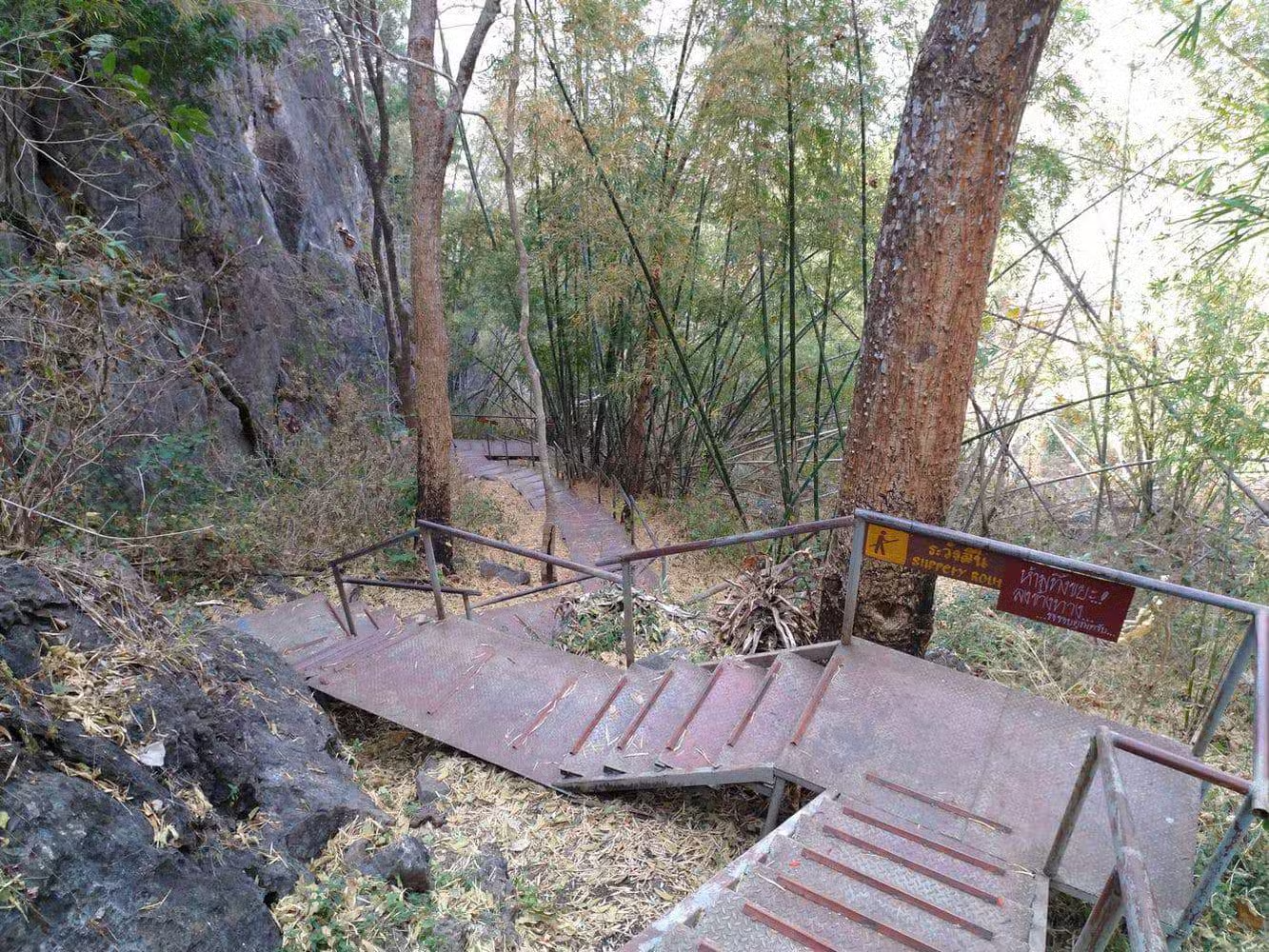
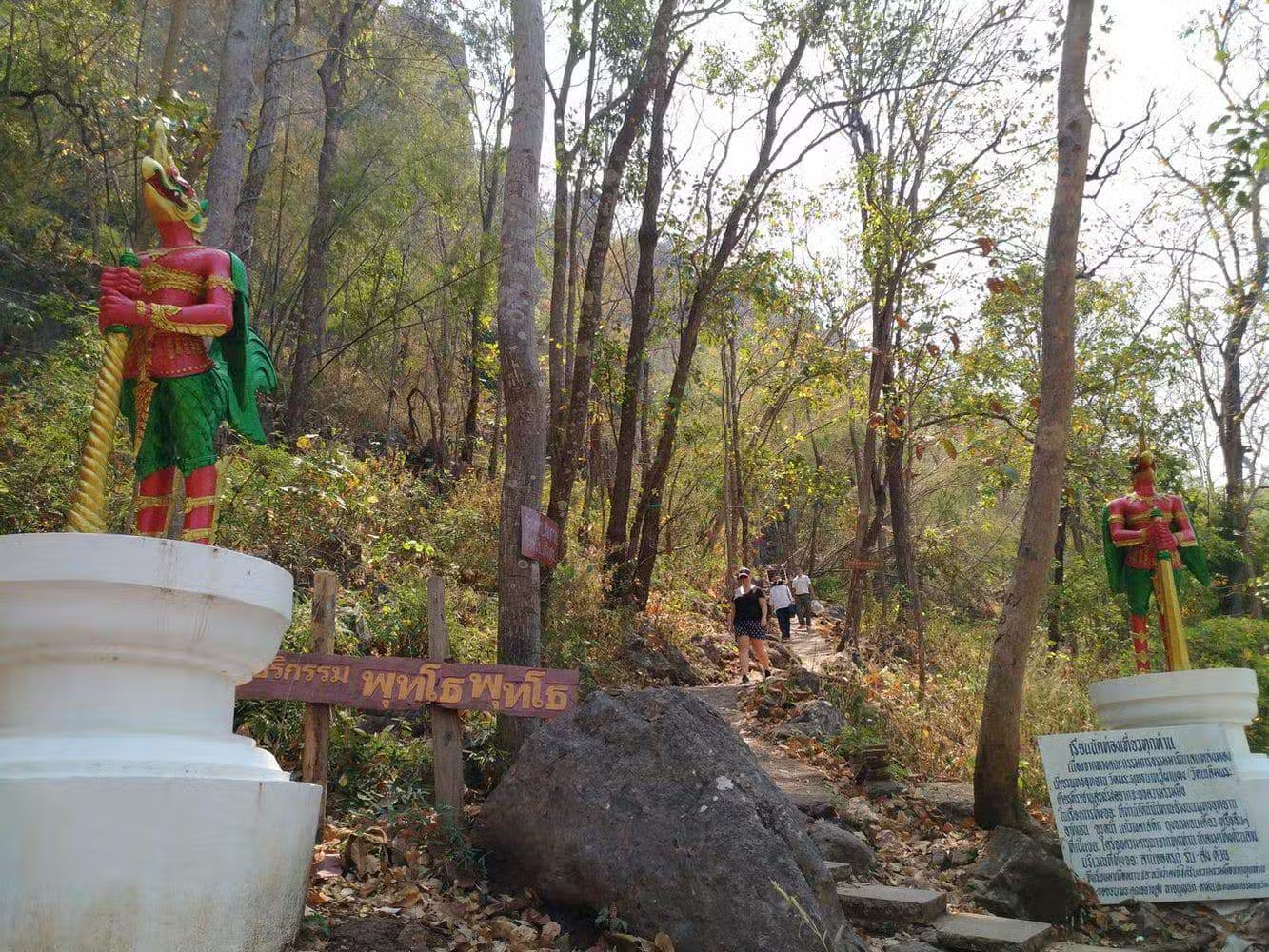
From the drop-off, paths and stairways continue uphill towards the pagodas. Budget around half an hour for the ascent at an unhurried pace, allowing longer for rests, heat or crowded sections. This is still a sustained climb even though the shuttle has covered the road portion.
Read the route and health notices before proceeding. Bring water and use footwear with a secure grip, especially after rain. If repeated steps are difficult for you, discuss the actual walk before buying the ticket; being able to sit in a pickup is not evidence that the summit is accessible to you.
Treat the return descent as part of the effort. Keep your hands free where you need the railings and stop to take a photograph rather than walking down while looking at a screen. If weather changes sharply, follow local instructions rather than continuing to an exposed viewpoint for a particular picture.
Footprint Shrine and Summit Viewpoints
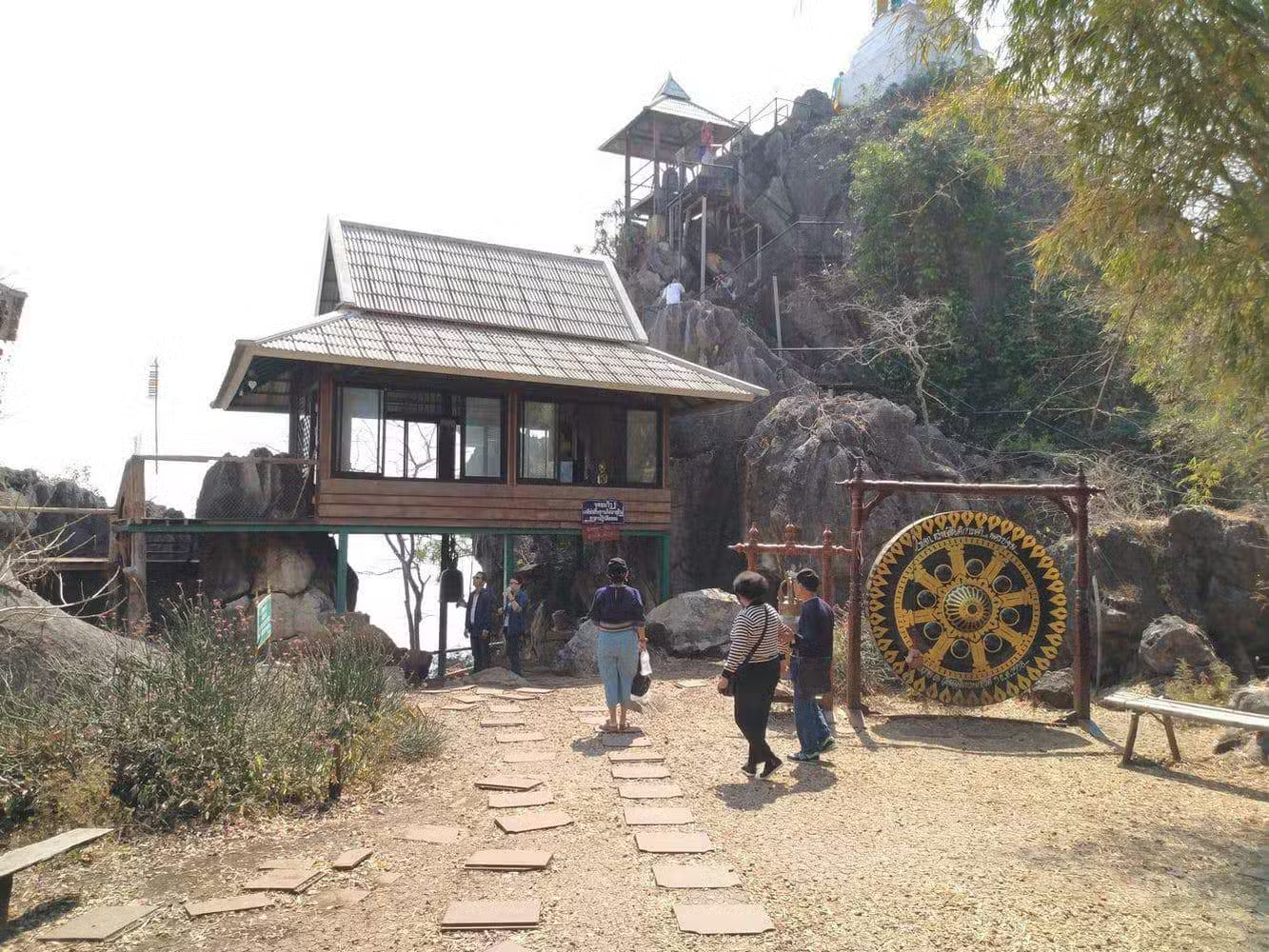
A small shrine associated with the Buddha footprint is near the upper vehicle drop-off, separate from the final climb. Ask about current access if you want to include it. Follow the shrine’s directions and give worshippers space.
At the top, the smaller viewpoint involves a narrow, steep steel stairway, while a roofed sala offers a roomier place to pause. You can choose where to stop according to the conditions and your comfort with heights. Reaching the main visitor area does not oblige you to attempt every further stairway.
Stay within the visitor routes and do not climb rock outcrops to imitate a distant photograph of a stupa. The individual pagodas are part of the temple landscape, not an invitation to explore every ridge. Give others time on narrow stairs and make space for worshippers at the sala.
Tickets, Opening Times and Visit Planning
A visitor report with July 2026 tariff photographs gives foreign-adult admission at 290 baht, including the return temple shuttle. Use this as a planning figure and check the current board on arrival. Thai-national and child categories differ; ask about eligibility instead of assuming a child’s age or ticket category from an online estimate.
Reported ticket-sale hours are 7:30am to 4pm on weekdays, and 7am to 4pm on Saturdays, Sundays and public holidays. Arrive well before the end of sales so you have time for shuttle queues, the climb and the descent. The end of ticket sales should not be treated as a recommended starting time for an unhurried visit.
Allow around two to three hours at the temple as a practical buffer for transport, walking, shrine visits and viewpoints. Carry the essentials for the climb rather than depending on a shop at every stage. Cover shoulders and knees for religious areas, follow shoe-removal signs and keep conversation considerate near prayer.
Travelling from Chiang Mai or Lampang
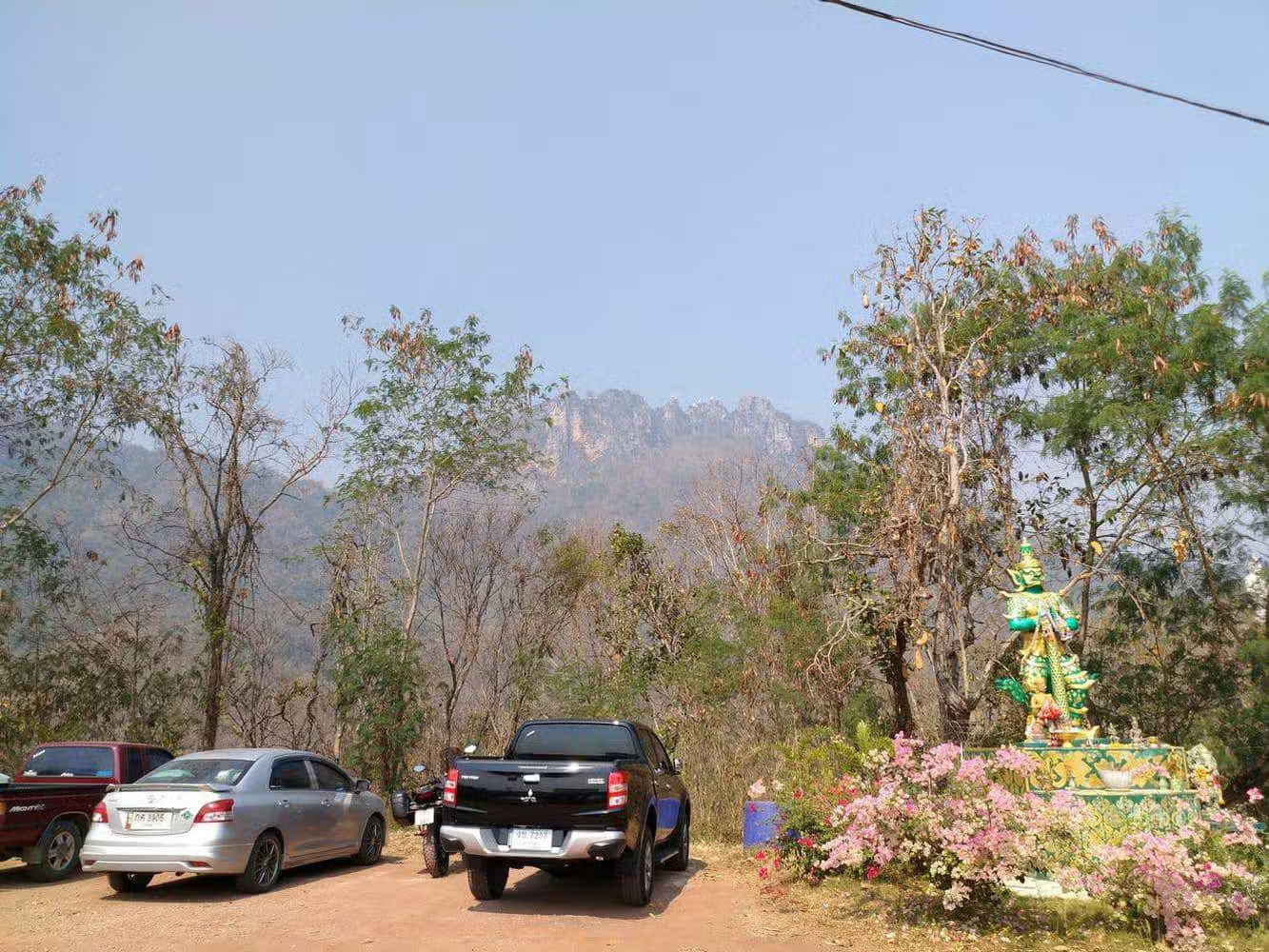
The temple is in Wichet Nakhon, Chae Hom district, north of Lampang city, reached from the Route 1035 corridor. Use the current temple name together with Wat Chaloem Phra Kiat when arranging a driver, and navigate to the base visitor parking and ticket area rather than an isolated summit pin.
From Chiang Mai, road options include Route 118 through Doi Saket and the mountain connection on Route 1252, or a longer approach using Route 11 towards Lampang, then Routes 1157 and 1035. Allow roughly two and a half hours each way as an initial planning estimate, with extra time for traffic, road conditions and stops.
The shorter mountain route is not automatically the easier drive. Ask a local driver which approach suits the day’s conditions, and make the temple the main purpose of a Chiang Mai day trip rather than adding several distant attractions. A booked vehicle should include waiting time and the return journey, while the temple shuttle remains a separate part of access.
Staying in Lampang reduces the amount of road travel on the temple day; the base is roughly an hour to an hour and a half from the city. Whichever starting point you choose, plan an early departure and leave enough time for a relaxed return. There is no need to rush the stairs to make up time lost on the road.
Wat Phra Phutthabat Sutthawat FAQs
Is this the same temple as Wat Chaloem Phra Kiat?
Yes. Wat Phra Phutthabat Sutthawat is the current name, while the former Chaloem Phra Kiat name and Floating Pagodas nickname remain widely used. Include both names when arranging transport.
Does the pickup take you all the way to the pagodas?
No. It reaches the upper drop-off and start of the walking route. You still need to climb paths and stairways, so assess the walking demands before buying a ticket.
How much is admission?
The reported foreign-adult combined entry and return-shuttle price is 290 baht. Check the current tariff board and ask about separate child or Thai-national categories rather than assuming one price applies to everybody.
How long does the climb take?
Allow around half an hour for the uphill walk, plus rests and time at the viewpoints. Pace varies considerably, and the descent and shuttle wait also need to be included in your overall visit.
Is it suitable if I am uncomfortable with heights?
Some final viewpoints have narrow, exposed stairs. You can stop at a place that feels comfortable, but the main approach still involves climbing; discuss the route beforehand if heights or mobility are concerns.
Can I visit from Chiang Mai in a day?
Yes, with an early start and arranged return transport, but it is a long outing. Allow roughly two and a half hours each way for driving before adding the temple visit and any stops.
When is the best time to arrive?
Aim for the morning with enough time for ticketing, the shuttle and an unhurried climb. Weather determines the views, and arriving just before ticket sales end leaves little margin for delays.









Do You Have a Question to Ask?