

























Wat Chiang Yuen stands just outside the northern side of Chiang Mai’s Old City, on Manee Nopparat Road. Its white-and-gold chedi, lion guardians and Burmese-influenced buildings give it a distinctive place on a north-moat temple walk.
Often called the Temple of Long Life, it combines architectural interest with a continuing role in neighbourhood worship. Take time to look beyond the main chedi: the assembly hall, devotional pavilion and separate octagonal ordination hall reveal different aspects of the site’s Lanna and Shan connections.
The White-and-Gold Chedi
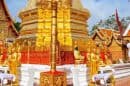
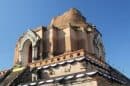
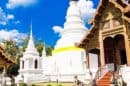
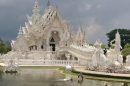
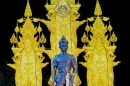
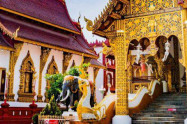
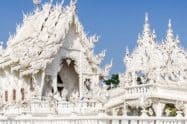
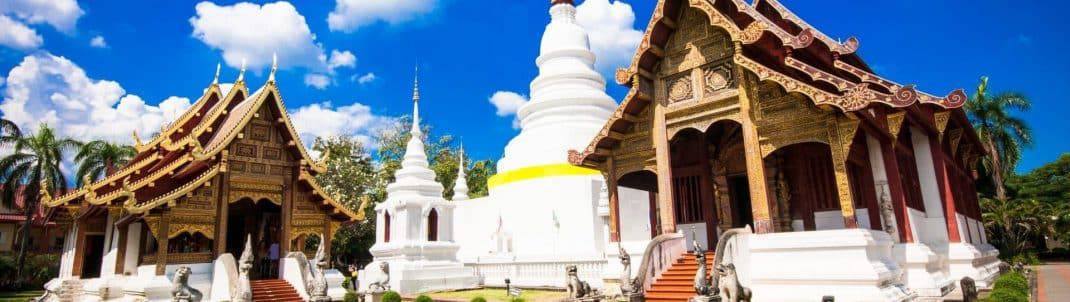
The large chedi is the clearest landmark within the main compound. Its broad white lower structure supports the upper monument and gilded details, with chinthe lion figures guarding the corners. Look from the courtyard to appreciate the changes in form as the structure rises.
The chedi brings Lanna and Burmese influences together, rather than following the same profile as every temple inside the Old City. Floral decoration and the upper ceremonial finial add detail to its substantial silhouette. Follow the ground-level paths and keep clear of offerings and areas reserved for religious use.
The Assembly Hall and Devotional Pavilion
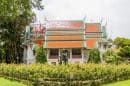
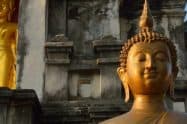
The viharn, or assembly hall, contains the temple’s principal sacred Buddha image, known as Phra Sapphanyu Chao. The hall is a place of worship as well as an architectural stop, so enter only when access is permitted and give people praying space around the image.
The temple is associated with the tradition of Lanna rulers paying respect before taking up important duties or entering Chiang Mai. That connection helps explain its significance beyond the size of its grounds. Its name also conveys longevity and endurance, giving the site an auspicious identity in local religious life.
Between the hall and chedi, the decorated sala adds a smaller-scale feature to the visit. Its gilded gables, Buddha image and ornate poles topped with hamsa bird forms reward a closer look from the permitted paths.
The Separate Octagonal Hall
An octagonal ubosot, or ordination hall, stands separately from the main sightseeing compound near Sanamkila Road and Wat Chiang Yuen Municipal School. This building is easy to miss if you only walk around the large chedi.
Its eight-sided form and layered roof show a strong Burmese architectural influence. Stucco floral decoration around the entrance and windows adds variety between its faces, making it an interesting companion to the main temple buildings.
Use the public approach towards the road frontage and follow the signs about access. The nearby school and enclosed religious area have their own purposes; a temple visit does not provide permission to enter classrooms or closed buildings.
Hours, Admission and Temple Etiquette
The usual published sightseeing window is 8am to 6pm daily, with free general admission and optional donations. Individual halls can be closed for worship or other temple activities, so follow local instructions rather than assuming the whole complex is accessible throughout that period.
Allow around 30 to 45 minutes for the main compound, with extra time if you include the separate octagonal hall. Morning or late afternoon can make the outdoor part of the visit more comfortable.
Cover shoulders and knees, take off shoes where indicated and keep conversation quiet. Ask before photographing people, avoid flash in religious interiors and keep entrances clear. If steps affect your visit, enquire about the easiest permitted route before entering a raised hall.
Getting There from the North Moat
The address is 160 Manee Nopparat Road, Si Phum, Chiang Mai 50200. The temple is on the outside of the northern moat, east of Chang Phuak Gate. From the northern Old City, walk towards the gate area and use a safe crossing to reach the outer road.
A taxi, tuk-tuk, red songthaew or app-based car can bring you from farther away. Show the temple name and Manee Nopparat Road location, and confirm the fare where needed. Nearby roads carry through traffic, so arrange a safe drop-off rather than stopping across the entrance.
Wat Chiang Man inside the Old City and Wat Lok Molee farther west along the outer moat can be included in a broader walk. They are separate temples with different layouts; allow time for the connecting streets and crossings rather than treating them as one complex.
Wat Chiang Yuen FAQs
What is Wat Chiang Yuen known for?
Its white-and-gold chedi and lion guardians are the main visual landmarks. The assembly hall, decorated sala and separate octagonal ordination hall also show the temple’s Lanna and Burmese influences.
Why is it called the Temple of Long Life?
The name conveys longevity and endurance. The temple has an auspicious role in local religious tradition, including associations with rulers paying respect before important undertakings.
Where is the octagonal hall?
It stands separately near Sanamkila Road and Wat Chiang Yuen Municipal School. Use the public approach and follow access instructions for the enclosed religious building and neighbouring school.
What are the hours and admission arrangements?
The usual published sightseeing window is 8am to 6pm daily, with free general admission. Religious activity can affect individual hall access, and donations are optional.
Is the temple inside the Old City?
It is just outside the northern moat on Manee Nopparat Road, east of Chang Phuak Gate. Plan a safe road crossing if approaching from inside the Old City.




Do You Have a Question to Ask?