







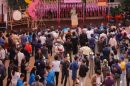





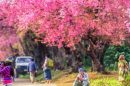
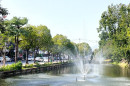

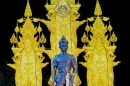











Wat Huay Pla Kang is a large Buddhist temple complex north-west of Chiang Rai, combining Lanna and Chinese design with three very different landmarks. Its nine-storey pagoda, white ordination hall and enormous white Guan Yin statue make the grounds an engaging stop for architecture, religious art and views across the surrounding countryside.
The giant statue is often labelled a Big Buddha in tour descriptions, but it depicts Guan Yin, the bodhisattva associated with compassion. Recognising that distinction makes the visit more meaningful and helps explain the Chinese imagery found throughout the complex.
The three main landmarks
The nine-storey Found Chok pagoda
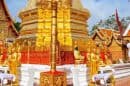
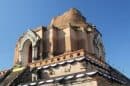
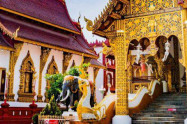
The tiered pagoda is one of the temple’s defining buildings, with its stacked roofs and dragon-flanked approach. It combines regional and Chinese architectural elements rather than following the appearance of a typical single-storey Chiang Rai worship hall. Look at the building as a whole before moving closer to its entrance details.
Inside, carved wooden religious images are a major feature. Visit the accessible levels at your own pace and observe any restrictions affecting upper-floor access. Stairs are part of this experience, so a view of the pagoda from the grounds remains a worthwhile option if climbing is impractical.
The white ordination hall
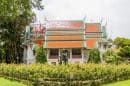
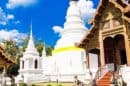
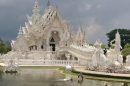
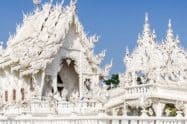
The white ubosot, or ordination hall, provides a visual contrast to the pagoda’s warmer colours and layered roofline. Its pale surfaces and ornament invite close attention, while the temple’s worship function determines how visitors should enter and behave. Follow signs about shoes and photography, and wait if a service or ceremony limits access.
Give the hall its own place in the visit rather than moving directly from the entrance to the statue. Seeing these buildings together reveals the range of styles within the compound, and a walk between them gives different views of the pagoda and giant figure.
The Guan Yin statue and its interior
The large seated Guan Yin figure dominates the hillside. The scale is easiest to appreciate from the approach, where the stairs and surrounding structures provide a point of comparison. Leave time to look back across the complex after reaching the statue area.
A lift takes visitors into the statue’s upper interior, where elaborate white relief decoration and viewing openings add another perspective. This is a separate paid experience from general access to the temple grounds. The lift operates under its own arrangements, so confirm its opening and last admission when you arrive rather than assuming it remains available whenever the grounds are open.
Planning your route through the grounds
Start with an overview of the buildings, then choose the order that suits the weather and your interest in climbing or taking the lift. A brief tour stop can give an introduction to the main landmarks, while an independent visit allows more time for the pagoda’s details and the statue interior. Leave room in the schedule for movement between the different areas and any lift queue.
Much of the approach is outdoors. Take water and sun protection, and use shoes suitable for steps and paved slopes. If visiting with someone who cannot manage stairs, ask staff which approaches and interior areas are usable before paying for the lift. A lift inside the statue does not establish access across the whole compound.
Admission, hours and temple etiquette
General temple access is free, with a separate charge for the Guan Yin lift. Visitor listings commonly quote 40 baht for foreign visitors; confirm the current rate and any other categories at the ticket point. Donations are separate from admission, and a tour ticket does not necessarily include the lift.
Plan a daytime visit for viewing the buildings and countryside. The grounds and individual interiors can have different hours, with the lift generally closing earlier than the wider complex. Check those arrangements if arriving late or if entering the statue is your main reason for coming.
Dress with shoulders and knees covered and remove shoes where requested. Keep voices low in worship areas, avoid obstructing people making offerings and ask before photographing ceremonies. Treat the complex as an active religious site even when most people around you are sightseeing.
Getting to Wat Huay Pla Kang
The complex is in the Rim Kok area, approximately seven kilometres north-west of central Chiang Rai. Arrange a taxi, private driver or tour that names Wat Huay Pla Kang as a stop. Confirm whether your driver will wait or how you will arrange a return ride, especially if visiting later in the day.
From Chiang Mai, this is part of a longer Chiang Rai outing, not a nearby city temple. A route combining it with the White and Blue Temples is different from a Baan Dam or Golden Triangle itinerary, so check the stop list before booking. Do not assume every Chiang Rai day tour includes this complex.
Wat Huay Pla Kang FAQs
Is the giant white statue a Buddha?
It depicts Guan Yin, associated with compassion in Mahayana Buddhism. The frequent Big Buddha nickname can be misleading, particularly when comparing tour itineraries.
What should I see besides the statue?
Include the nine-storey Found Chok pagoda and the white ordination hall. Their contrasting architecture makes the visit more varied than a single statue stop, even if you choose not to enter the upper interior.
Is there an entrance fee?
General temple access is free, while entering the Guan Yin statue by lift is charged separately. A commonly listed foreign-visitor rate is 40 baht; confirm the ticket price and categories at the site.
Can I use the lift late in the evening?
Check the lift’s own opening and last admission. Wider grounds access should not be treated as a guarantee that the statue interior or other buildings remain open.
Is the complex suitable for visitors who cannot climb stairs?
Parts of the visit involve stairs and outdoor approaches. Ask staff about the usable route to each building and the lift before committing to a paid interior visit; access varies across the compound.
Can I visit from Chiang Mai on a day tour?
Some Chiang Rai tours include Wat Huay Pla Kang, usually alongside other landmarks. Confirm the named stops and allow the whole day for travel from Chiang Mai and the return journey.
How should I dress?
Wear clothing covering shoulders and knees and follow signs about removing shoes. The complex remains a place of worship, so respectful behaviour matters in both the halls and offering areas.



Do You Have a Question to Ask?