














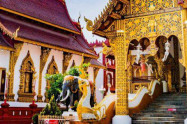
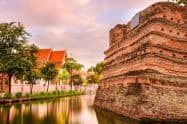








Wat Ket Karam Museum brings Chiang Mai’s riverside past into focus through old photographs, household objects and religious artefacts gathered in a former monk’s residence. The small museum stands within Wat Ket Karam, on the east bank of the Ping River, where the surrounding neighbourhood grew through trade and the movement of people and goods.
The appeal is the connection between everyday objects and the streets outside. A visit makes a useful companion to exploring Charoen Rat Road, with its older houses and river-facing businesses, rather than an isolated museum stop.
A collection rooted in the neighbourhood
Old photographs are among the most rewarding displays because they show how Chiang Mai looked before many modern changes. Compare the streets, river scenes and buildings with the neighbourhood you have just walked through. The collection also includes musical instruments, clothing and textiles, crockery, banknotes and objects associated with the temple.
These are community memories as much as decorative antiques. An ordinary household item can tell you about daily life, while a carved architectural piece shows the craftsmanship used in a religious building. The rooms have the character of a local collection rather than a large museum with a prescribed route, so allow time to browse without expecting a particular temporary exhibition or guided tour.
The wooden building and its preservation
The museum occupies an old wooden residence formerly used by a senior monk. It was preserved and adapted as a museum in 1999 after local people sought to keep it as part of the area’s heritage. Jarin Bain, widely known as Uncle Jack or Jack Bain, helped establish the collection, preserving objects that connected the temple with the surrounding community.
The building is part of the experience. Look at how the rooms hold the donated objects, then step back into the temple grounds to see the collection in its religious setting. Ask before photographing interiors or objects and respect any room that is closed.
Visiting the museum and temple
Establish whether the museum rooms are accessible before making a dedicated journey for the collection. Their opening can differ from access to the temple grounds. When the rooms are open, allow roughly 30 to 60 minutes for browsing, with longer for old photographs and the neighbourhood walk.
Admission is generally free and donations help support the museum. Dress for a temple visit, covering shoulders and knees, and remove shoes where indicated. Keep voices low around worshippers and do not assume every part of the compound is open for sightseeing.
Getting there from central Chiang Mai
Wat Ket Karam is at 96 Charoen Rat Road in the Wat Ket neighbourhood, east of the Ping River. Arrive by taxi or songthaew using the temple name, then ask within the compound for the museum building. This is a separate collection from Chiang Mai’s city-centre history museums.
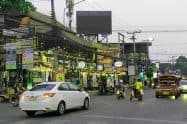
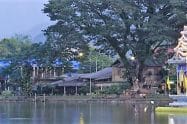
A walk along Charoen Rat Road can extend the outing, with old buildings, cafés and river views giving context to the photographs. Watch for traffic along the street and allow time for the return journey, rather than treating the whole riverbank as a continuous pedestrian promenade.
Wat Ket Karam Museum FAQs
What does the museum display?
The collection includes old Chiang Mai photographs, household items, textiles, musical instruments and temple artefacts. It is especially useful for understanding the community around the Ping River.
Is the museum the same as the temple?
It is a distinct collection inside the Wat Ket Karam compound, housed in a former monk’s wooden residence. Access to the temple grounds does not necessarily mean the museum rooms are open.
Does admission cost anything?
The museum is generally free to visit, with donations welcomed for its upkeep. Follow any arrangements posted at the entrance when you arrive.
When should you visit?
First establish whether the museum rooms are accessible, then plan a daytime stop. Allow around 30 to 60 minutes for browsing when the collection is open, apart from time spent in the temple or neighbourhood.
Can you combine it with a riverside walk?
Charoen Rat Road’s older buildings and river setting make a useful continuation of the visit. Allow for road traffic and separate stops at cafés or shops rather than expecting a single uninterrupted walking trail.




Do You Have a Question to Ask?