


















































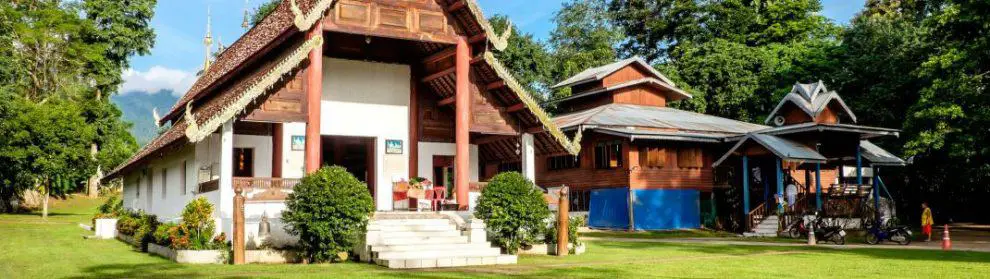
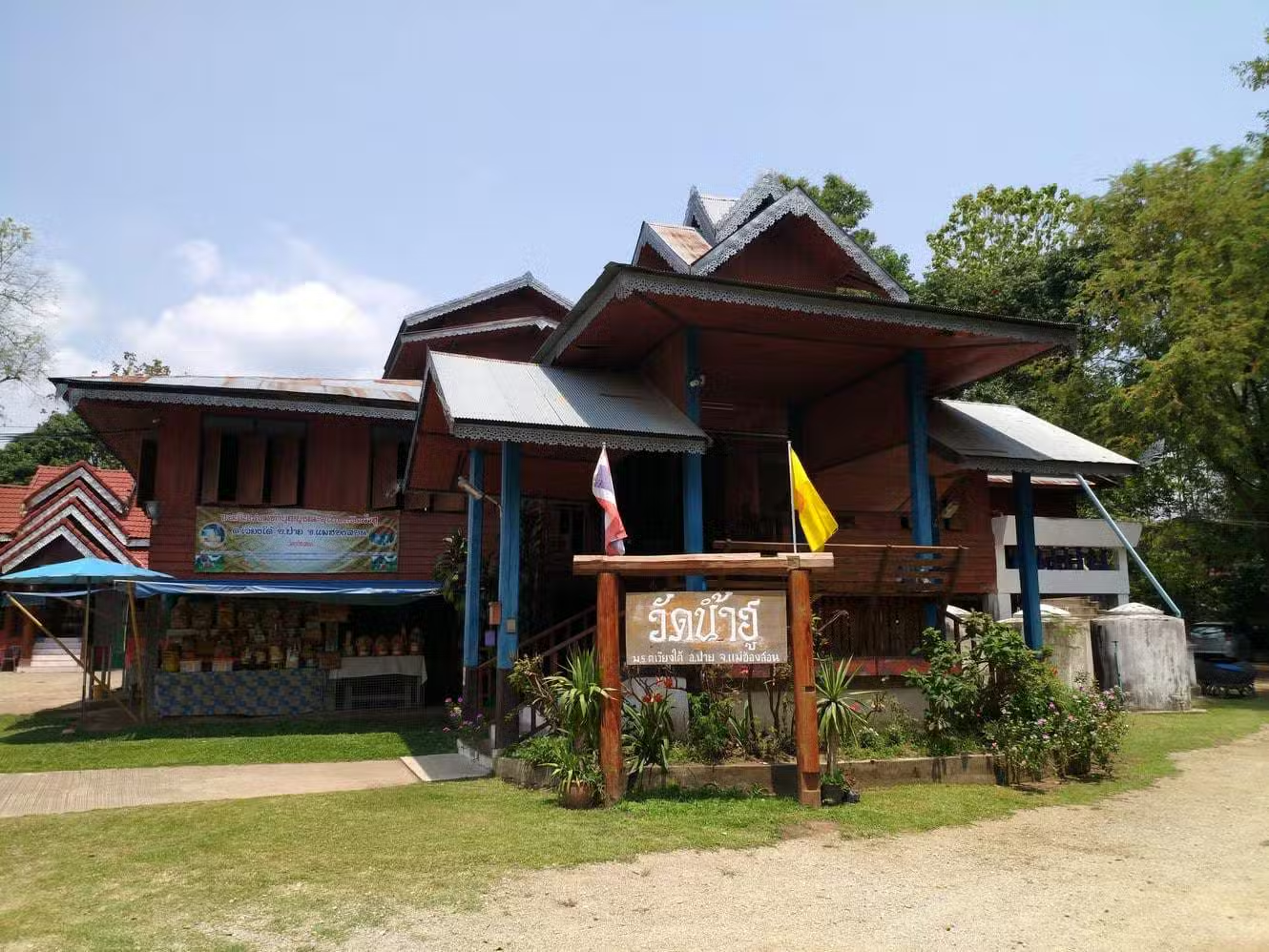
Wat Nam Hu is one of Pai’s important local temples, about 3km west of the town centre in Ban Nam Hu. Its main draw is Luang Phor Un Mueang, a revered bronze Buddha image associated with a belief in sacred water inside its hollow head.
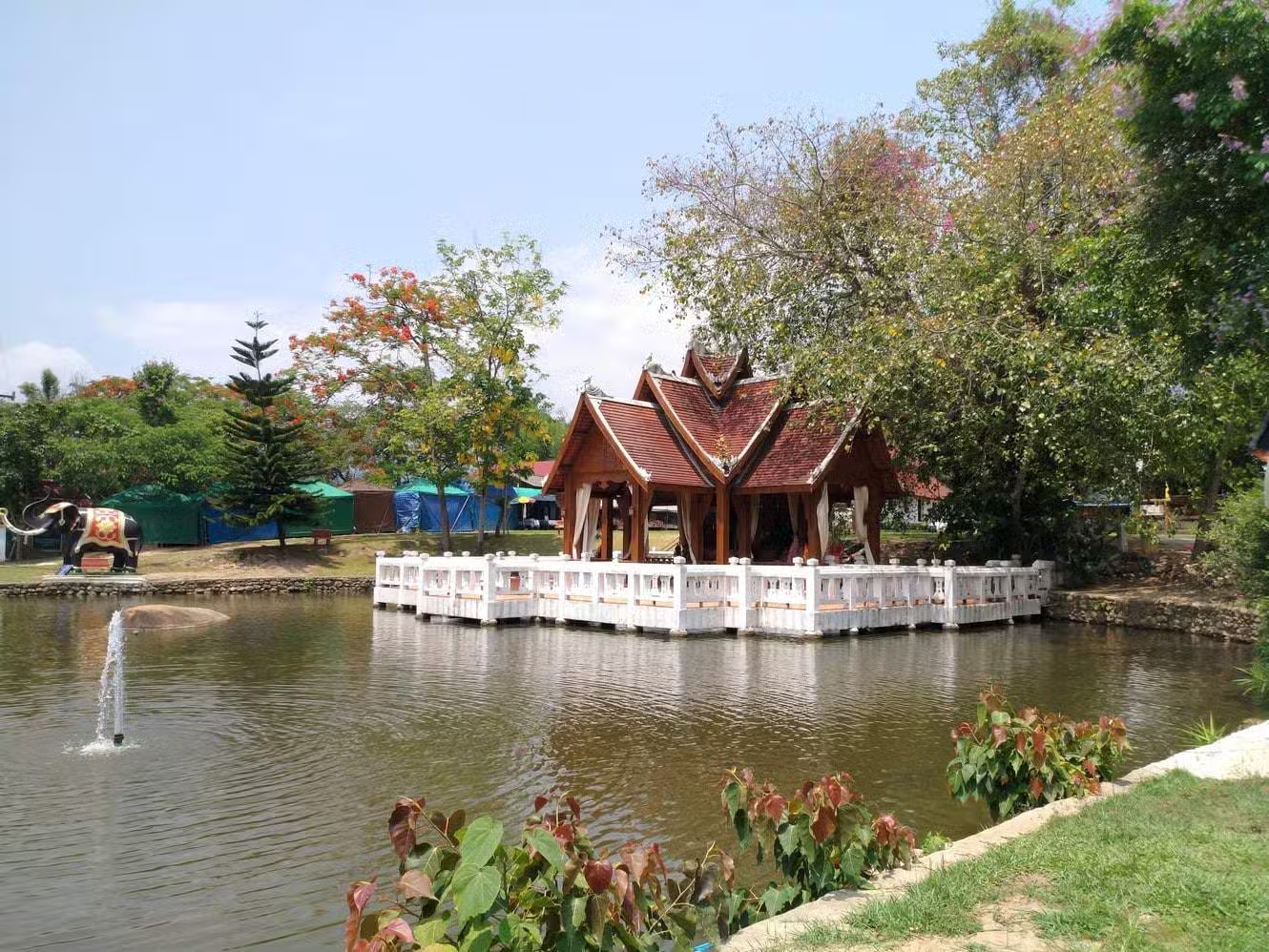
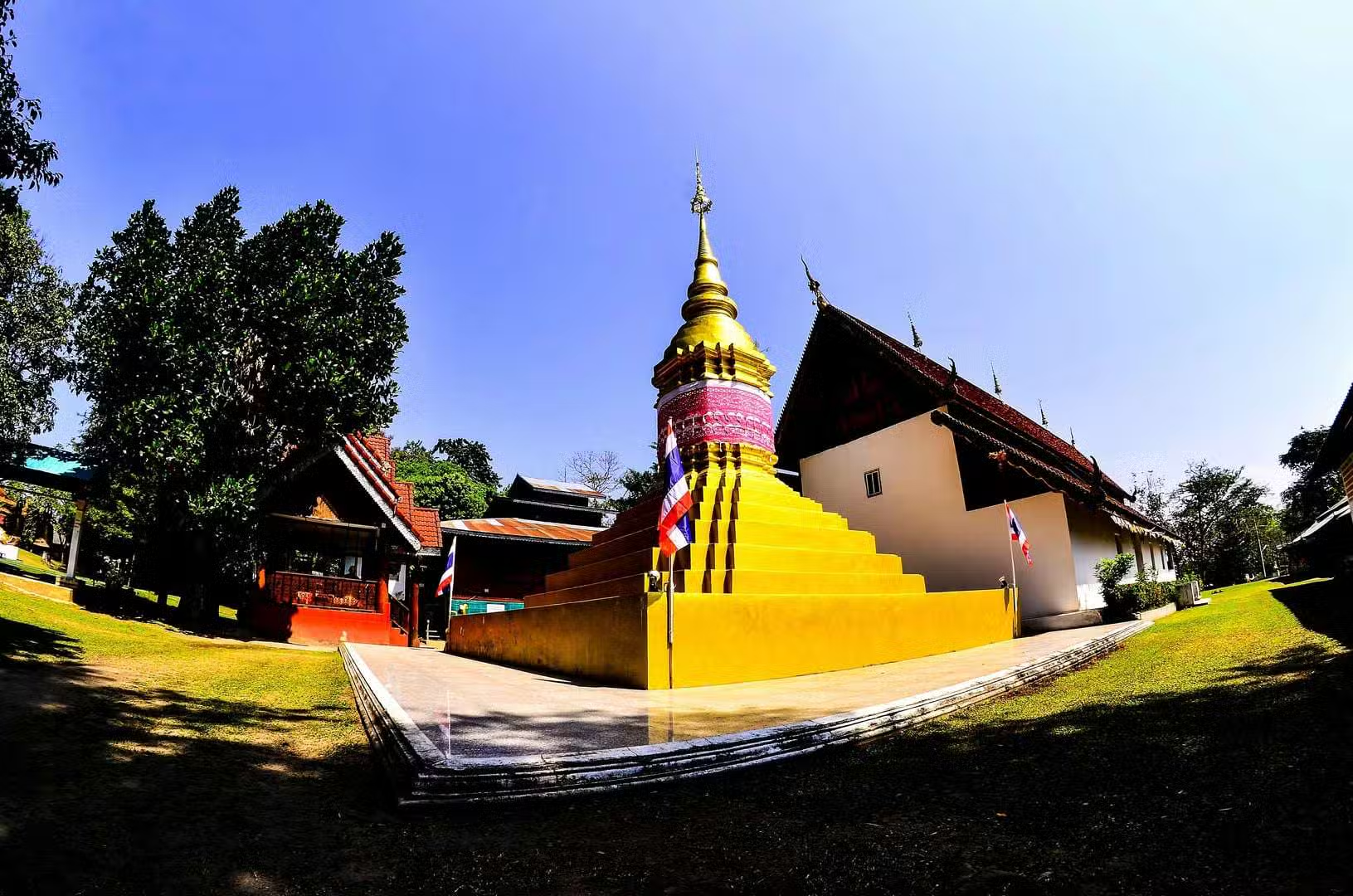
The visit combines worship, a golden chedi and a pond-side shrine setting. It fits naturally into a morning or afternoon exploring the western side of Pai, with Santichon Village farther along the same general direction.
Luang Phor Un Mueang and the Temple’s Significance
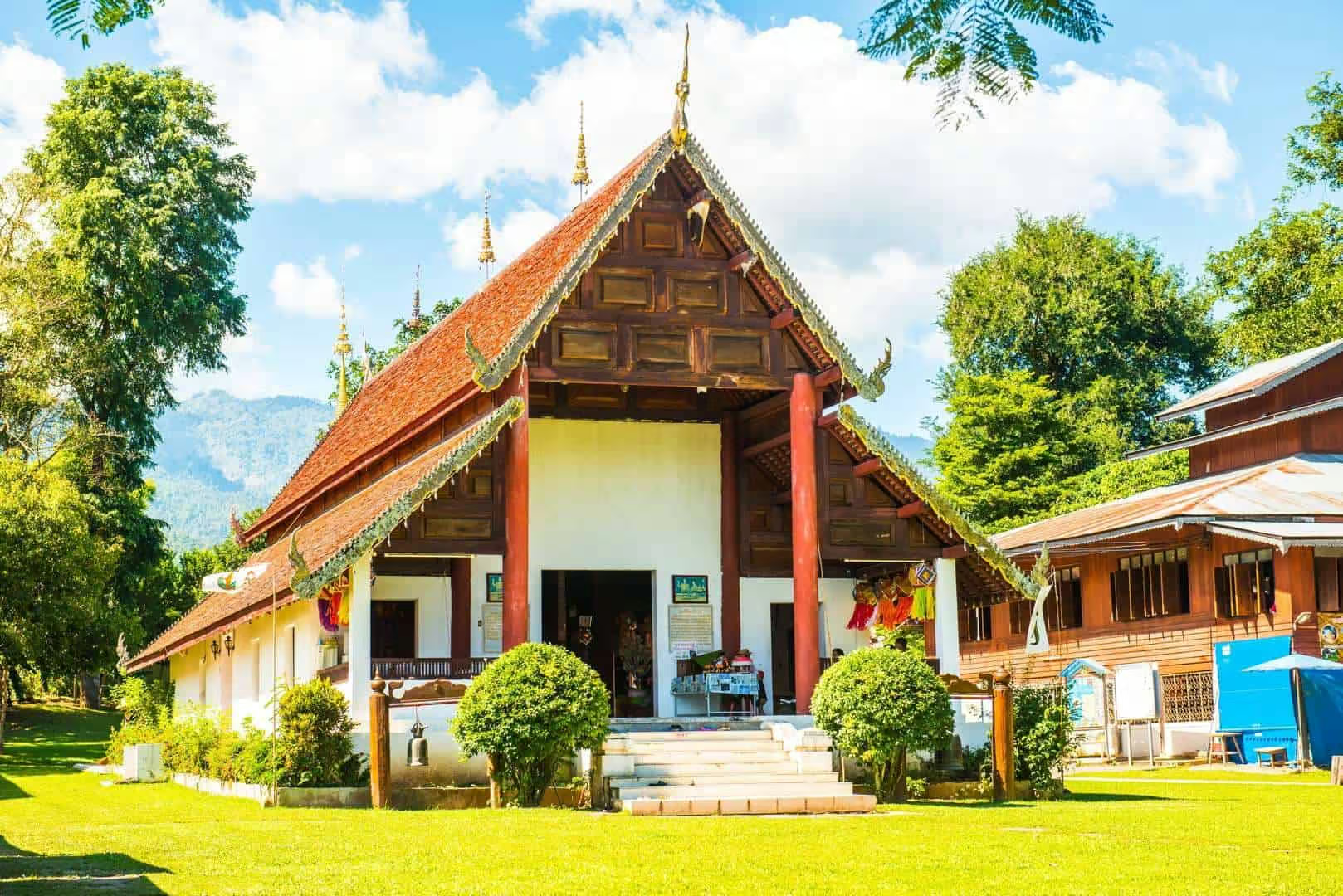
The Buddha image is in the northern Thai Lanna tradition, seated in the posture of overcoming Mara. Local accounts describe water collecting inside the hollow head beneath a removable topknot, which gives the image a special devotional significance. This is a religious belief to understand respectfully, rather than a display that visitors can open or test themselves.
Approach the worship area quietly and look for instructions about where to sit and whether photographs are welcome. Any distribution of water or offerings is subject to temple arrangements; do not expect to touch the image, handle its topknot or receive a demonstration.
The Chedi, Pond and Local Traditions
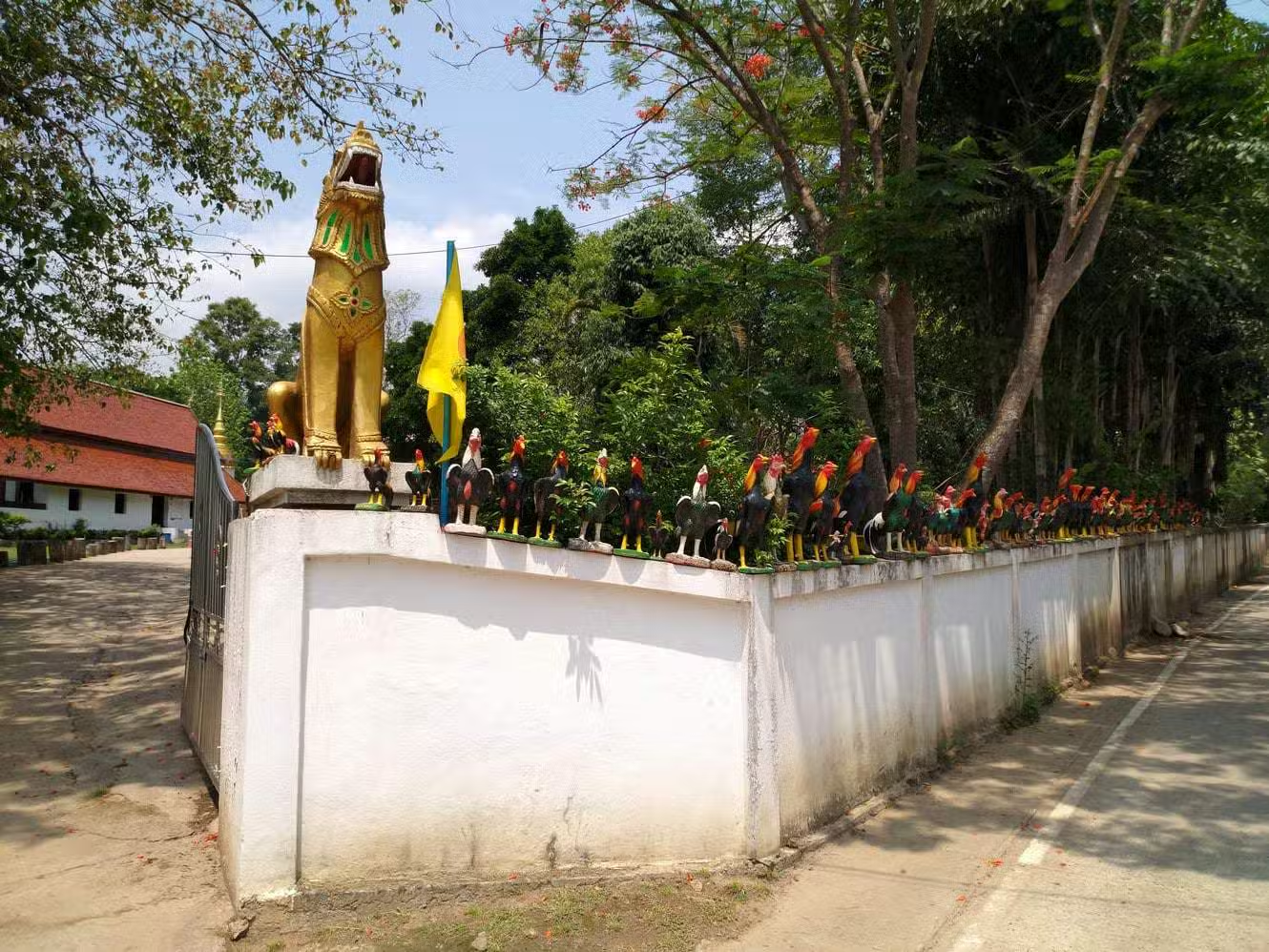
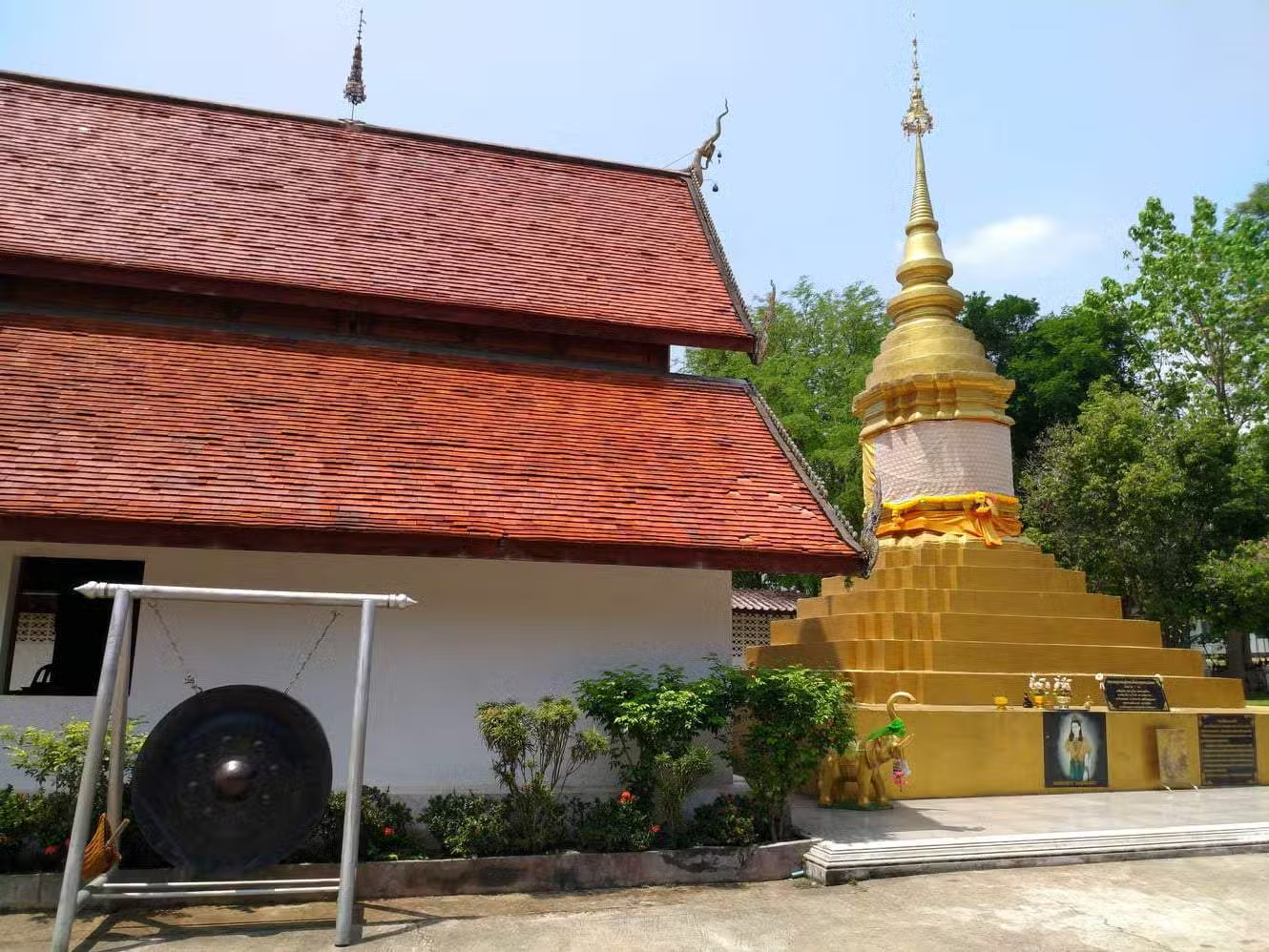
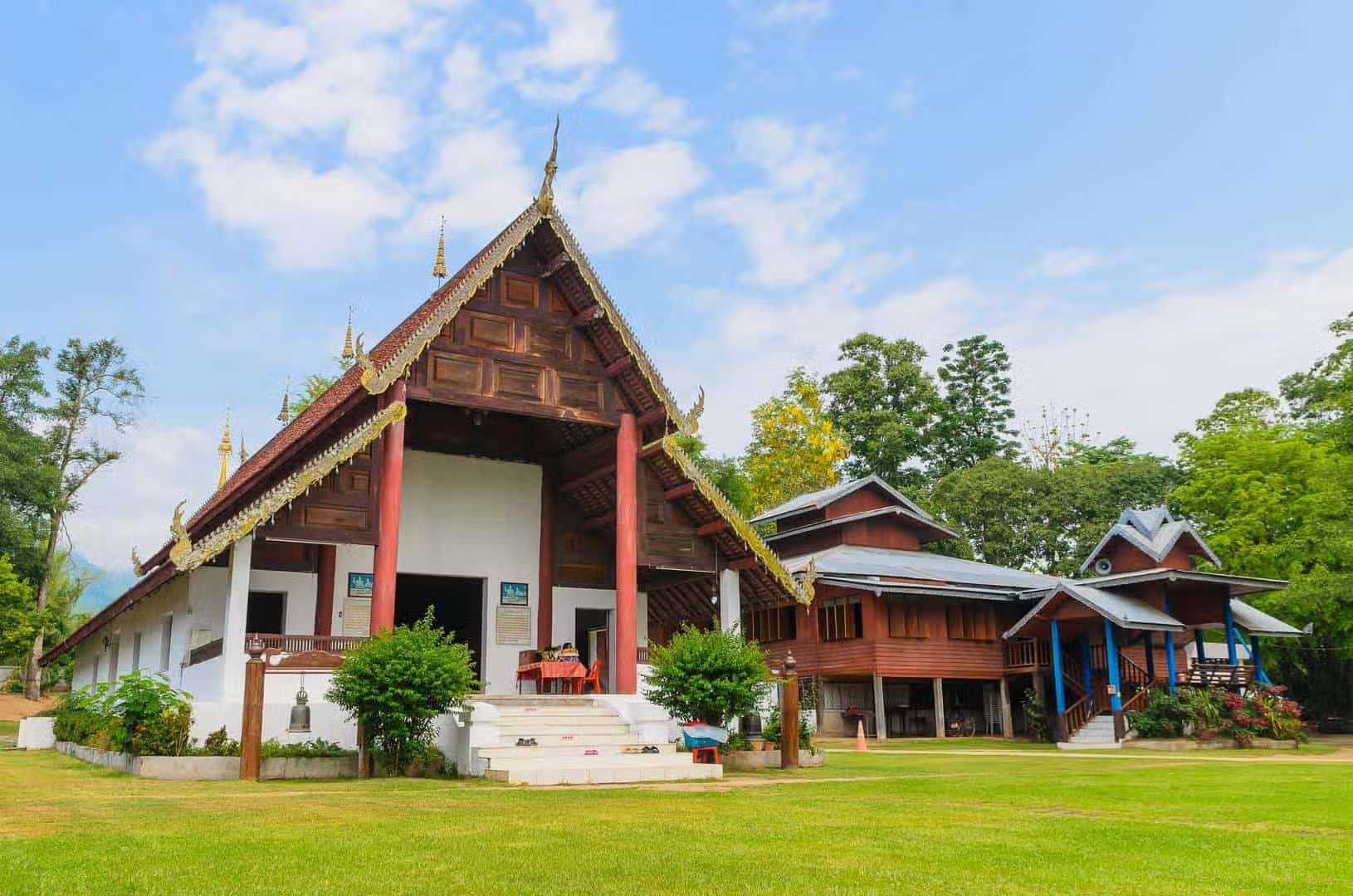
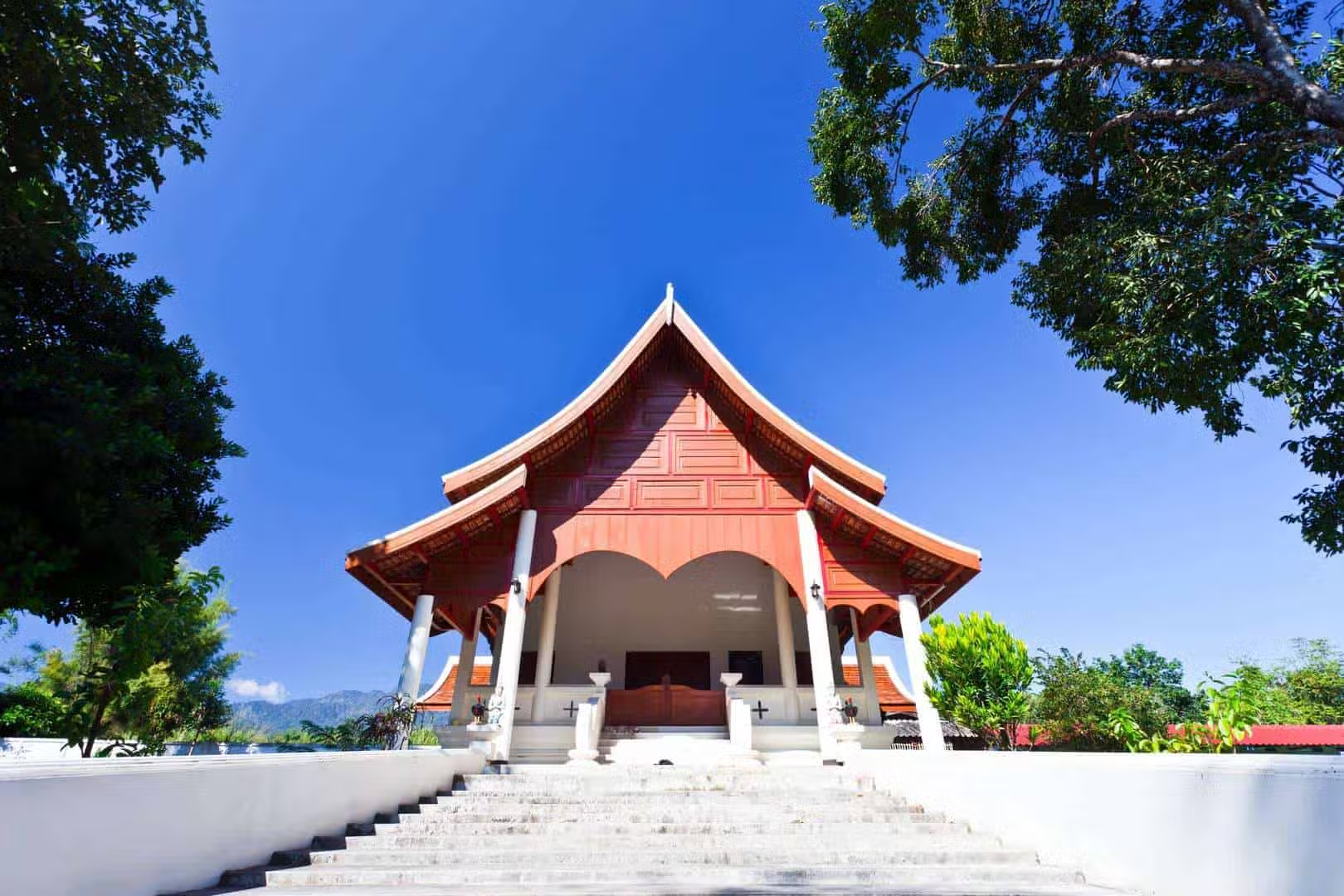
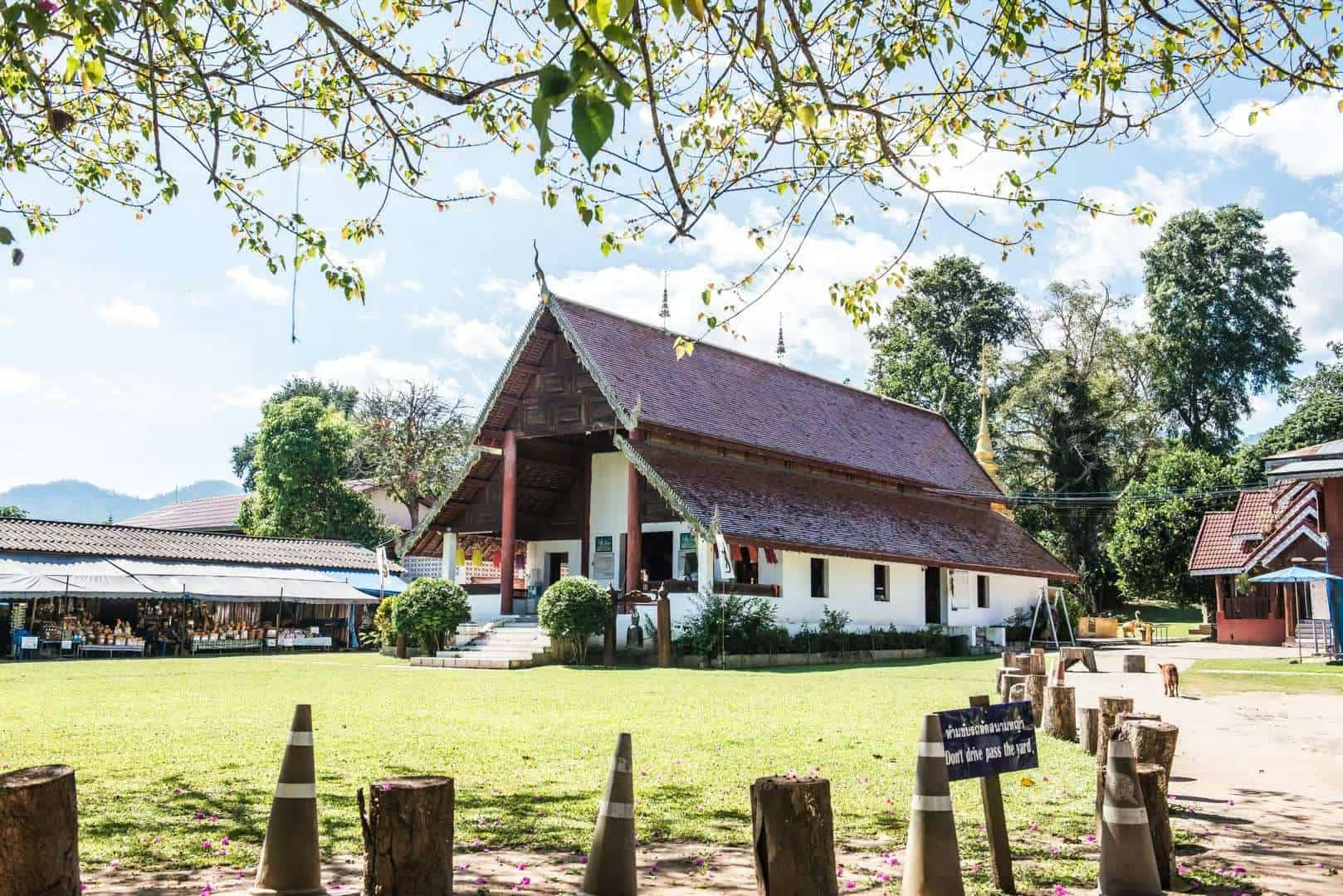
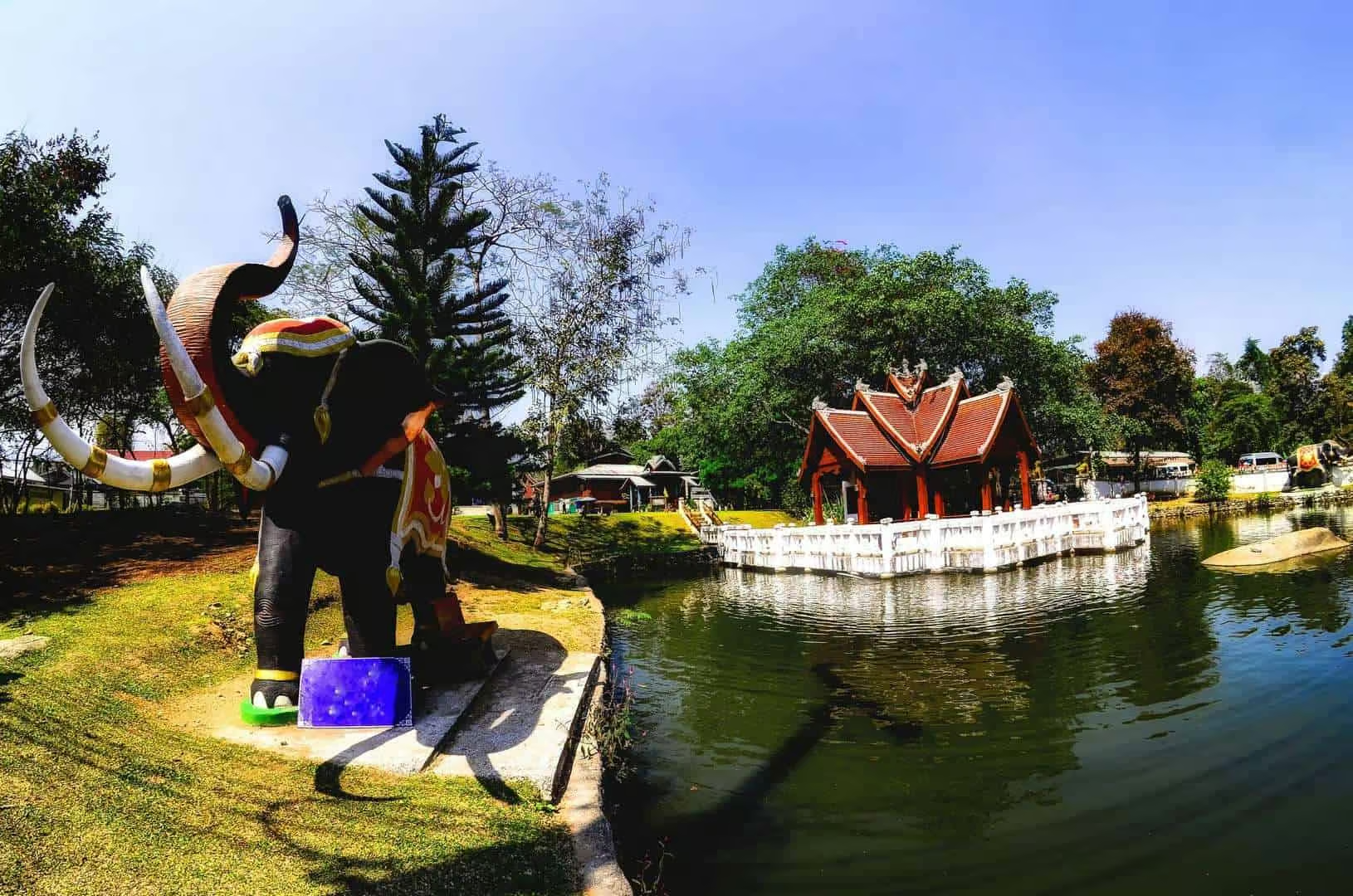
Walk through the public grounds to see the golden chedi behind the main hall and the shrine setting by the pond. These smaller spaces offer a change from Pai’s viewpoints and cafes, with the emphasis on local religious life rather than an elaborate visitor attraction.
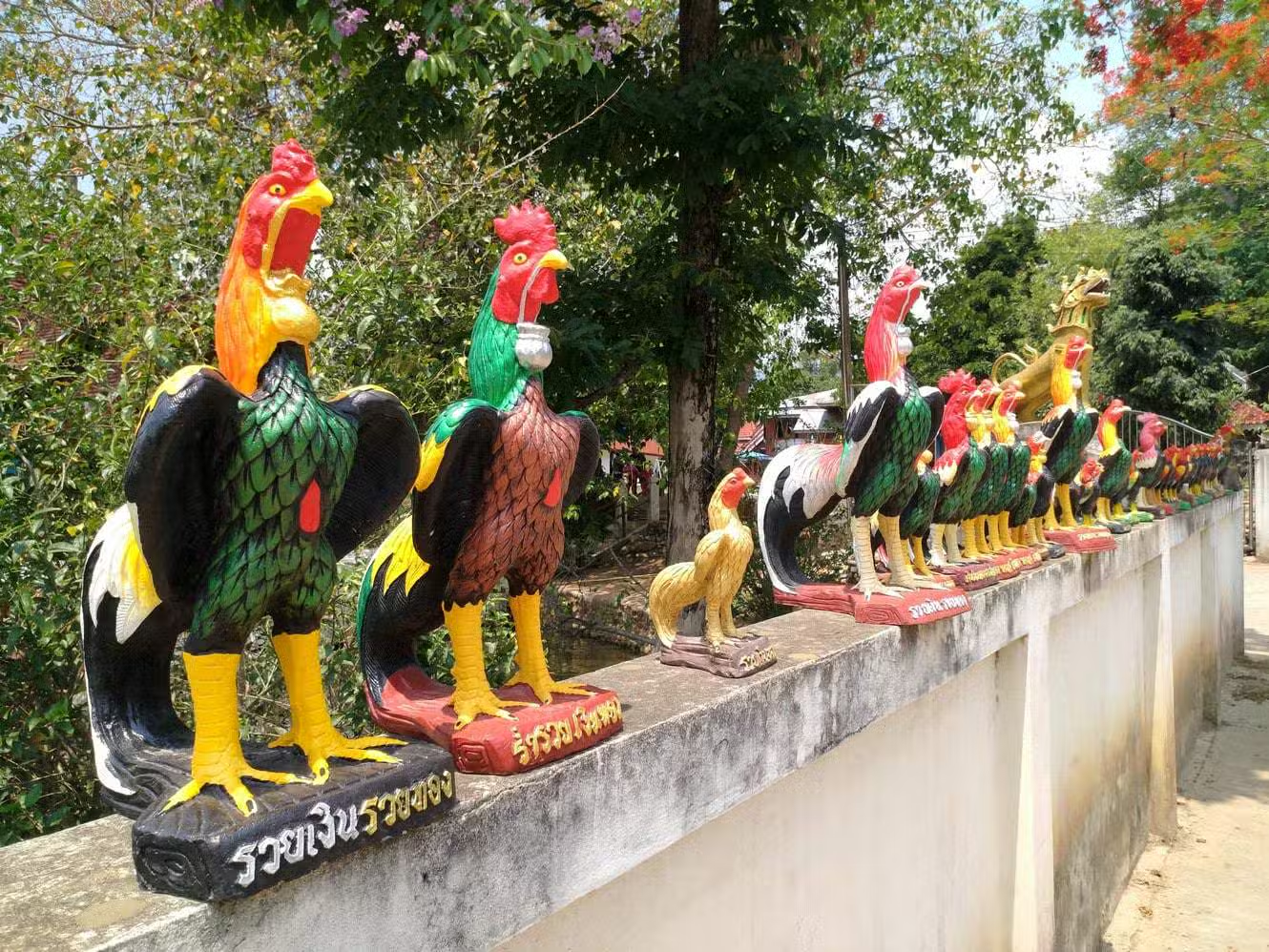
Tradition links the temple and chedi with King Naresuan and his elder sister, Princess Suphankanlaya. The precise founding history is uncertain, so the royal association is best understood as part of the temple’s local story. Take time to notice the memorial figures and setting instead of treating the stop as only a photograph of the principal Buddha.
Entry, Timing and Etiquette
Ordinary entry is free, with donations and purchases optional. Allow about 30-45 minutes for a relaxed look around; worship or a quiet pause by the pond can extend the visit. Small vendors may be available, but their presence and stock vary, so bring water rather than relying on a particular stall.
A daylight visit is the most useful choice, especially if you want to see the hall as well as the outdoor grounds. Check entrance notices for the day’s access arrangements, and avoid interrupting a service. Cover shoulders and knees, remove shoes where required and keep clear of private monastic areas.
Some religious buildings require steps, and access conditions differ between the courtyard, pond area and halls. If step-free access is essential, ask about the part of the temple you wish to visit before travelling. Children can enjoy the grounds with supervision around water and sacred objects.
Getting There from Pai
Wat Nam Hu is in Moo 5, Ban Nam Hu, Wiang Tai, west of Pai. Travel west from the central Chai Songkhram Road area towards Pai Hospital and Ban Nam Hu, following signs for the temple and Santichon Village. The roughly 3km distance is manageable as a short car journey; a long walk in heat is less appealing than it appears on a map.
Arrange a local driver, a private sightseeing trip or transport through your accommodation, and agree whether the driver waits for you. Cycling is an option for visitors comfortable on local roads; a scooter requires suitable experience and licence arrangements. Santichon can be combined with the temple, while continuing up to Yun Lai Viewpoint adds a steeper hill route and a separate stop with its own charges.
Wat Nam Hu FAQs
Why is Wat Nam Hu important?
It houses Luang Phor Un Mueang, a revered Buddha image connected with local beliefs about sacred water inside its hollow head. The temple remains a place of worship for Pai’s community, alongside its appeal to visitors.
Can visitors open or touch the Buddha image?
Do not handle the image or its removable topknot. Observe from the permitted worship area and follow temple instructions; the sacred-water tradition is not a hands-on visitor activity.
Is there an admission fee?
Ordinary visiting is free, with voluntary donations separate from any market purchase or offering. A nearby attraction or viewpoint may charge independently.
How long should you allow?
About 30-45 minutes is a useful allowance for the hall, chedi and public grounds. Allow longer for worship and check which buildings are available when you arrive.
How far is the temple from Pai?
It is about 3km west of central Pai in Ban Nam Hu, along the approach towards Santichon Village. Arrange the return journey if using a local driver rather than expecting transport to wait without agreement.
Can you combine it with Santichon and Yun Lai?
The temple and Santichon suit the same western Pai outing. Yun Lai is farther uphill and has a separate access and admission arrangement, so include that extra journey and cost when planning.









Do You Have a Question to Ask?