


















































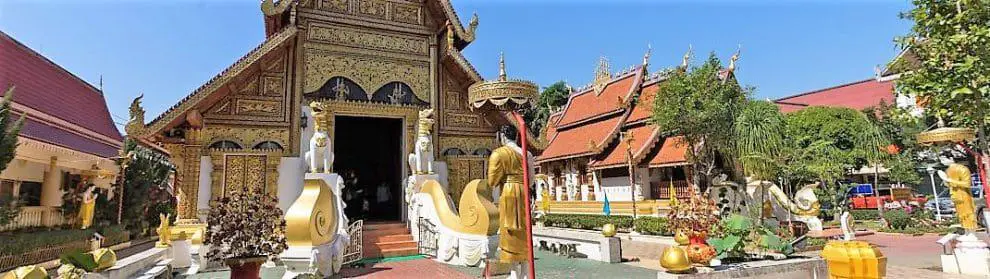
Wat Phra Singh is a historic Buddhist temple in central Chiang Rai, known for its Lanna architecture and association with the revered Phra Buddha Sihing image. Layered roofs, carved wooden decoration and a golden chedi make it a rewarding stop on a walk through the city’s older temple quarter.
This is the Chiang Rai temple on Singhaklai Road, separate from its better-known namesake in Chiang Mai. Its compact grounds invite a slower look at craftsmanship and worship rather than a quick stop for a single landmark photograph.
Lanna Roofs and Carved Wooden Decoration
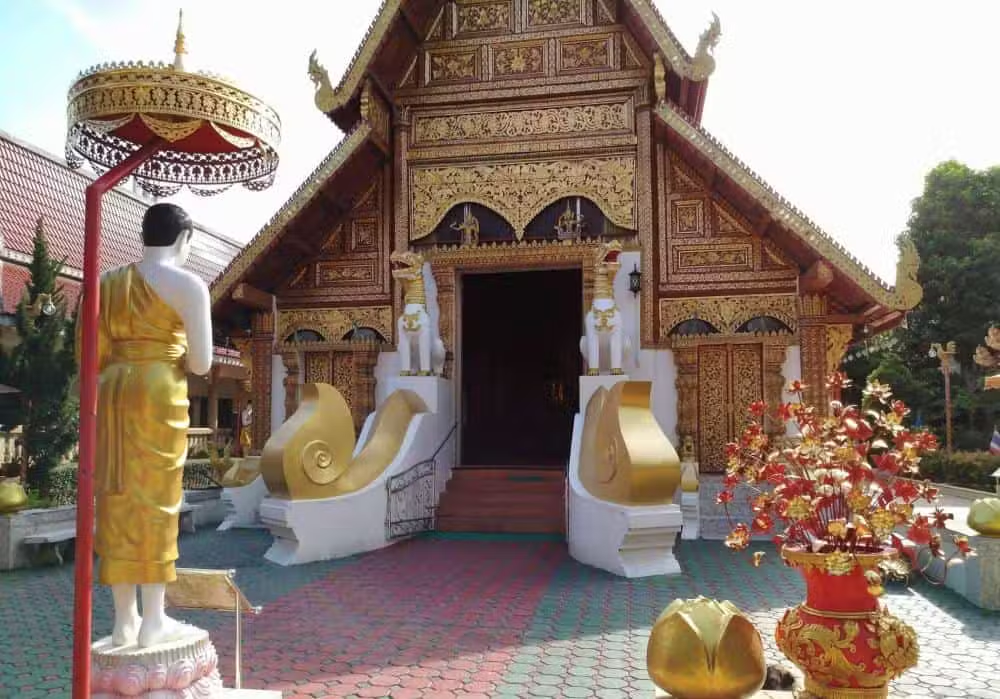
The temple is traditionally dated to 1385, though the buildings and decoration seen today reflect later work as well. The assembly and ordination halls show the layered rooflines and richly worked surfaces associated with northern Thai temple architecture.
Look closely at the doors, façade panels and roof details. Floral designs and celestial figures turn the entrance into part of the experience, while gilding picks out shapes that can be easy to miss when looking only towards the main Buddha image.
Carved decoration associated with artist Thawan Duchanee brings the four elements – earth, water, air and fire – into the temple’s visual language. Take time to study the individual forms rather than expect the decoration to explain itself in one glance.
Buddha Images, Chedi and Devotional Spaces
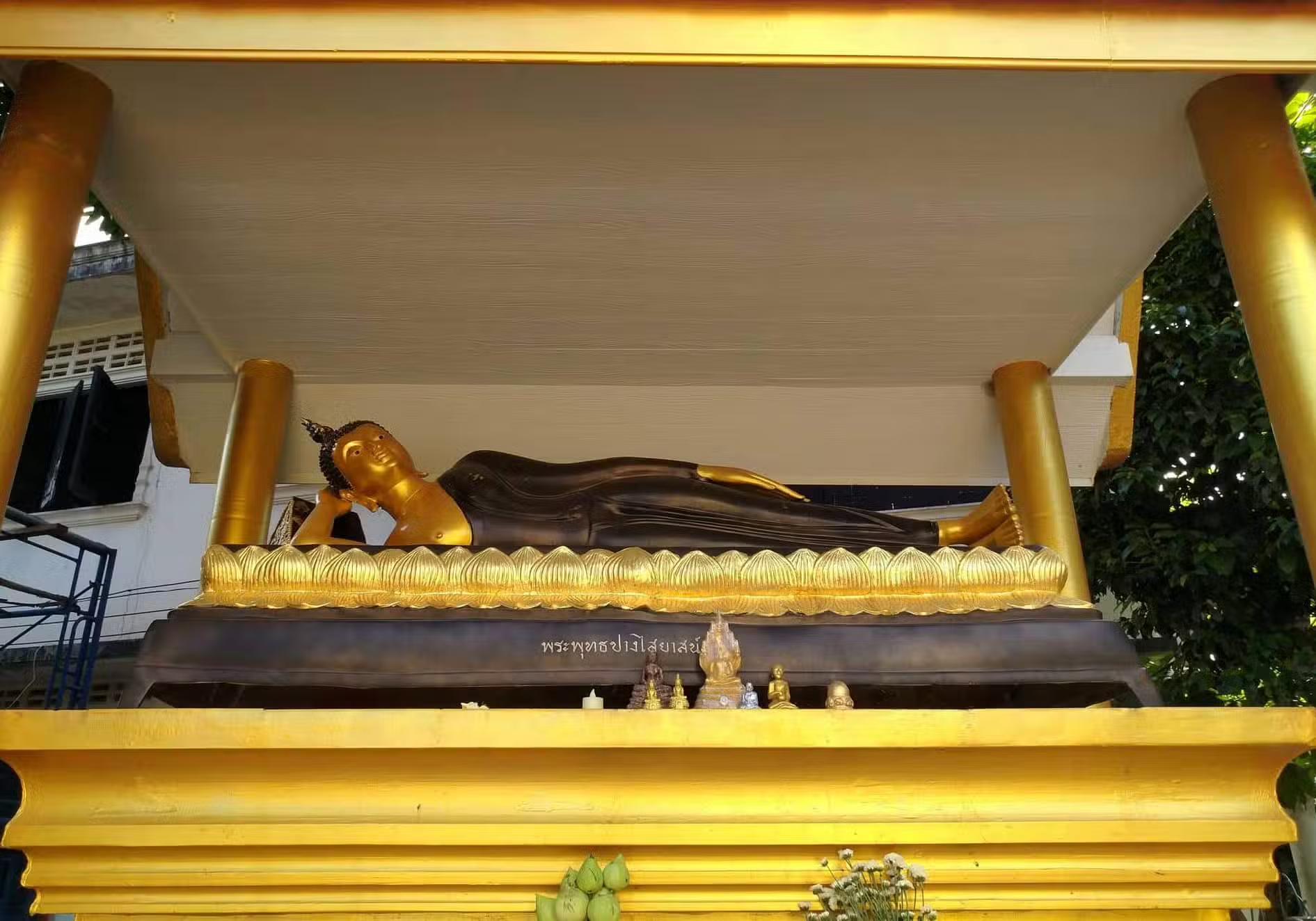
Wat Phra Singh’s name recalls the Phra Buddha Sihing, a revered image once kept here and now associated with the temple of the same name in Chiang Mai. The Chiang Rai temple contains representations of the image, maintaining that connection within an active place of worship.
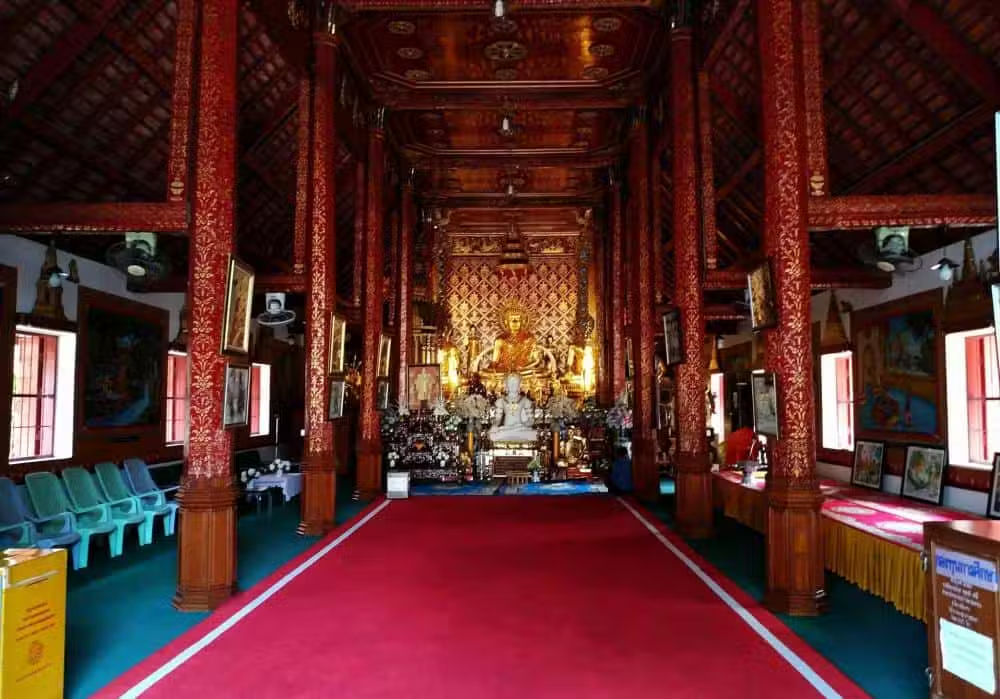
Inside an accessible hall, the Buddha images and painted surroundings give the architecture a devotional focus. Sit or stand quietly to one side of worshippers, avoid pointing your feet towards an image and remove shoes wherever the entrance requires it.
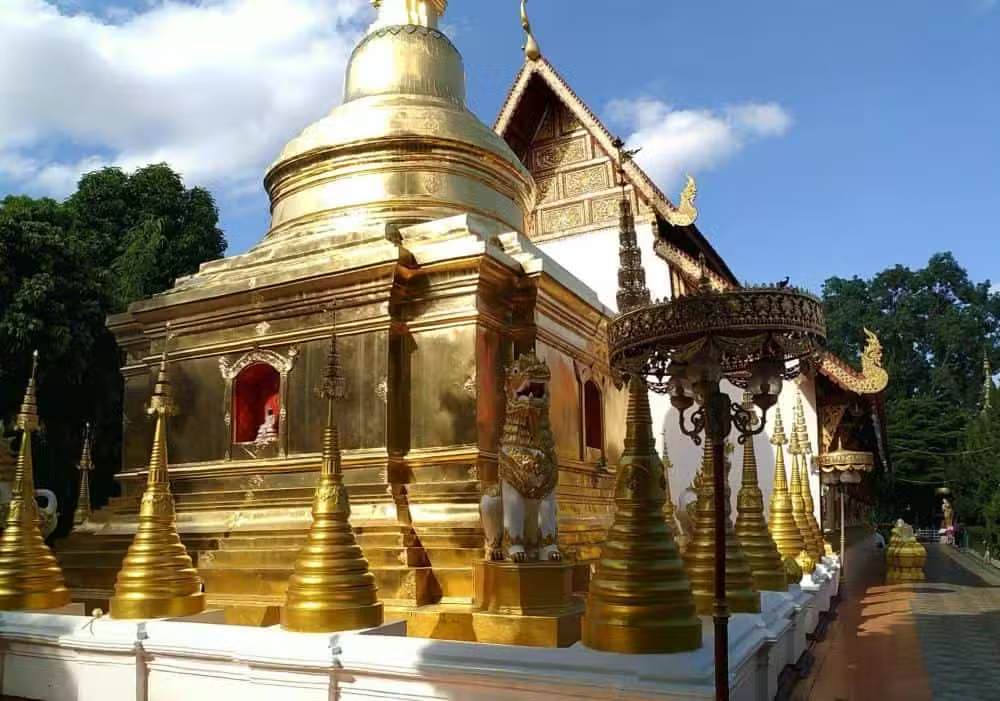
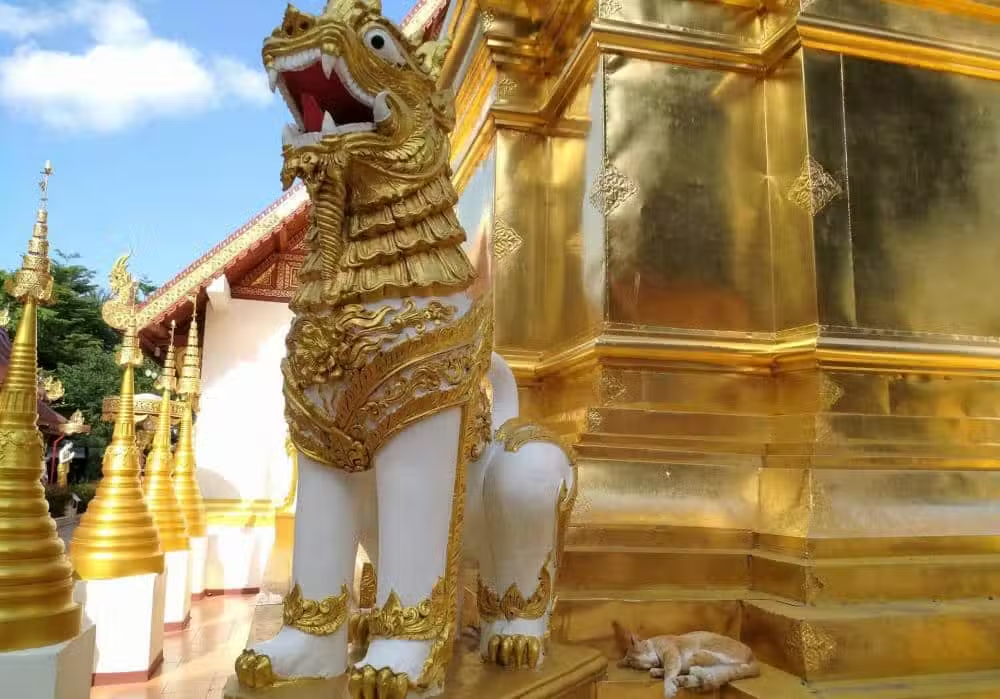
Behind the hall, the golden chedi adds another focal point to the grounds. Smaller shrines and Buddha images around the trees reward a slow circuit, while the chapel associated with a Buddha footprint provides a different devotional subject when open.
A Temple with a Living Religious Role
The grounds also have a tradition of Pali study, reflecting the temple’s role in Buddhist learning. Pali is the language used in important Buddhist scriptures; the school and monks’ quarters are working areas rather than automatic additions to a visitor tour.
Use the historical information near the entrance for an introduction, then explore the public spaces at the pace of the day’s activity. A service or closed hall can change the route through the compound without preventing a worthwhile look at the exterior craftsmanship.
Hours, Admission and Time to Allow
General admission is free, with voluntary donations separate. The usual grounds timetable is 6am to 5pm daily, but a hall may open later or close for religious use; coming during the main part of the morning gives a better opportunity to see inside than relying on access at dawn.
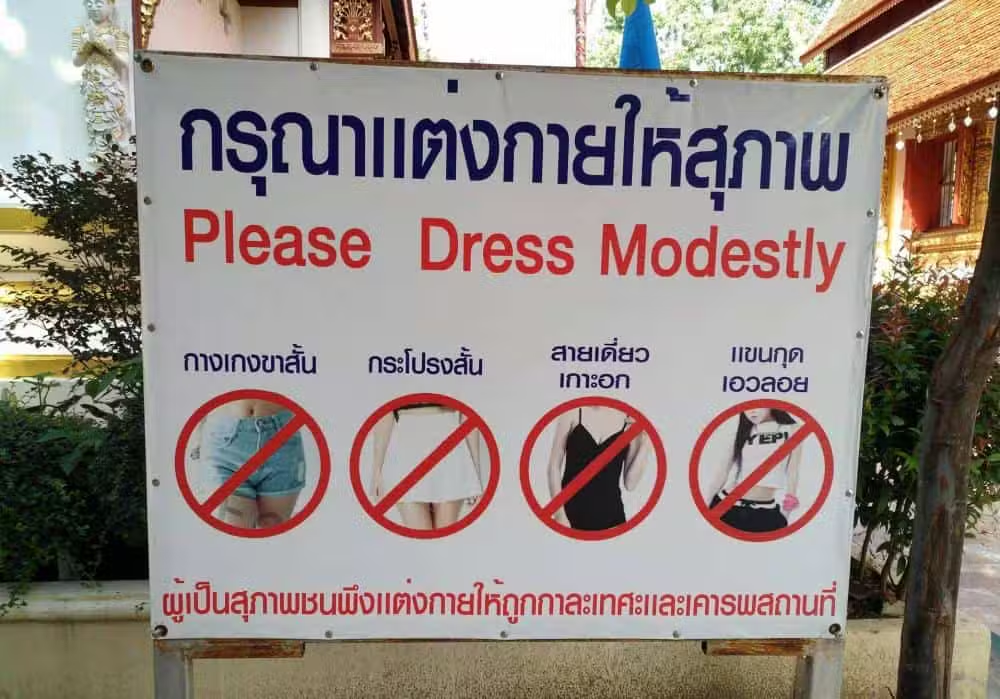
Allow around 30 to 45 minutes for the halls, chedi and courtyard, or longer if you enjoy looking at carved details. Cover shoulders and knees, carry water for a wider city walk and ask before photographing people or sacred interiors.
There are steps and changes in level around the buildings. If entering the halls is essential and you need assistance, ask at the temple about the route rather than assume the entire compound has step-free access.
Walking from Central Chiang Rai
The temple is at the junction of Singhaklai Road and Tha Luang Road in Wiang, north of Chiang Rai’s central Clock Tower and Night Bazaar area. Walk towards the older temple quarter using public streets, or take a tuk-tuk or app-based car to the temple entrance.
Wat Phra Kaew is nearby to the west, making the two temples a practical pairing. Allow time for both compounds and the connecting street walk instead of treating them as one attraction.
If arriving from Chiang Mai by intercity bus, first confirm your Chiang Rai arrival terminal and arrange the local journey from there. Drivers should use signed visitor parking or a legal nearby space; the temple’s central location does not guarantee a dedicated parking bay.
Wat Phra Singh FAQs
Is this Wat Phra Singh in Chiang Mai?
This temple is in central Chiang Rai, on Singhaklai Road at Tha Luang Road. The Chiang Mai namesake is a different temple, so use the city name when arranging transport.
What should you look for?
The Lanna rooflines, carved wooden doors and façade decoration are key highlights. Leave time for the Buddha images, golden chedi and smaller devotional spaces rather than looking only at the exterior.
Is the original Phra Buddha Sihing here?
The revered image formerly associated with this temple is now linked to Wat Phra Singh in Chiang Mai. Chiang Rai’s temple retains representations and an important religious connection to it.
What are the usual visiting hours?
The grounds are usually accessible from 6am to 5pm daily. Hall access can differ, so a daytime visit after the early morning is more useful if seeing the interiors matters.
Is there an admission fee?
General admission is free, and donations are voluntary. Dress respectfully and follow any instructions for entering halls or photographing their interiors.
Can you visit Wat Phra Kaew on the same walk?
Wat Phra Kaew is nearby to the west in Chiang Rai’s older temple quarter. Allow time for the individual compounds and use the public street route between them.









Do You Have a Question to Ask?