



















































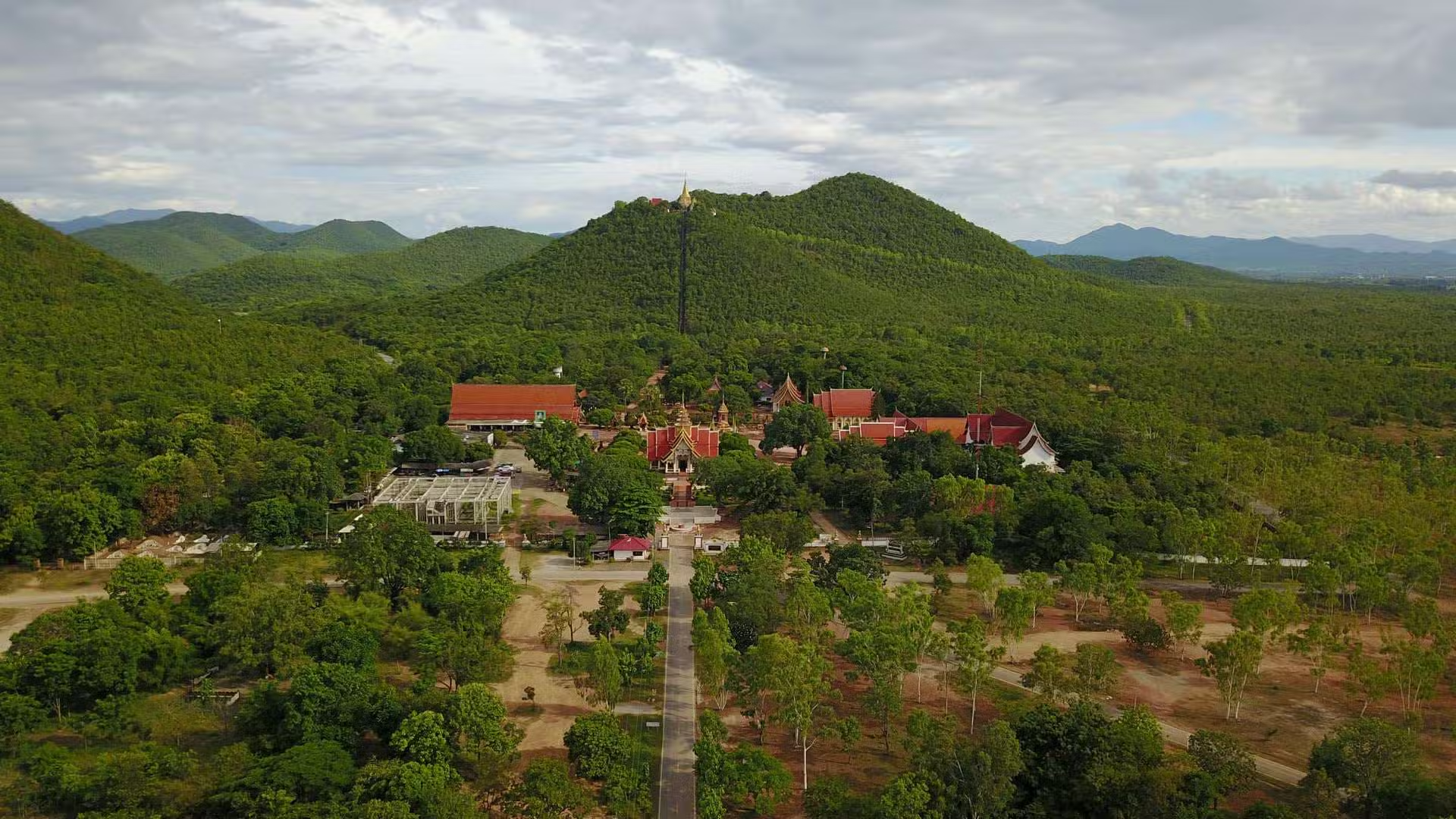
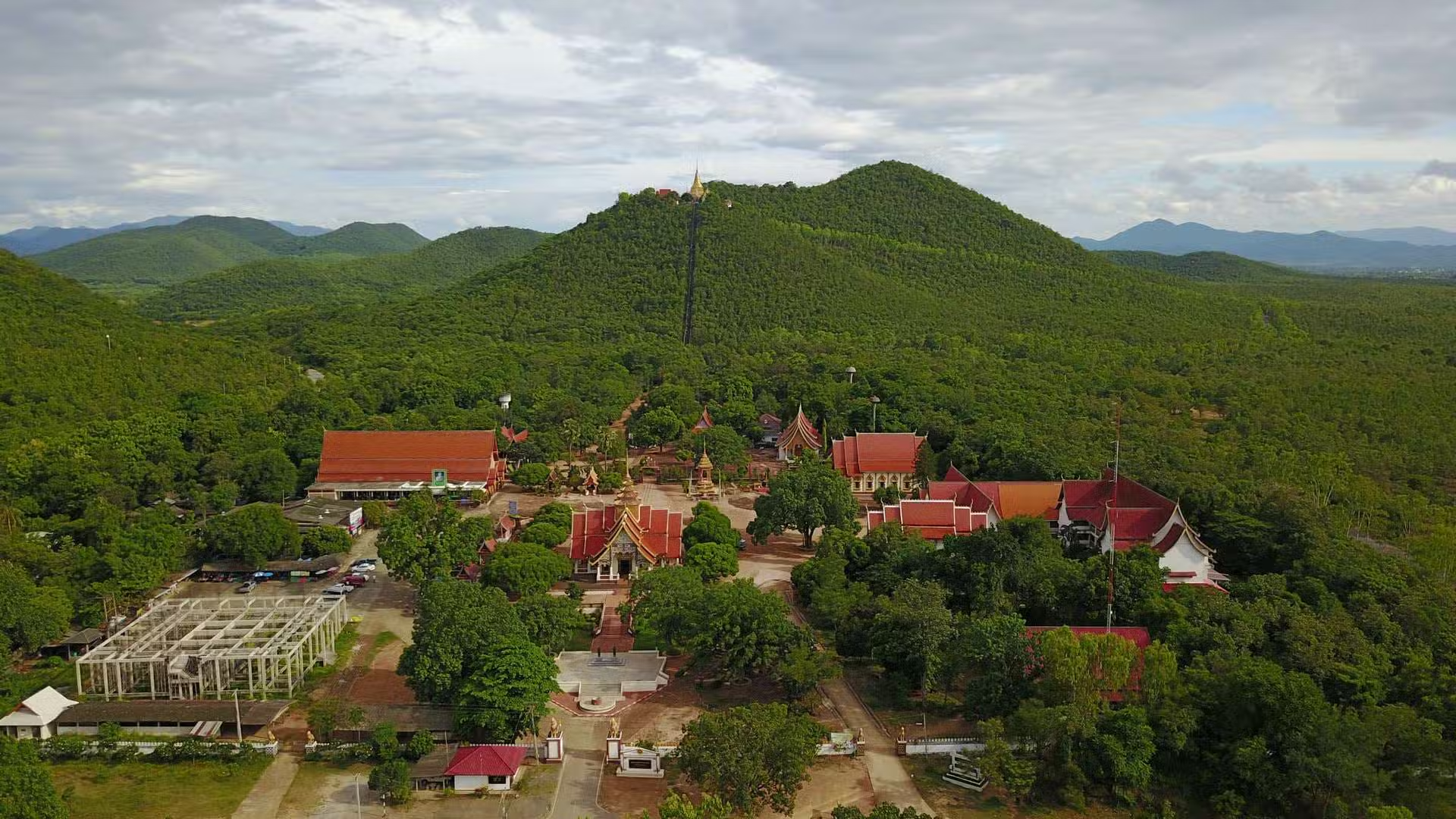
Wat Phraphutthabat Tak Pha is a pilgrimage temple in Pa Sang district, Lamphun, with sacred features in the lower compound and a hilltop stupa reached by a long naga staircase. The change in setting is part of its appeal: visitors can spend time around the revered footprint before climbing towards views across the surrounding countryside.
The temple is associated with a local story of the Buddha resting here and leaving marks from his footprint and robe. This religious tradition gives meaning to the site’s name and worship spaces, and remains central to the pilgrimage experience.
The footprint and robe-drying tradition
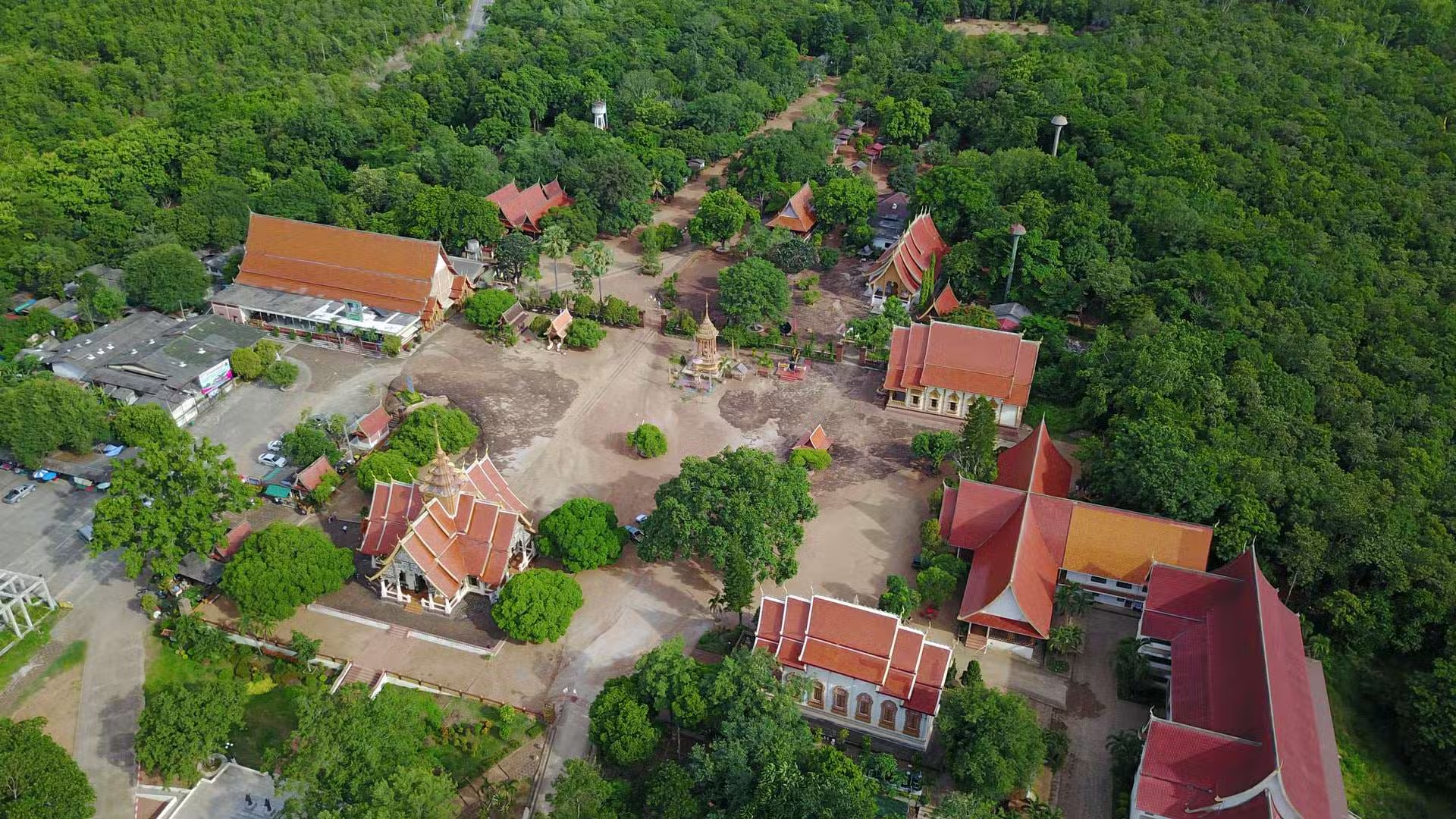
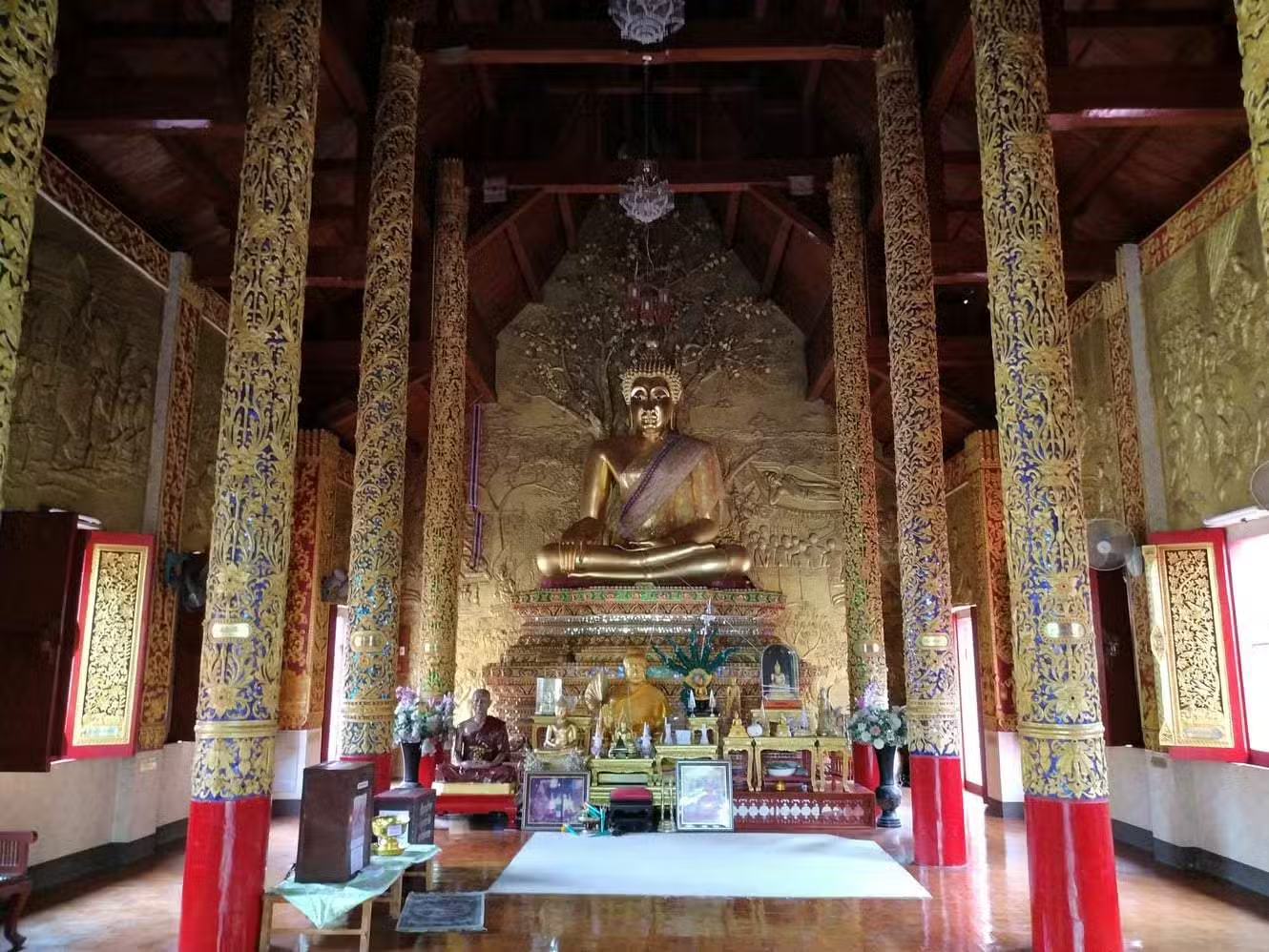
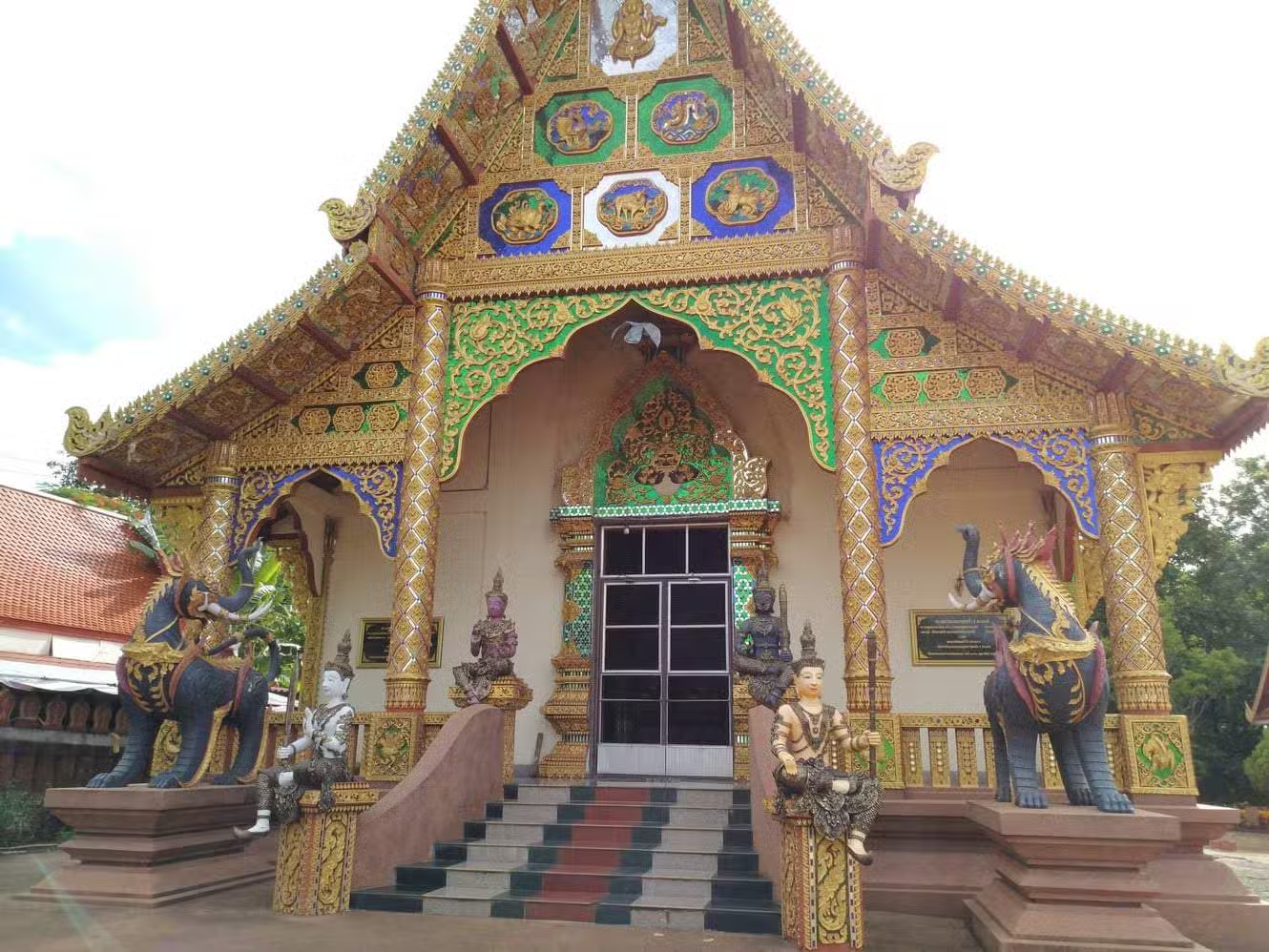
The lower temple includes the hall sheltering the revered Buddha footprint, known as Viharn Chaturamuk. Take time to see the worship arrangements and observe how devotees approach the sacred feature. It is a functioning religious space, so leave room for people making offerings and follow directions about shoes and photography.
The robe-drying story explains Tak Pha: local tradition holds that the Buddha’s robe was laid out on rock while he rested, leaving an impression. The footprint and associated marks are part of the temple’s spiritual story and help explain why devotees come here to pay respect.
Other buildings in the lower compound
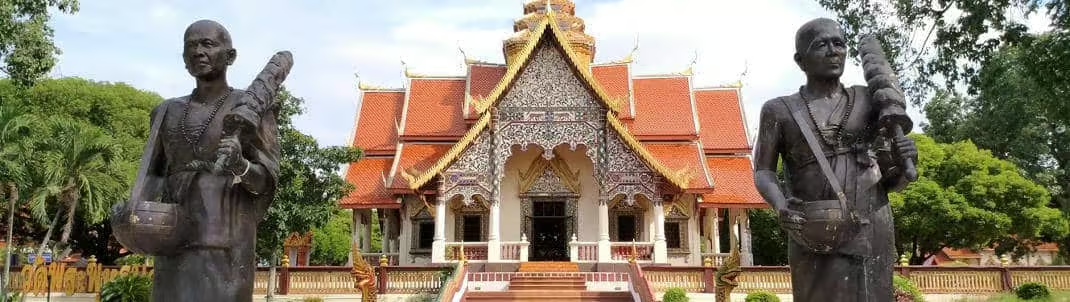
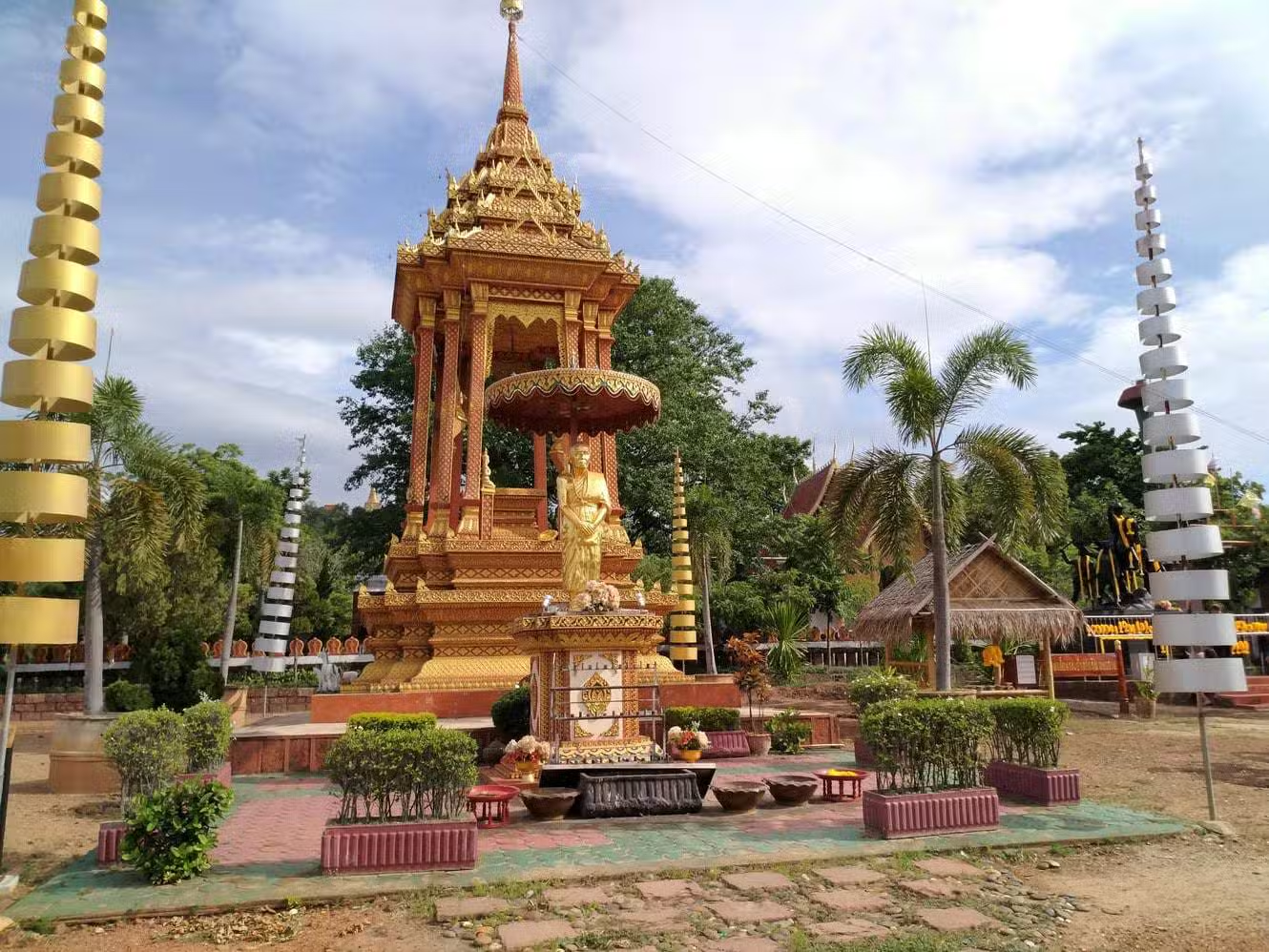
The ordination hall’s decorated windows include zodiac motifs, while the older Phra Chao Than Chai viharn adds another worship space to the visit. Together with the footprint hall, these make the lower area worthwhile even if you do not climb the hillside. Ask which interiors are open and keep residential or study areas undisturbed.
The wider temple also has a role in Buddhist education and meditation. Visitors should not assume they can join a class or meditation session simply by arriving; ask about arrangements if that is your reason for coming. For an ordinary sightseeing visit, focus on the public religious buildings and their setting.
The 469-step naga staircase and hilltop stupa
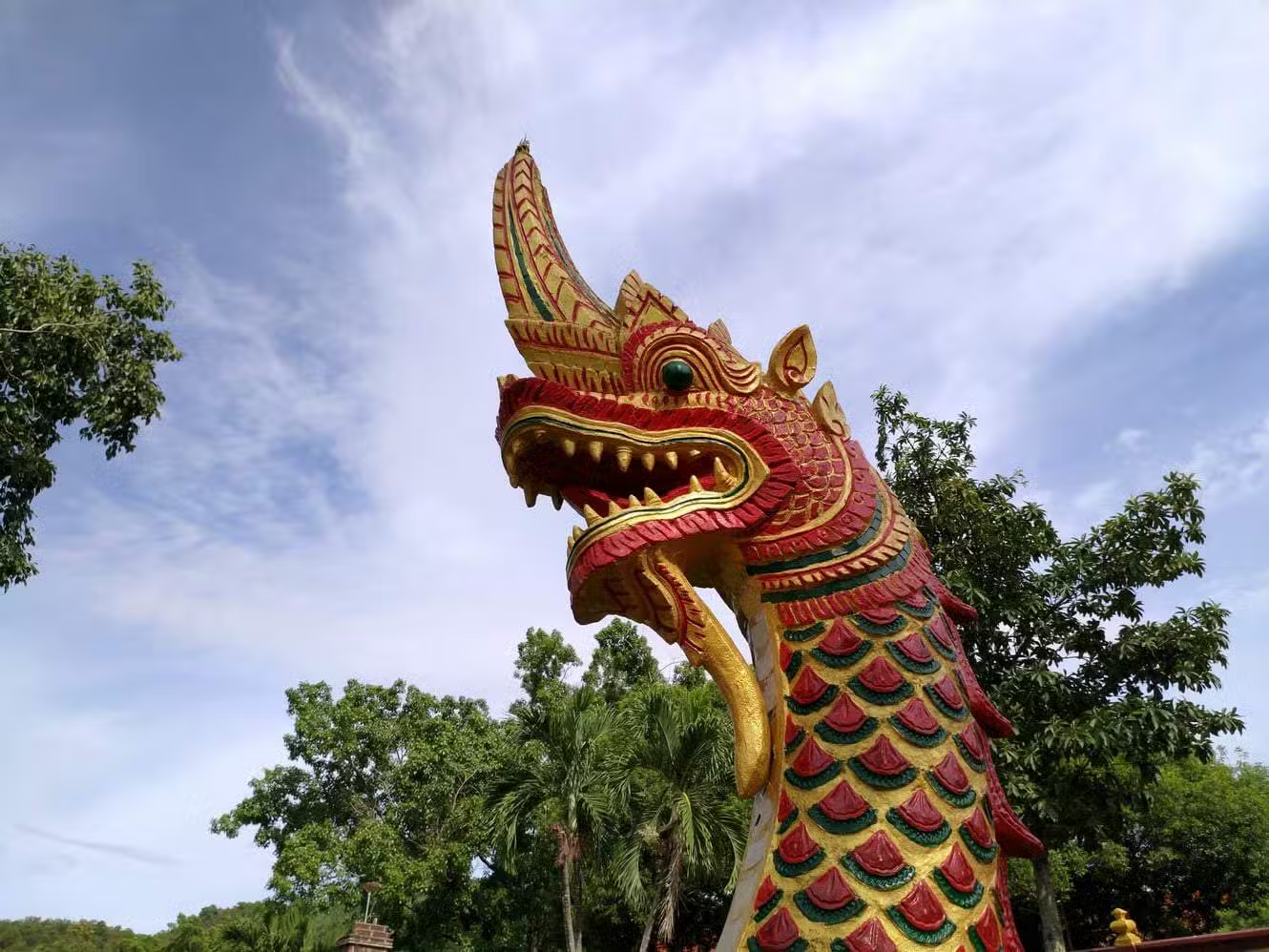
The staircase to the upper area has 469 steps, making the climb a substantial part of the outing. Naga figures line the route towards the hilltop stupa, whose form draws on the regional traditions associated with Doi Suthep and Hariphunchai. At the top, the setting opens into broad views of the countryside.
Decide whether to climb before committing to the full route, especially in midday heat. Carry water, use shoes with grip and leave time for rests and the descent. The number of steps should not be mistaken for a short, effortless approach, and wet conditions can make the journey less appealing.
The lower and upper areas can be enjoyed as different parts of the visit. If stairs are impractical, ask about the current vehicle approach to the hilltop and any remaining steps before travelling. Do not assume that an upper road, where available, provides access to every worship area.
Visiting arrangements and respectful access
General temple access is free, with donations optional. Plan a daylight visit and check individual hall access on arrival, as ceremonies and local arrangements can affect entry. Leave enough daylight for the return down the staircase rather than treating a wider visiting window as a reason to climb late.
Wear clothing covering shoulders and knees, remove shoes where requested and keep voices low in worship spaces. For families, the lower compound offers a shorter visit without taking on the entire climb; supervise children around stairs and avoid obstructing people using the route for pilgrimage.
Getting to the temple from Lamphun or Chiang Mai
The temple is in Makok subdistrict, Pa Sang, roughly 19 kilometres from Lamphun city. Arrange a driver to Wat Phraphutthabat Tak Pha using the full name and Pa Sang location, since other northern Thai temples also have Phra Phutthabat in their names. This is an excursion beyond Lamphun’s central temple area.
From Chiang Mai, allow for the journey into Lamphun province as well as time in both temple areas. Agree on the return pickup and whether your driver will wait while you climb. If access needs affect the visit, settle the lower-versus-upper arrival arrangements before departure instead of relying on a general map marker.
Wat Phraphutthabat Tak Pha FAQs
What are the main things to see?
The lower compound centres on the revered Buddha footprint and the robe-drying tradition, with other worship halls nearby. The hilltop stupa and countryside views form a separate upper-area experience.
How many steps lead to the hilltop?
The naga staircase has 469 steps. Allow for both the ascent and descent, with breaks and water, and consider whether the climb suits your group in the day’s weather.
Do I need to climb to enjoy the temple?
The footprint hall and lower worship buildings give the visit a purpose without the hilltop climb. Ask about the current vehicle approach if you want to reach the upper area while avoiding the full staircase.
What does Tak Pha mean?
The name refers to drying a robe, connected with the local tradition of the Buddha resting here. The revered footprint and robe marks give the lower worship area its spiritual importance.
Is there an admission charge?
General visiting is free, with optional donations. Individual hall access and ceremony arrangements should be checked on arrival, and a daylight visit leaves time to explore respectfully.
Is the temple in Chiang Mai city?
It is in Makok, Pa Sang district, Lamphun province. Include the road journey in your plan and give the full destination when arranging transport from Chiang Mai or Lamphun.













Do You Have a Question to Ask?