











































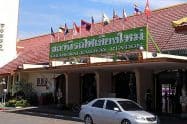

The 700 Year Stadium Chiang Mai is a great attraction for sports enthusiasts. It’s a complete sports arena decked out with amazing facilities...

The 700 Year Stadium Chiang Mai is a great attraction for sports enthusiasts. It’s a complete sports arena decked out with amazing facilities...


Chiang Mai is one of Thailand’s most popular travel destinations, offering a blend of ancient temples, mountain scenery, vibrant markets and relaxed Northern Thai culture. Whether you are visiting for a few days or planning a longer stay, being prepared can help you make the most of your trip.
From understanding the local transport system to knowing the best time to visit, a little planning goes a long way when travelling in Northern Thailand.
One of the first things travellers should consider is the weather. Chiang Mai has three main seasons: cool, hot and rainy. The cool season from November to February is generally considered the best time to visit, with pleasant temperatures and lower humidity. March and April can become extremely hot and are also known for the annual burning season, when agricultural fires can create smoky conditions across Northern Thailand. The rainy season from May to October brings lush green scenery and fewer crowds, although heavy afternoon downpours are common.
Getting around Chiang Mai is relatively easy. Red songthaews, shared red trucks that operate as local taxis, are among the most common and affordable ways to travel around the city. Tuk-tuks are also widely available, although fares should usually be negotiated before the trip begins. Many visitors choose to rent scooters for greater flexibility, but traffic can be busy, and road conditions in the mountains may be challenging for inexperienced riders.
If renting a scooter, always wear a helmet and carry the correct licence and insurance.
When visiting temples in Chiang Mai, it is important to wear respectful clothing. Visitors should cover their shoulders and knees before entering temple grounds, and shoes must usually be removed before entering temple buildings. Popular temples such as Wat Phra Singh and Wat Chedi Luang can become busy during peak tourist hours, so visiting early in the morning often provides a quieter experience.
Chiang Mai is also famous for its food, and trying local Northern Thai dishes is highly recommended. Khao soi, sai ua sausage and sticky rice dishes are local favourites that can be found at markets, street stalls and restaurants throughout the city.
Night markets such as the Chiang Mai Night Bazaar and Sunday Walking Street are excellent places to sample local food and shop for handmade souvenirs.
For travellers planning day trips, booking tours in advance during peak season can be helpful, particularly for popular attractions such as Doi Inthanon National Park, elephant sanctuaries and the Chiang Rai day tours.
Choosing ethical wildlife experiences is important, and visitors should avoid attractions that promote elephant riding or unsafe animal interactions.

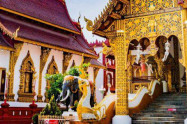
The 700 Year Stadium Chiang Mai is a great attraction for sports enthusiasts. It’s a complete sports arena decked out with amazing facilities and amenities that both locals and foreigners can use. Located not too...

Chiang Mai Municipal Stadium is one of the city’s primary outdoor sporting venues and a central hub for large-scale athletic events in Northern Thailand. Located within the Chiang Mai Provincial Administrative...

Chiang Mai Weather is very consistent and mainly features three seasons: the cool season, the hot season and the rainy season. It is important to note that the weather in Chiang Mai is a dry heat rather than the hot...

Chiang Mai Airport is an international airport operational in the North Thailand town of Chiang Mai, and was founded in 1921 under the name Suthep Airport.

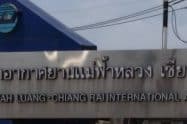
Chiang Rai Airport, also known as Mae Fah Luang-Chiang Rai International Airport, offers both domestic and international flights for passengers. Its airport code is CEI. Located just 10kms away from the city of Chiang...

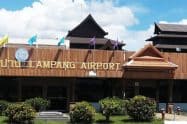
Lampang Airport is a small domestic airport located in the Province of Lampang, 100 kilometres south of the city of Chiang Mai. Its airport code is LPT. Bangkok Airways and Nok Air fly out of Lampang Airport daily, with...

Licensed taxis around Chiang Mai is a relatively new addition to the local transport options. However, finding one on the streets can be difficult. It seems as though all of the taxis wait at the airport since...

In the northern Thai city of Chiang Mai, one of the most recognisable and practical forms of local transport is the songthaew. The name literally means “two rows” in Thai, referring to the pair of bench seats fitted in...

Chiang Mai Bus Station provides a seamless transport system for both locals and tourists making it possible to connect to various destinations around the city.

The Chiang Rai bus terminal is where travellers can book tickets and board buses headed for other parts of Thailand. There are two main bus stations here; the newest one is terminal 2; located south of the main Chiang...

Chiang Mai Train Station, one of the busiest railway stations in the country, offers flexible transport solutions for tourists in northern Thailand.

Pai Airport, officially known as Pai Airport (IATA: PYY), is a small regional airport serving the laid-back mountain town of Pai in northern Thailand. Located just a few minutes from the town centre, the airport sits in...

The Arcade Bus Station is the main bus terminal in Chiang Mai which services both locals and tourists with bus travel around Thailand. Arcade Bus Station is located 3kms north-east of the old city and consists of two...

Chang Puak Bus Station (sometimes referred to as terminal 1) is the local bus that services the Chiang Mai Province. Not to be confused with Arcade Bus Station, Chiang Puak Bus Station is located just 600 metres north...

Pai is a popular destination for travellers as it is a small rural town located in the northern parts of Thailand and has a casual and relaxed vibe. The Pai Bus Station is a small station located right in the centre of...

Make sure to check out the many online maps available of Chiang Mai before departing for this historic city. Familiarising yourself with the city is easy as it can be broken down into two main parts; the old city and...