







































Chiang Mai combines a historic walled city, living temples, northern Thai food, neighbourhood cafes and mountain excursions. A first visit works best when you give the city time and choose a day outside it. The Old City, Nimman, and the Night Bazaar area offer different bases, and the province extends far beyond what you can explore on foot.
Four or five days gives room for a comfortable introduction. A shorter stay can focus on Old City temples, markets and Doi Suthep, while a longer visit can add a cooking class or one substantial countryside trip. Avoid treating every famous destination in northern Thailand as a quick excursion from the same hotel.
Choose a Base for Your Daily Plans
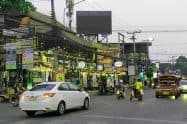
The Old City brings temples, small streets and meals close together, making short outings and hotel rests easy. A room near an evening market route feels different from a quieter side lane. The moat roads remain busy, so an address just outside the walls may involve crossings during everyday walks.
Nimman suits cafes, contemporary shopping and evening food, with rides to other districts. Chang Khlan suits evenings around the Night Bazaar, while riverside and Wat Ket properties offer a different setting. Base the choice on the meals and outings you want nearby rather than expecting to walk across the whole city.
Three Days, Five Days or Longer?
With three full days, choose an Old City day, a Doi Suthep outing and time for food or another city interest. With four or five days, add a cooking class or one longer trip with room to recover from the driving. Arrival and departure days may provide much less sightseeing time than their calendar dates suggest.
Mae Rim, Mae Kampong and Doi Inthanon are different excursions, while Chiang Rai involves another substantial journey and may be better with its own overnight stay. Compare time in a vehicle with time at the place you want to see. Two long tours on consecutive days can make a short holiday feel dominated by transfers.
Temples and a Walkable First Day
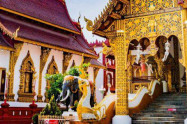
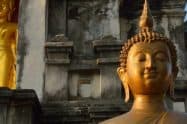
Wat Phra Singh and Wat Chedi Luang give an Old City day a clear focus, with time for smaller streets, food and a later stop near Tha Phae Gate. Choose a few temples to appreciate rather than counting entrances. Bring clothing that covers shoulders and knees, remove shoes where instructed, and give worshippers space.
Follow signs about photography and building access, especially during ceremonies. The streets between temples remain part of a working city, so allow for traffic, heat and breaks. A short ride back to the hotel can make more sense than a long cross-town walk late in the day.
Food and Markets
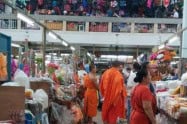
Try northern dishes such as khao soi, a curry noodle dish; sai ua, a regional sausage; and chilli dips such as nam prik ong or nam prik noom. Choose a meal for its food and setting rather than expecting one market visit to cover every local speciality. Ask about ingredients if you have dietary needs, since a familiar-looking dish may use a different stock, meat or seasoning.
The Night Bazaar district and Sunday Walking Street are different evening plans. Sunday’s market runs through the Old City along Ratchadamnoen Road near Tha Phae Gate. Allow time to browse and arrange vehicle pickups beyond the busiest pedestrian streets. Leave another evening for a neighbourhood restaurant rather than making every dinner a market visit.
Doi Suthep and Choosing One Countryside Day
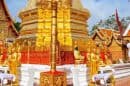
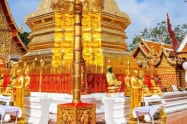
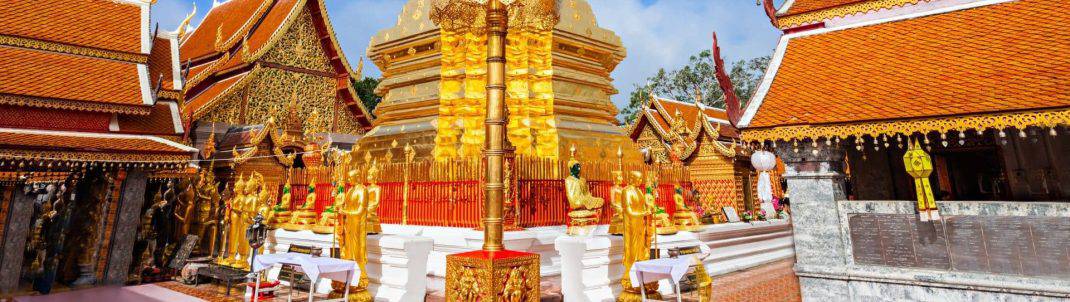
Wat Phra That Doi Suthep stands on the mountain above the city, reached by a winding road and a temple approach. The main staircase is substantial, so visitors who cannot manage the steps should plan their visit around their access needs. Book return transport as part of the visit and bring a layer for cooler or wet conditions. Views vary with weather and haze.
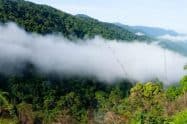
Choose one longer outing by interest: Mae Rim for gardens and countryside stops, Mae Kampong for a village-focused excursion, or Doi Inthanon for a mountain day. Trail walks add a different physical commitment from scenic stops beside the vehicle. For elephant experiences, favour observation without riding, bathing or staged performances.
A Flexible Four-Day Introduction
On day one, explore the Old City with a meal and rest between temples, then choose an evening nearby. On day two, visit Doi Suthep with a confirmed return and leave time for Nimman afterwards if the journey and energy allow. Do not fill the same afternoon with another distant mountain excursion.
Use day three for a cooking class, food exploring or another city neighbourhood. A class with a market component can combine shopping and preparation in one outing. Day four can hold the chosen countryside trip or remain a slower city day if weather or air quality makes outdoor plans unsuitable.
Weather and Air Quality
The cooler part of the year often suits outdoor sightseeing, while hot periods and rain change how comfortable walking feels. Check the forecast for a mountain destination separately from the city, and leave room to change an outdoor tour. A clear morning doesn’t guarantee the same conditions throughout a long road trip.
Northern Thailand can experience serious smoke haze, with conditions varying by day and year. Check current PM2.5 readings before and during the trip, particularly in the dry season, rather than treating fixed ‘burning season’ dates as a reliable boundary. Keep strenuous outdoor plans flexible and consider your own health needs when deciding when to travel.
Arrival Documents and the Journey to Your Hotel
For a typical international tourist arrival in Thailand, complete the free Thailand Digital Arrival Card at tdac.immigration.go.th within the three-day window before arrival, including arrival day. Infants and children must also submit their details. The card records arrival information; it does not replace a required visa or establish visa-exemption eligibility.
The arrival card relates to entering Thailand, not every flight within it. If you clear immigration elsewhere in Thailand and then fly domestically to Chiang Mai, that domestic leg is not another international entry. If you remain airside without passing immigration, a TDAC is not required. Keep your accommodation details and submitted confirmation available for the actual entry journey.
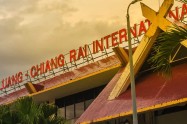
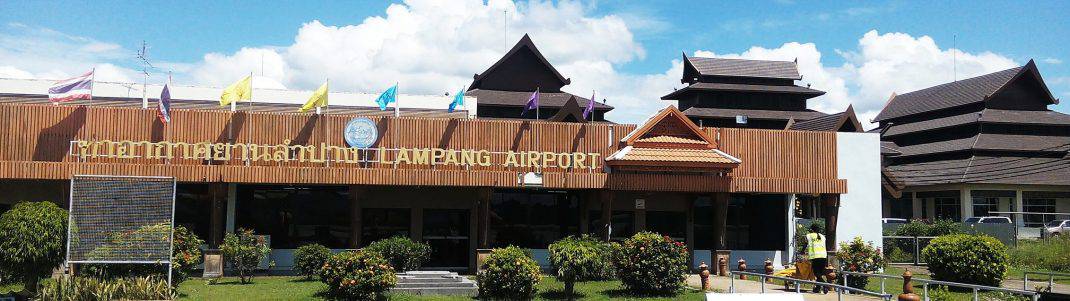
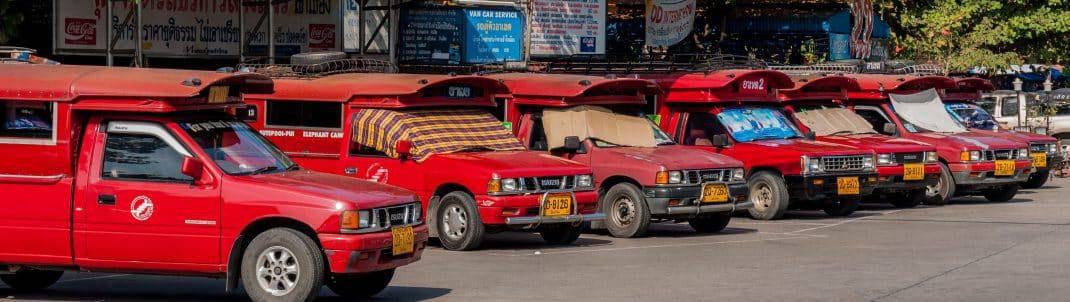
At Chiang Mai Airport, compare an official taxi, arranged transfer or app-booked car with the current pickup instructions and your luggage needs. Arrange the return for a time-sensitive departure. Once in town, walking, songthaews, and direct car rides can cover a typical visit; a rental scooter isn’t necessary.
Book the Essentials and Leave Room to Explore
Reserve accommodation and limited experiences early during popular festivals and the cooler season. Public city traditions and a ticketed lantern gathering are separate plans, and the latter requires admission. Keep ordinary meals and neighbourhood exploring flexible around those main commitments.
Choose the pace that lets you enjoy small streets, food and conversation between the larger experiences. Chiang Mai is easier to appreciate with a few well-planned excursions and enough time to stay in one neighbourhood, rather than a different distant pickup every morning.
First Time in Chiang Mai FAQs
How many days should I spend in Chiang Mai?
Four or five days gives time for the Old City, Doi Suthep and a cooking class or one longer excursion. Three full days suit a city-focused visit. Count usable arrival and departure hours separately so transfers do not leave the itinerary unexpectedly crowded.
Where should first-time visitors stay?
The Old City suits temples and nearby meals, Nimman cafes and contemporary shopping, and Chang Khlan evenings around the Night Bazaar. Choose the street based on noise, access, and the places you will use most. A neighbourhood label does not make the whole city walkable.
Do I need a scooter?
No. Walking and songthaews or car rides work well in town, with a driver or tour for longer outings. A scooter adds licensing, insurance and riding demands. Choose transport suited to your experience and the journey rather than treating rental as essential.
What should I wear to temples?
Wear clothing that covers your shoulders and knees, and remove your shoes where instructed. Follow photography signs and leave worshippers space, including when visiting with a tour. A temple is an active religious place and an important visitor attraction.
Should I worry about burning season?
Northern Thailand can experience serious smoke pollution during the dry part of the year, with conditions varying by day and year. Use current local PM2.5 readings to adjust outdoor exertion and mountain plans. Travellers with particular health needs should consider air quality when choosing dates and daily activities.





Do You Have a Question to Ask?