






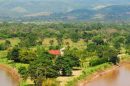















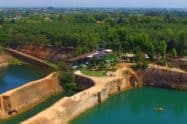


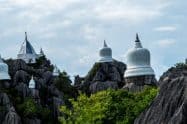
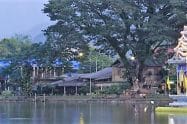











Chae Son National Park combines forest walks and waterfalls with one of northern Thailand’s best-known hot-spring areas. Steam rises among rocks at the main visitor hub, while nearby bathing facilities let visitors experience spring water separately from the much hotter natural source.
The park is in Lampang province, with its main visitor area in Mueang Pan district. It makes a substantial countryside outing from Chiang Mai or Lampang, rather than a quick city stop. Build the day around the main hot springs and an appropriate waterfall walk, then add more remote places only when the park confirms their access.
Exploring the hot-spring area
The natural springs emerge in a rocky area where the heat and rising steam are the attraction. Walk along the permitted paths and look at the water from a safe distance. The source is far hotter than bathing water; it is not a pool to enter or a place to let children explore unsupervised.
Boiling eggs in designated spring-water arrangements is a familiar part of a Chae Son visit. Use only the visitor setup indicated by staff and follow the directions for handling the basket and hot water. The appeal is seeing how the natural heat is used, rather than finding your own access point among the rocks.
The setting is worth enjoying even without a bath. Pause over the contrast between hot water, exposed stones and the surrounding greenery, then combine the springs with a shaded walk. Keeping the source-area visit separate from bathing helps make sense of the different facilities around the hub.
Bathing in spring water
Bathhouses and other bathing facilities use water separately from the natural source. Ask which private rooms, huts or shared facilities are operating and how bookings or session times work. A park entrance ticket does not necessarily include a bathing session.
Check the temperature before entering and follow the facility’s instructions about soaking time. Choose a session that suits you rather than assuming every pool has the same temperature or depth. Families should ask which facilities are suitable for children and stay with them throughout the visit.
Bring a towel, a change of clothes and footwear that is easy to manage around a bathing area. Ask what is supplied with the chosen session, since a general description of the park does not establish towel hire or changing arrangements at every facility. Give yourself time afterwards before starting a longer walk or drive.
Walking to Chae Son Waterfall
Chae Son Waterfall is the most practical waterfall to consider alongside the main spring area. The six-tier cascade is reached along a route from the visitor-centre area, with the waterfall about 1.5 kilometres away. It adds moving water and forest scenery to a day that might otherwise centre entirely on the baths.
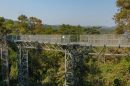
Ask which levels and paths are open when you arrive. You do not need to reach every tier to enjoy the setting, and the state of the trail matters more than completing a numbered list. Wear shoes with grip and take water; damp steps, roots and rocks can require more care than the distance suggests.
Do not enter flowing water simply because a photograph shows people there. Follow current swimming and access signs, especially after rain. Turn back if the route becomes unsuitable for your group, and leave enough time to return before the visitor area closes.
Looking beyond the main visitor hub
The wider park covers roughly 592 square kilometres and includes more remote waterfalls and caves. Names such as Mae Mon and Mae Khun refer to other waterfall areas, while Pha Ngam is associated with the Wang Nuea side of the park. They should not be treated as adjacent stops on the main hot-spring walk.
Remote routes can involve rougher roads, restricted days, seasonal closures or a ranger requirement. Ask the park about a specific destination before travelling towards it. A general park opening time does not prove that every trail, viewpoint and cave is open on the same date.
For a first visit, the spring area, bathing facilities and a suitable section of the Chae Son Waterfall route form a more manageable plan. Visitors seeking a longer hike can arrange that separately with current route information, rather than extending the day’s walk without knowing its distance or return arrangements.
Staying overnight and finding food
Camping areas and park accommodation offer a way to spend more time in the setting. Enquire about current tent availability, bedding, pitches and bungalow reservations before arriving with an overnight plan. Equipment hire and accommodation charges are separate decisions from basic entry.
Check the facilities available near your campsite and bring what you need for the evening. A restaurant or daytime stall should not be assumed to remain open after the main visitor hours. Confirm meal options, water and any rules about cooking before settling on what to pack.
An overnight stay can make an early walk or a less hurried bathing visit easier, but the park’s access rules still apply. Book the actual accommodation type you want and check how to reach it after arrival, especially if driving from Chiang Mai late in the day.
Driving to Chae Son and paying admission
The main visitor hub is reached from Route 1252 by a connecting access road. From Lampang, approaches use the northern roads towards Mueang Pan; from Chiang Mai, the journey crosses mountain country using connecting roads from the Doi Saket side. Plot the whole route to the visitor centre before departure instead of relying on a general park boundary pin.
Roads can be winding, and driving time depends on the route, weather and stops. A private vehicle or arranged driver is useful because the park is away from the main city transport network. Confirm the driver’s waiting time and the return journey if you are organising a day trip.
Published visitor information lists the main facilities around 6am-6pm, with bathhouses generally 7am-6pm. Confirm current entry, bathing and trail arrangements for your date; closures can apply to individual areas even when the principal visitor hub is operating.
The listed admission rates are 40 baht for Thai adults and 20 baht for Thai children, or 200 baht for foreign adults and 100 baht for foreign children. Confirm child eligibility and the current gate tariff. Vehicle entry, bathing, equipment hire and accommodation can incur separate charges, so carry funds for the parts of the visit you choose.
Chae Son National Park FAQs
Can I bathe in the natural hot springs?
Do not enter the rocky spring source: its water is much hotter than bathing water. Use the designated bathing facilities, check the temperature and follow the staff’s instructions for the chosen room or pool.
What can I combine with a hot-spring visit?
Chae Son Waterfall is the most convenient forest-walk option from the main visitor area. Ask which tiers and paths are accessible that day; more remote waterfalls and caves need separate access and transport planning.
How much does park entry cost?
Listed admission is 40 baht for Thai adults and 20 baht for Thai children, or 200 and 100 baht for foreign adults and children. Check the current tariff and budget separately for vehicles, bathing and any overnight arrangements.
Is the whole park open whenever the visitor centre is open?
No. Trails, viewpoints, caves and remote waterfall routes can have separate restrictions or seasonal closures. Ask about the exact area you want to visit rather than treating general hub hours as a guarantee of access throughout the park.
Can I camp or stay in a bungalow?
The park has camping and accommodation options, but availability, equipment and booking arrangements need confirmation. Reserve the chosen type and check facilities, evening food and arrival instructions before travelling.
Is it an easy excursion from Chiang Mai?
It is a substantial road outing across countryside rather than a nearby city attraction. Plan the route to the main visitor centre, allow for winding roads and organise a return journey that leaves enough time for the activities you choose.





Do You Have a Question to Ask?