


















































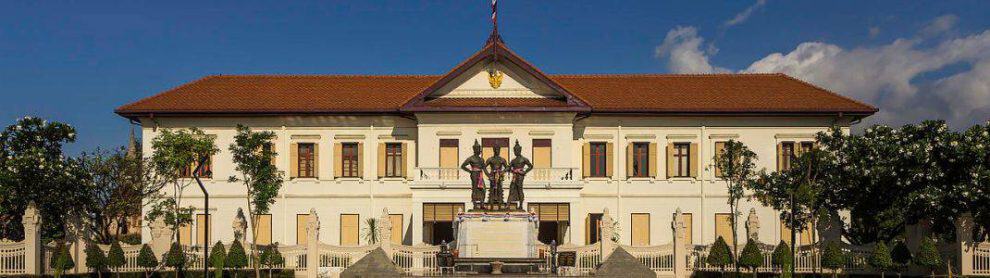
Chiang Mai City Arts & Cultural Centre gives visitors a broader understanding of the city behind its temples, markets and moats. Models, photographs, films and interpretive displays connect Chiang Mai’s founding and rulers with river life, farming, trade and the traditions that still shape northern Thailand.
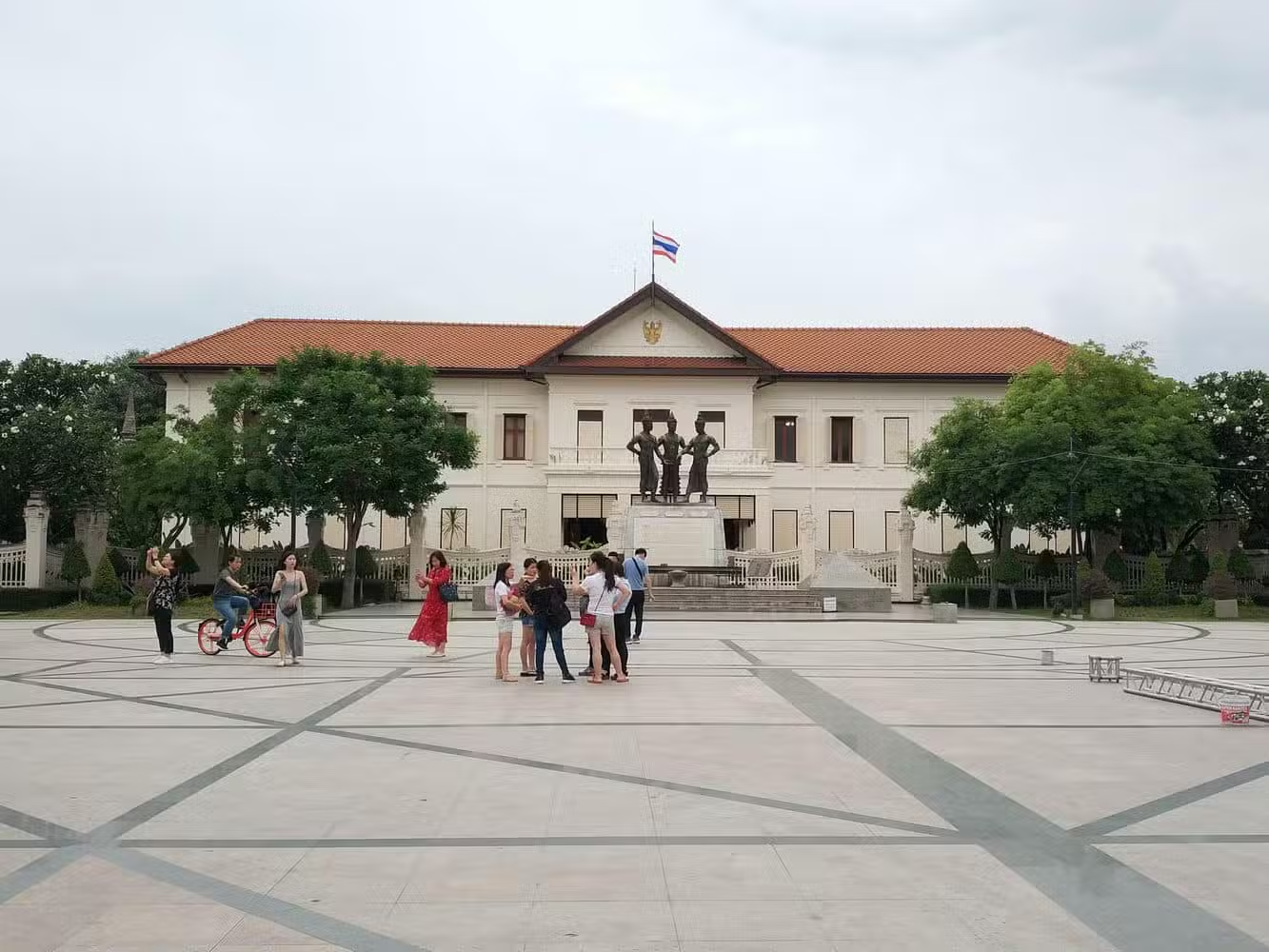
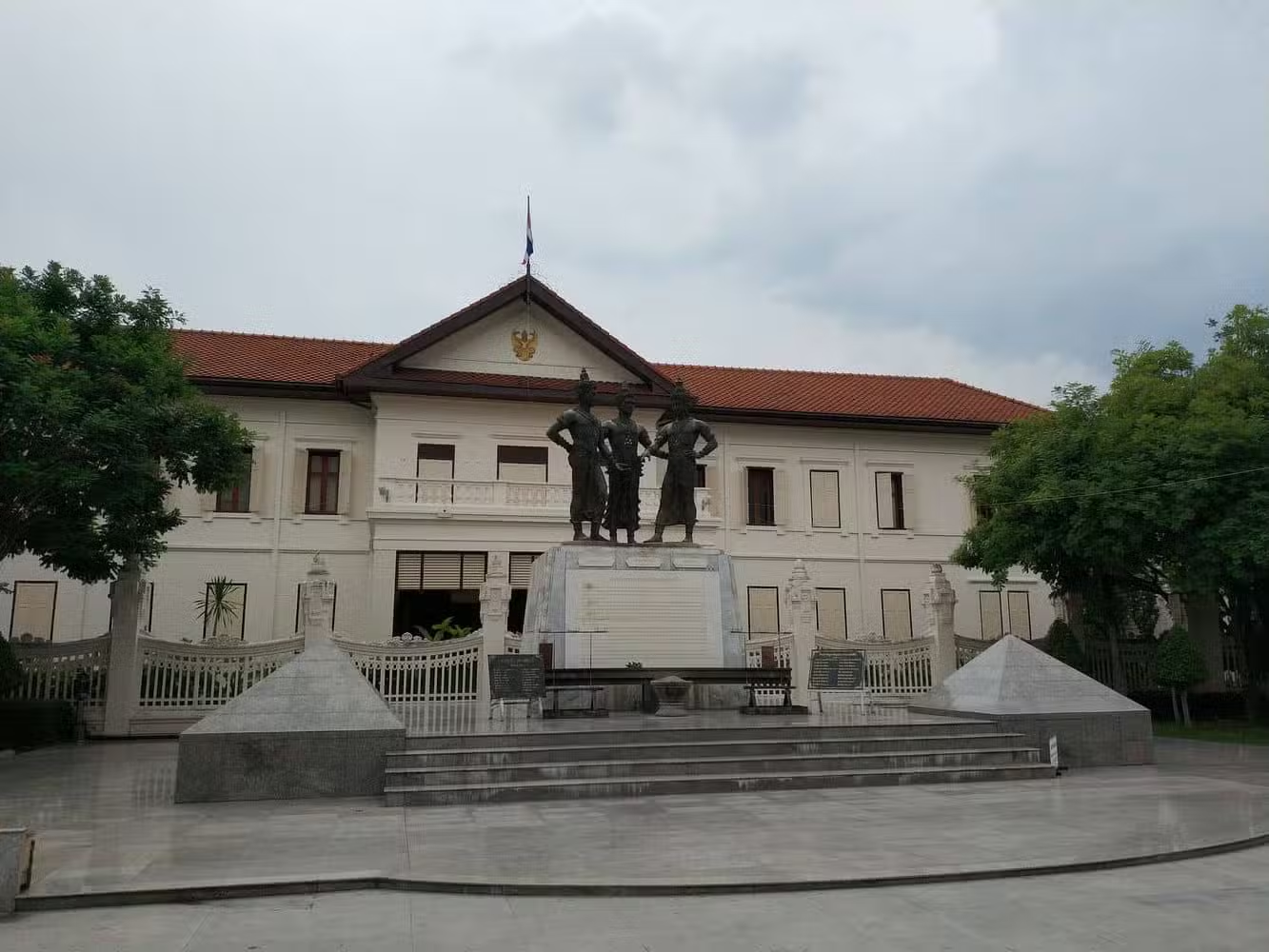
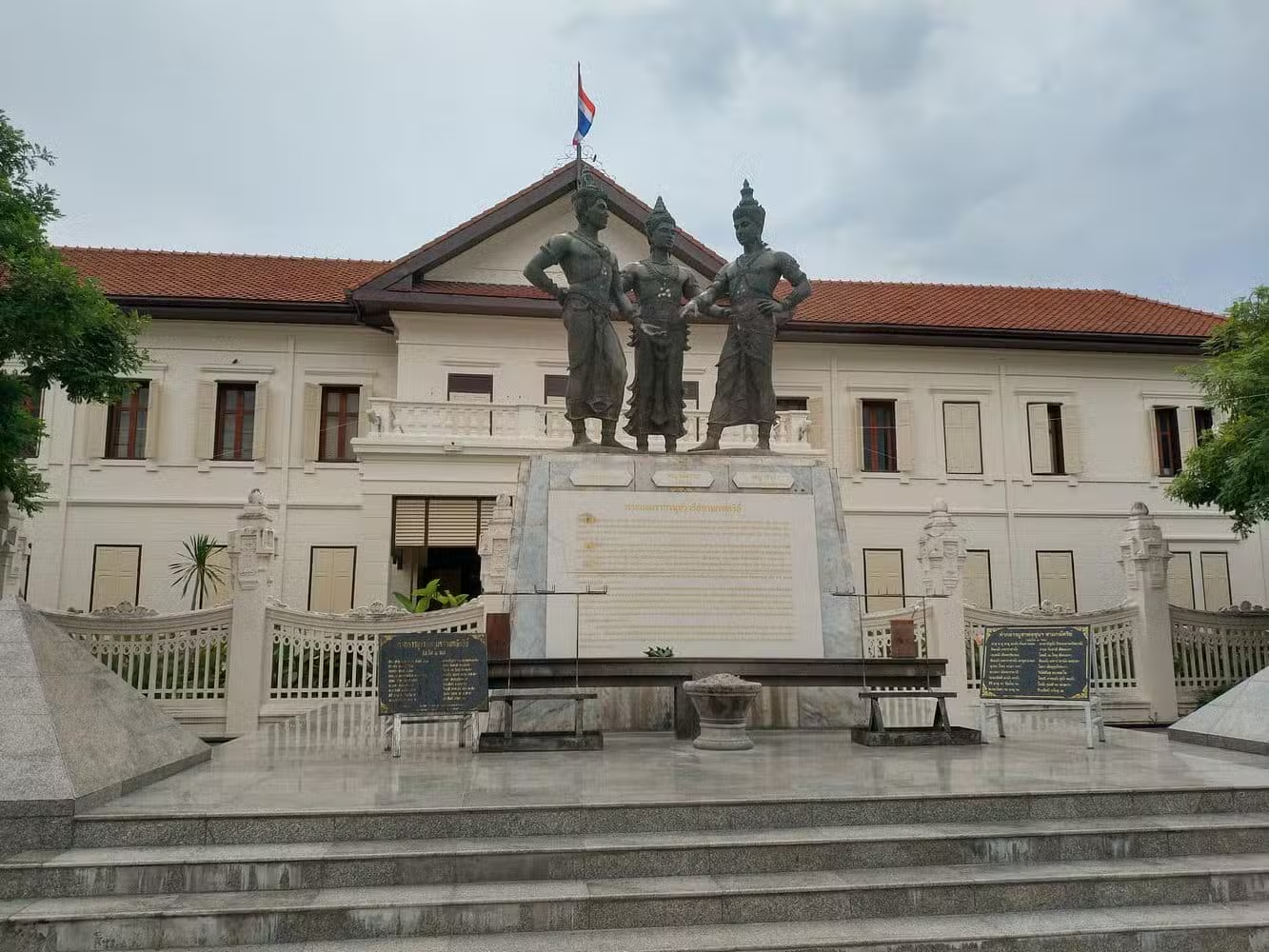
The museum stands behind the Three Kings Monument in a historic civic building at the centre of the Old City. It works particularly well near the beginning of a stay, when its account of the city’s development can add context to the places you explore afterwards.
From early settlement to a planned city
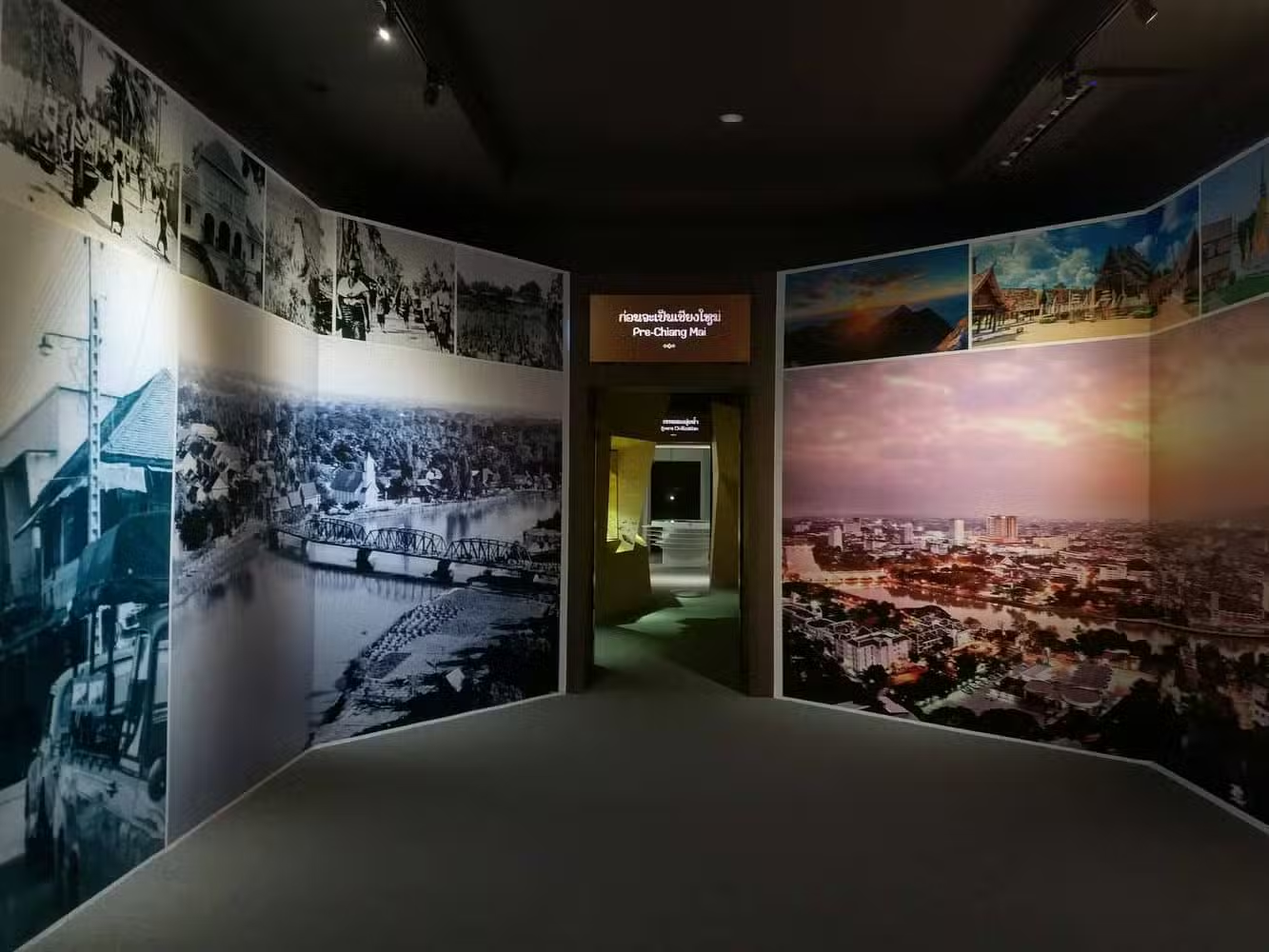
The story before Chiang Mai
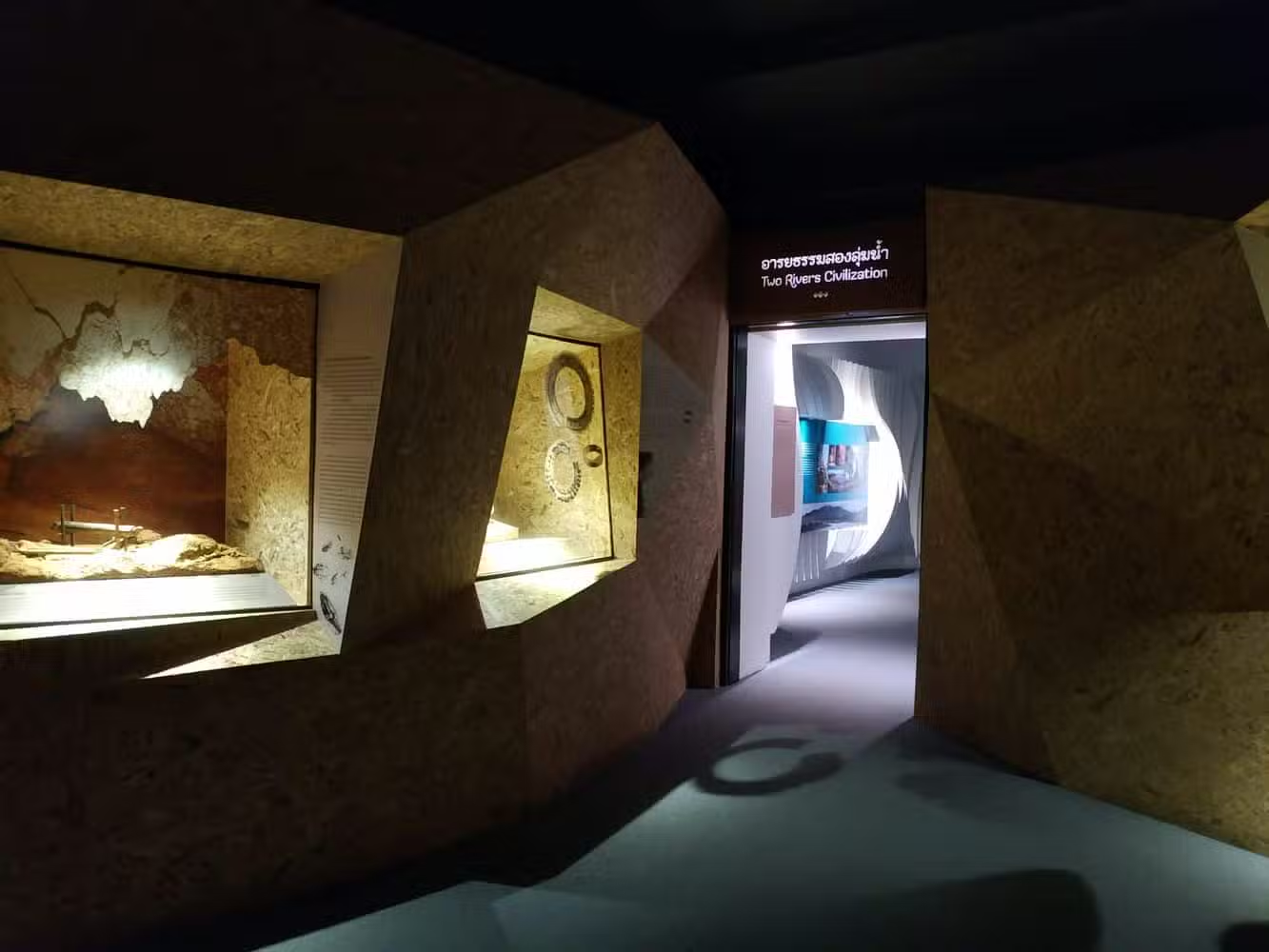
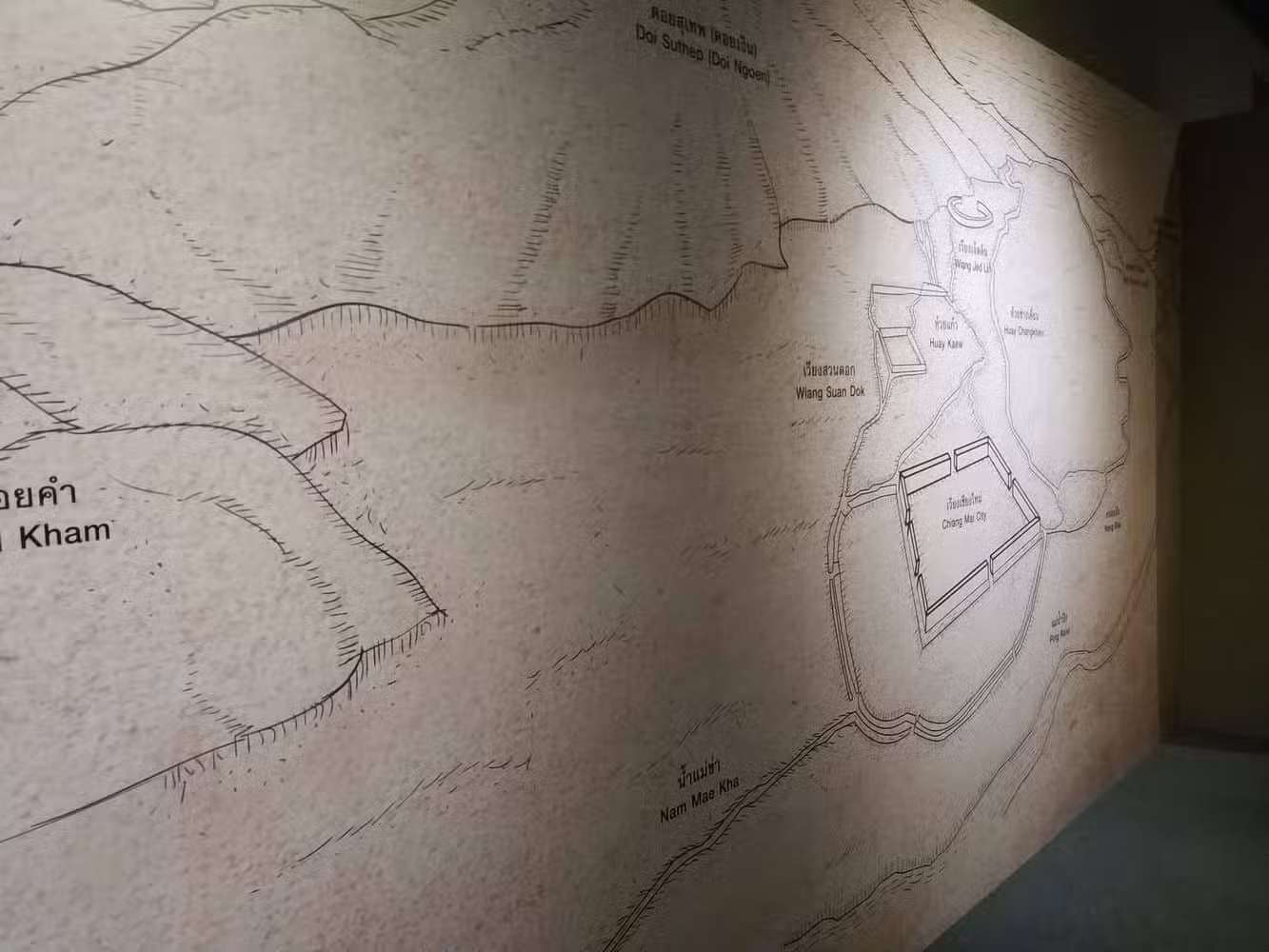
The opening galleries introduce the region before the city was founded. Displays about earlier inhabitants and the river valleys establish that northern history extends beyond the buildings visible in today’s Old City. Follow this background before moving to King Mangrai and the emergence of Chiang Mai as a capital.
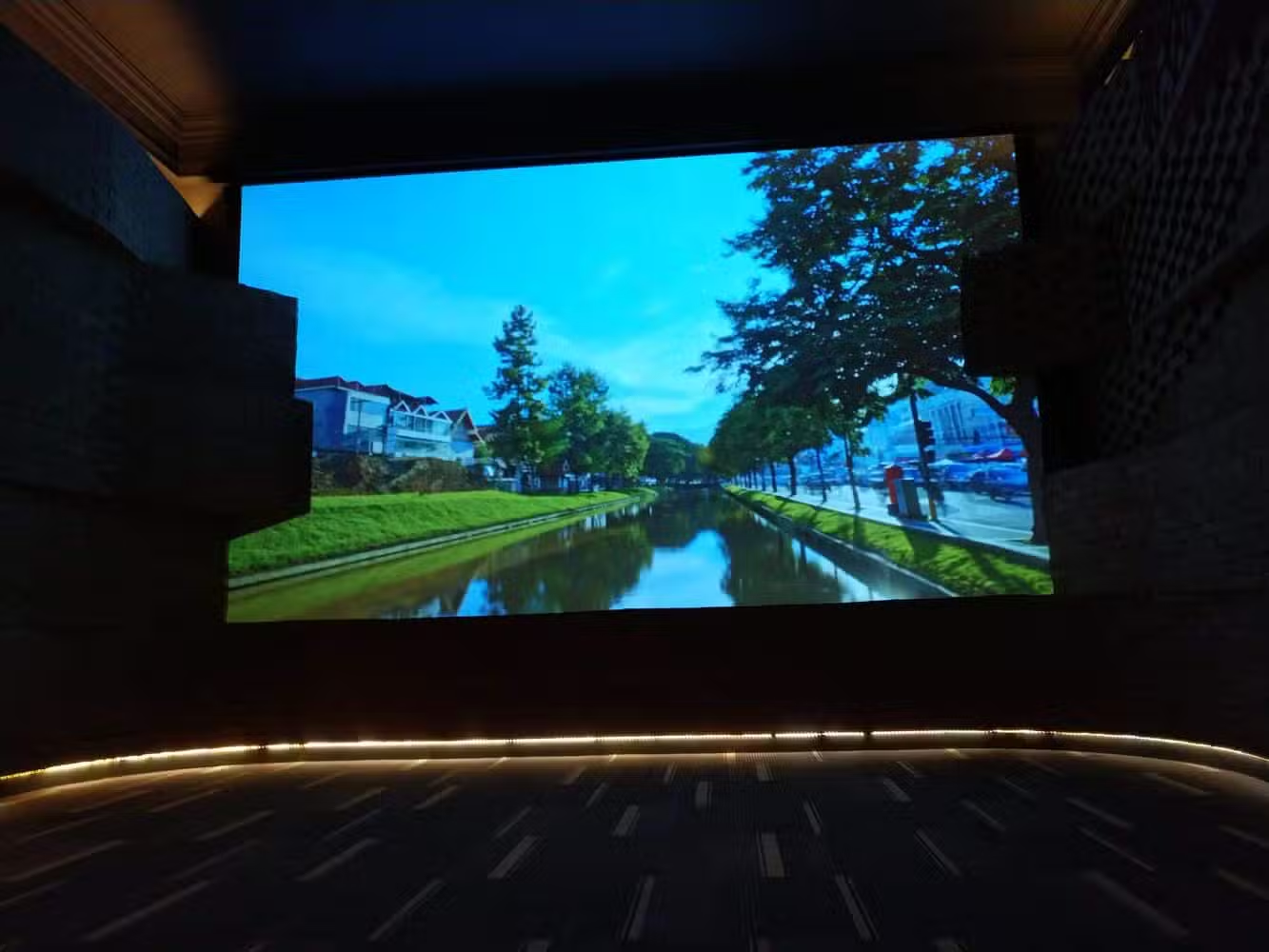
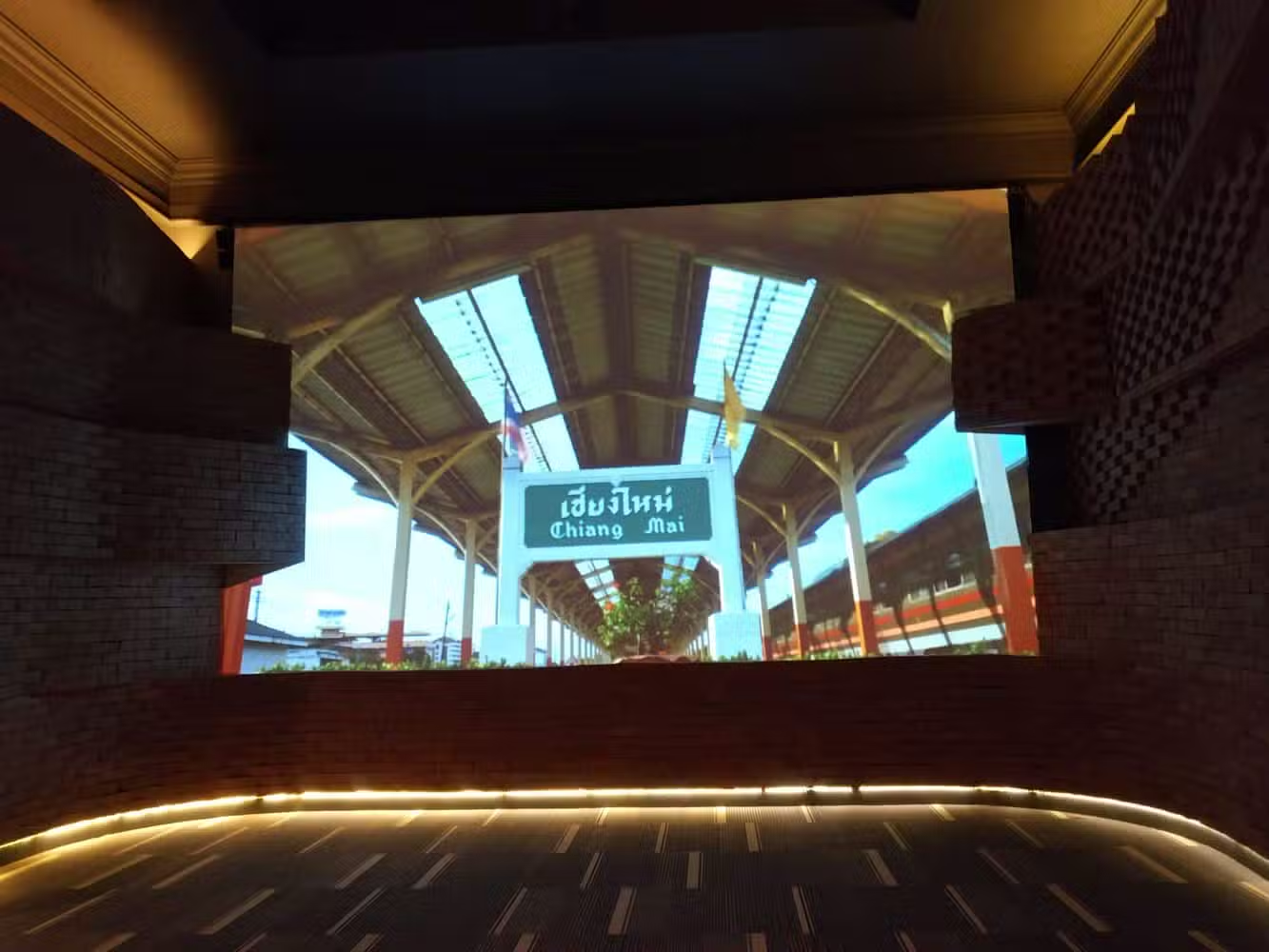
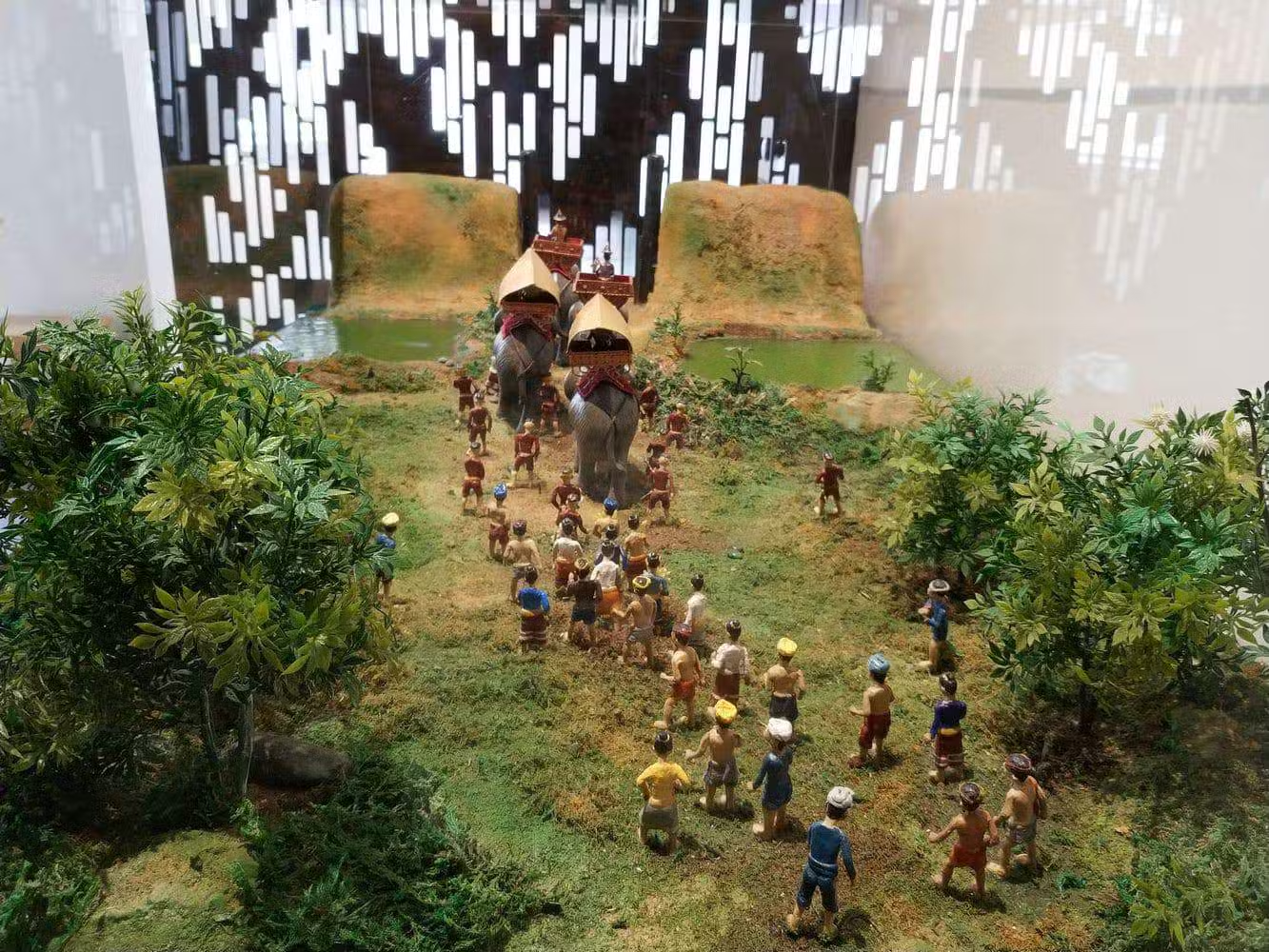
Films and models help set the scene without requiring every visitor to arrive with historical knowledge. Take time with the introductory material, then use the later rooms to build on it. The experience is interpretive rather than a collection devoted only to paintings or contemporary art.
Founding, rulers and changing connections
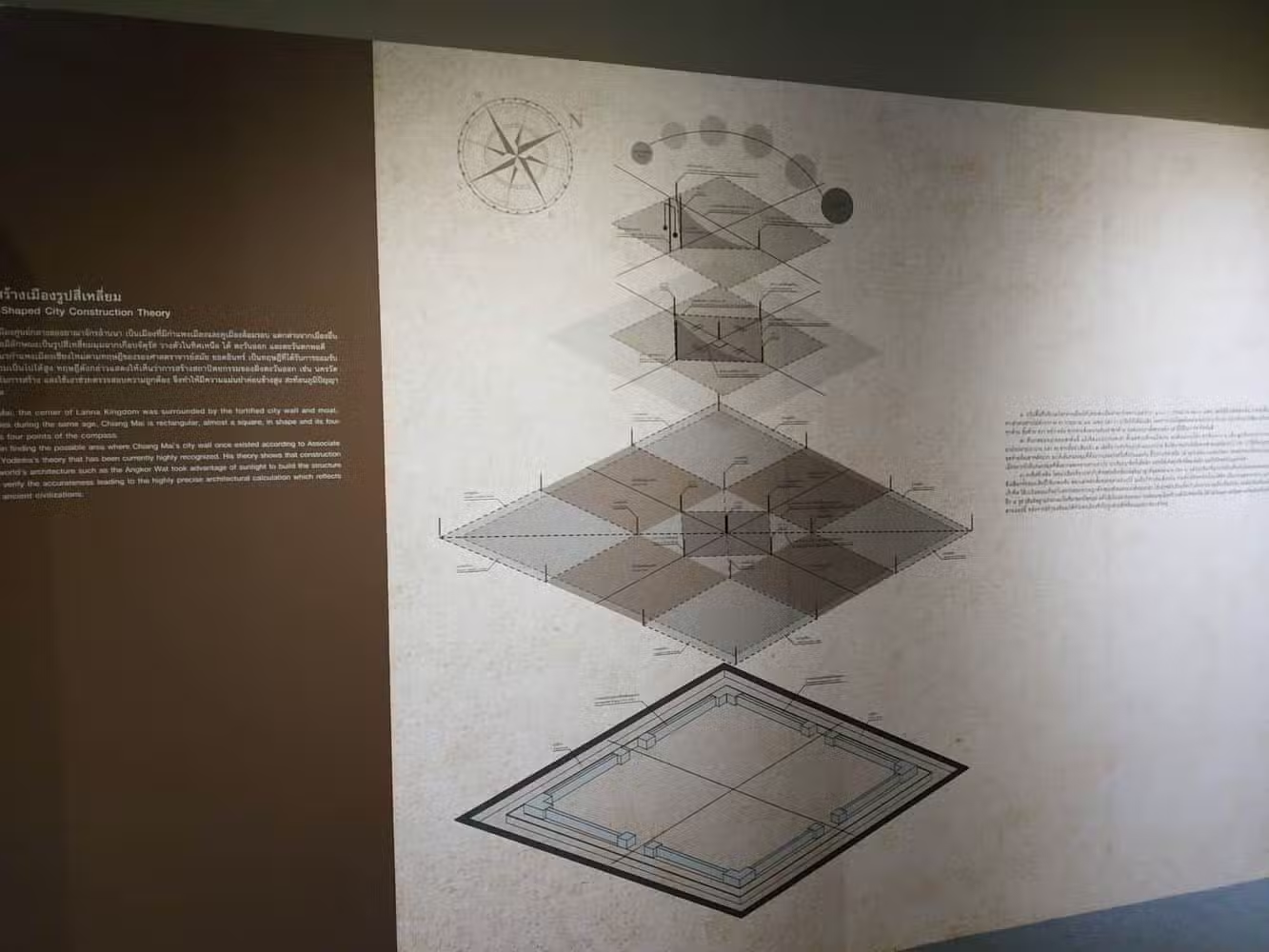
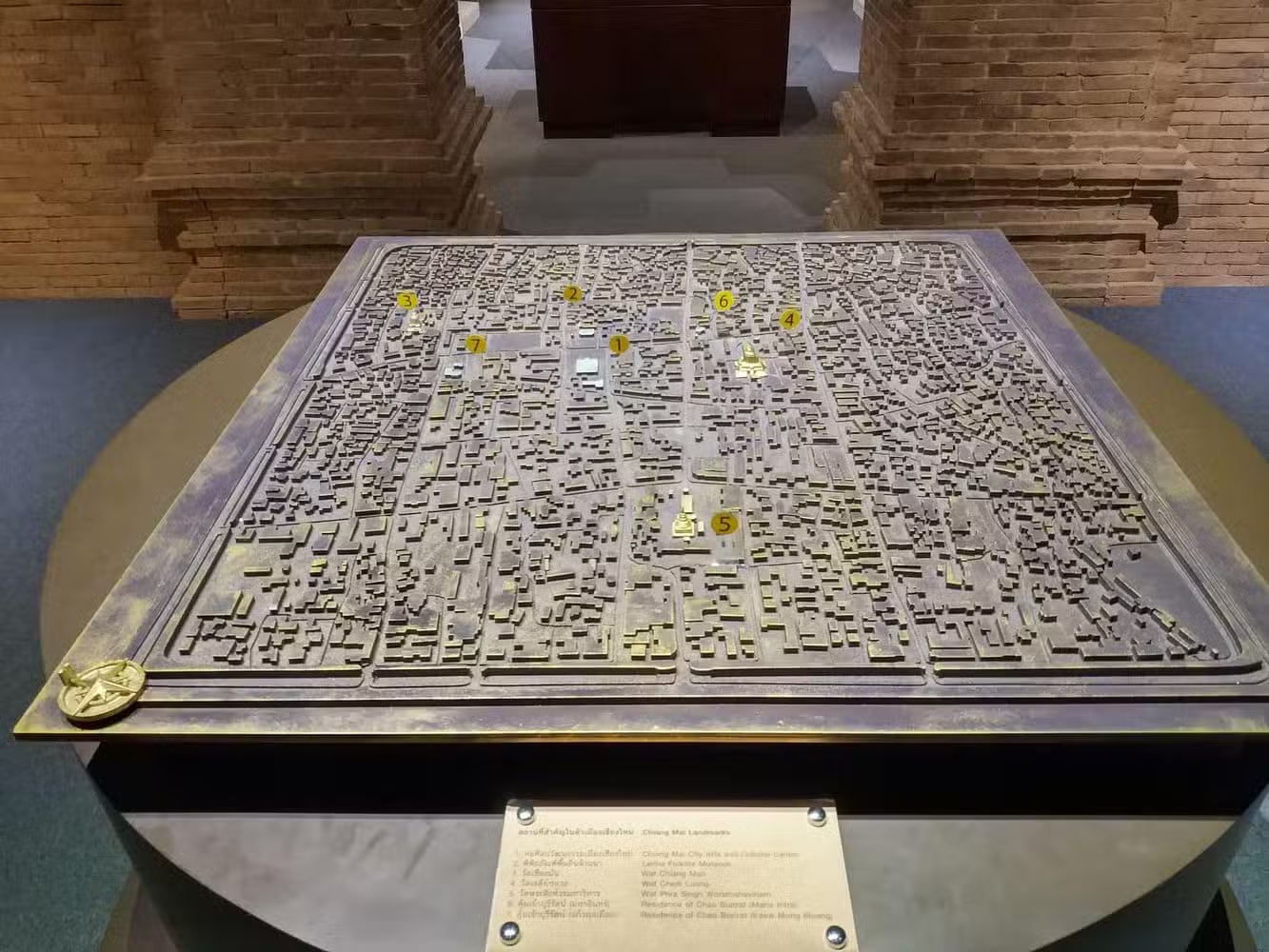
The city-building displays explain the planned shape of Chiang Mai and the beliefs associated with its foundation. This is useful context for understanding the walls and moat outside: the layout belongs to a deliberate idea of the city, not simply a series of surviving fortifications.
Other galleries follow rulers, relationships with neighbouring regions and later changes in administration, trade and transport. Photographs and interpretation of the past century help connect royal history with the growth of a more modern city. The railway and teak trade are among the forces that changed Chiang Mai’s relationship with the wider world.
River life, farming and neighbourhood culture
The Ping River and everyday work
Life along the Ping River is an important theme, showing the relationship between settlement, fishing, cultivation and movement. It adds a human scale to the political history: people made homes and livelihoods around the river, while farming depended on managing water across the plains.
Agricultural displays explain local knowledge and the contrast between fertile lowlands and mountain areas. Look for the connections between work, landscape and community rather than expecting every room to follow a simple timeline. The centre’s range makes it useful for visitors who want to understand daily life as well as rulers and monuments.
Buddhism, seasonal traditions and city communities
Displays about Buddhism and the annual cycle of traditions show how belief, ceremonies and community life overlap. These themes can give meaning to offerings, temple activity and festivals encountered elsewhere in Chiang Mai. They are explained as part of the region’s culture rather than presented as a nightly performance for visitors.
The city-life rooms also consider neighbourhoods, shops and cultural exchange. Hill communities are included in the wider regional picture, while other displays concentrate on lowland settlement. Avoid rushing past these sections after the foundation story: they explain much of what makes modern Chiang Mai distinctive.
The historic building and nearby heritage venues
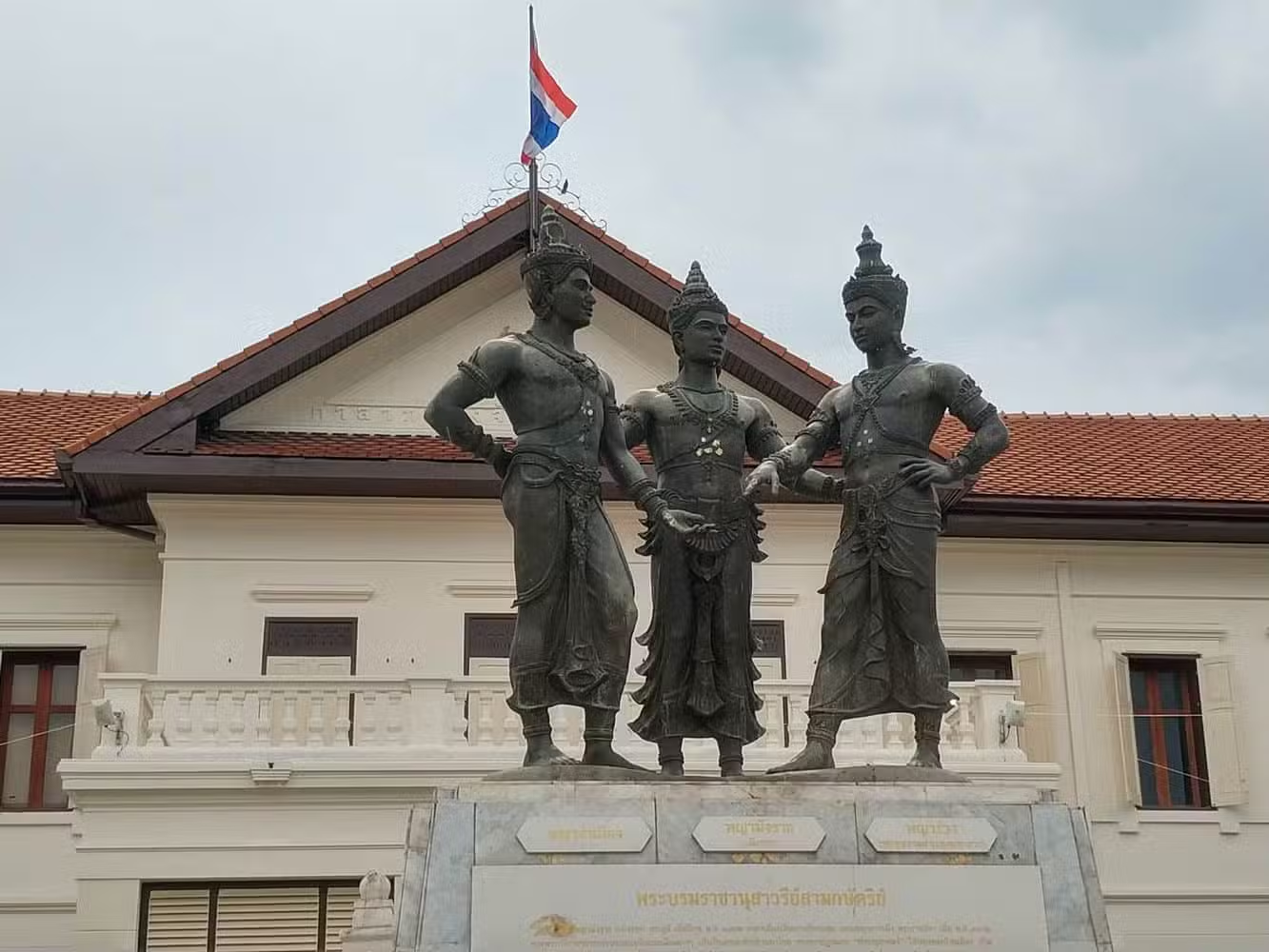
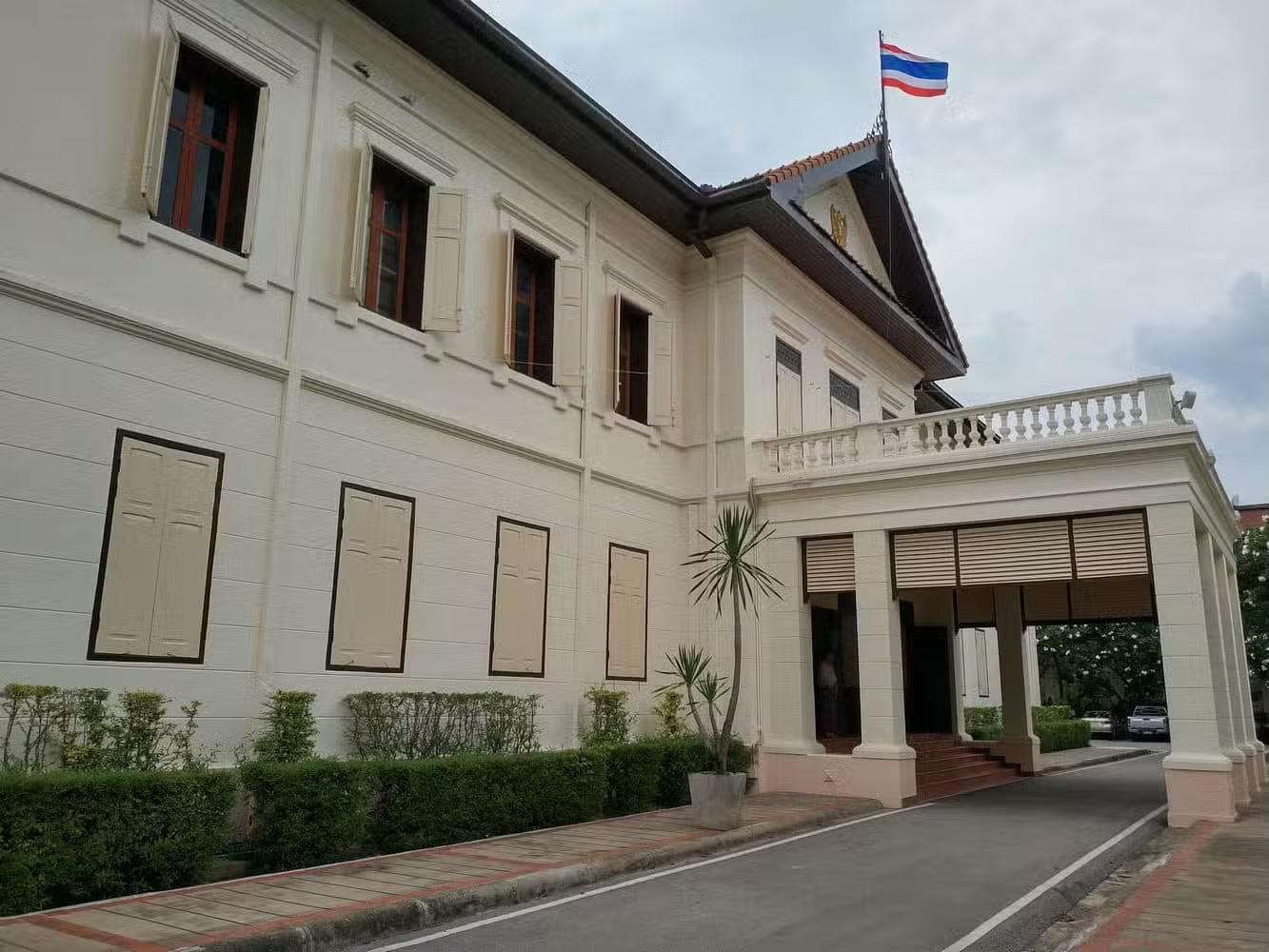
The museum’s building dates to 1924 and formerly served government administration. A dedicated building-history display makes the architecture part of the visit, alongside the collections inside. Its position behind the Three Kings Monument reinforces the relationship between civic space and the city’s historical identity.
Temporary exhibitions may add another reason to visit, with a programme that changes over time. Check the current display when you arrive, and distinguish it from the permanent museum route. A workshop or special exhibition may have its own booking or access arrangements.
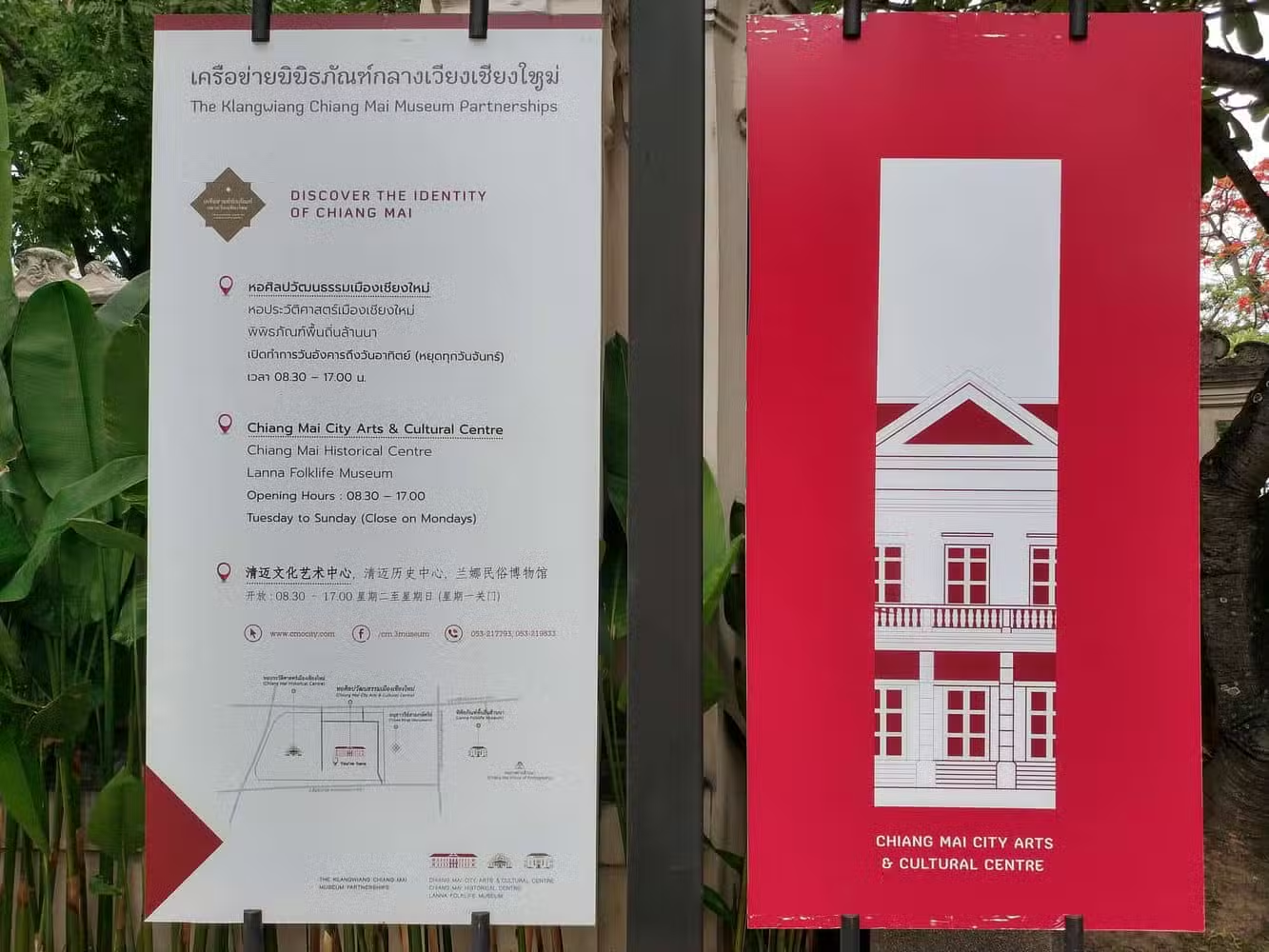
Across Prapokklao Road, Lanna Folklife Centre complements this museum by concentrating on ritual, craft and material culture. The Historical Centre behind the cultural building is a separate venue and is temporarily closed for renovation. Check for reopening before adding it to the day, and confirm any combined admission at the ticket counter.
Opening, tickets and planning your visit
The centre is open Wednesday-Sunday, including public holidays, from 8.30am to 4.30pm, and closed on Monday and Tuesday. Listed admission is 90 THB for adults and 40 THB for children. Ask about applicable concession categories and any currently available combined admission before paying.
Allow around one to two hours, depending on how closely you read the displays and whether you include a temporary exhibition. The variety of media can work well for families, though selecting a few themes is often more rewarding for younger children than trying to explain every historical period.
Ask staff about access between floors and the available gallery route if you have mobility requirements. Films, individual displays and temporary rooms can have different arrangements. Arrive well before closing so that an admission purchase does not become a rushed circuit.
Getting there in the Old City
The centre is on Prapokklao Road in Si Phum, directly behind the Three Kings Monument. It is easy to include in a central Old City walk, with the monument square providing a recognisable landmark for a taxi, tuk-tuk or songthaew drop-off. Give the full city museum name to avoid confusion with cultural dinner venues elsewhere in Chiang Mai.
Allow for road crossings when combining it with Lanna Folklife Centre opposite. Agree a quoted vehicle fare before travelling and confirm any nearby parking locally. Visitors arriving at Chiang Mai railway station, the airport or an intercity bus terminal need a separate transfer to the Old City.
Chiang Mai City Arts & Cultural Centre FAQs
What kind of museum is this?
It explains Chiang Mai’s development through history, daily life and culture, using models, photographs, films and interpretive displays. It is broader than a conventional art gallery.
What should I prioritise?
Start with the early settlement and city-founding story, then explore river life, farming and local traditions. The building-history display adds context to the museum’s own historic setting.
When is it open?
The centre opens Wednesday-Sunday, including public holidays, from 8.30am to 4.30pm. It is closed on Monday and Tuesday.
How much is admission?
Listed admission is 90 THB for adults and 40 THB for children. Check any applicable concession or combined-ticket offer at the counter before buying.
How long do I need?
Allow about one to two hours for the permanent displays, with more time for close reading or an additional exhibition. A focused selection of themes can make the visit easier with younger children.
Is it the same as the Historical Centre?
No. They are neighbouring venues with different exhibits. The Historical Centre is temporarily closed for renovation, so check for reopening before including it in your itinerary.
Where is the entrance area?
The centre is on Prapokklao Road behind the Three Kings Monument in the Old City. Use that landmark and the full museum name when arranging a driver or city transfer.











Do You Have a Question to Ask?