


















































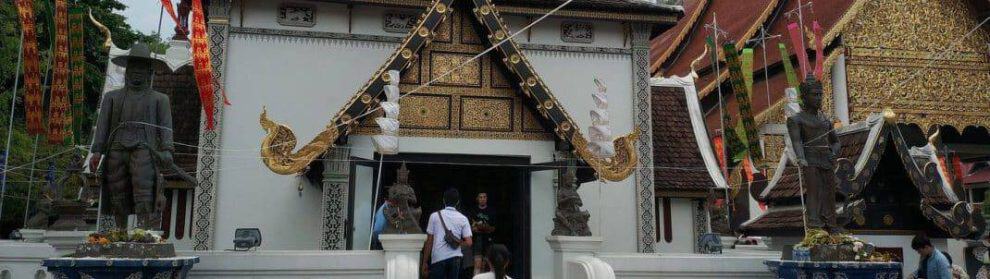
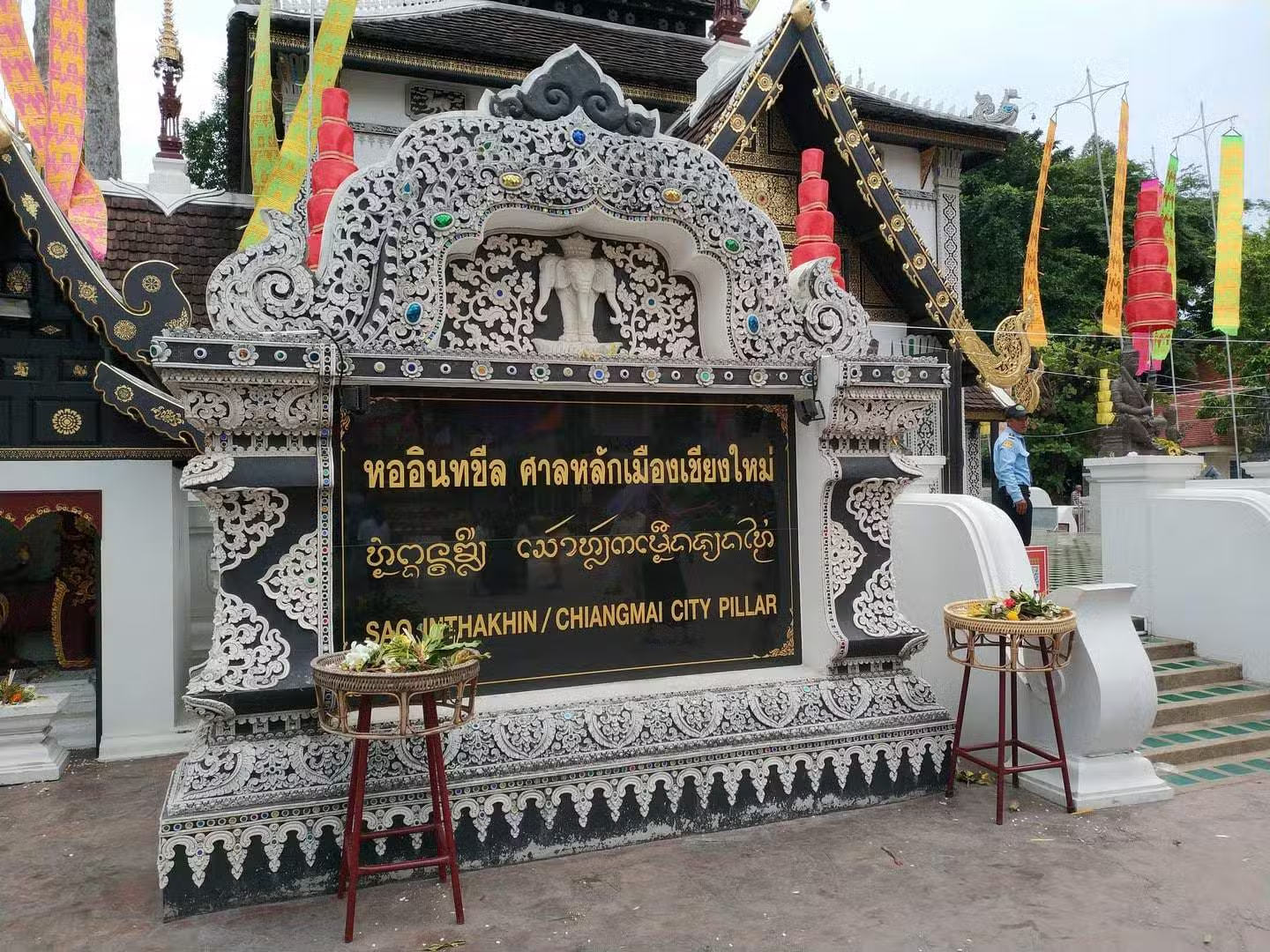
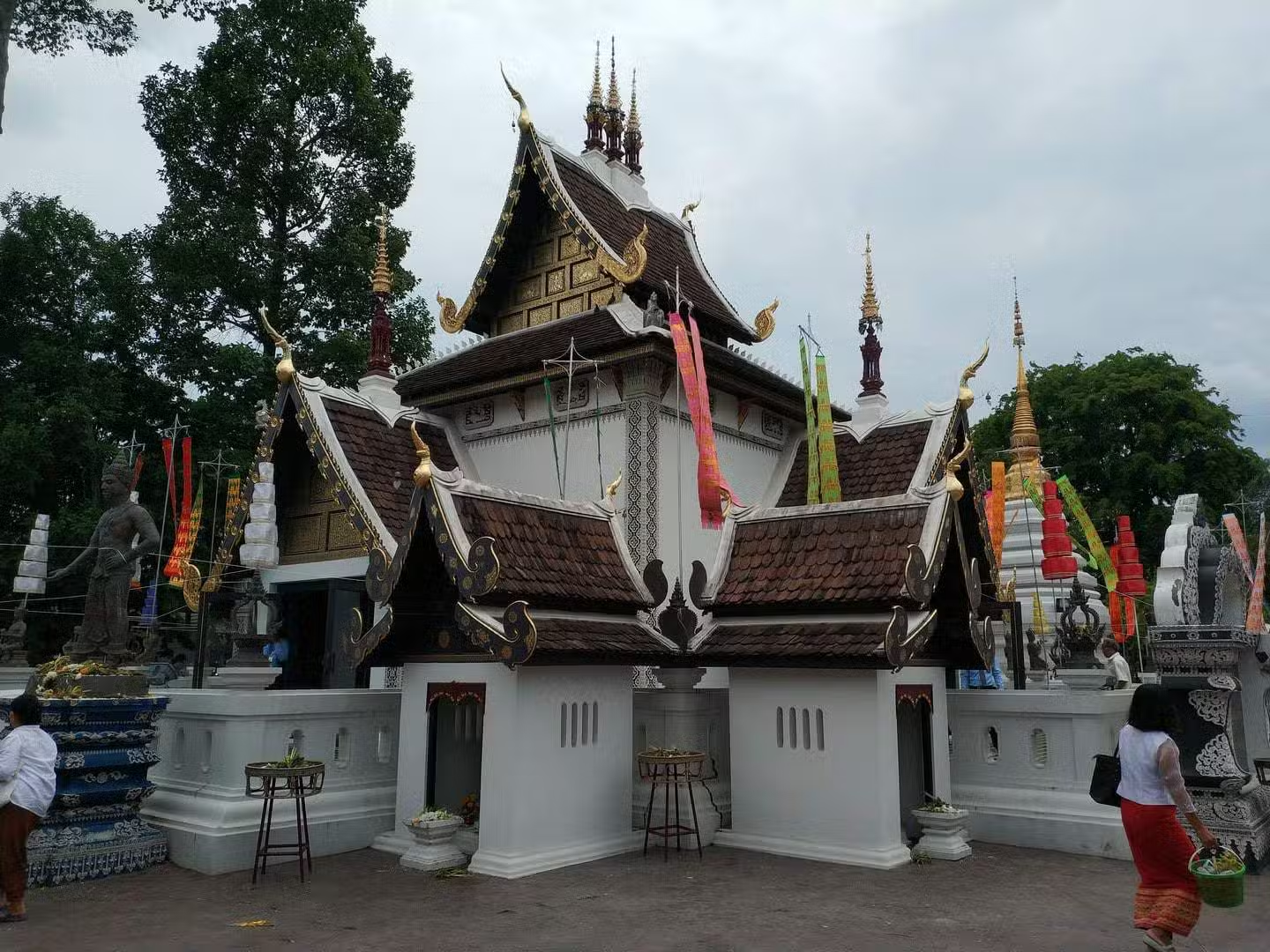
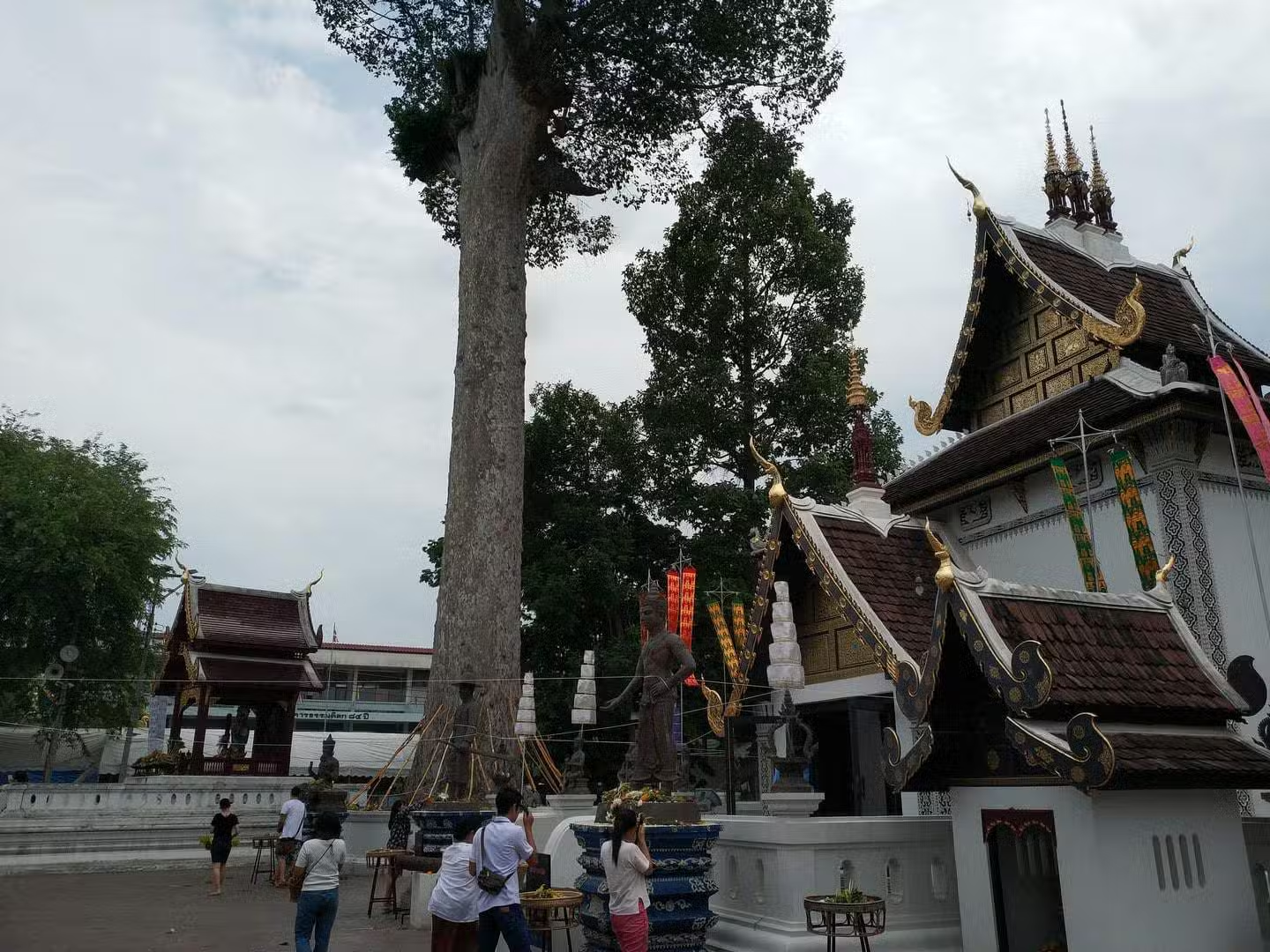
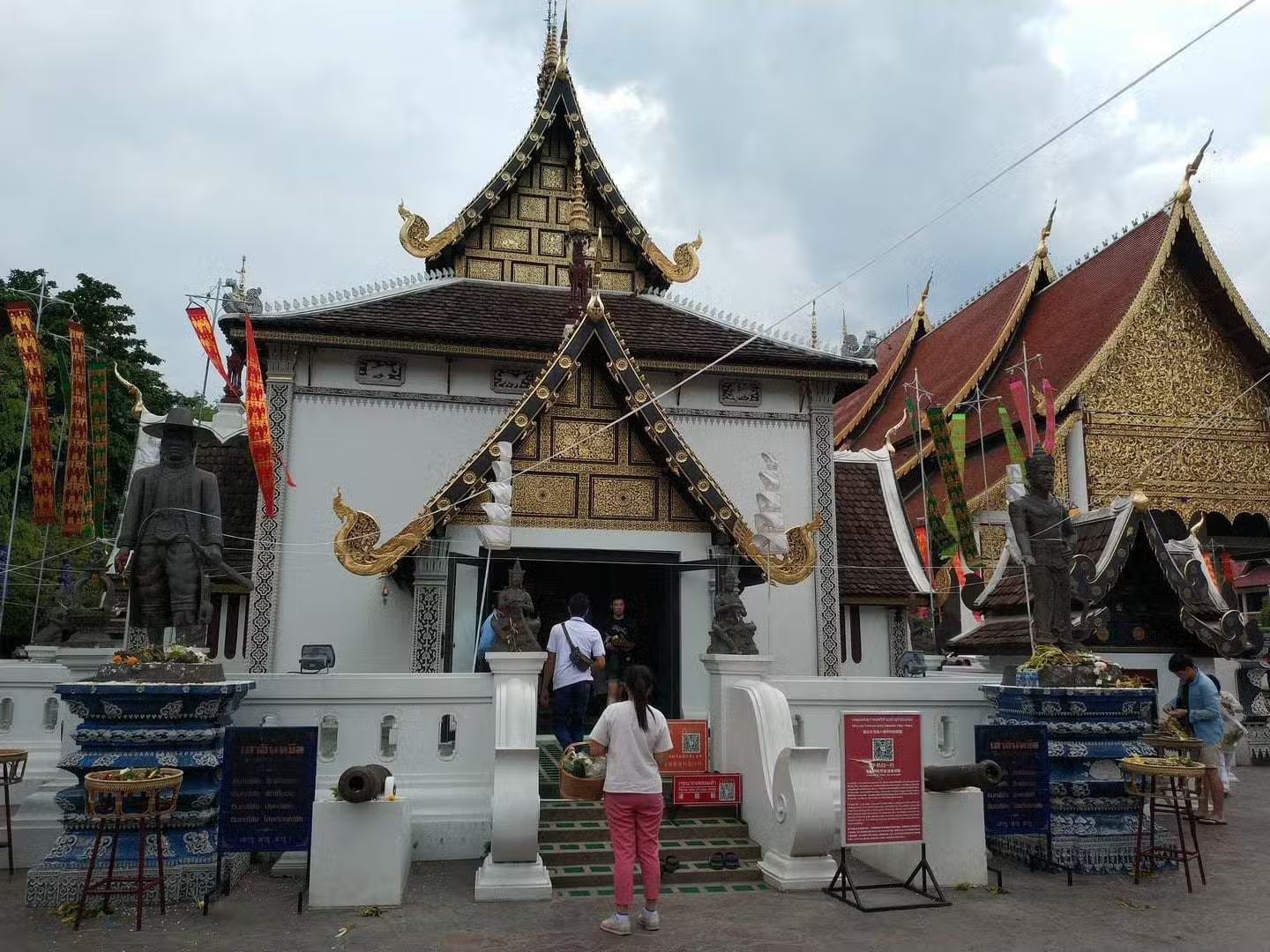
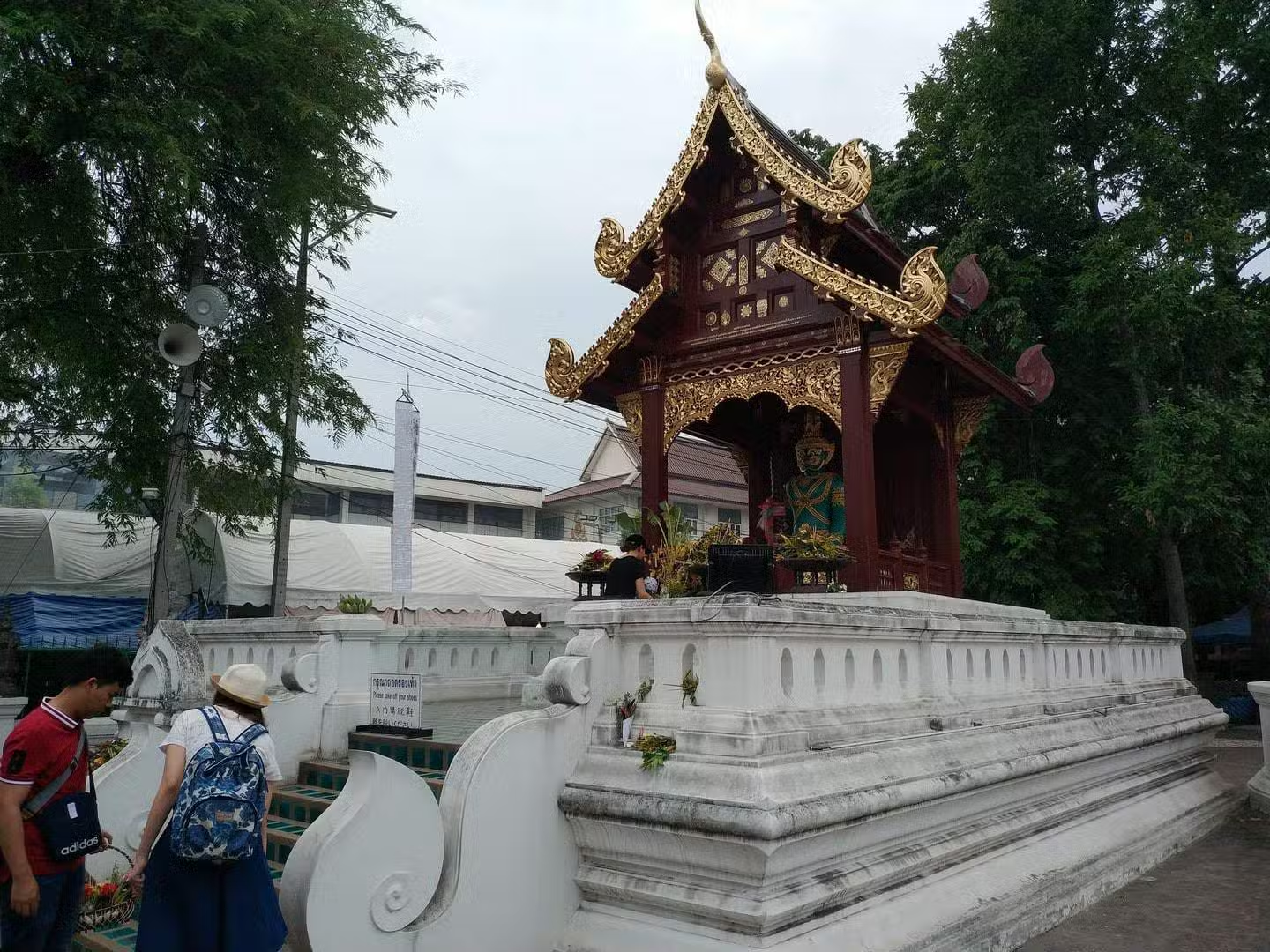
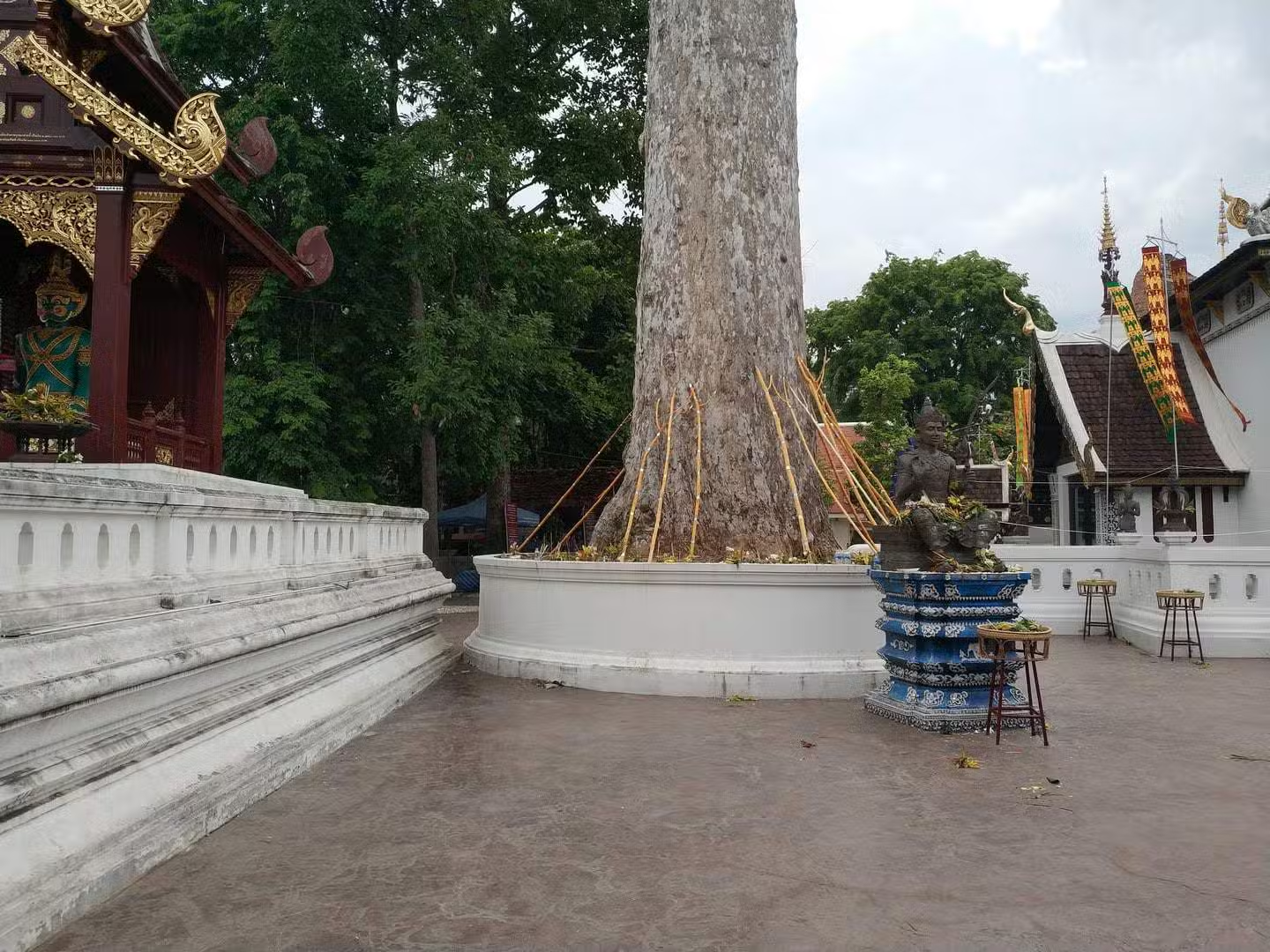
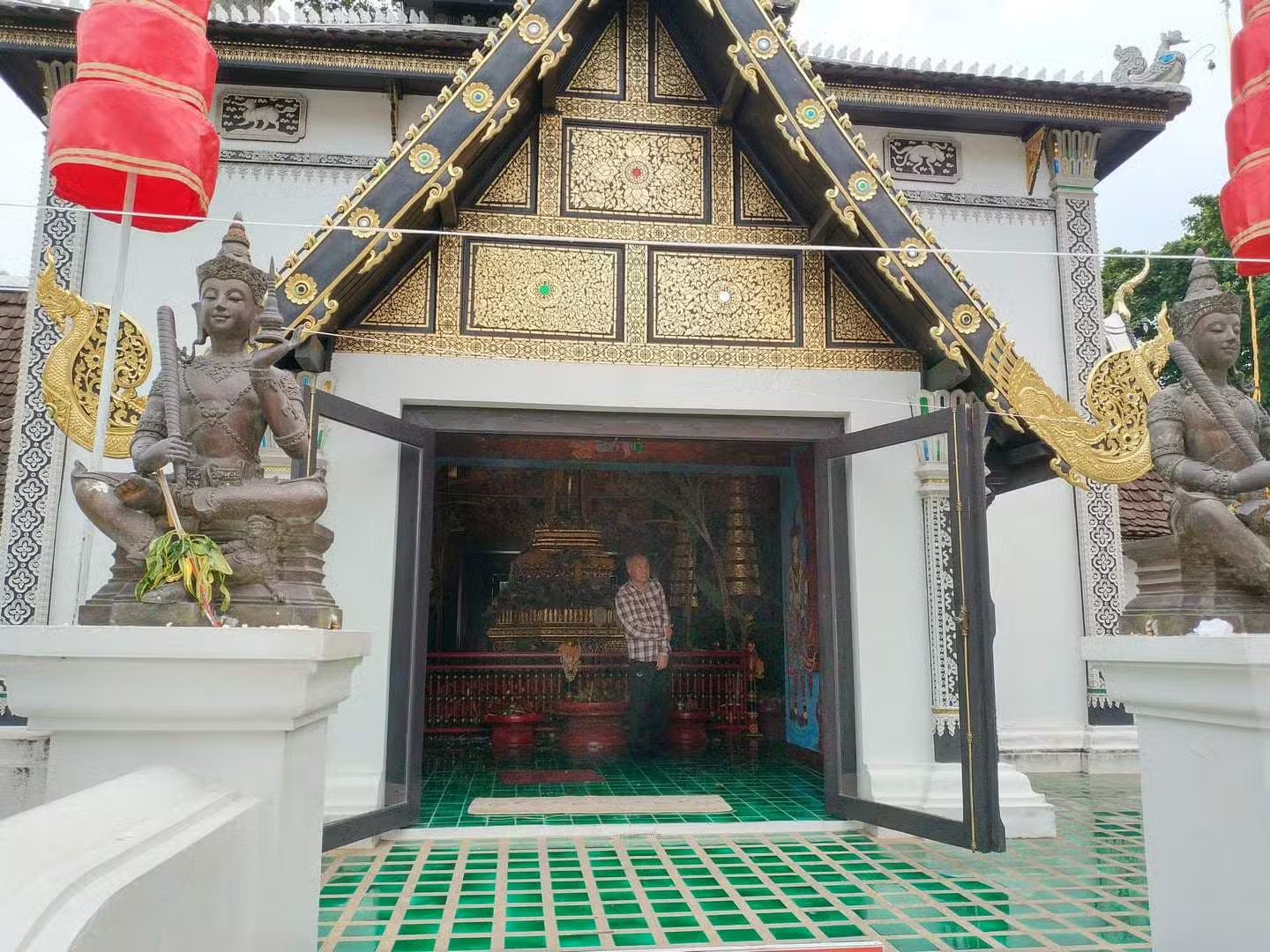
Chiang Mai City Pillar Shrine houses the Inthakhin, the city’s sacred pillar, within the grounds of Wat Chedi Luang on Phra Pokklao Road. It is a place of worship associated with the protection and wellbeing of Chiang Mai, and an important part of the city’s living religious traditions.
The shrine is distinct from Wat Inthakhin Sadue Muang, the separate temple near the Three Kings Monument associated with the pillar’s earlier location. If you want to see the present city pillar, go to Wat Chedi Luang rather than the dark wooden temple building farther north.
The Inthakhin and Chiang Mai’s Traditions
The city pillar tradition is linked to Chiang Mai’s founding and its spiritual protection. The pillar was later moved from its earlier site to Wat Chedi Luang during the period of King Kawila, so its history connects more than one location in the Old City.
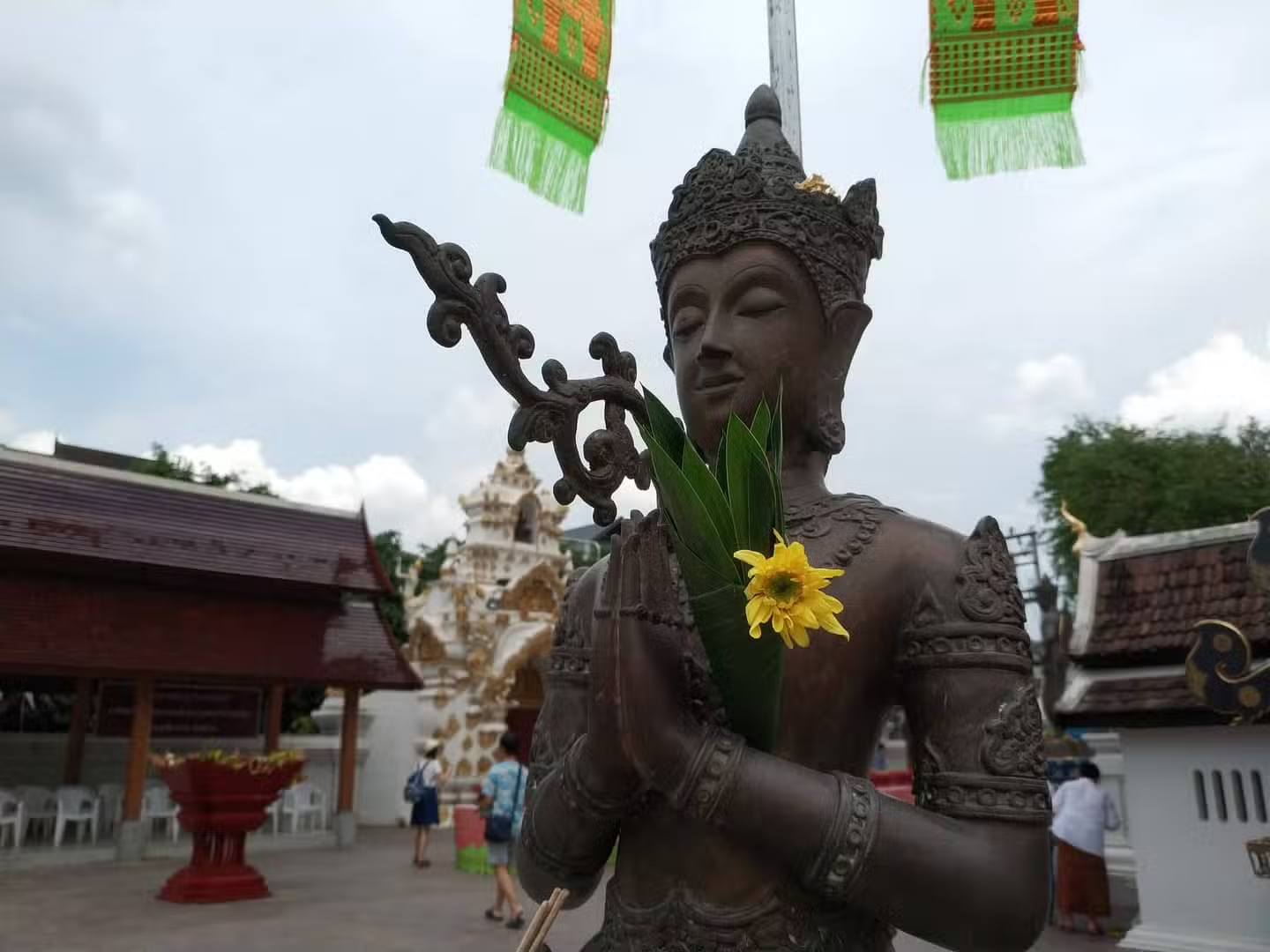
For visitors, its significance lies in the worship taking place around it rather than its size as a sightseeing monument. People bring offerings and prayers for the city’s welfare, making the shrine a useful counterpoint to the much larger ruined chedi elsewhere in the temple grounds.
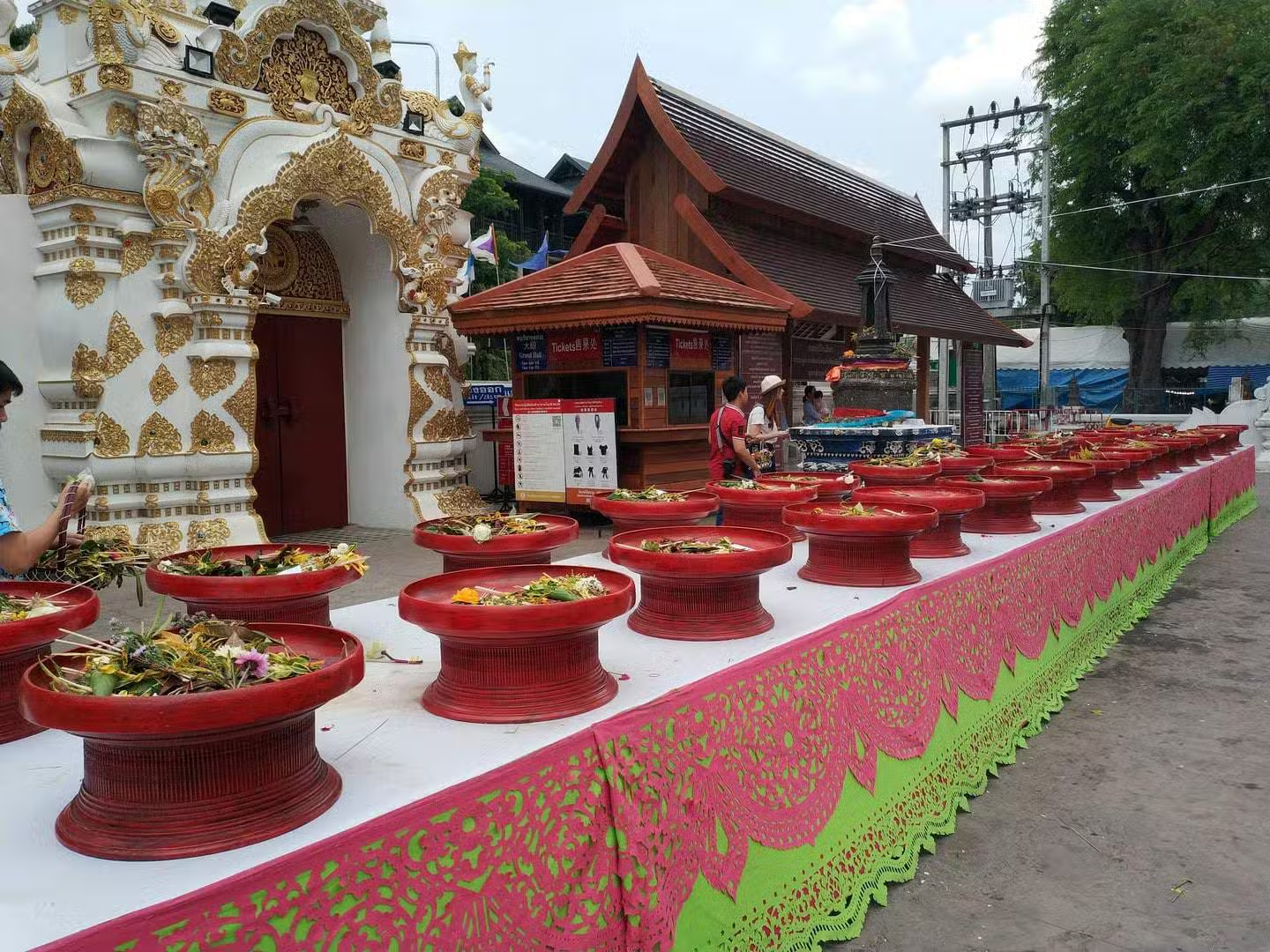
The annual Inthakhin festival includes flower offerings and draws worshippers to Wat Chedi Luang. It generally falls around May or June, with dates set for each year’s observance. Festival arrangements can change the usual pace and access around the shrine.
Visiting the Shrine Respectfully
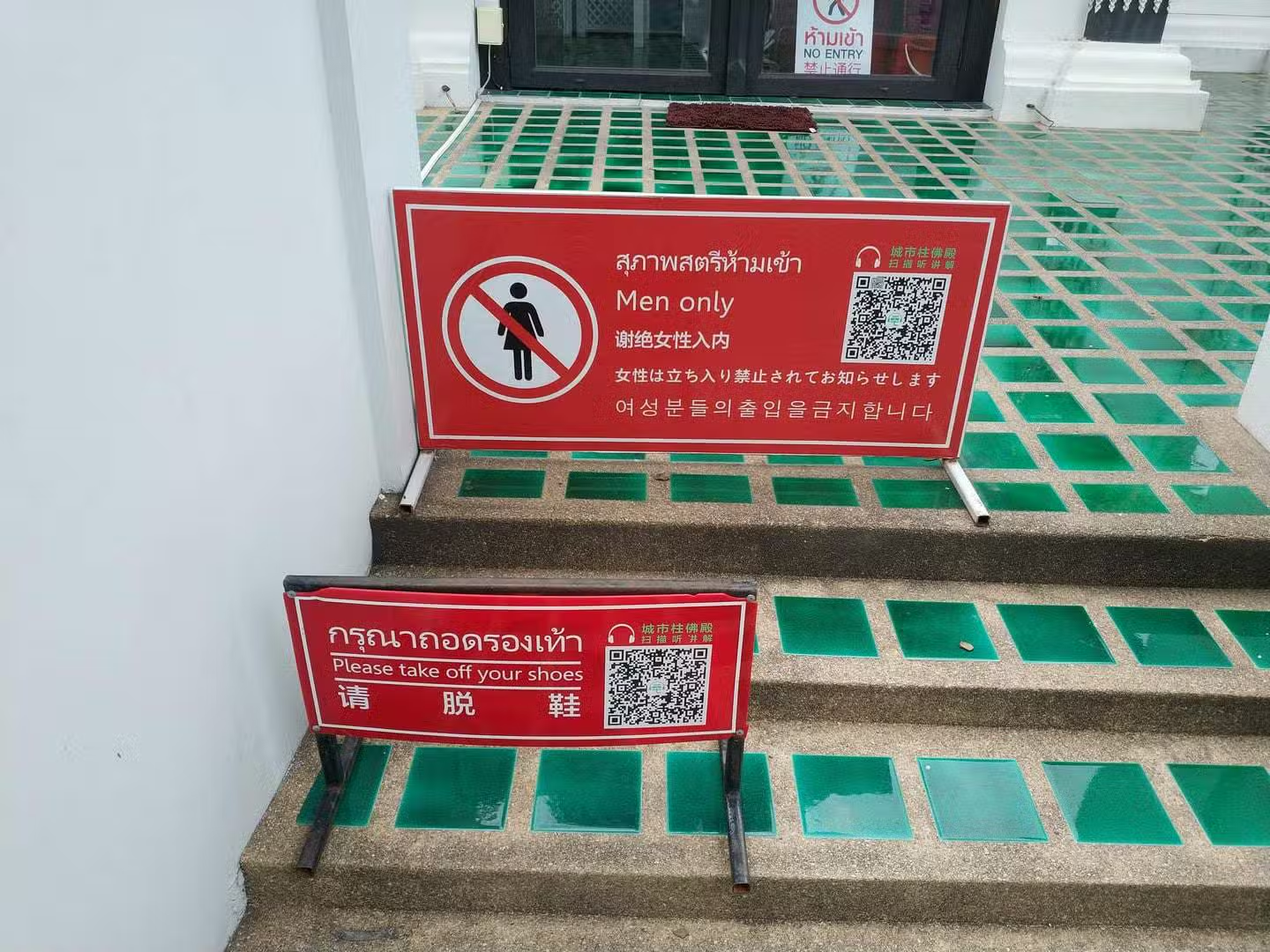
Follow the signs and instructions at the shrine entrance. Women are not permitted inside the city pillar shrine building under its religious tradition; this restriction applies to that building, not to the whole Wat Chedi Luang complex.
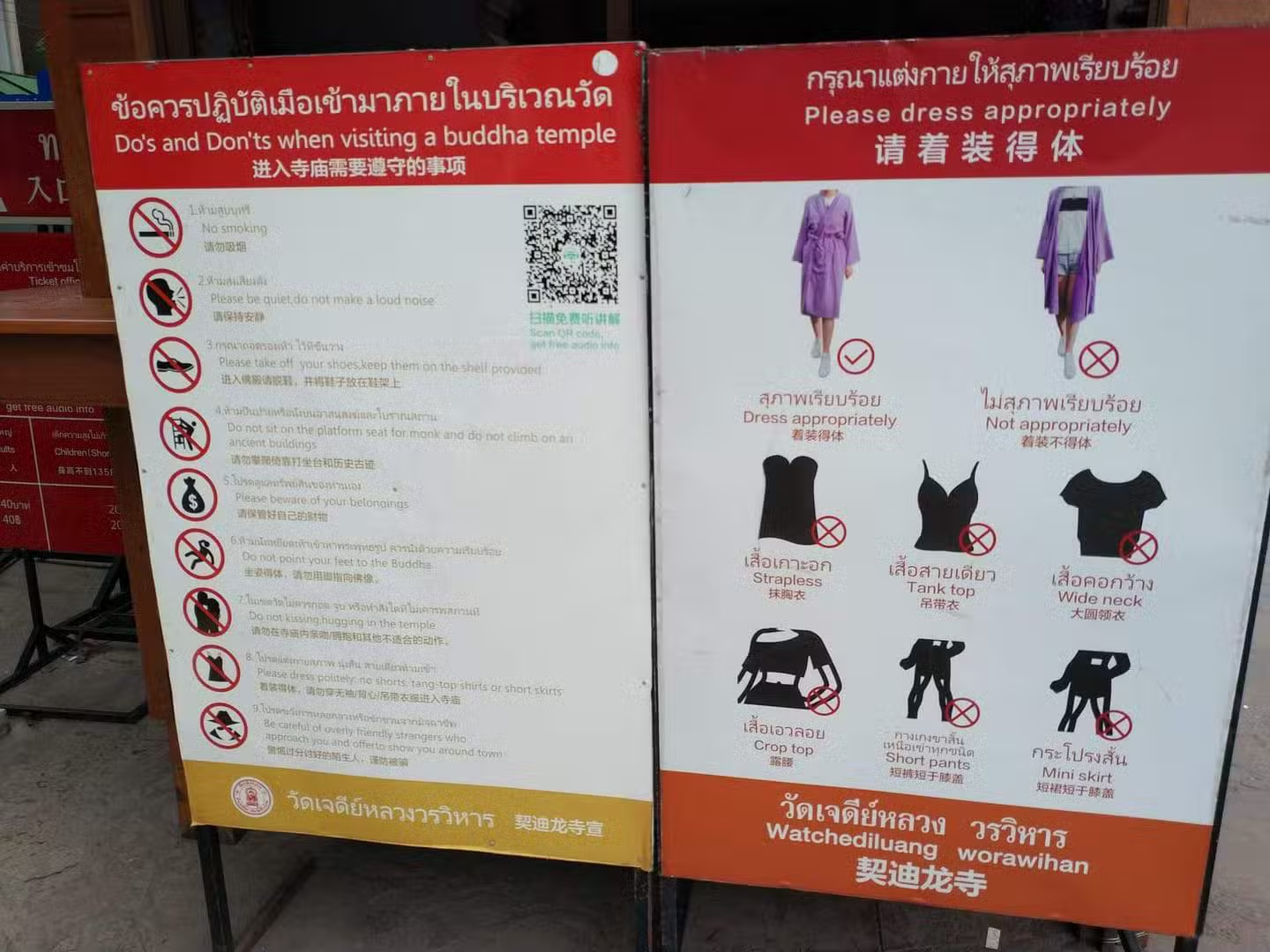
Visitors allowed inside should remove shoes where required, cover shoulders and knees, and give worshippers space. Keep conversation quiet and follow any photography restrictions. If the building is closed for an observance, view it from the surrounding grounds rather than assuming immediate access.
The shrine can be a short part of a wider temple visit. Allow more time to see Wat Chedi Luang’s main structures, but keep the city pillar’s particular access rules separate from the general rules for walking through the grounds.
Location, Admission and Timing
Use Wat Chedi Luang at 103 Phra Pokklao Road as your destination. The central Old City location makes it convenient to combine with nearby Wat Phan Tao and a walk along Ratchadamnoen Road.
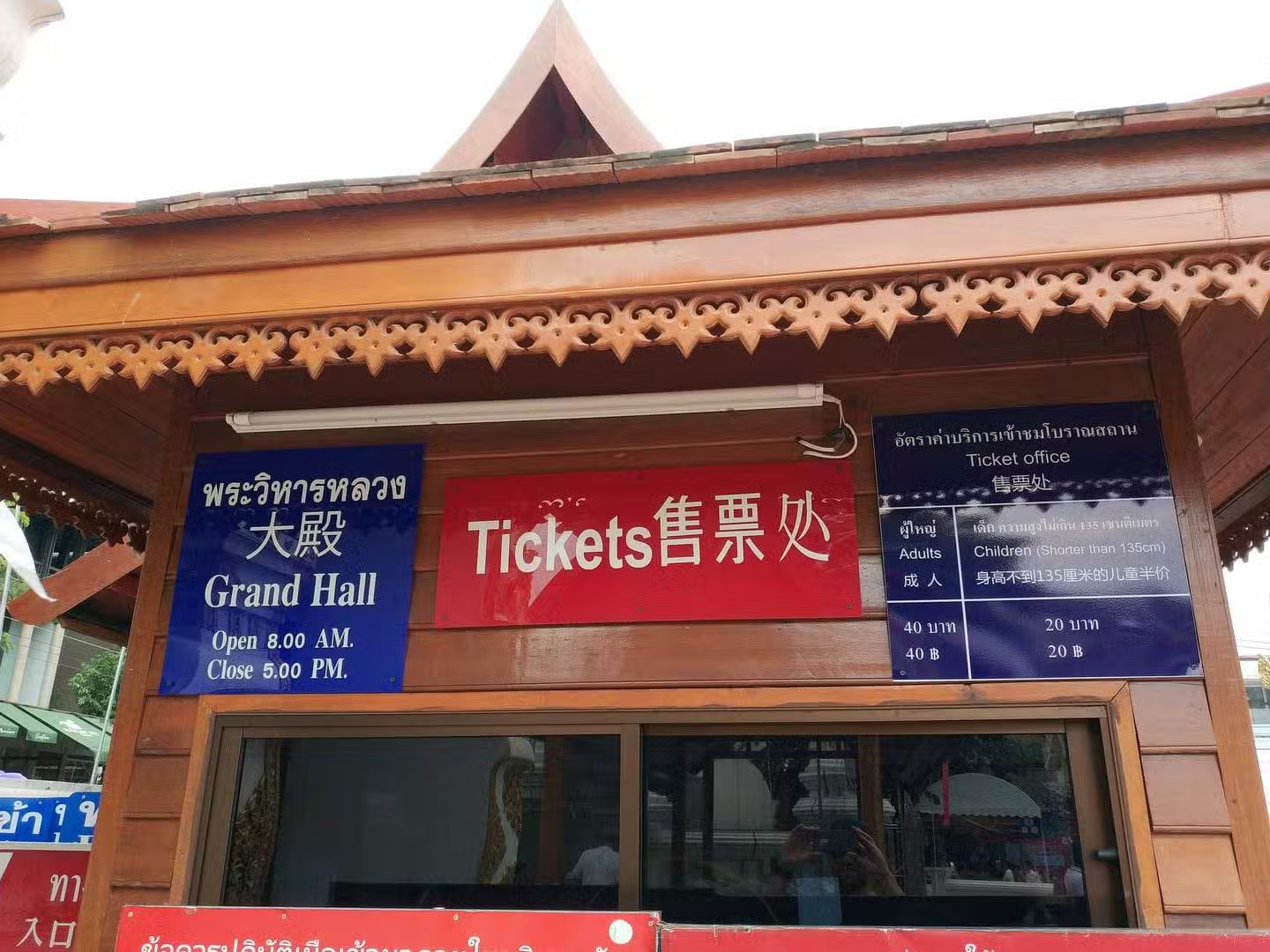
Admission arrangements relate to the temple complex. Check the current charge at the entrance, including any child or resident concessions, rather than treating the pillar as a separate ticketed attraction. Access to the shrine interior can be narrower than the opening hours of the wider grounds.
A daytime visit gives you the best opportunity to read signs and understand the setting. If you are visiting for the Inthakhin festival, confirm the year’s dates and ceremony programme and expect more people than on an ordinary day.
Chiang Mai City Pillar Shrine FAQs
Where is Chiang Mai’s city pillar today?
It is housed in a shrine within Wat Chedi Luang on Phra Pokklao Road. Use that temple as your destination if your aim is to see the present Inthakhin shrine.
Is it the same as Wat Inthakhin Sadue Muang?
No. Wat Inthakhin Sadue Muang is a separate temple associated with the pillar’s earlier location. Its name can cause confusion, but the pillar itself is now at Wat Chedi Luang.
Can women enter the shrine?
Women are not permitted inside the city pillar shrine building under the local religious tradition. Women can visit the wider temple complex and see the shrine exterior while following the posted rules.
What is the Inthakhin festival?
It is an annual observance connected with the city pillar and the wellbeing of Chiang Mai. Flower offerings are an important part of the tradition; check the dates and programme for the year of your visit.
How long does a visit take?
A short stop at the shrine can fit into a longer Wat Chedi Luang visit. Allow around an hour for the wider complex if you want to explore calmly, with extra time during ceremonies.
Do you need to dress for a temple visit?
Yes. Cover shoulders and knees and wear footwear you can remove easily where required. The shrine is an active place of worship, so follow signs and give people making offerings priority.









Do You Have a Question to Ask?