


















































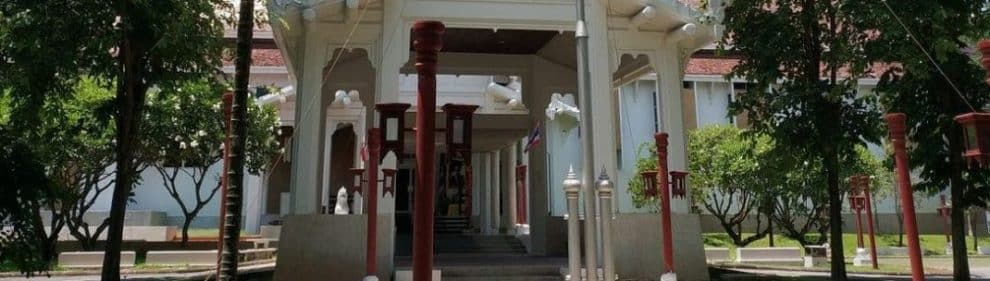
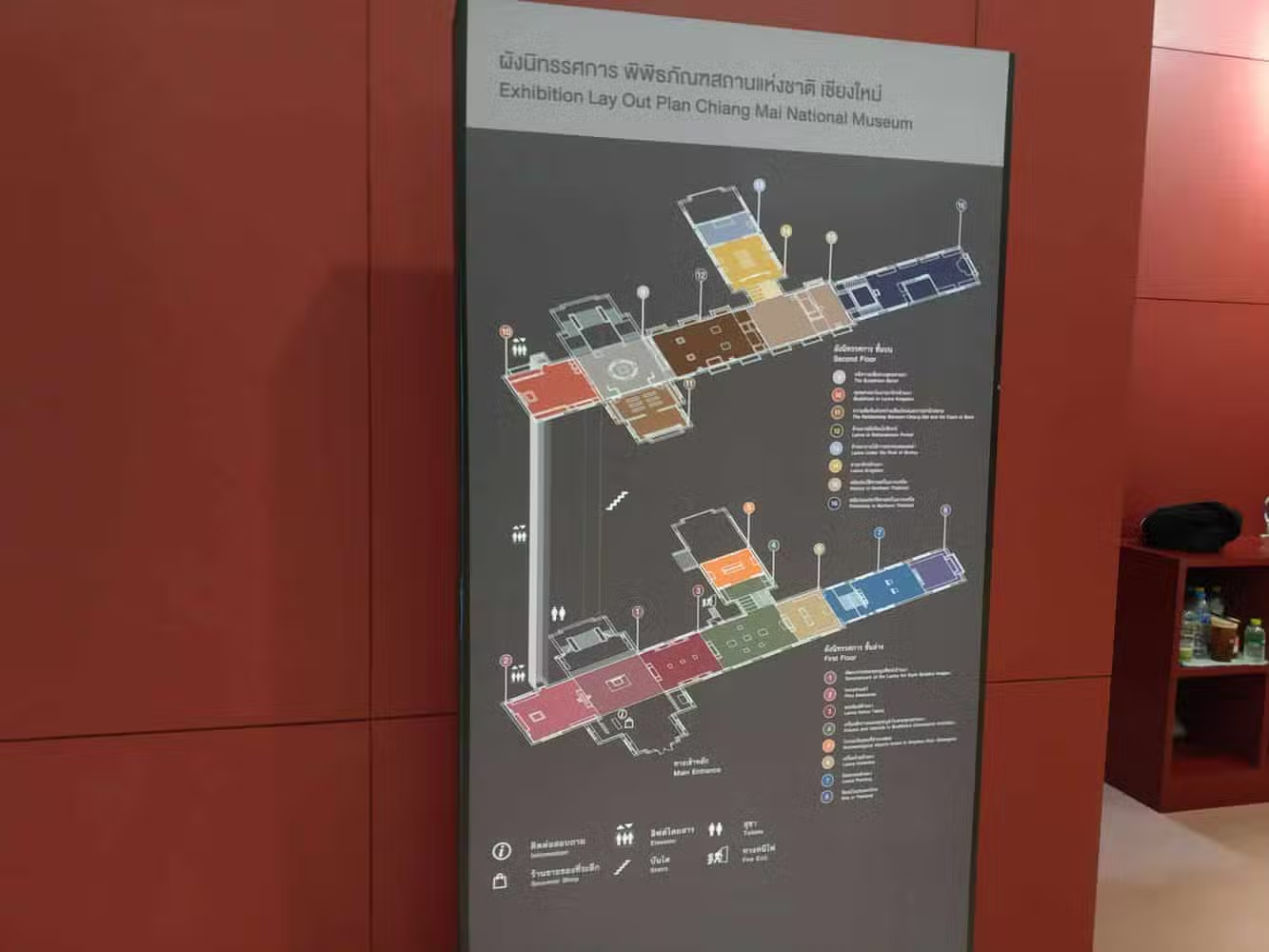
Chiang Mai National Museum introduces the history and art of northern Thailand through archaeological finds, religious sculpture and displays about the Lanna kingdom. It is a useful companion to the city’s temple visits, explaining the broader setting behind the images and buildings you encounter elsewhere.
The museum is outside the Old City, near Wat Chet Yot and the Chiang Mai-Lampang Superhighway. Its regional collection extends beyond Chiang Mai alone, so allow time to explore the connections between neighbouring northern provinces rather than treating it as a quick gallery of local souvenirs.
The Landscape and Origins of Lanna
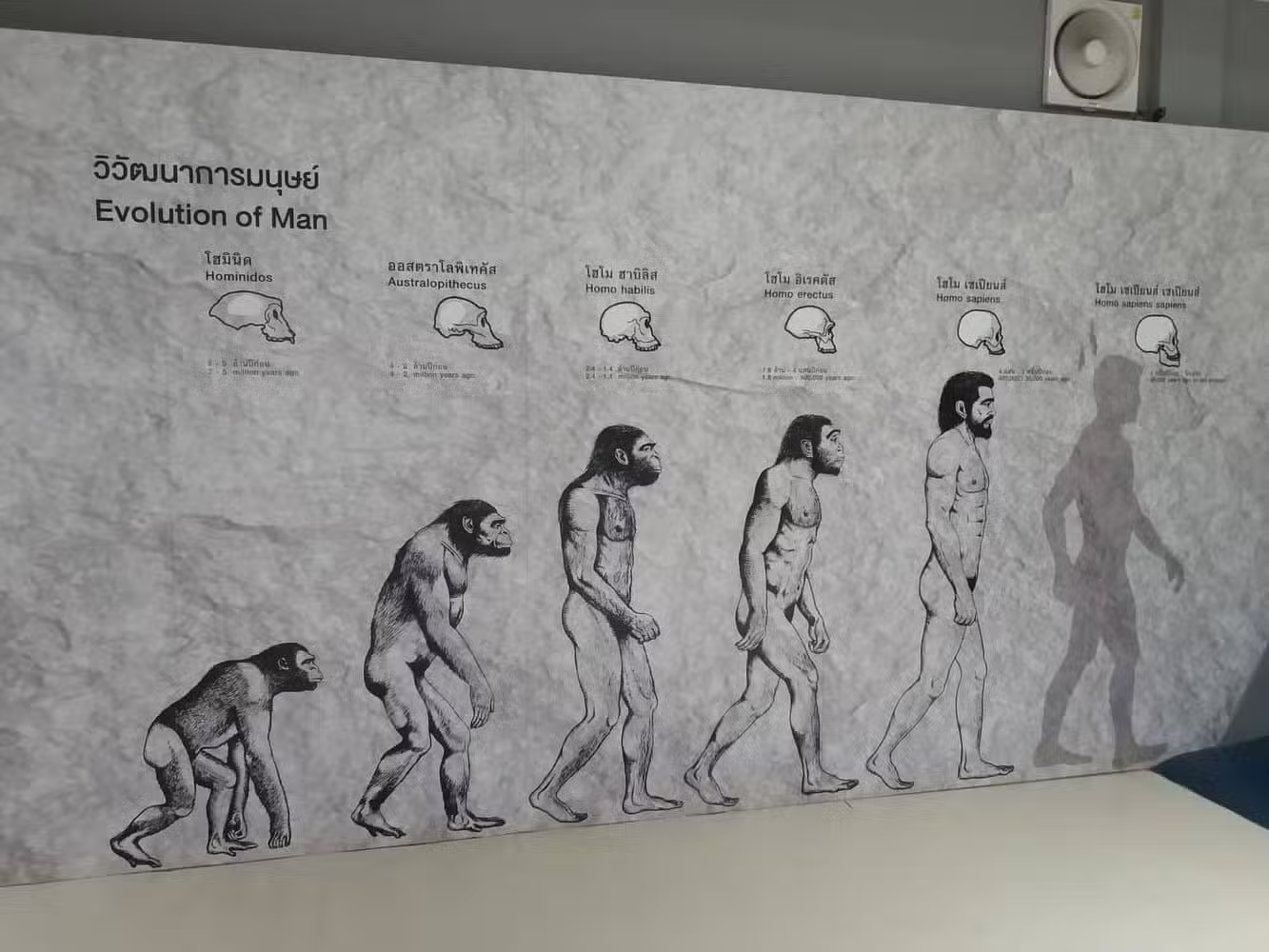
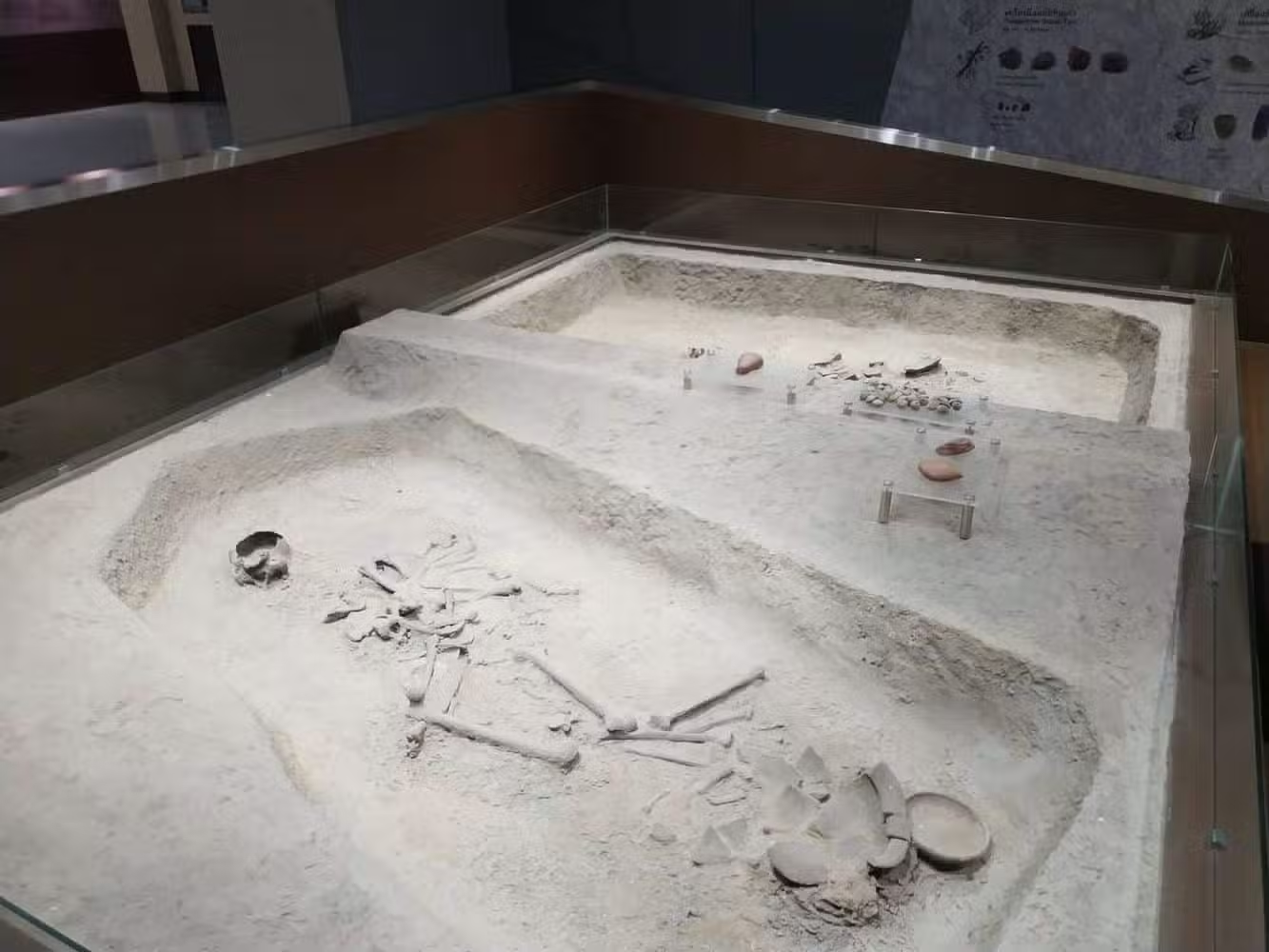
The historical displays begin with the region’s physical setting and earlier settlement, then develop the story of Lanna. Archaeological material helps connect the landscape with people who lived and traded here before the present-day city took shape.
Look at the accompanying maps and explanations as well as the objects. They give context to changing territories, settlements and political relationships, making the later royal and religious material easier to follow.
The museum’s regional role covers the upper north, including Chiang Mai, Chiang Rai, Lamphun, Lampang and other neighbouring provinces. This wider view helps explain why objects associated with places beyond the city belong in the same collection.
Lanna Art and Buddhist Sculpture
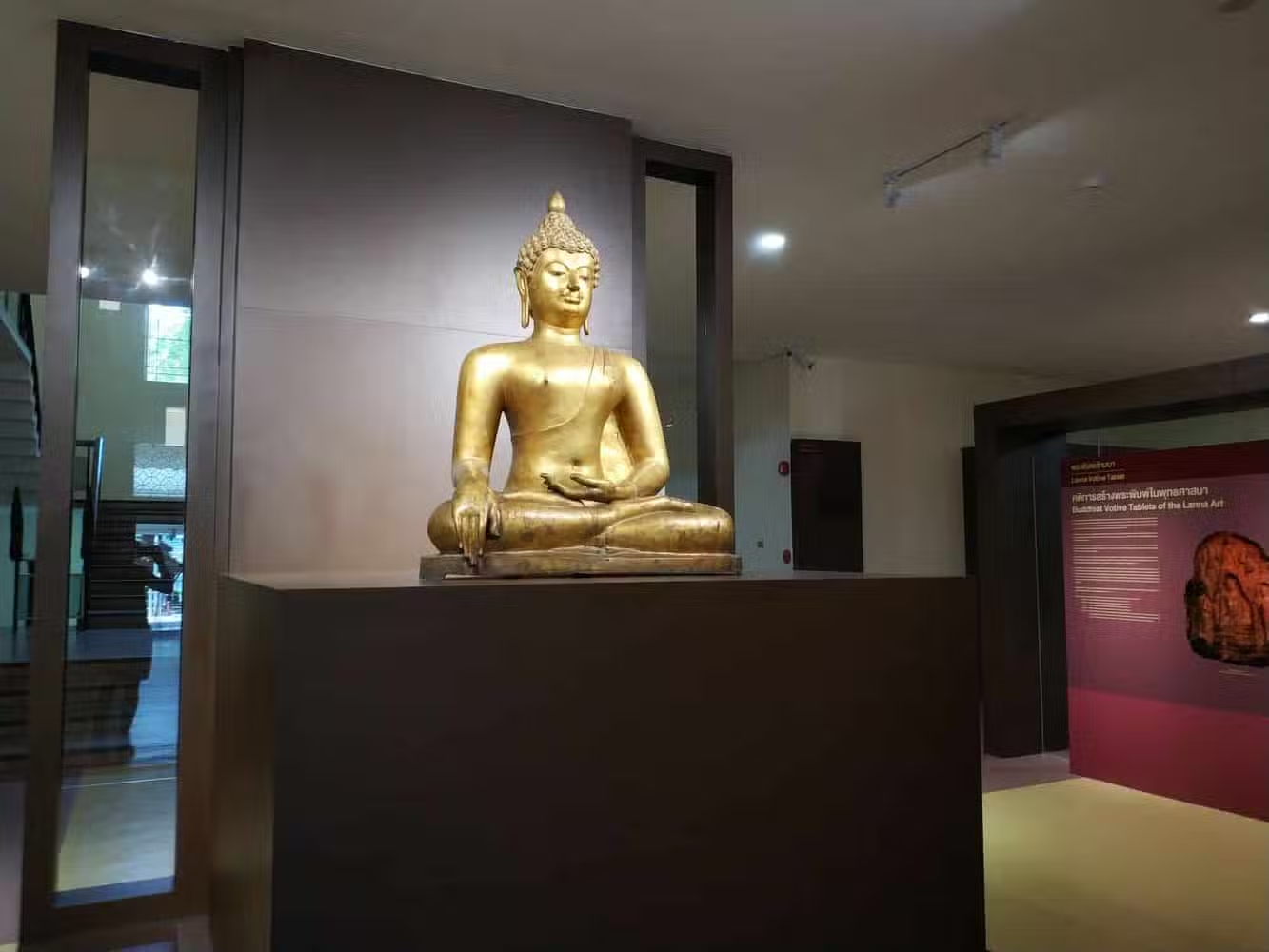
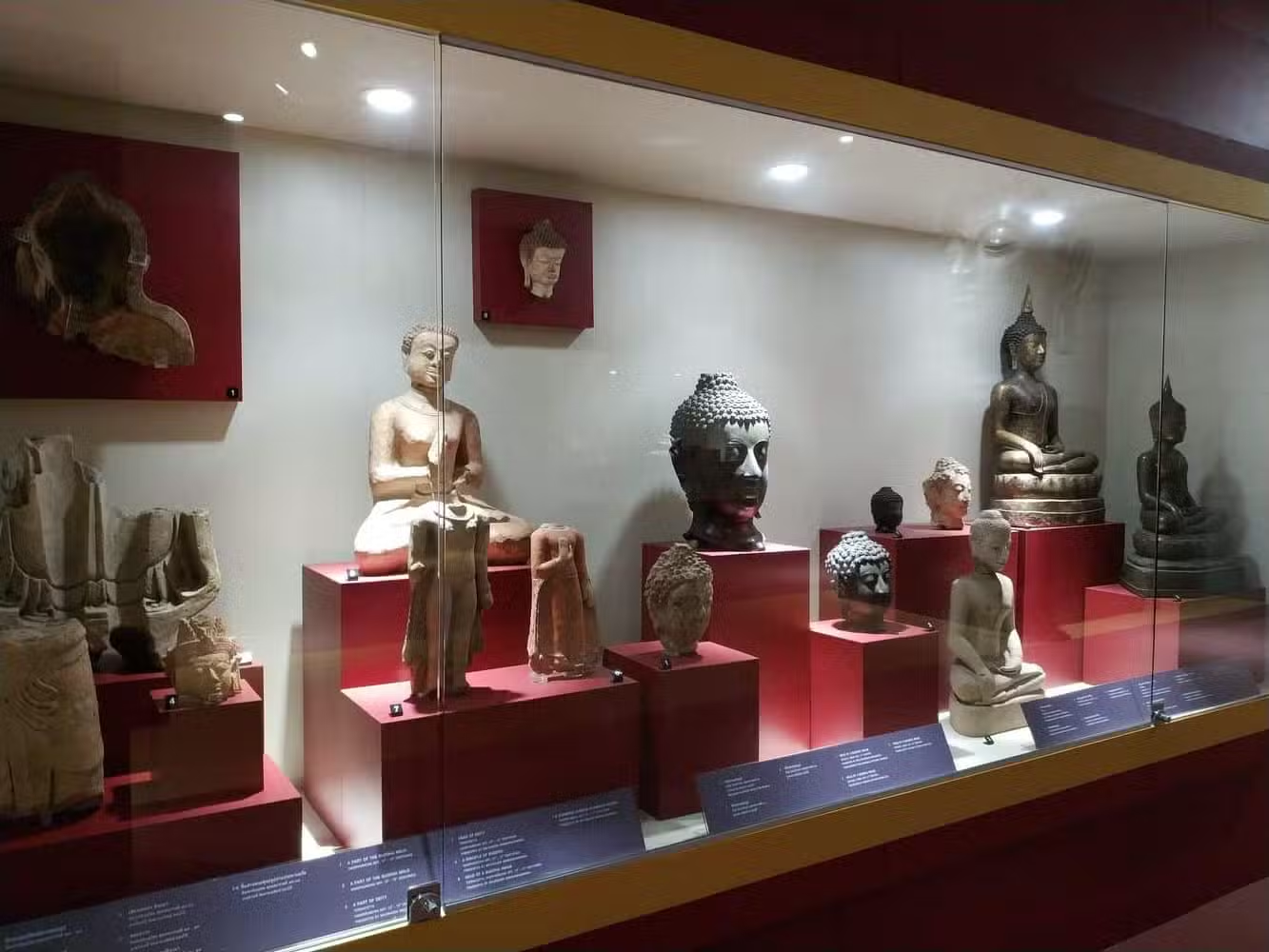
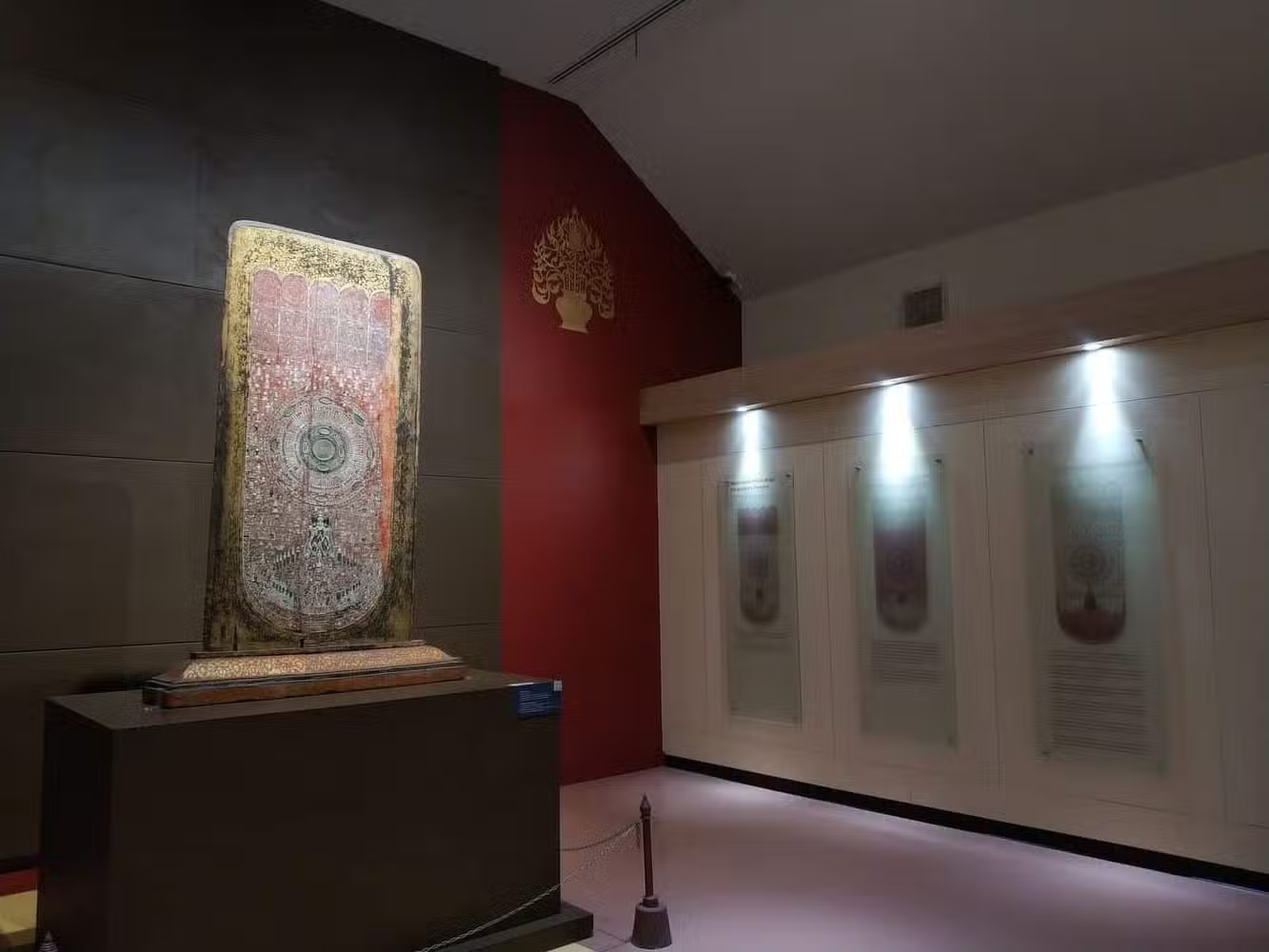
Buddhist images are an important part of the collection. Their forms, materials and details show how northern art developed, while other carved and crafted objects connect the religious displays with the skills of the people who made them.
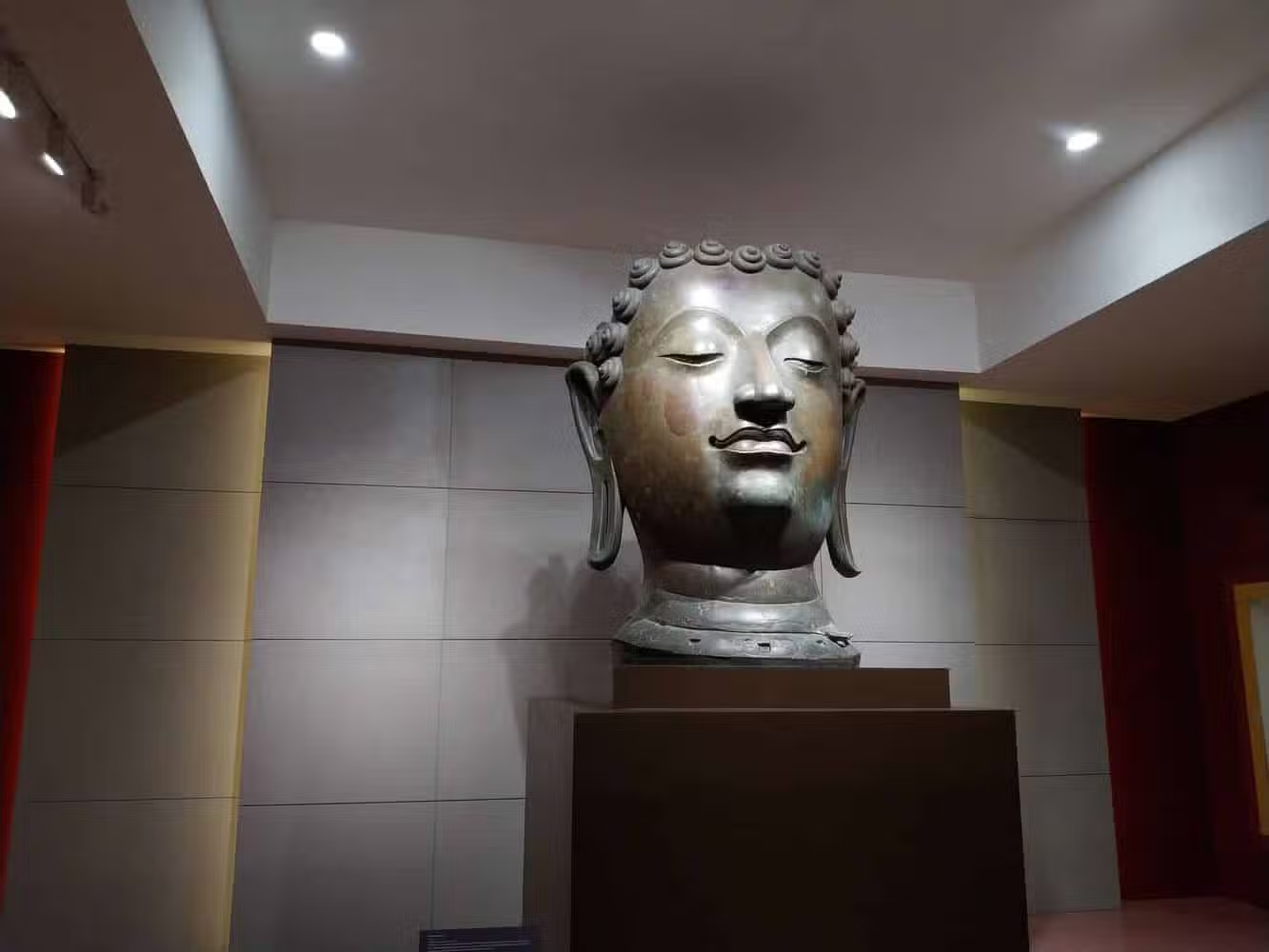
A highlight is the monumental bronze head of Phra Saen Swae. At around 1.7 metres high, the head gives an immediate sense of the scale of the original image, while its facial features and tightly formed hair reward closer observation.
Treat the works as cultural objects with histories, not simply photo opportunities. Reading the labels can help distinguish artistic periods and the places from which items came; do not assume every image has the same origin because it depicts the Buddha.
Trade, Society and the Changing City
The broader story includes trade and economic life, Chiang Mai’s relationship with Siam and developments into the modern era. These themes place royal and religious history alongside the everyday forces that shaped the region.
Historical photographs, paintings and interpretive scenes provide different ways to approach the material. A photograph can make changing city life easier to visualise, while a map or object supplies another layer of evidence about the same period.
The galleries contain Thai and English explanations. Follow the main narrative first, then spend longer on the periods or objects that interest you rather than trying to read every label at equal depth.
The Building and a Practical Visit
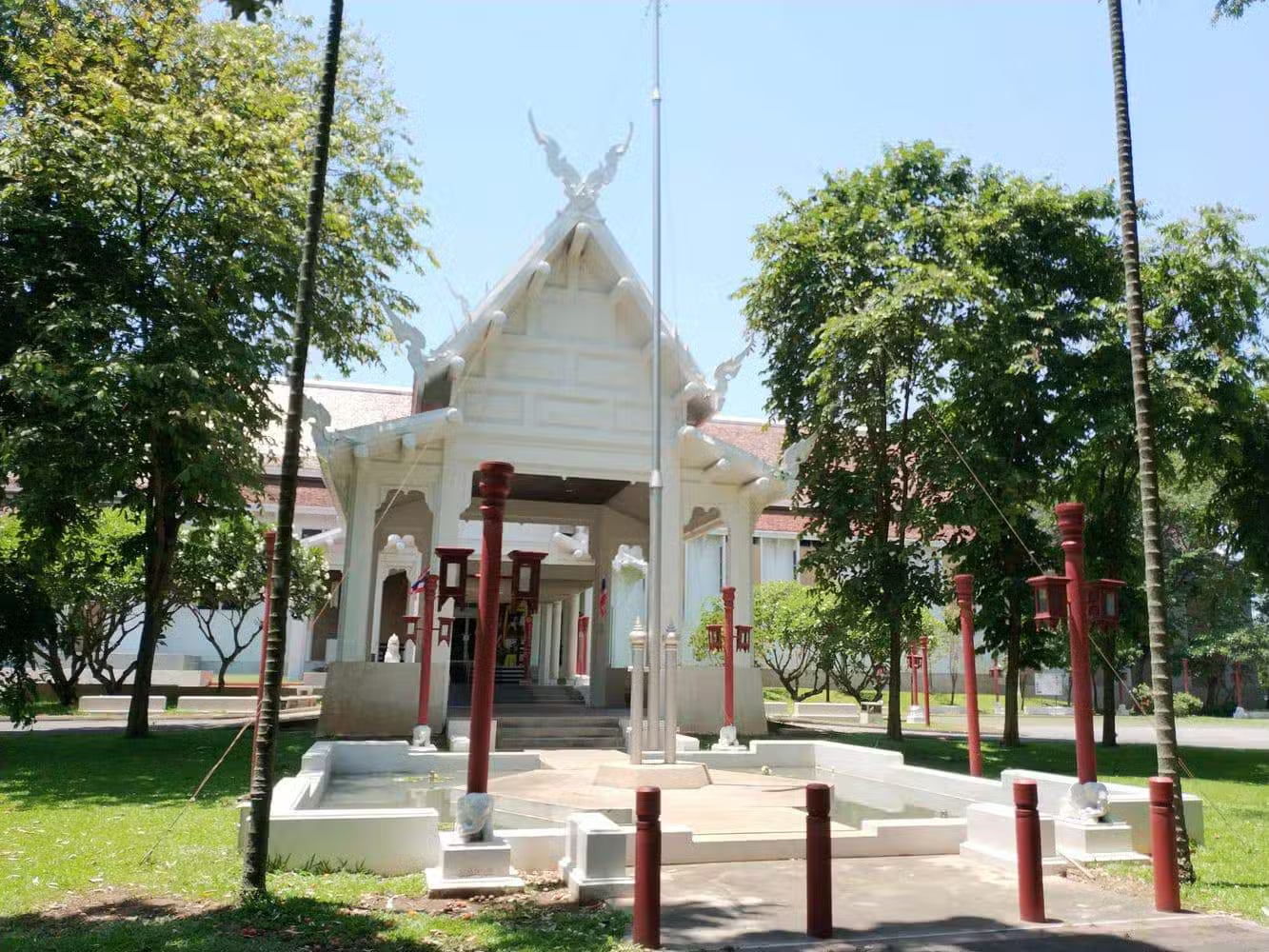
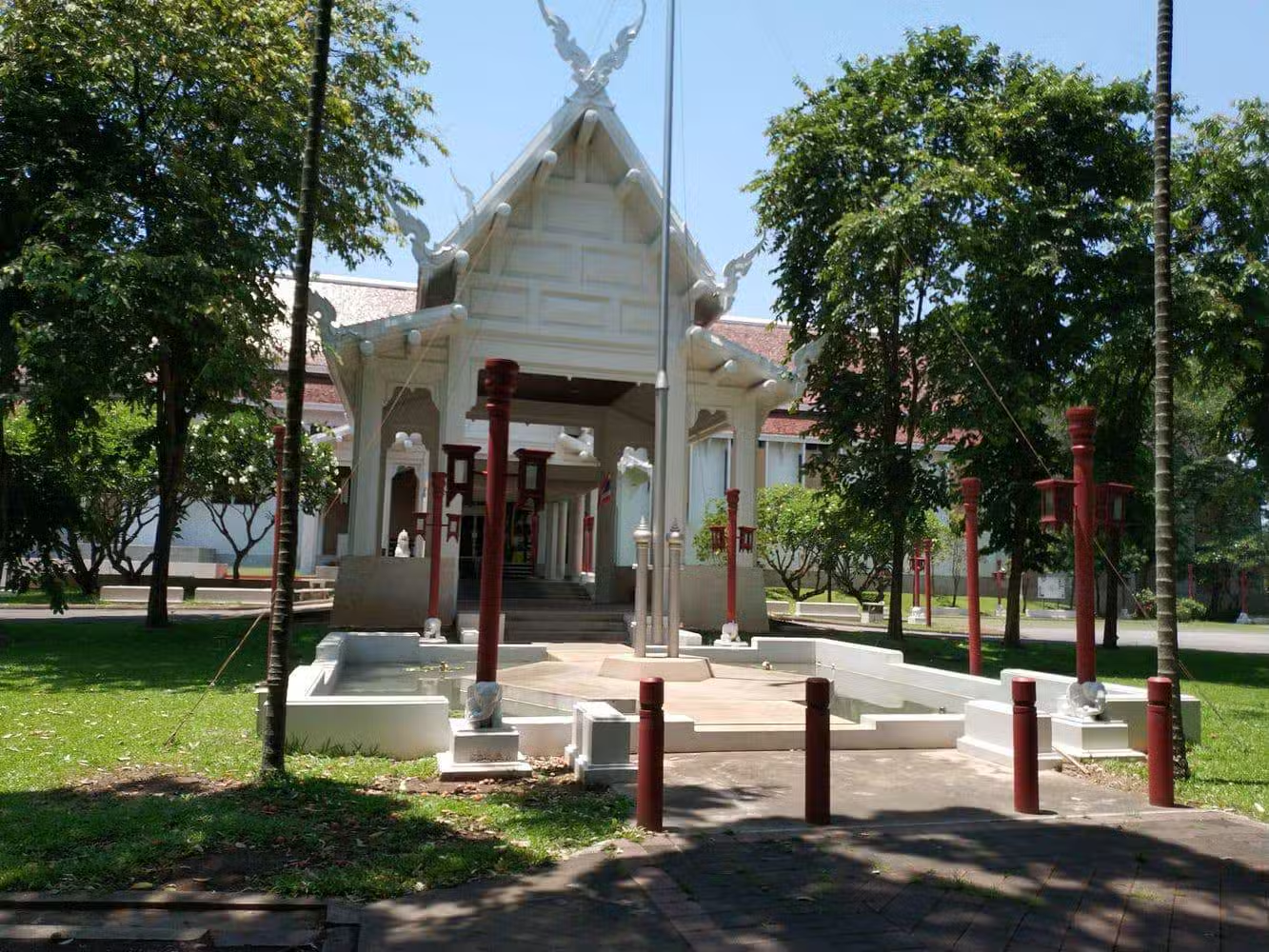
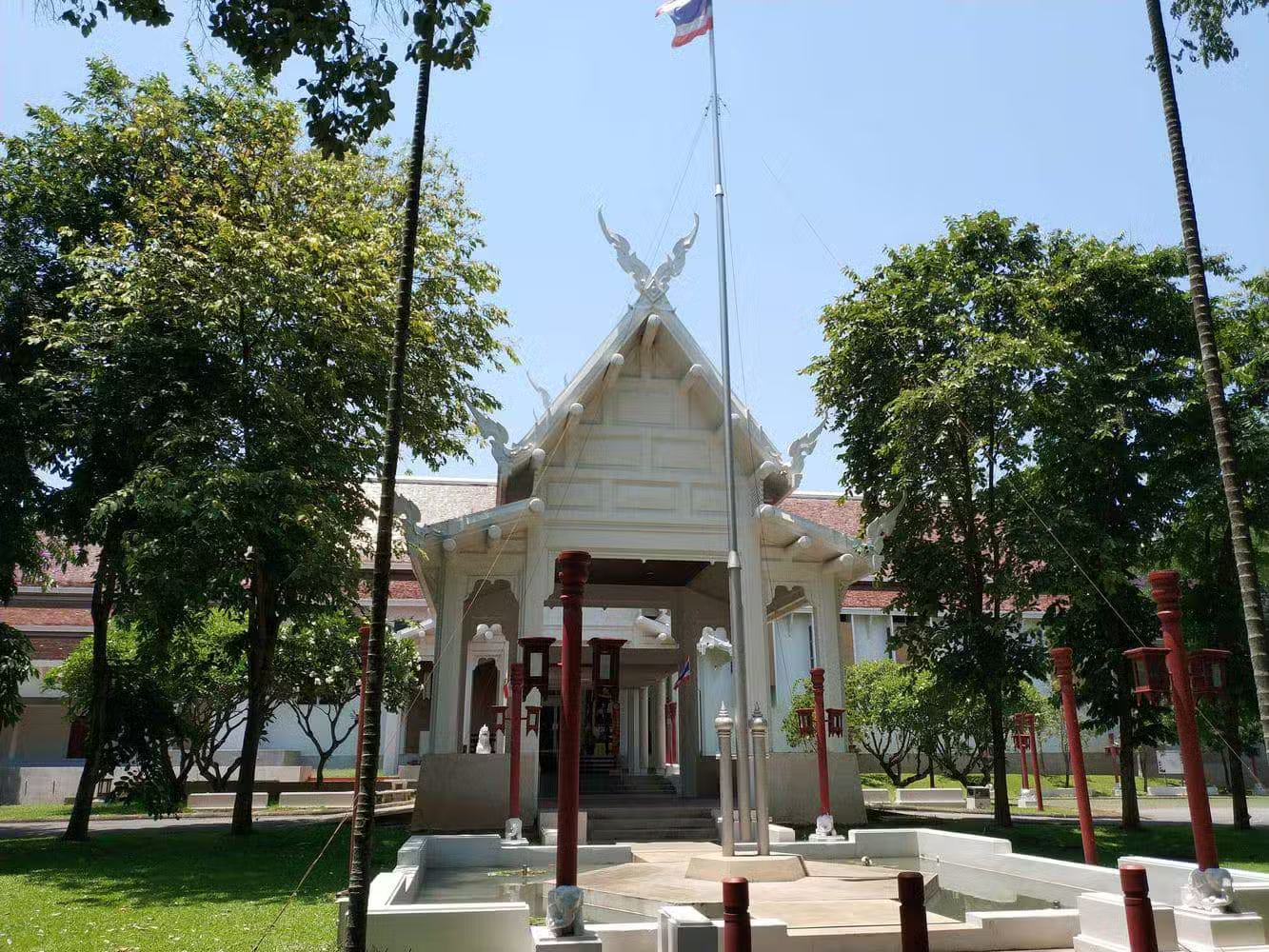
The museum opened in 1973 and occupies a building with northern Thai roof details. Later work expanded and refreshed the exhibition spaces, allowing the collection to tell a more developed regional story.
Allow around 60 to 90 minutes for the main displays, with extra time if you enjoy reading labels closely. It is an indoor cultural stop that can suit a break from outdoor temple sightseeing, but should still be planned around the exhibition hours.
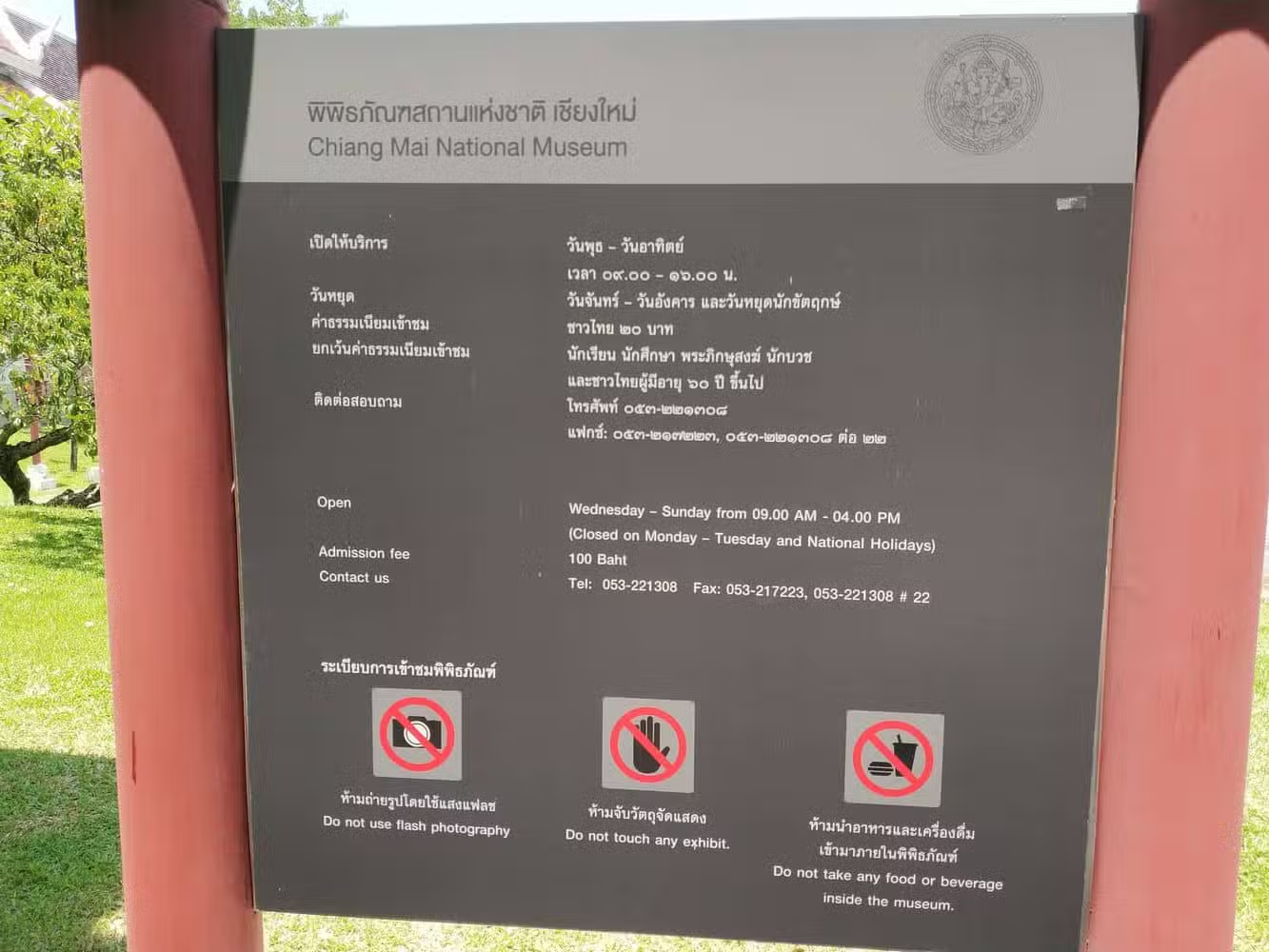
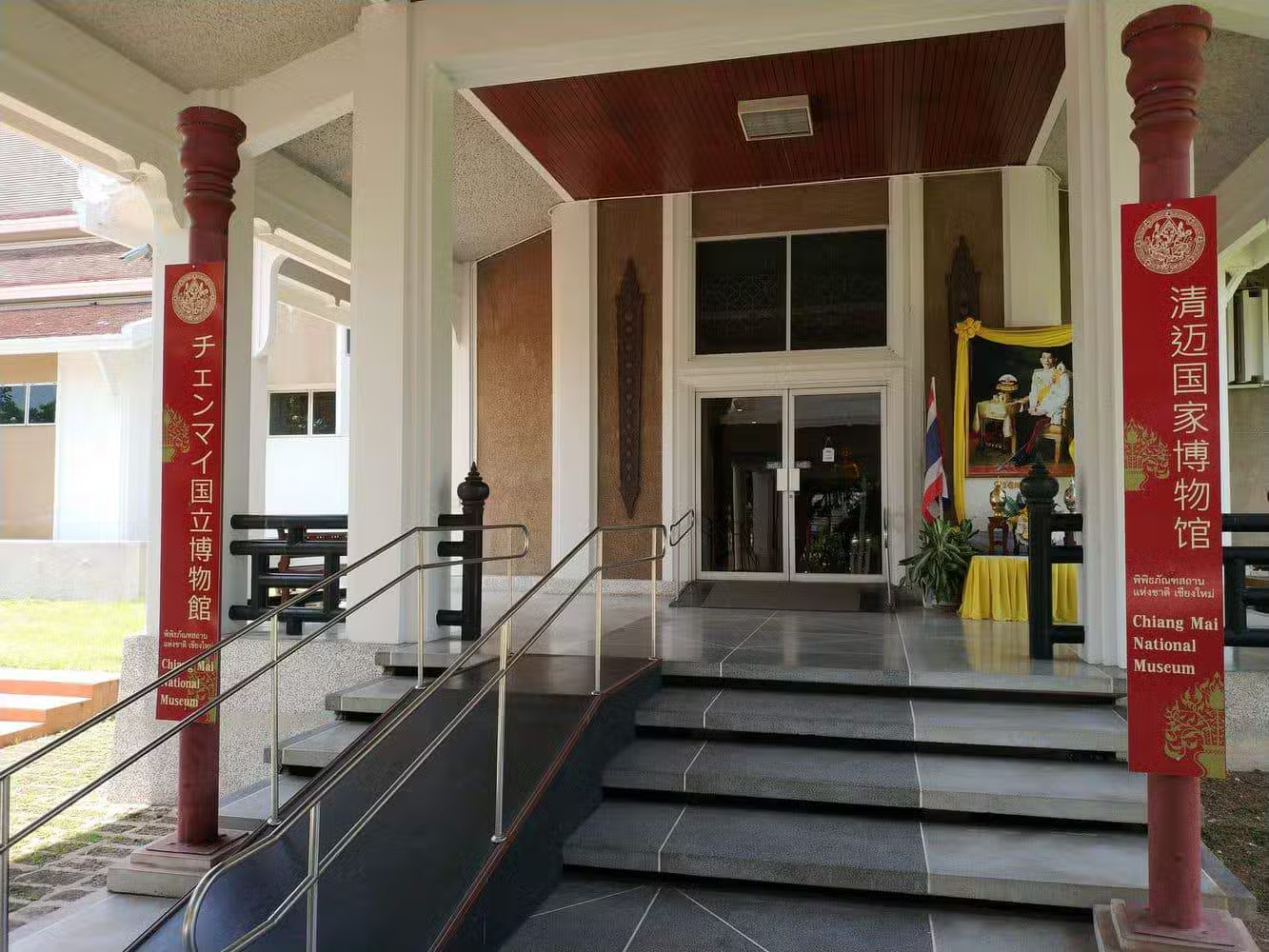
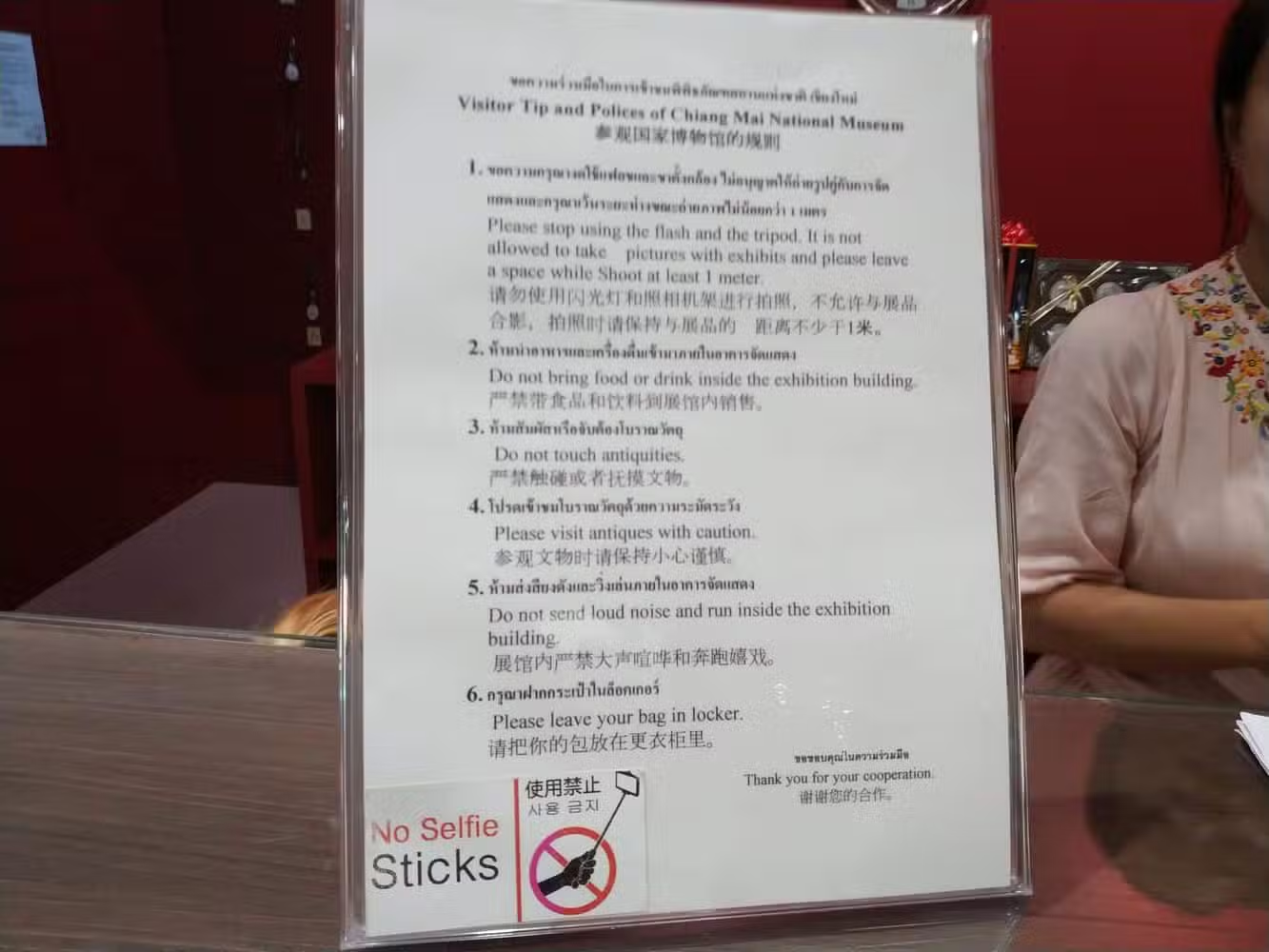
Follow the current photography signs and avoid touching objects, leaning on cases or using flash where restricted. Ramps and a lift were included in the museum’s improvements; contact staff about the current accessible entrance and equipment if those facilities are essential to your visit.
Exhibition Hours and Admission
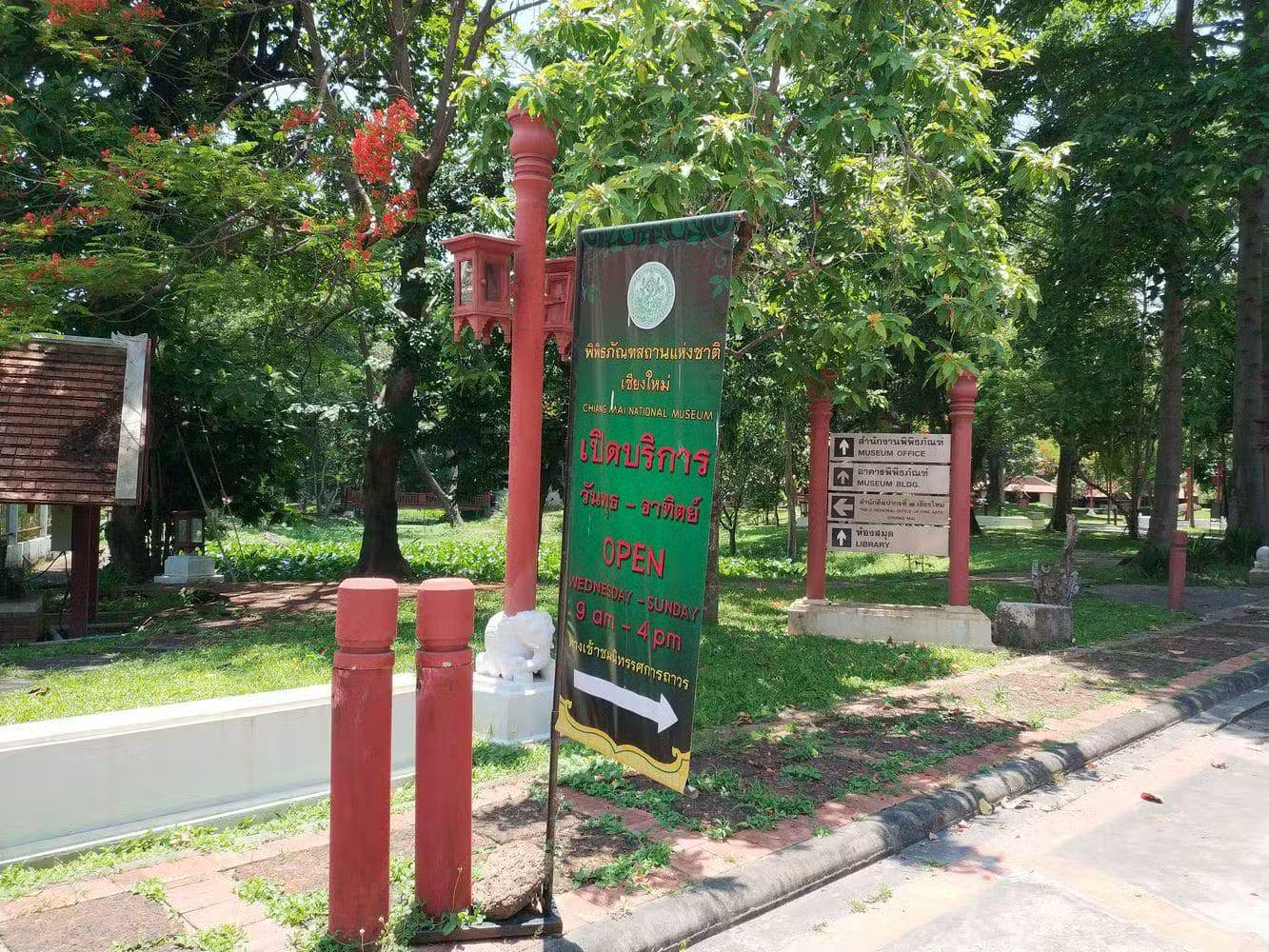
The exhibition building opens Wednesday to Sunday from 9am to 4pm, and is normally closed on Monday and Tuesday. The museum office has a different weekday timetable, so office availability should not be mistaken for gallery access.
Check current admission rates, visitor categories and concessions with the museum before travelling. Bring payment for your party and any identification relevant to a concession, and ask about holiday access if visiting on a special date.
The direct museum contact is 053 221 308, with enquiries also accepted at nm_chiangmai@finearts.go.th. Organised groups should arrange their visit in advance, particularly if they need assistance or a particular programme.
Getting There Near Wat Chet Yot
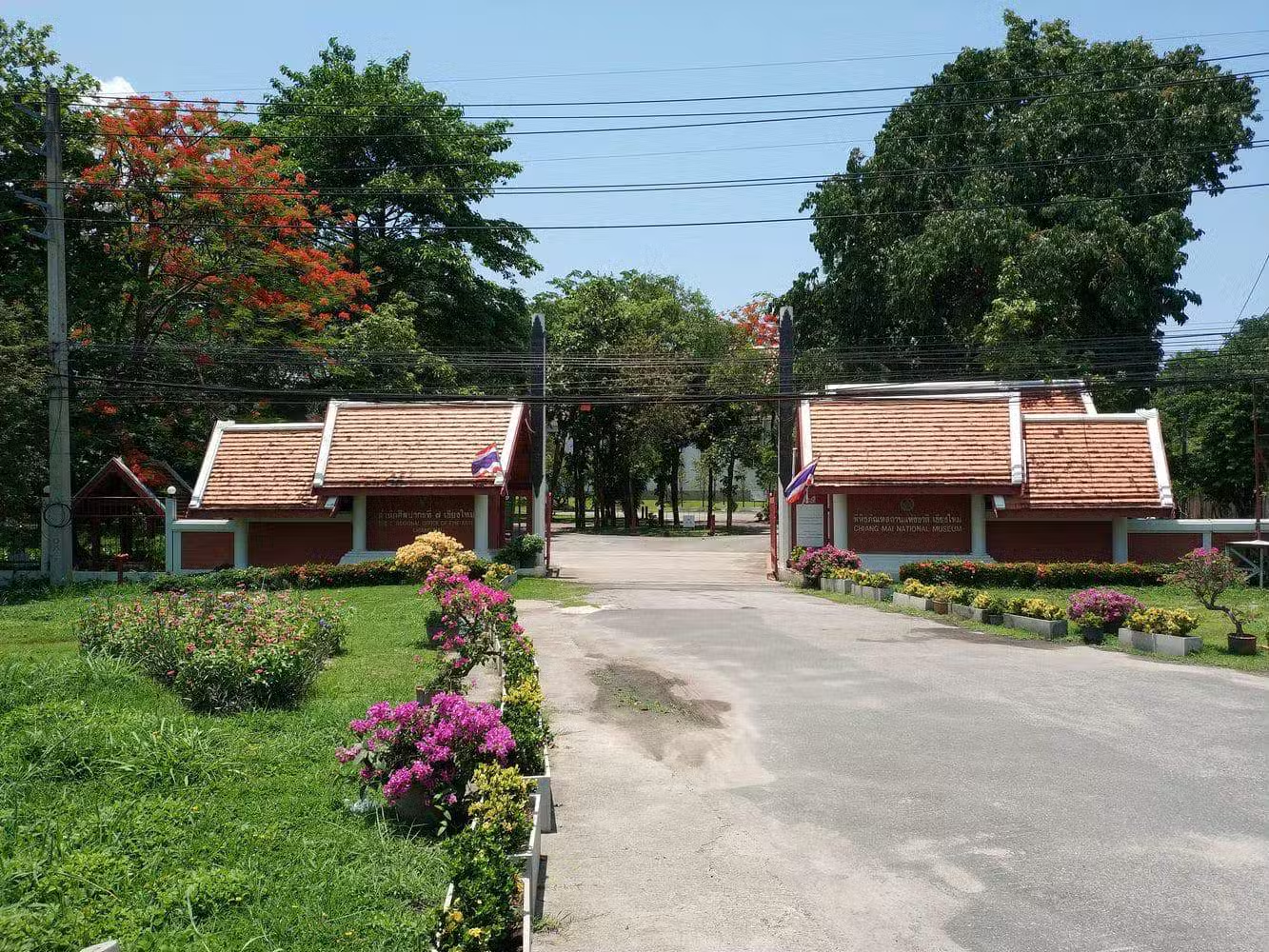
The museum is on the Chiang Mai-Lampang Superhighway in Chang Phueak, northwest of the Old City. Use the museum’s own entrance location for a taxi, tuk-tuk, red songthaew or app-based car rather than a general pin for Wat Chet Yot.
The Superhighway carries fast traffic, so a short apparent distance on a map is not always a comfortable pedestrian approach. Arrange a safe drop-off at the museum entrance and confirm the return ride if your transport is waiting elsewhere.
Wat Chet Yot can be combined with the museum for a broader look at Lanna history and architecture. Plan the connecting journey according to the road conditions and heat, and follow signs for visitor parking when arriving by car.
Chiang Mai National Museum FAQs
What does the museum cover?
It explains northern Thailand’s history and art, from earlier settlement through the Lanna kingdom and Chiang Mai’s later development. Religious sculpture, archaeology and trade or social history all contribute to the visit.
What is the Phra Saen Swae head?
It is a monumental bronze Buddha head, around 1.7 metres high, displayed in the museum. Its scale and detailed face make it a memorable introduction to the religious art in the collection.
When are the galleries open?
The exhibition building normally opens Wednesday to Sunday, 9am to 4pm. Monday and Tuesday are gallery closure days; the separate office timetable does not provide access to the displays.
How long should you allow?
Around 60 to 90 minutes suits the main narrative and highlights. Allow longer if you want to study the archaeological objects, sculpture and interpretive labels in detail.
How much does admission cost?
Check the current ticket rates and concessions with the museum, as visitor categories can differ. Bring any relevant identification and ask about special holiday arrangements before travelling.
Can you combine it with Wat Chet Yot?
The temple is nearby and complements the museum’s Lanna themes. Use a safe connecting route or arranged transport, because the Superhighway makes the area less straightforward to explore on foot.











Do You Have a Question to Ask?