


















































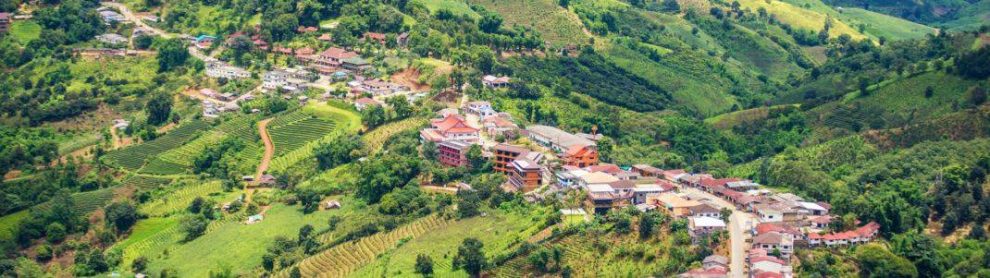
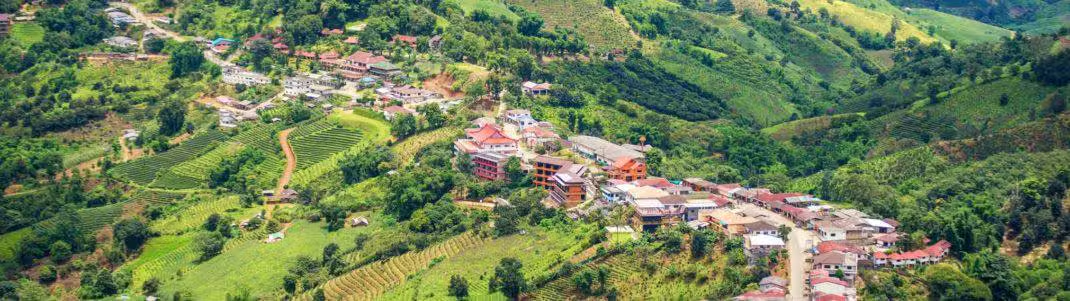
Doi Mae Salong is a mountain attraction in Chiang Rai Province, known for tea-covered hills and the village of Santikhiri. A visit brings together ridge views, tea tasting and a strong Yunnanese Chinese cultural heritage that gives the village a different character from many northern Thai mountain stops.
The mountain is well beyond Chiang Mai’s immediate surrounds. It works more naturally as an outing from Chiang Rai or an overnight stop in the northern hills, with time to move between village sights and tea-growing areas.
Tea gardens and hillside views
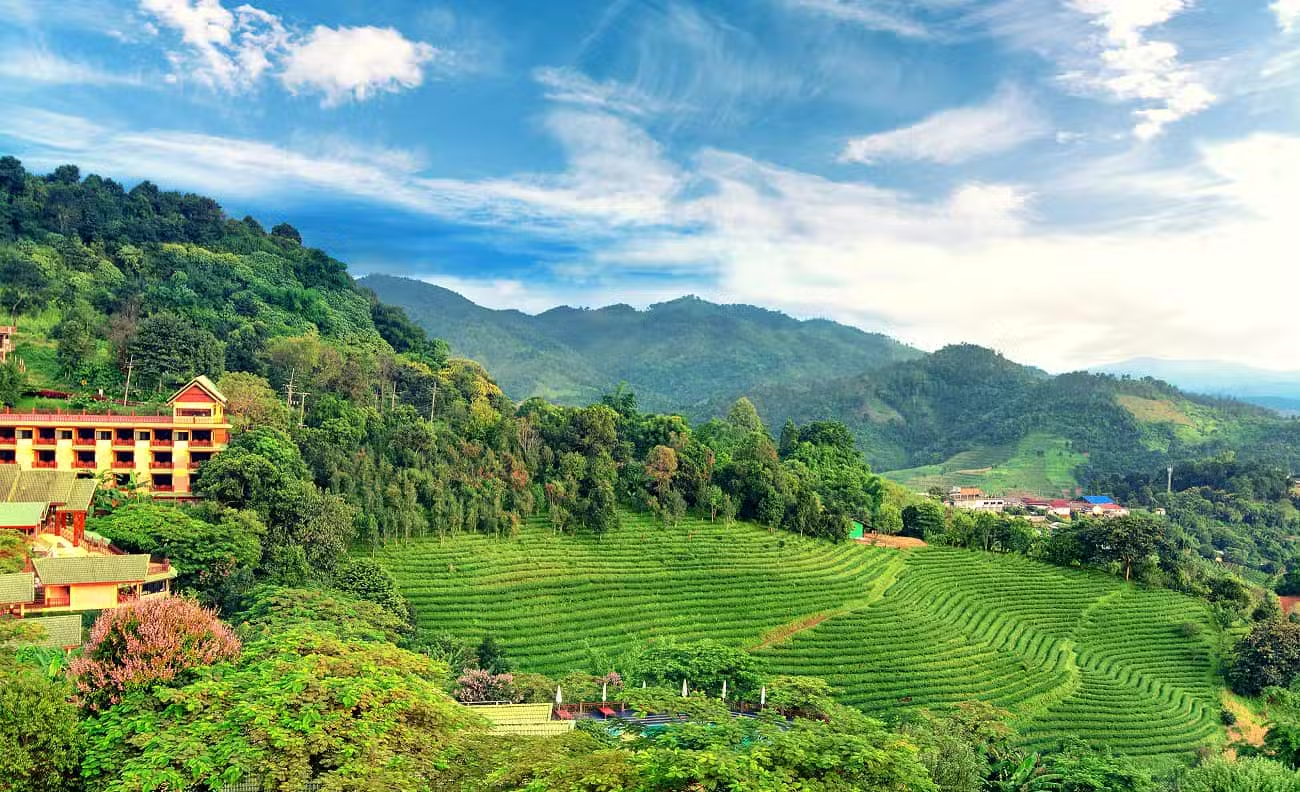
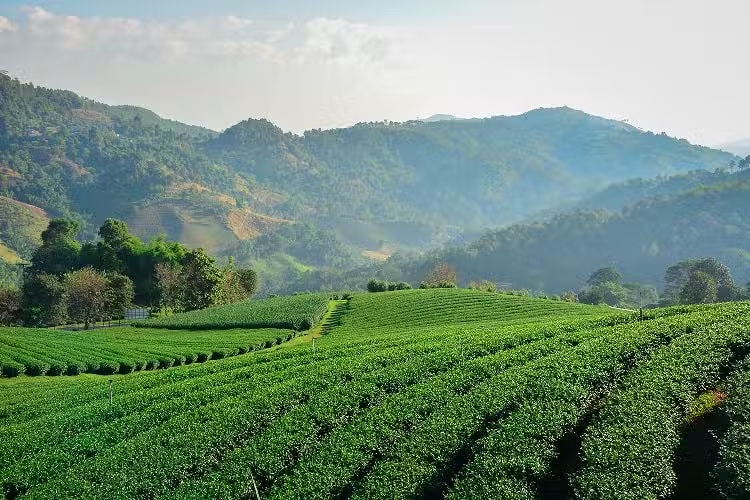
Rows of tea bushes follow the slopes around Doi Mae Salong, forming patterns across the landscape. The views are part of the attraction even if you have little interest in tea, while growers and tea shops give you a way to connect the scenery with a product made in the area.
Looking across the plantations
Stop at visitor-accessible tea estates or viewpoints where there is a safe place to park and walk. A plantation is a working agricultural property, so use designated visitor areas and ask permission before entering rows or following tracks through the fields.
Clear weather opens up longer views across the hills, while mist can conceal much of the surrounding landscape. Allow flexibility in the day so you can enjoy the village or a tea stop if a ridge viewpoint is clouded over.
Tea tasting and buying
Tea shops provide an opportunity to sample local tea and compare styles, particularly oolong. Ask about the differences between products, how they should be brewed and whether a tasting has a charge before settling in.
If you want to visit a factory or see processing, check the estate’s current visitor arrangements. Production and demonstrations depend on the business and season, so a tea-shop visit should not be taken as a guarantee of a factory tour.
Santikhiri’s Chinese heritage
The village’s history is connected with former Kuomintang, or Chinese Nationalist, soldiers who settled in the northern borderlands. That background helps explain the Chinese-language signs, food and memorial sites visitors encounter around Santikhiri.
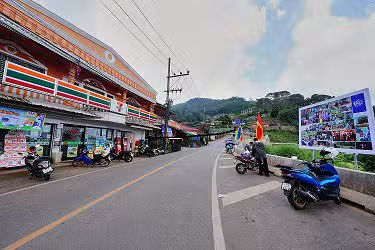
Village food and shops
Spend time in the village streets to see how the Chinese heritage continues in everyday life. Yunnanese-style food, tea shops and stalls selling local products make a meal or market browse a worthwhile part of the visit.
Choose food according to the menus and businesses open that day. A simple bowl of noodles or a shared meal can give you time to enjoy the village atmosphere, while tea and packaged goods are practical purchases to compare before buying.
Memorial sites and General Tuan’s tomb
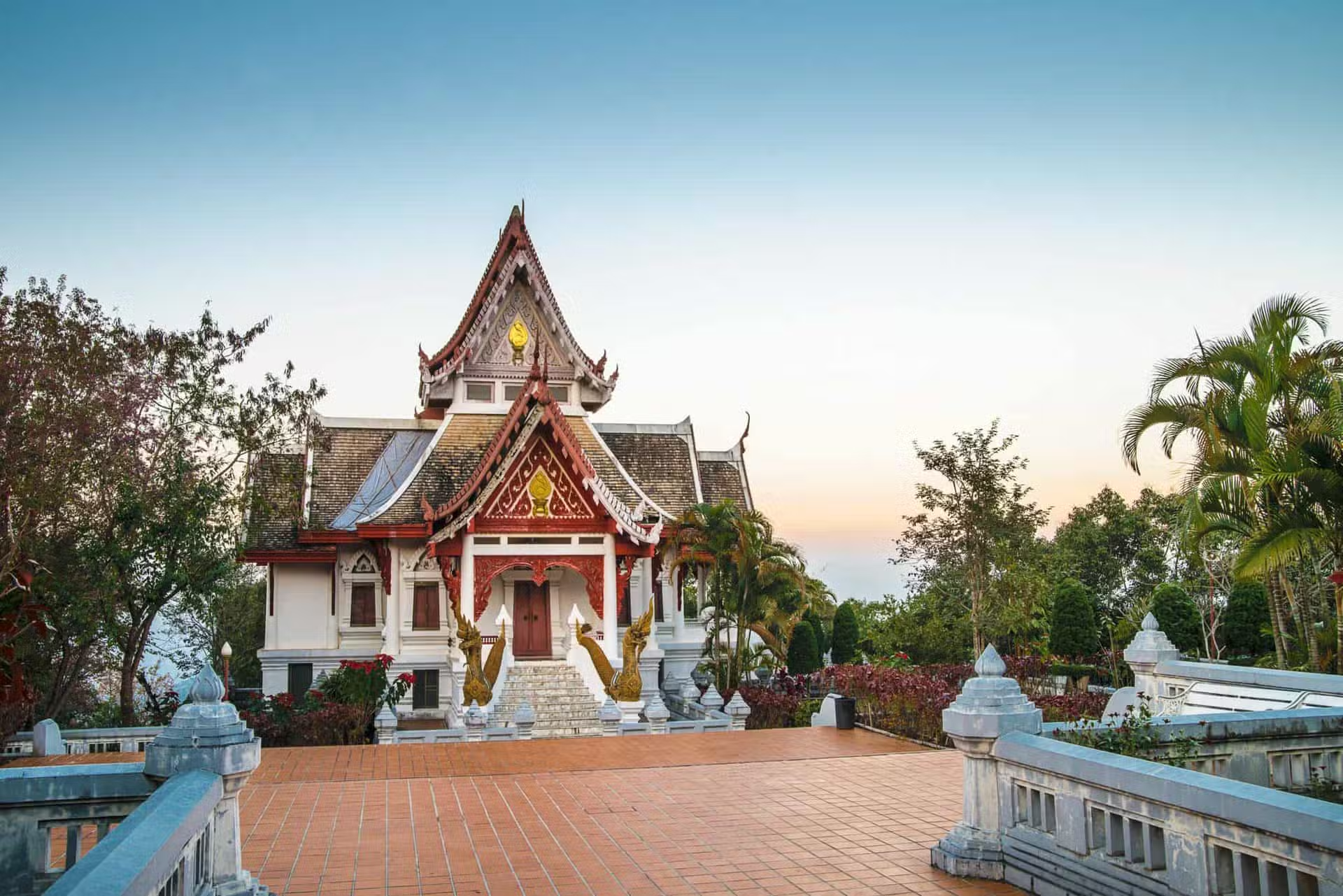
General Tuan’s tomb and the Chinese Martyrs’ Memorial Museum are connected with the community’s military history. They add context to a visit focused on scenery and tea, especially if you want to understand why this village developed its distinctive cultural identity.
Check opening and admission arrangements for each site separately. Allow time to read the available interpretation, and remember that a tomb or memorial also has a commemorative purpose for local families.
The hilltop chedi
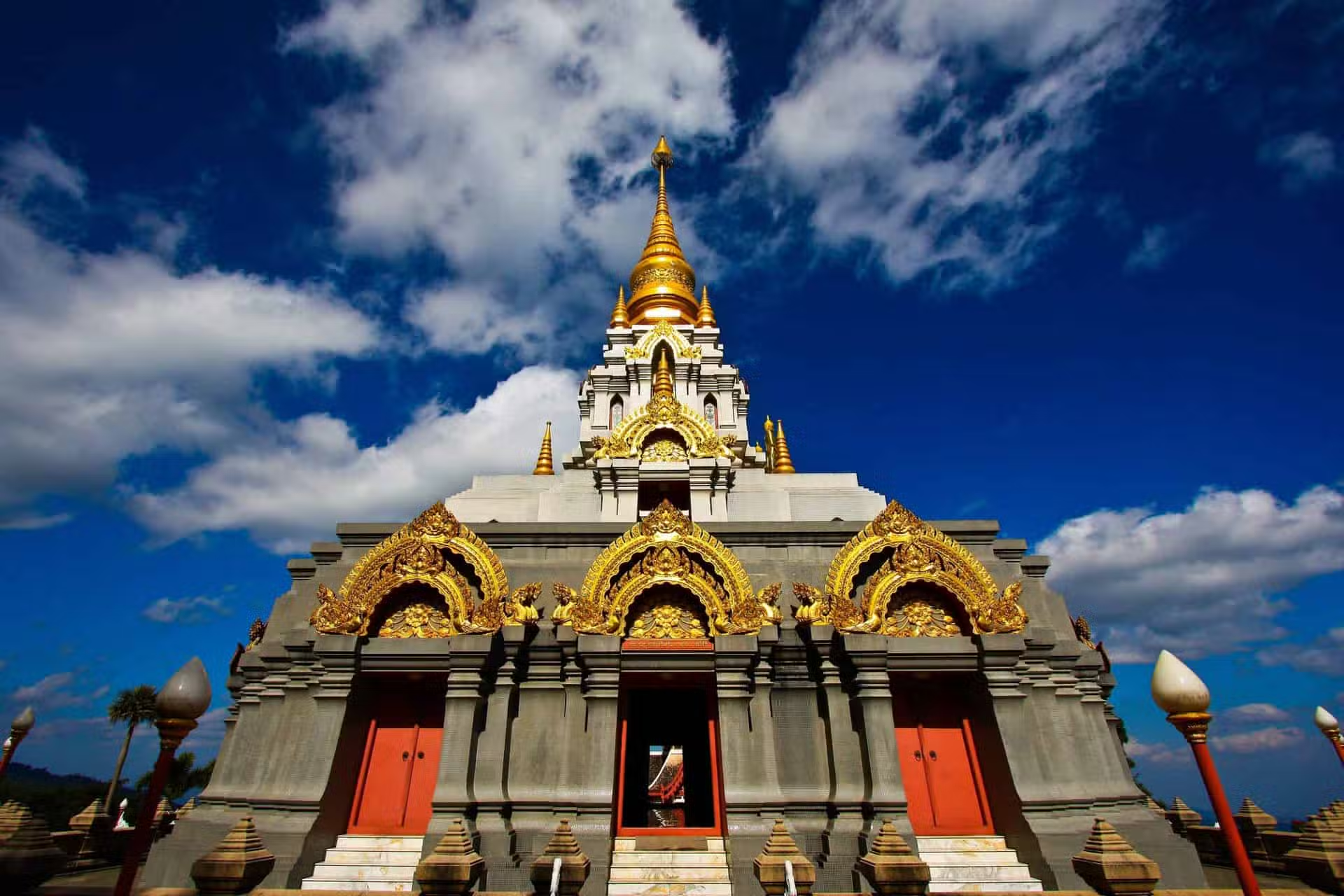
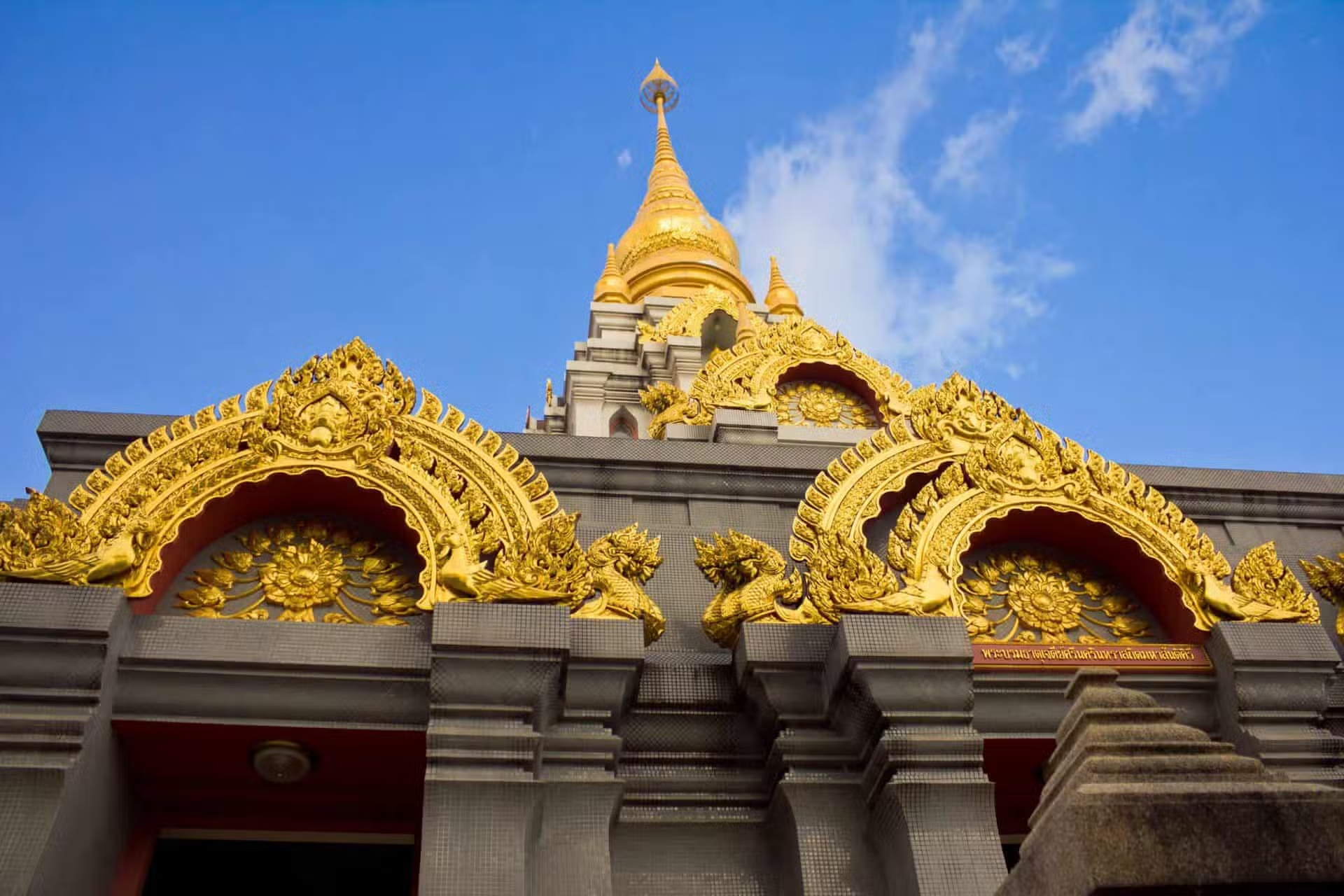
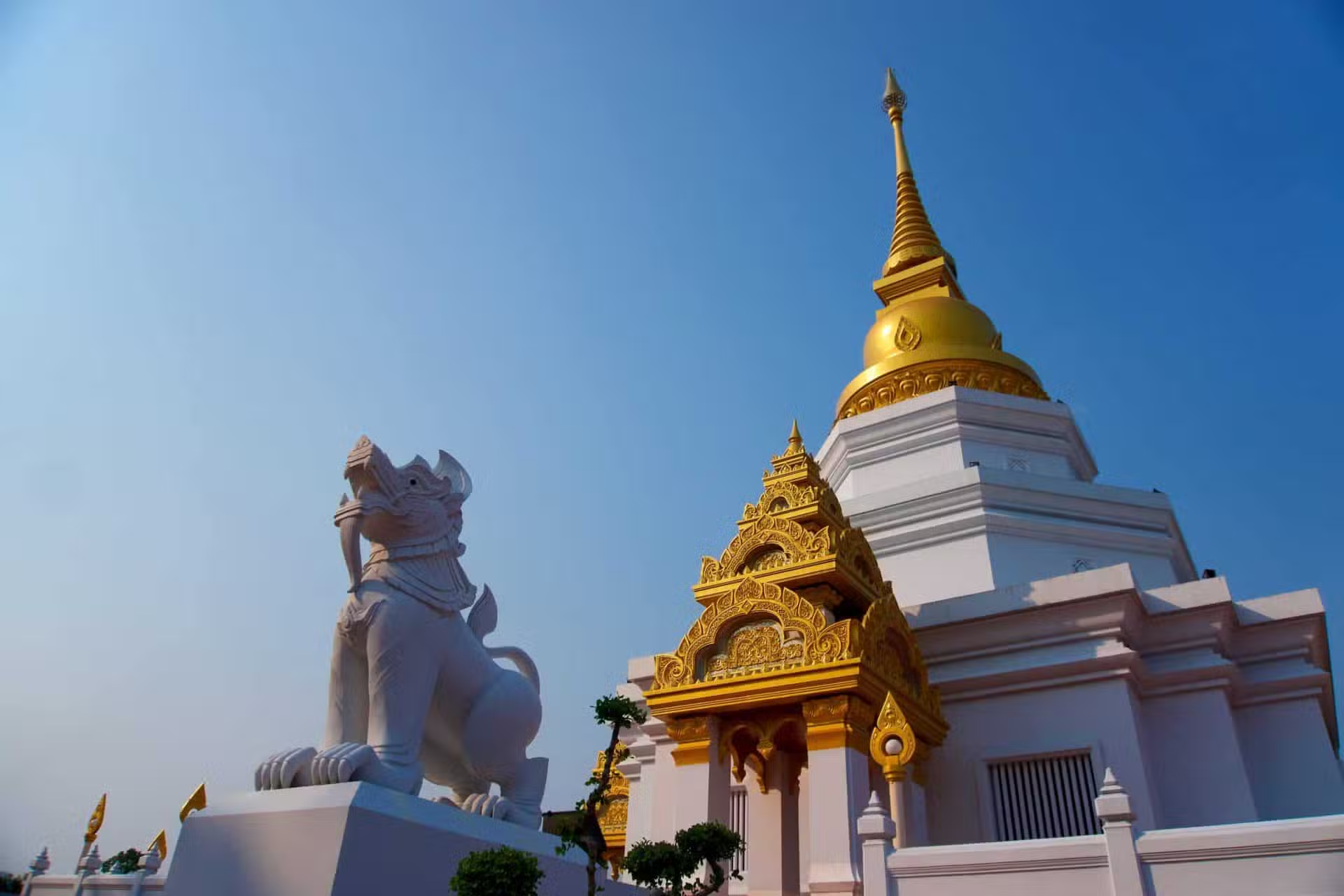
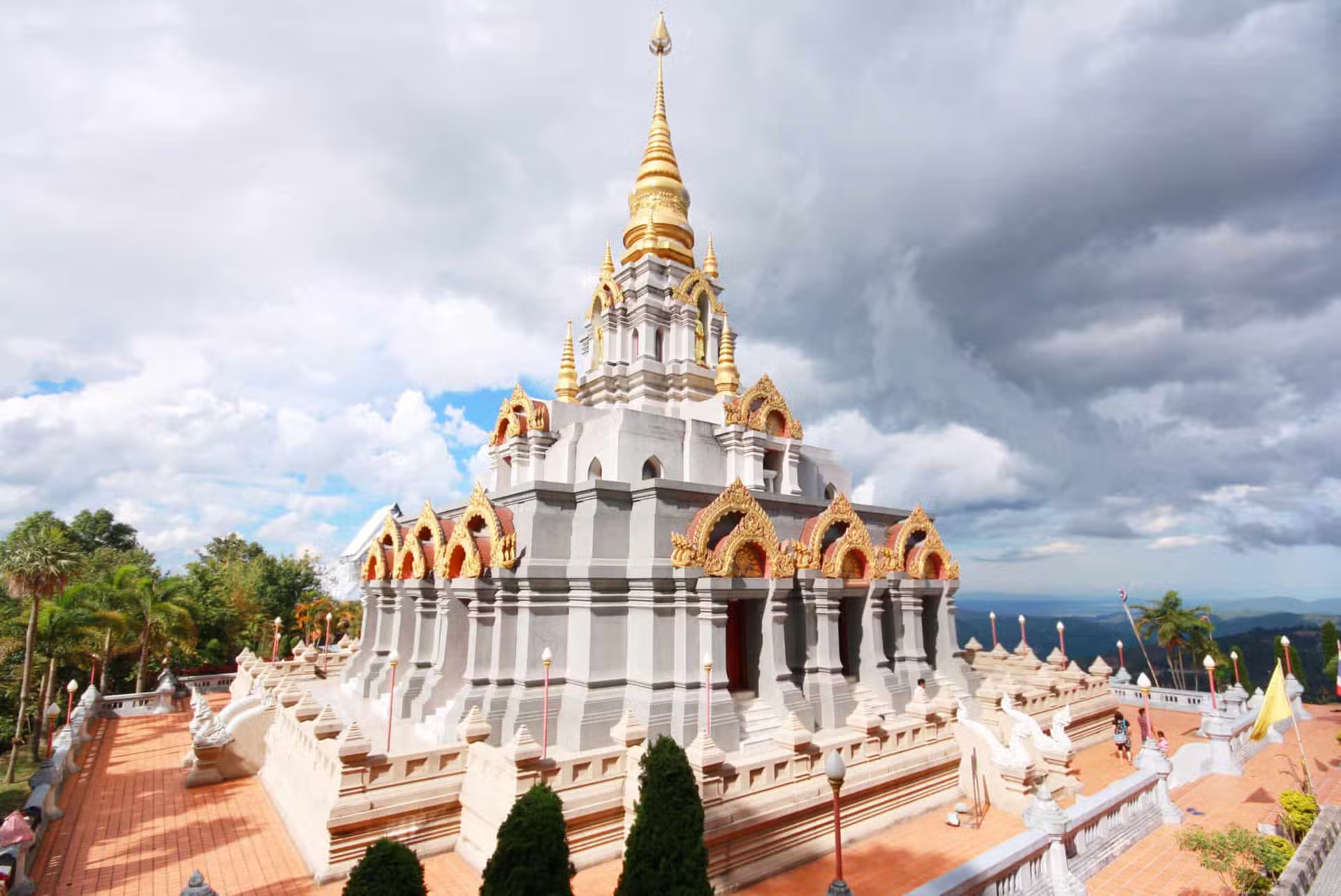
The Princess Mother memorial chedi, commonly called Phra Borommathat Chedi Srinagarindra, is another landmark above the village. The elevated setting gives a different perspective on the settlement and surrounding mountain landscape.
Reaching the higher viewpoints can involve steep roads or steps, depending on the approach. Ask about the current vehicle access and final walk before setting out, particularly if anyone in your group has limited mobility, and dress respectfully for the religious site.
Seasonal scenery and time to allow
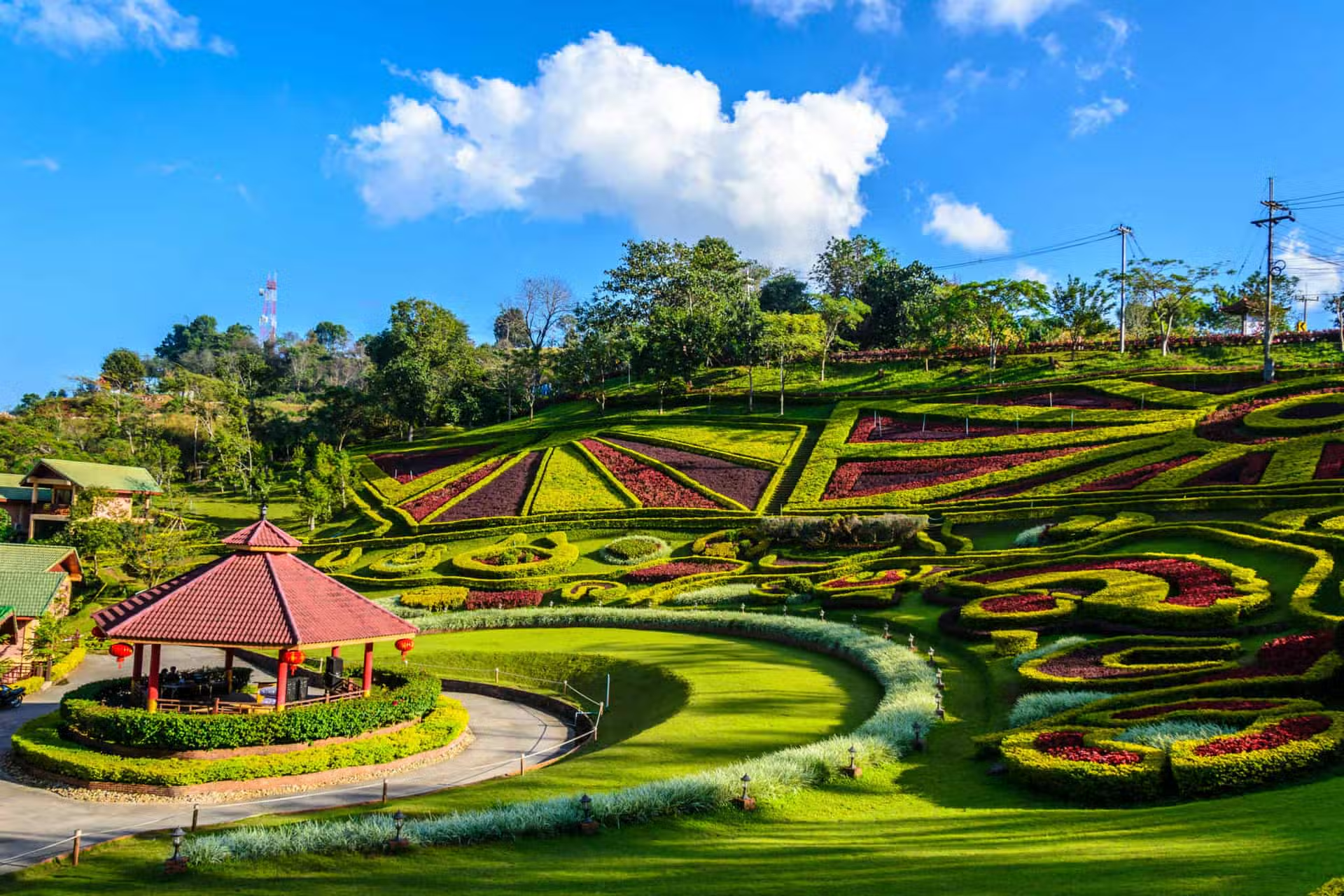
The cool season is popular for mountain visits, with mornings and evenings feeling cooler than the lowlands. Winter flowering can add colour around the area, but the timing and extent of blossom vary with weather and should not be the only reason for choosing a particular date.
Allow most of a day from Chiang Rai if you want tea stops, village time and a memorial or viewpoint. Staying overnight gives you more flexibility for early scenery and an unhurried meal, although mist and rain can still affect the views.
The village and surrounding hills do not share a single opening time. Shops, tea estates, museums and religious sites set their own hours, so prioritise the places you want to enter rather than relying on a general mountain timetable.
Getting to Doi Mae Salong
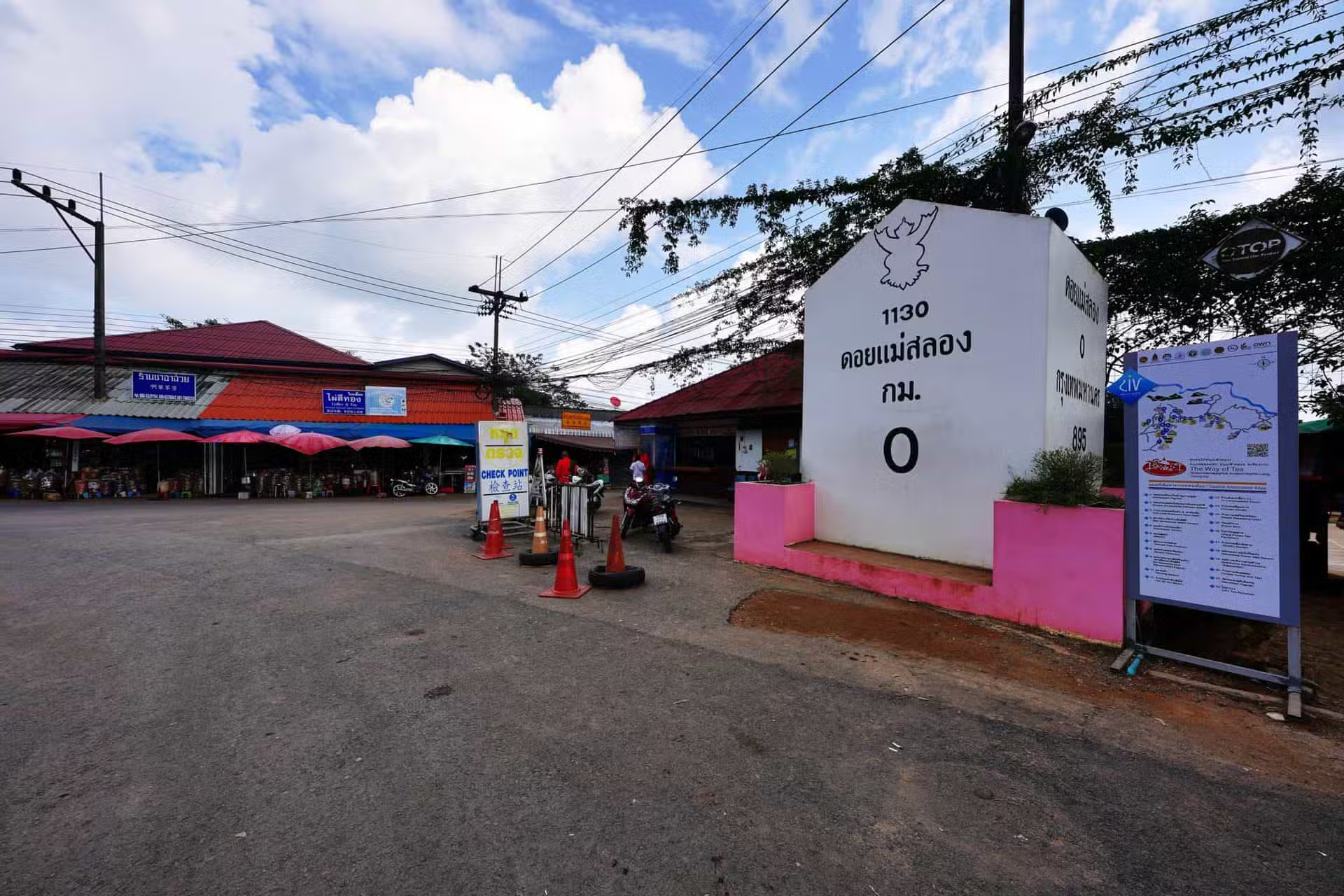
Santikhiri is in Mae Salong Nok, Mae Fa Luang District, roughly 70 kilometres from Chiang Rai city. The mountain approach is winding and steep in places, making a car with an experienced driver a practical way to combine several scattered stops.
Agree on your intended village, tea and viewpoint stops before departure. Walking can suit parts of Santikhiri, but it does not replace transport between all attractions across the hills, and roadside parking needs care on bends.
From Chiang Mai, allow for a much longer road journey and consider an overnight itinerary. Individual attractions, tastings and tours may charge even though exploring public village streets does not require a general destination ticket.
Doi Mae Salong FAQs
Is Doi Mae Salong in Chiang Mai?
It is in Chiang Rai Province, in Mae Fa Luang District. Plan it as a northern mountain outing rather than a short trip from Chiang Mai’s city centre.
Is Santikhiri the same place?
Santikhiri is the village associated with Doi Mae Salong. The mountain name is commonly used for the wider attraction, including the village and surrounding tea-growing hills.
Can you visit tea plantations?
Some estates provide visitor areas, tea shops or tasting opportunities. Check the arrangements at the property you choose, and ask permission before entering working fields or expecting a processing tour.
What else is there besides tea?
The village’s Yunnanese food and Chinese heritage, military memorial sites and the Princess Mother memorial chedi add variety to the visit. Choose a few stops that interest you and allow travel time between them.
Is there one admission fee?
There is no single ticket covering the whole mountain and village. Public streets can be explored freely, while individual museums, activities and private visitor areas may charge.
When can you see blossom?
Winter flowering is associated with the cooler months, but exact dates and displays depend on conditions. Check local reports close to your visit and plan other activities in case the flowering or weather differs from expectations.
Do you need to stay overnight?
A day trip from Chiang Rai can cover selected stops, while an overnight stay gives more time for the village and early views. From Chiang Mai, the longer journey makes an overnight plan more comfortable.










Do You Have a Question to Ask?