






















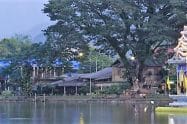




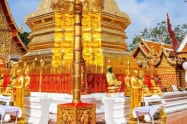









Ganesh Himal Museum brings together images of Ganesha, the elephant-headed Hindu deity, in a rural setting south of Chiang Mai. Its collection ranges from small devotional objects to large sculptures, giving visitors a chance to compare how one recognisable figure has been interpreted in different materials, artistic styles and traditions.
The museum in Yang Kram, Doi Lo, is also a place of worship. The outdoor shrine and collection buildings serve different purposes: one draws devotees making offerings, while the others invite a closer look at the imagery and stories surrounding Ganesha. Allow time for both rather than treating the grounds simply as a photograph stop.
Exploring the Ganesha Collection
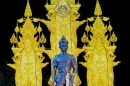
Two collection buildings hold the main indoor displays. Instead of following a single archaeological timeline, the visit centres on the variety of representations assembled by collector Pundhorn Teerakanon. Small figurines, amulets and more substantial sculptures show the deity in different poses and with different combinations of attributes.
Look beyond the elephant head to the hands, objects, companions and decorative setting of each piece. These details help distinguish one interpretation from another. A compact devotional image intended for a home or personal use has a different presence from a large, elaborately worked sculpture, even when both represent the same deity.
Stories Behind the Images
Thai and English explanatory material provides a starting point for understanding Ganesha’s mythology and place in Hindu worship. The deity is commonly associated with wisdom and the removal of obstacles. These associations help explain the devotion surrounding the images and the offerings at the shrine.
The Shrine and Sunday Worship
The outdoor worship court is one of the museum’s defining spaces. Devotees come to pay respects and make offerings, and visitors can observe quietly without participating. If you wish to join in, ask staff about the appropriate arrangement rather than copying unfamiliar rituals or handling objects at the shrine.
Sunday mornings can include organised worship. Contact the museum for the current starting time if attending a ceremony is the main reason for travelling, and allow more time than for an ordinary collection visit. Festival programmes can bring a different atmosphere and schedule from a quiet weekday.
Wear clothing suitable for a religious site and follow any instructions about removing shoes. Give worshippers room, keep voices low and ask before photographing people. Optional offerings or other paid activities are separate from general admission.
Admission, Hours and Photography
General admission is free, with a usual daily visiting window of 9am to 5pm. Contact the museum ahead of a special trip, particularly around religious festivals or if you want to attend Sunday worship. Free entry does not mean that every optional activity or offering is included.
Photography restrictions apply in the collection rooms. Put your camera away where signs prohibit pictures, and ask staff before photographing an exhibit if the rule is unclear. Outdoor photography should also respect worship and any local instructions; a courtyard photograph is different from taking pictures during a ceremony.
Around an hour is a useful starting allowance for the grounds and indoor collections. Allow longer if you enjoy reading the displays or plan to join worship. This is a specialist museum, so children may enjoy noticing the different figures, but it is not a hands-on play attraction.
Getting to Ganesh Himal Museum
The address is 277 Moo 10, Yang Kram, Doi Lo, Chiang Mai 50160. From Chiang Mai, the main approach is south along Route 108 towards Doi Lo, followed by local roads to the museum. Use the full name and Yang Kram map location for the final approach rather than expecting the entrance directly on the highway.
A car or arranged driver is the simplest option for a dedicated visit. Agree whether the driver will wait and bring you back, especially if you are combining the museum with other stops south of the city. A local bus reaching the district does not necessarily provide the final connection to the museum.
The grounds and separate buildings involve moving between indoor and outdoor areas. Bring water and protection from sun or rain. Visitors needing a step-free route should ask about access to the particular collection rooms and shrine before travelling.
Ganesh Himal Museum FAQs
What is on display at Ganesh Himal Museum?
The museum specialises in images of Ganesha, including small devotional objects and larger sculptures. Two collection buildings and an outdoor worship court let visitors explore both the artwork and the deity’s religious significance.
Is admission free?
General admission is free. Offerings and any optional activities have their own arrangements, so ask staff about the cost before taking part.
What are the usual opening hours?
The usual visiting hours are 9am to 5pm daily. Check directly for festival arrangements and the current Sunday ceremony time if worship is central to your visit.
Can you take photographs inside?
Photography is restricted in the collection rooms. Follow the signs and ask staff when unsure; outside, keep photographs discreet and avoid interrupting prayer or photographing people without permission.
How long should you spend there?
Allow around an hour for an ordinary visit, with extra time for reading the displays or joining worship. Visitors particularly interested in Hindu art may want a slower circuit of both buildings.
Where is the museum?
It is in Yang Kram, Doi Lo, south of Chiang Mai. Travel along Route 108 towards Doi Lo and use the museum’s map location for the local-road approach; arrange your return transport before arriving.





Do You Have a Question to Ask?