





































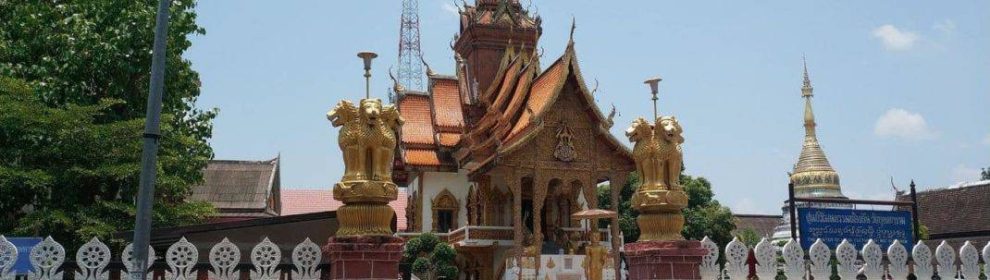
Wat Bupparam is a Buddhist temple on Tha Phae Road, east of Chiang Mai’s Old City. Its elaborate two-storey hall, murals and Burmese-style chedi make it a rewarding stop on the walk between Tha Phae Gate and the riverside shopping district.
The compound brings together buildings from different periods, with Lanna woodwork, sculptural decoration and a continuing role in local worship. Look beyond the ornate frontage: the smaller assembly halls and painted interiors give the visit much of its interest.
The Two-Storey Dhamma Hall
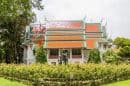
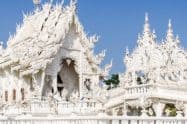
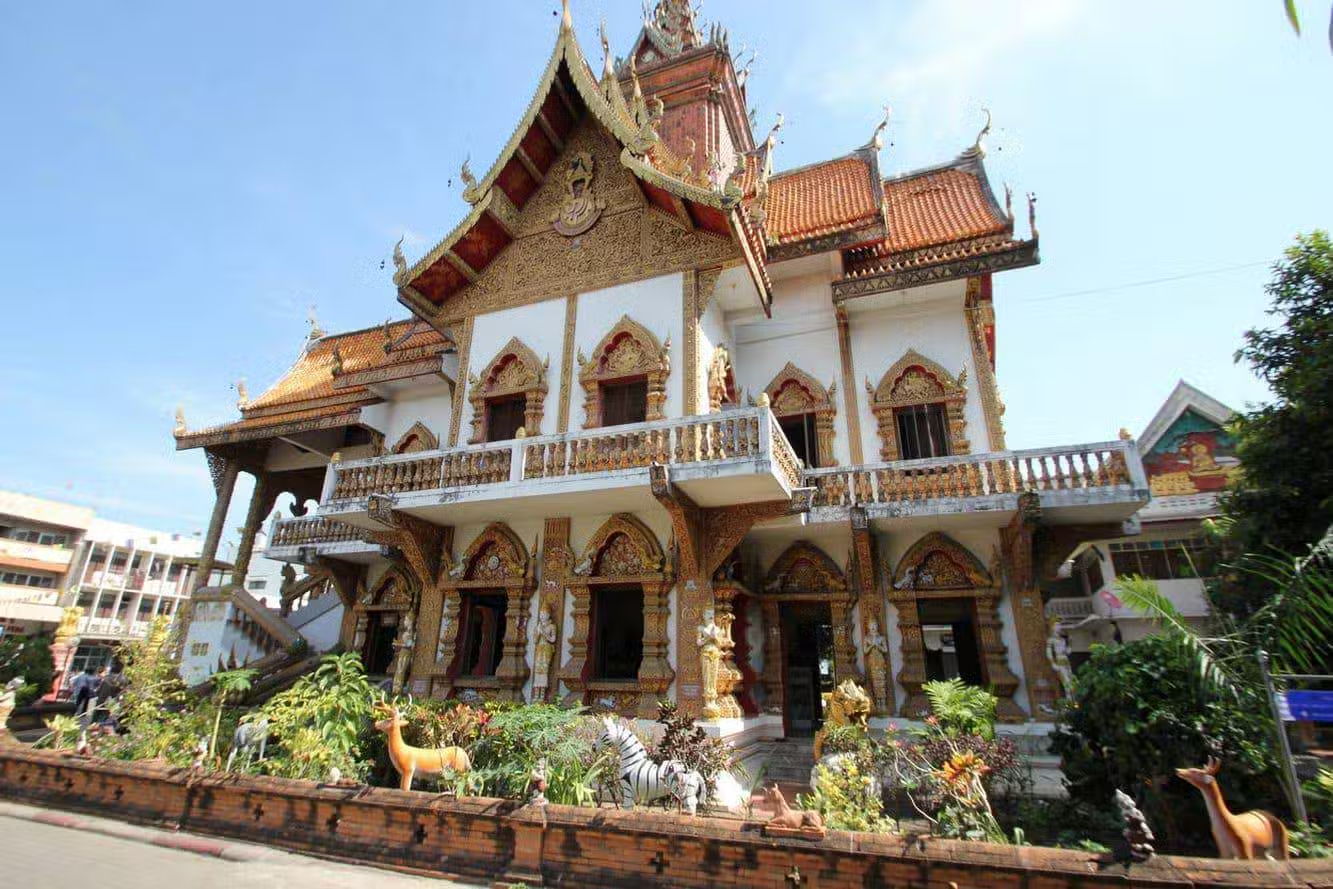
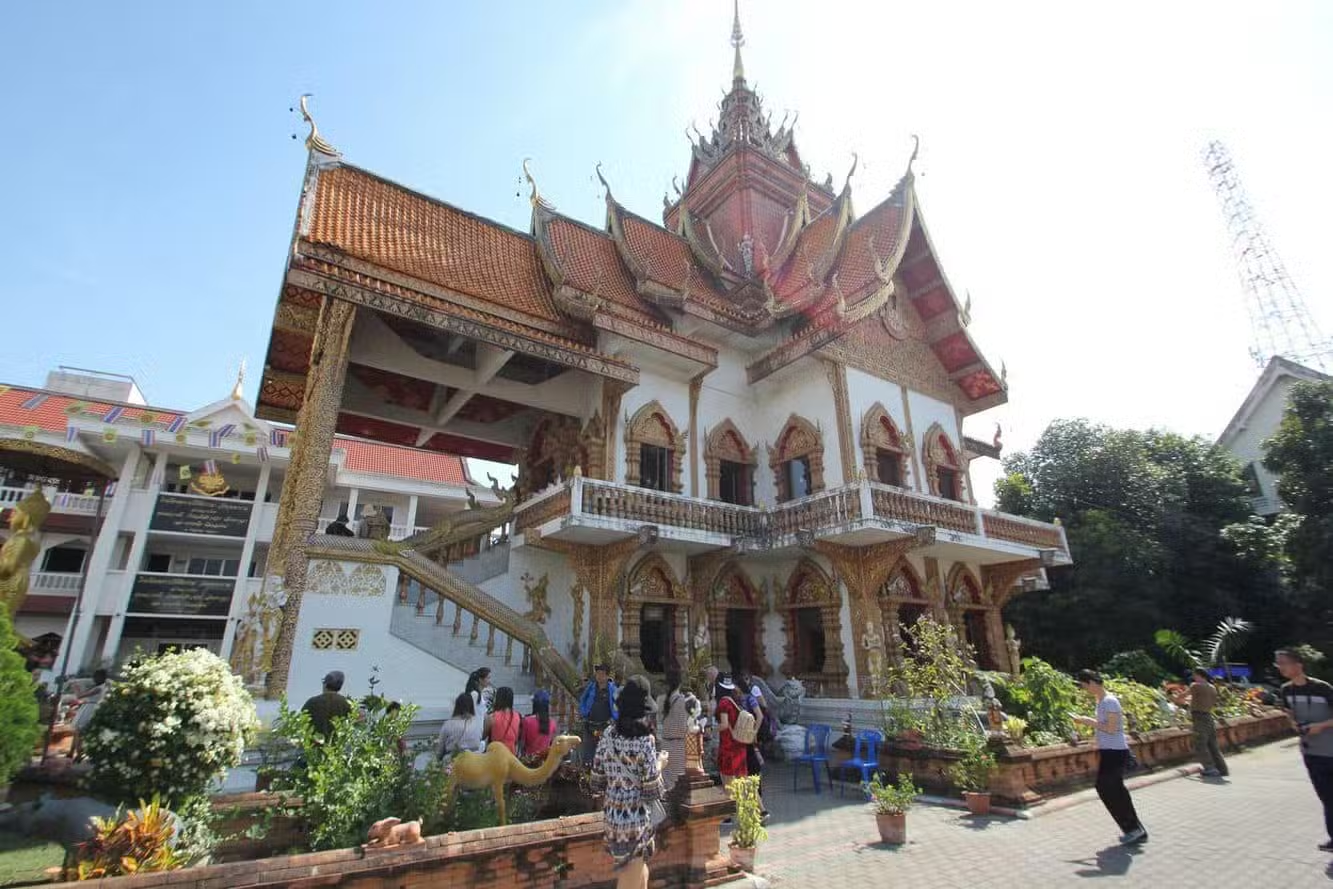
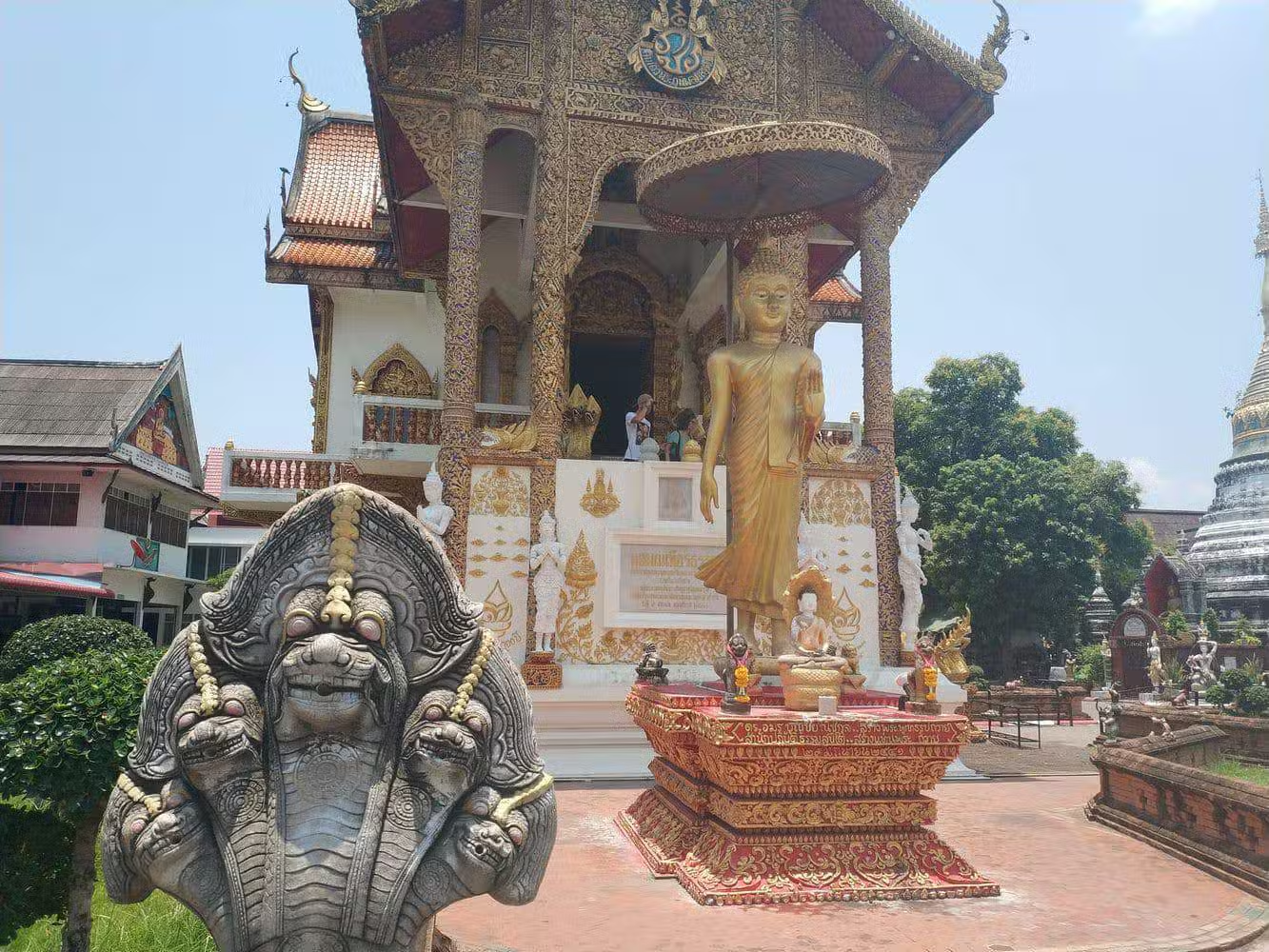
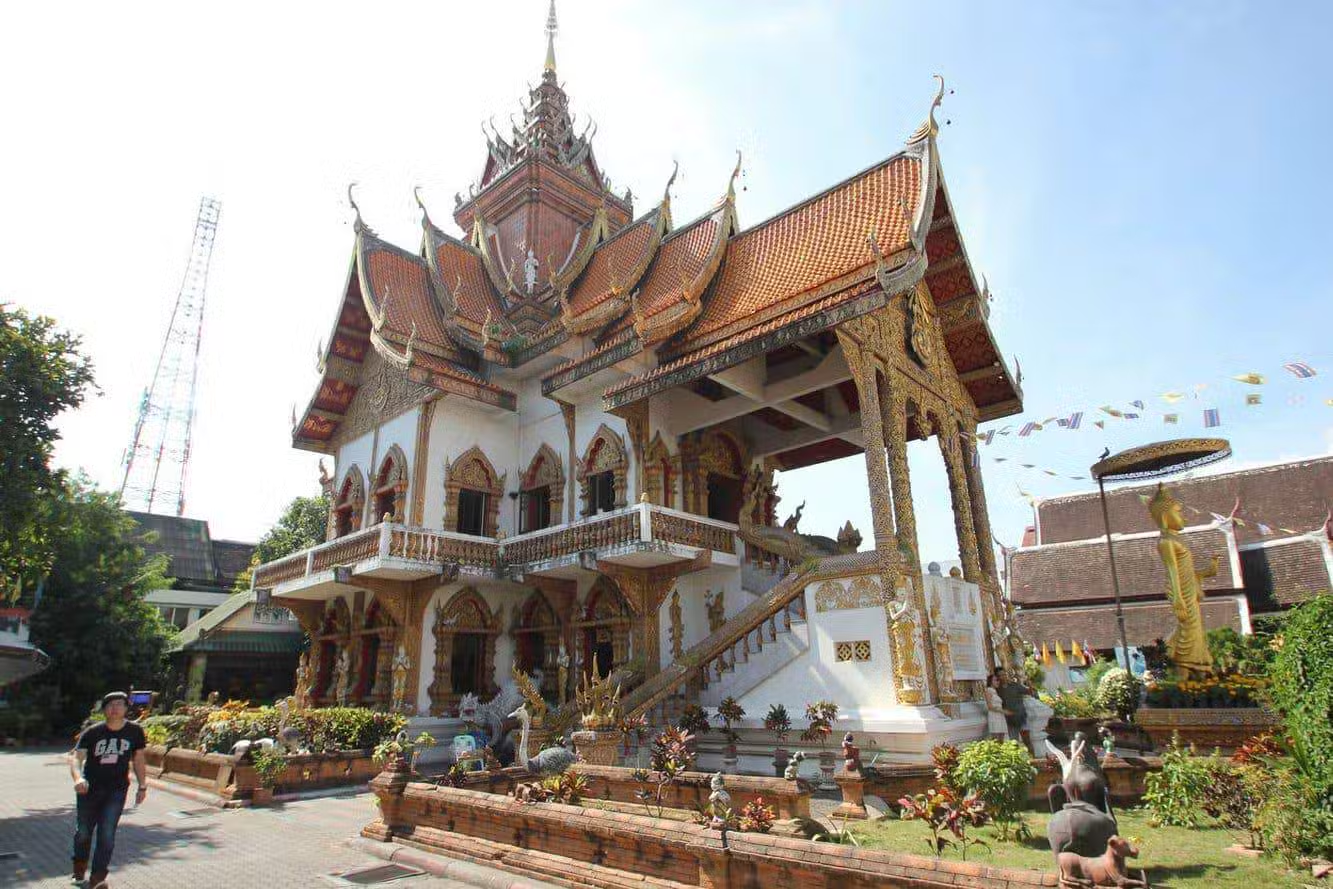
The prominent Ho Monthian Tham dominates the entrance view. Its layered roof, richly decorated gables and carved details create a different impression from the lower timber halls nearby. It is a comparatively modern addition to a much older temple, rather than the surviving original building.
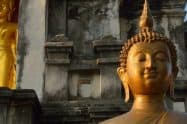
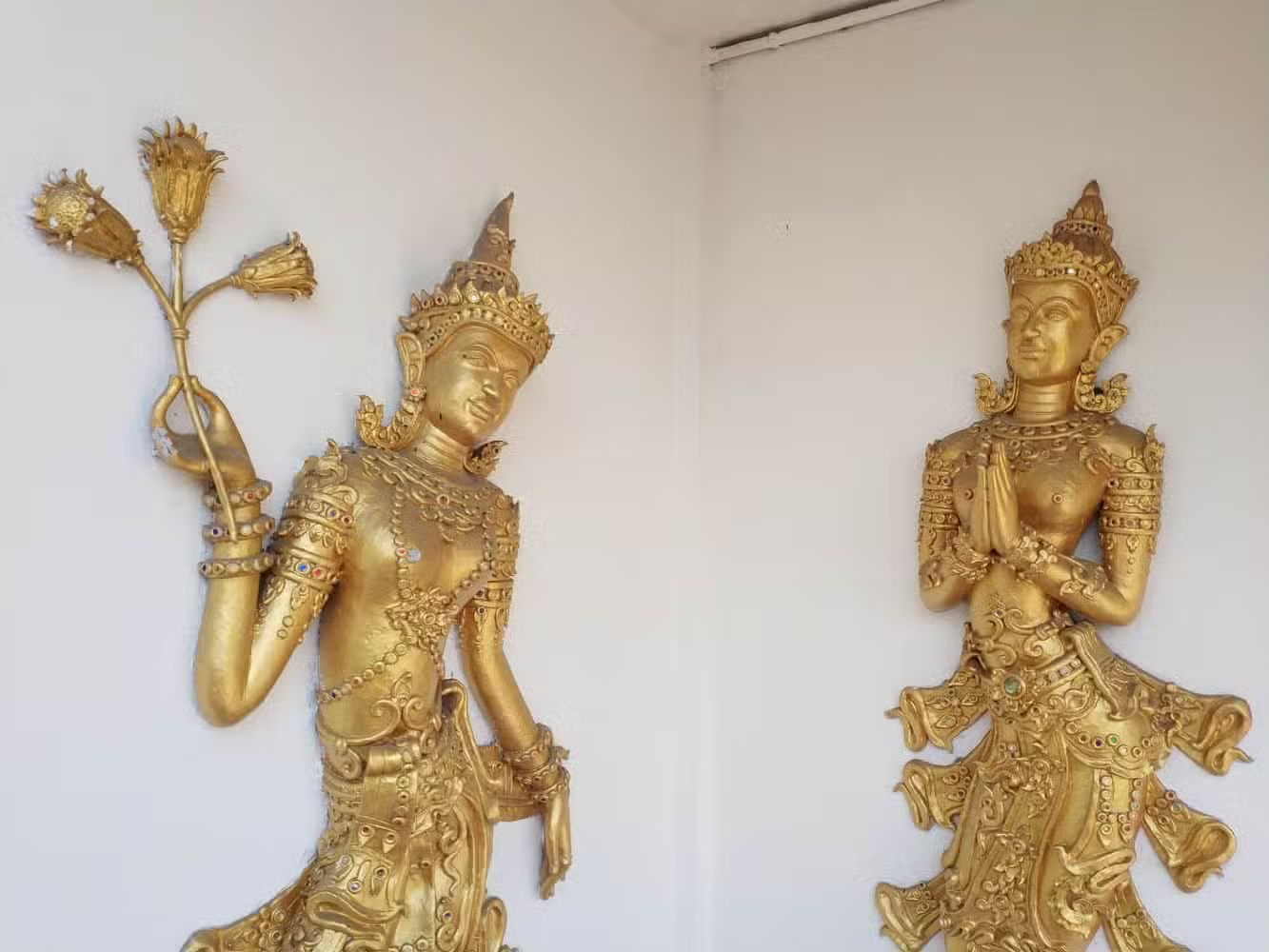
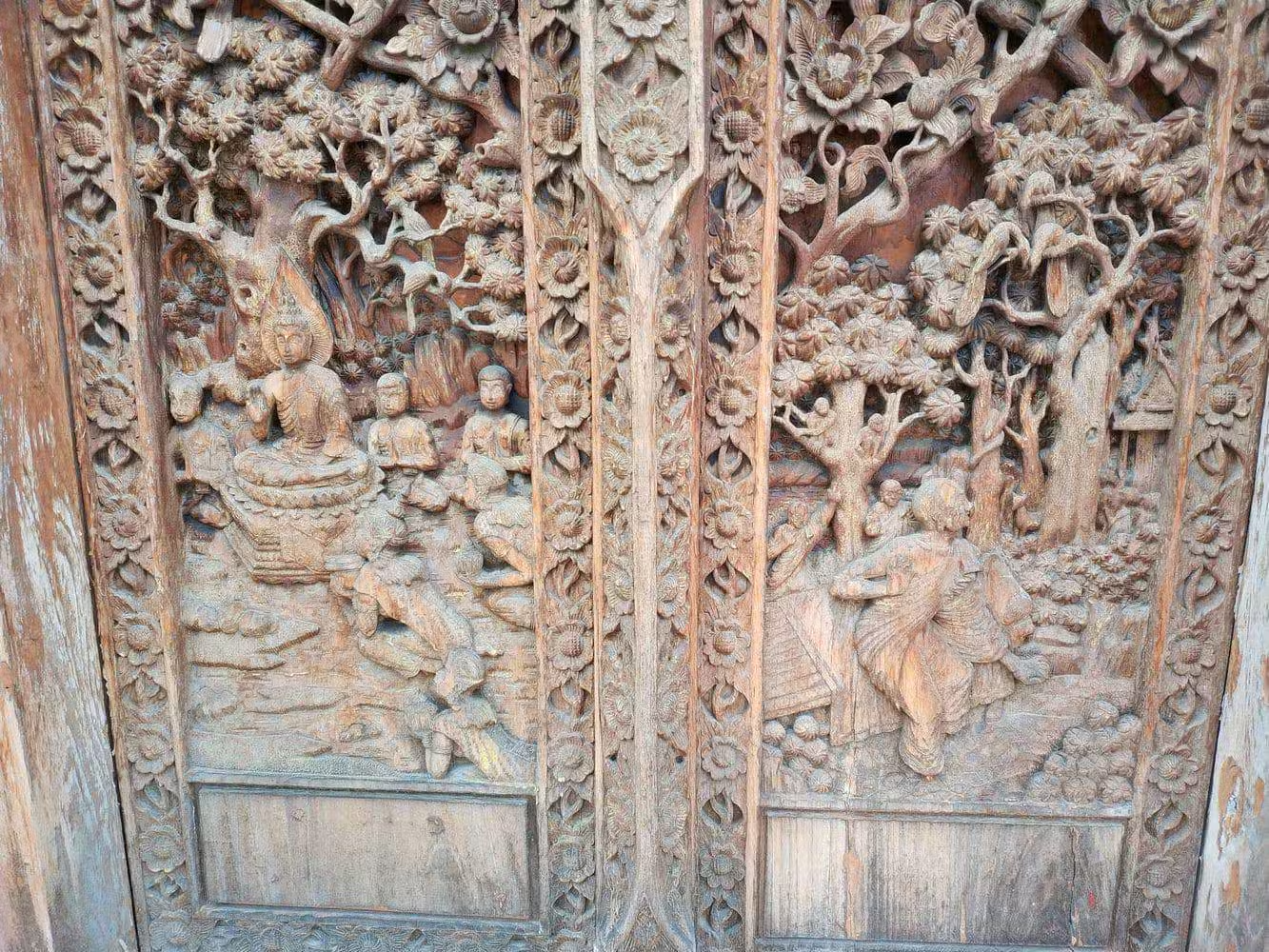
Inside, Buddha images, wood carving and murals draw attention at different levels of the hall. The wooden Buddha image is one of the temple’s notable features; take time to look at the surrounding decorative work as well as the central figure.
Access to upper rooms depends on which areas are open. Remove shoes where indicated and use the stairs carefully, giving worshippers space. A ground-level visit can still include the exterior and permitted halls if you do not wish to climb.
Murals and Chiang Mai’s Sacred Landscape
The painted scenes include religious subjects, processions and community traditions. Some compositions bring Chiang Mai’s temples and chedis into the picture, connecting the room with the wider city rather than depicting only an isolated devotional story.
Look for the differences between architectural scenes, ceremonial gatherings and figures within the paintings. The murals reward a slower visit, especially after seeing some of the city’s temple roofs and stupas in person. Keep a respectful distance from the walls and follow the room’s photography rules.
The Viharns and Burmese-Style Chedi
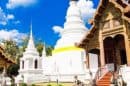
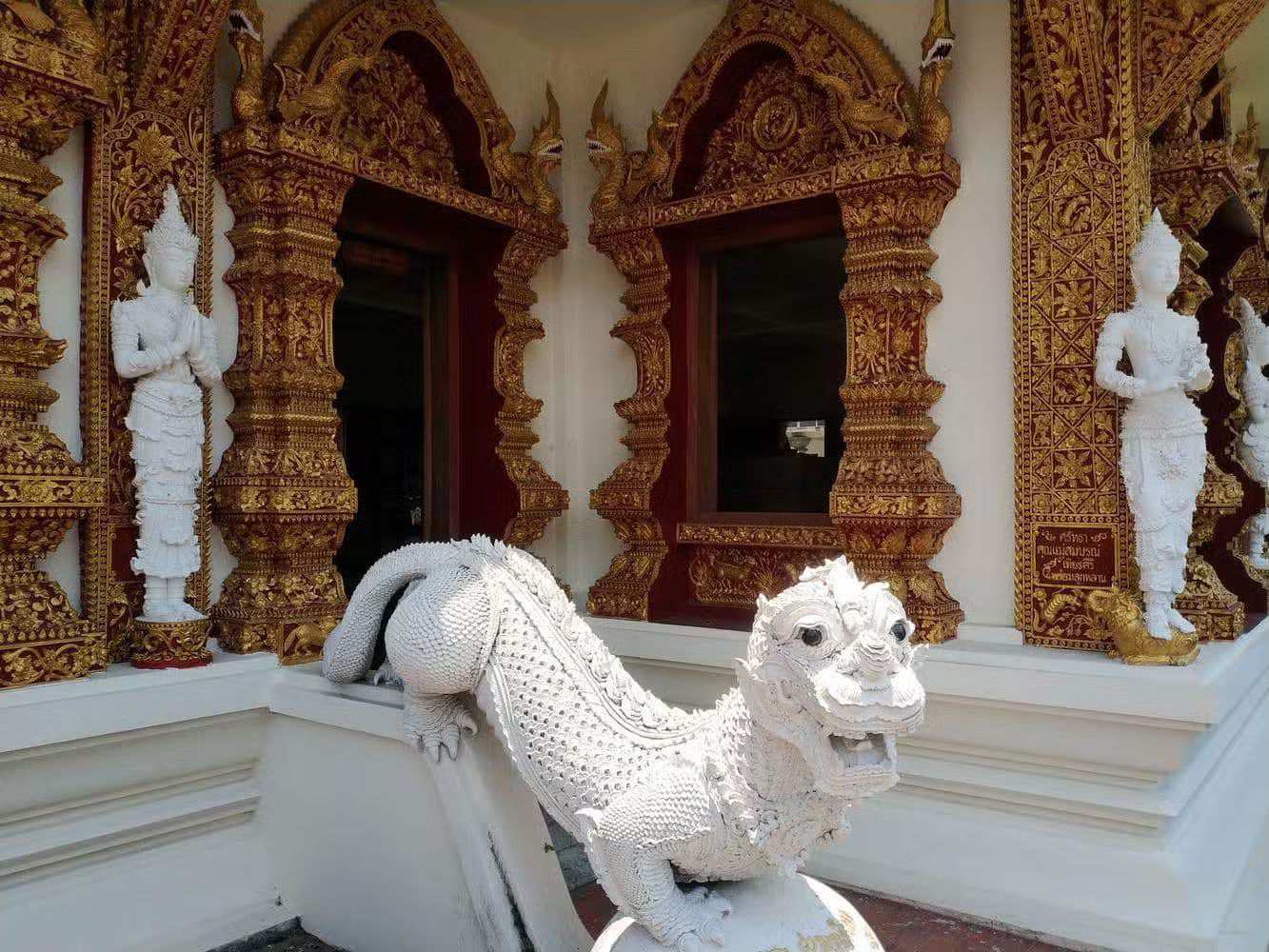
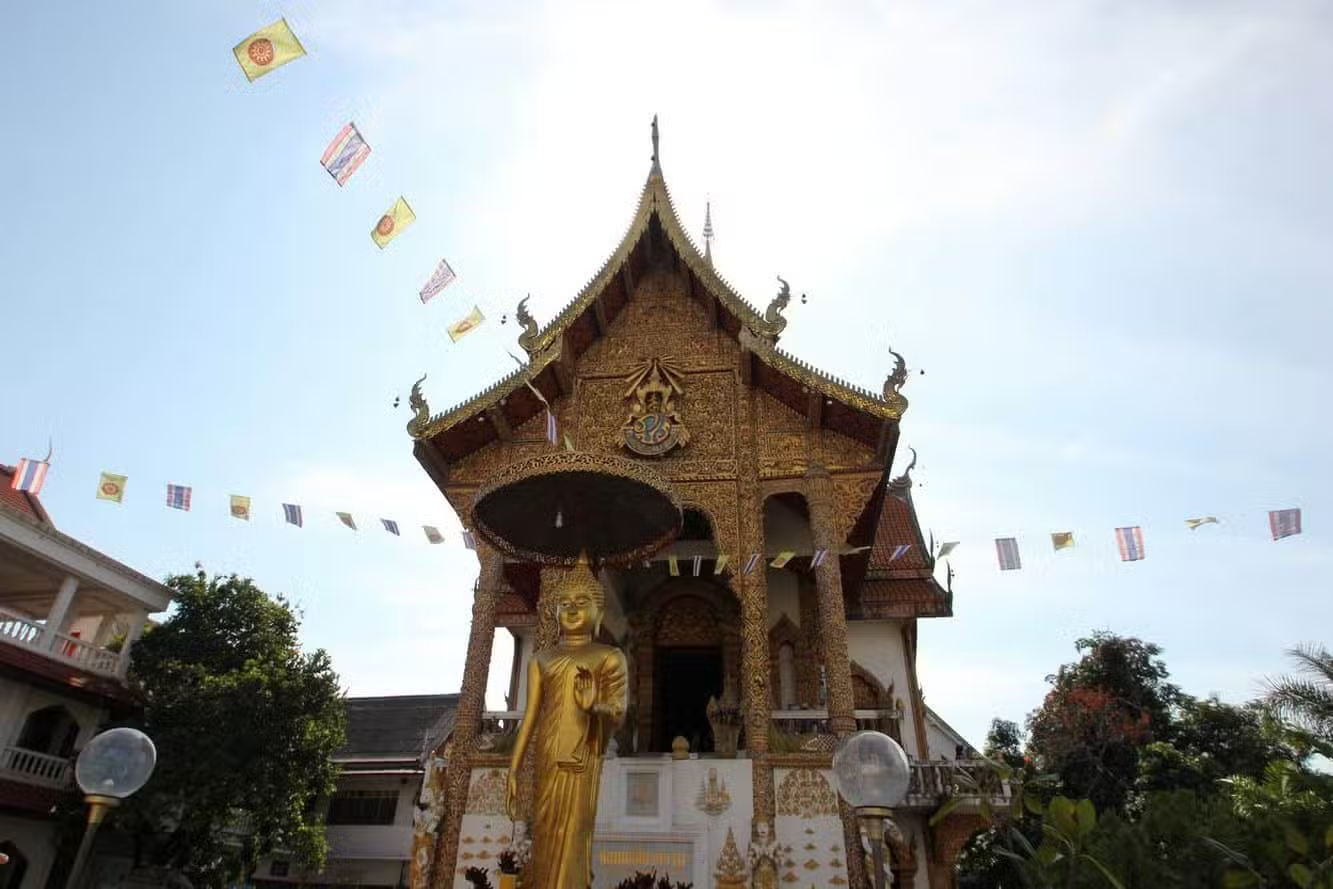
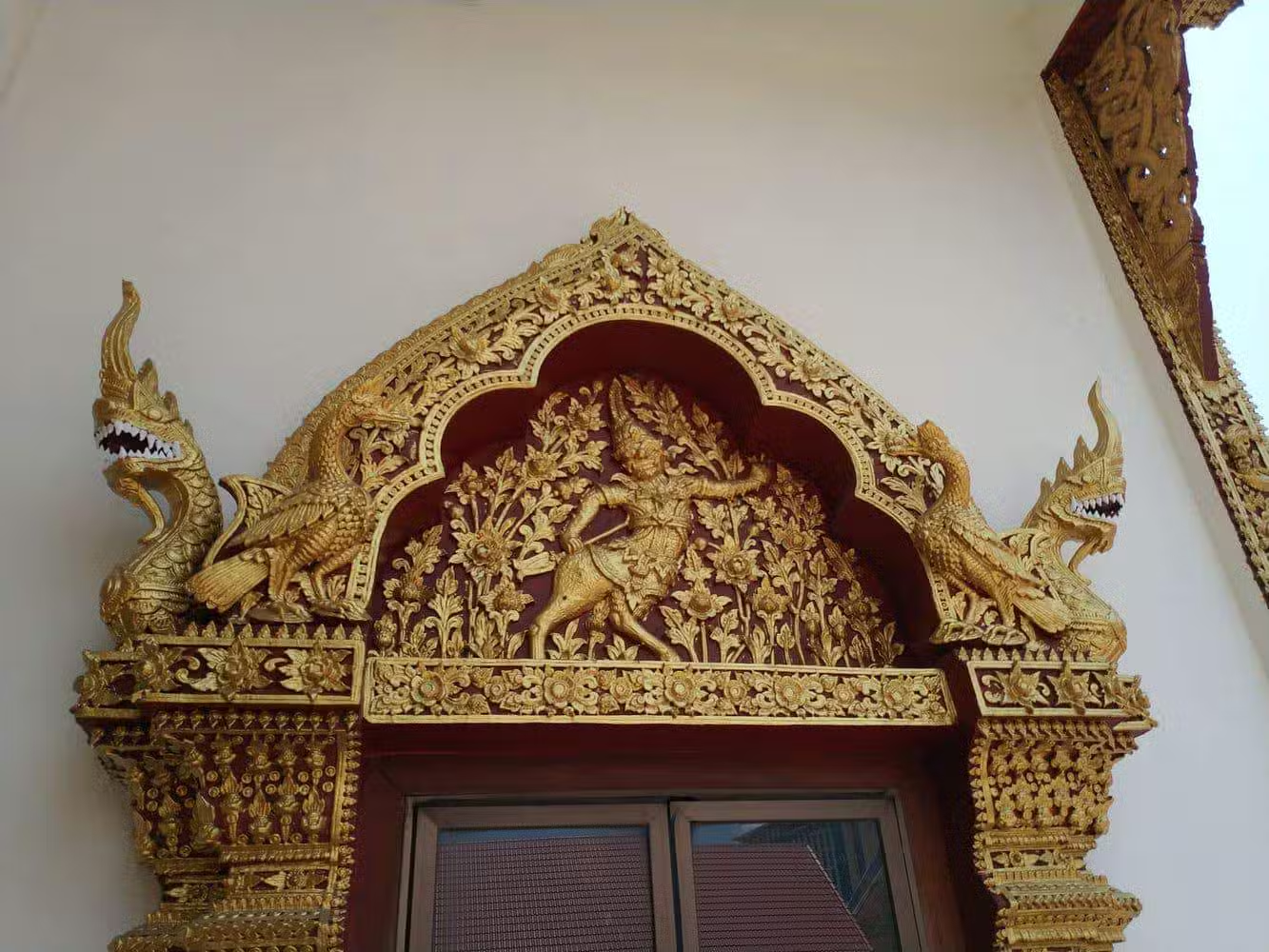
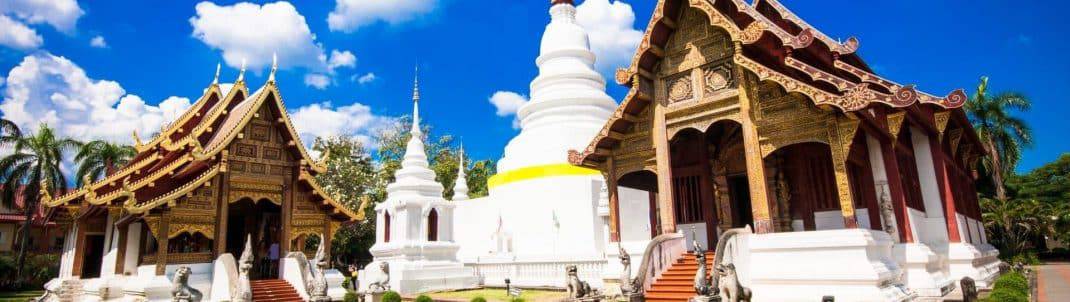
Two assembly halls, or viharns, stand beside one another in the compound. The smaller hall has Lanna-style gable decoration, combining woodwork and stucco, while the larger hall adds carved doors, columns and painted religious narratives.
These spaces are used for devotion, so enter only when permitted. Looking at the doors and roof details from outside is worthwhile even if a ceremony or closed room limits the interior visit.
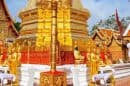
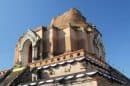
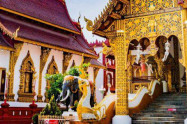
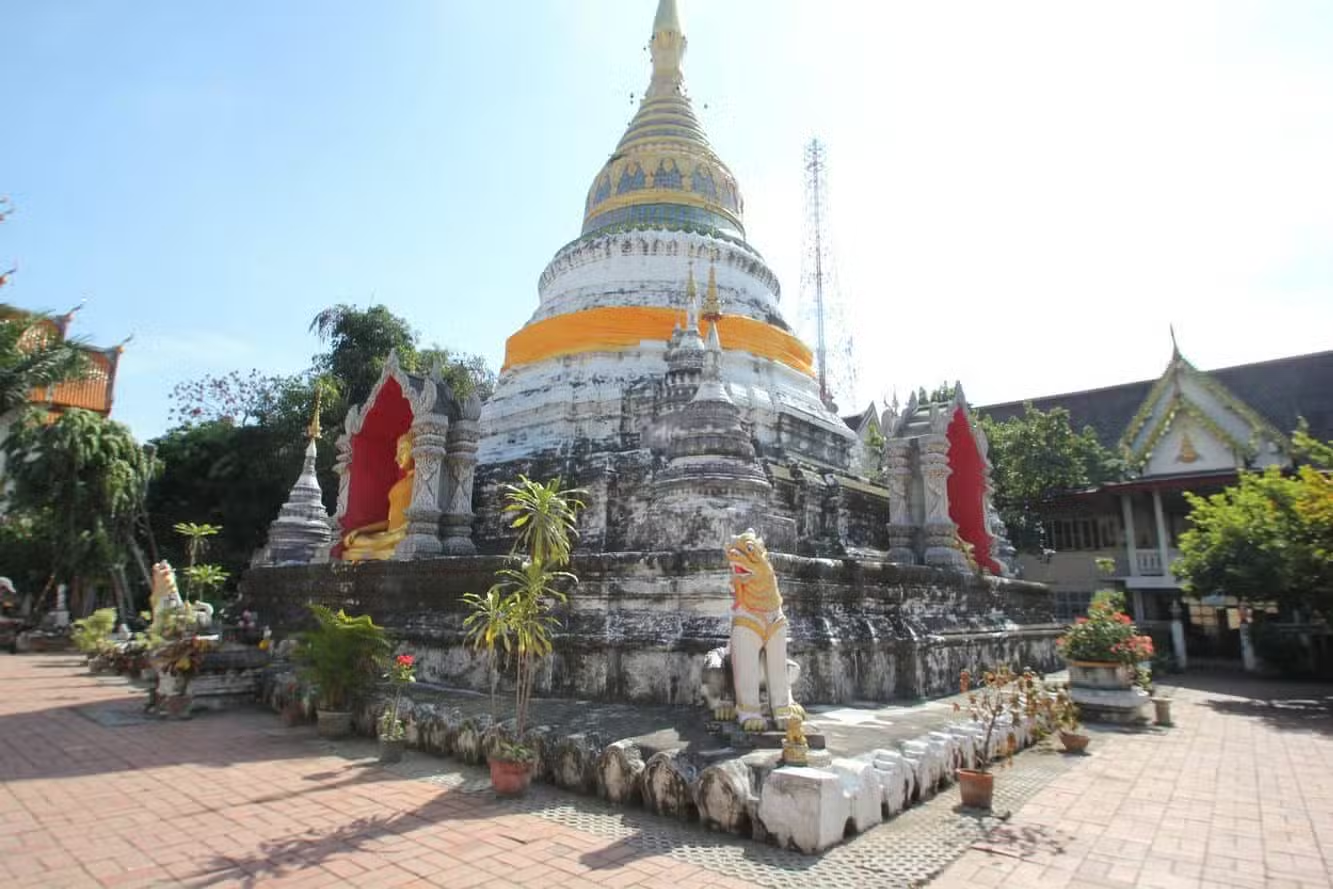
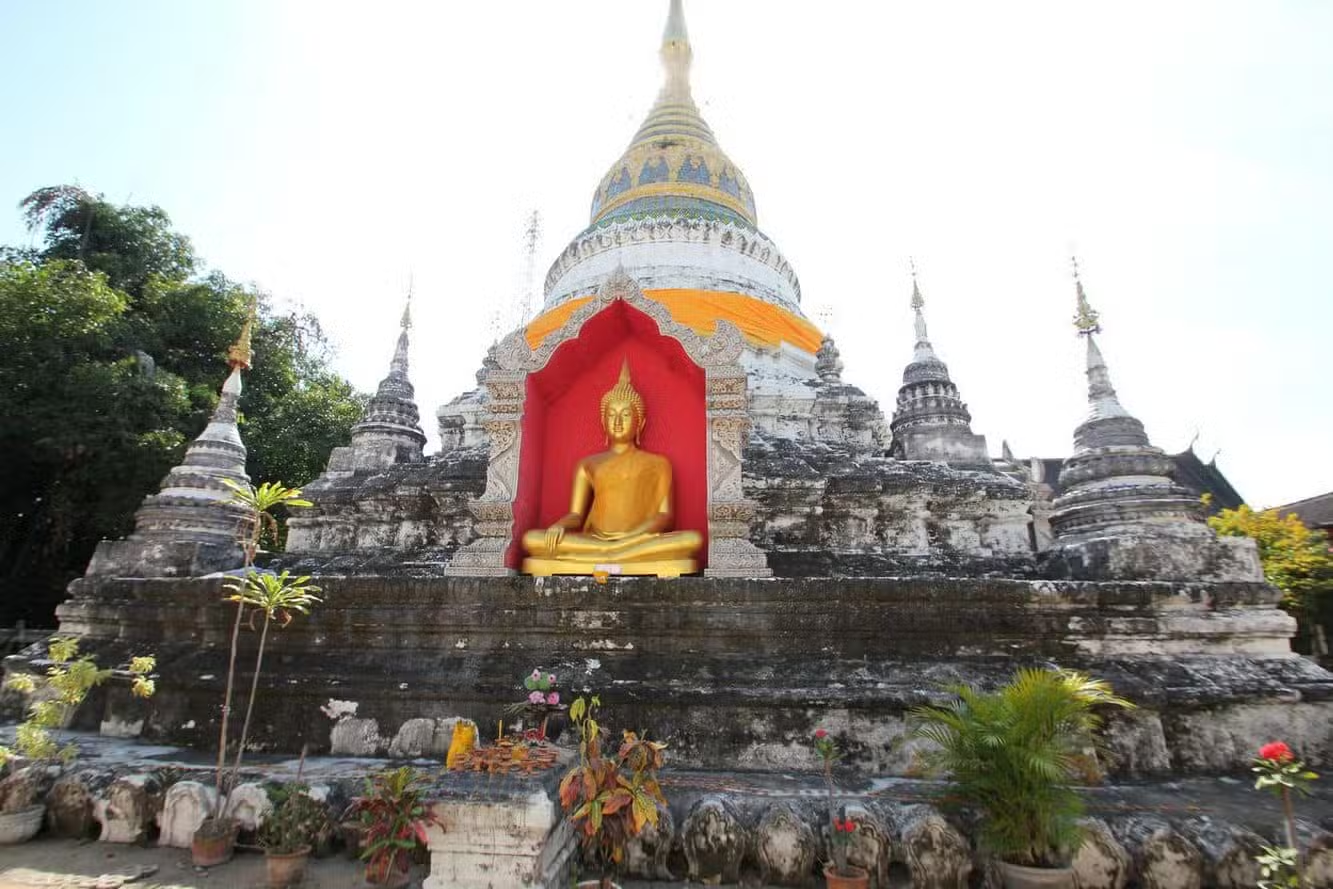
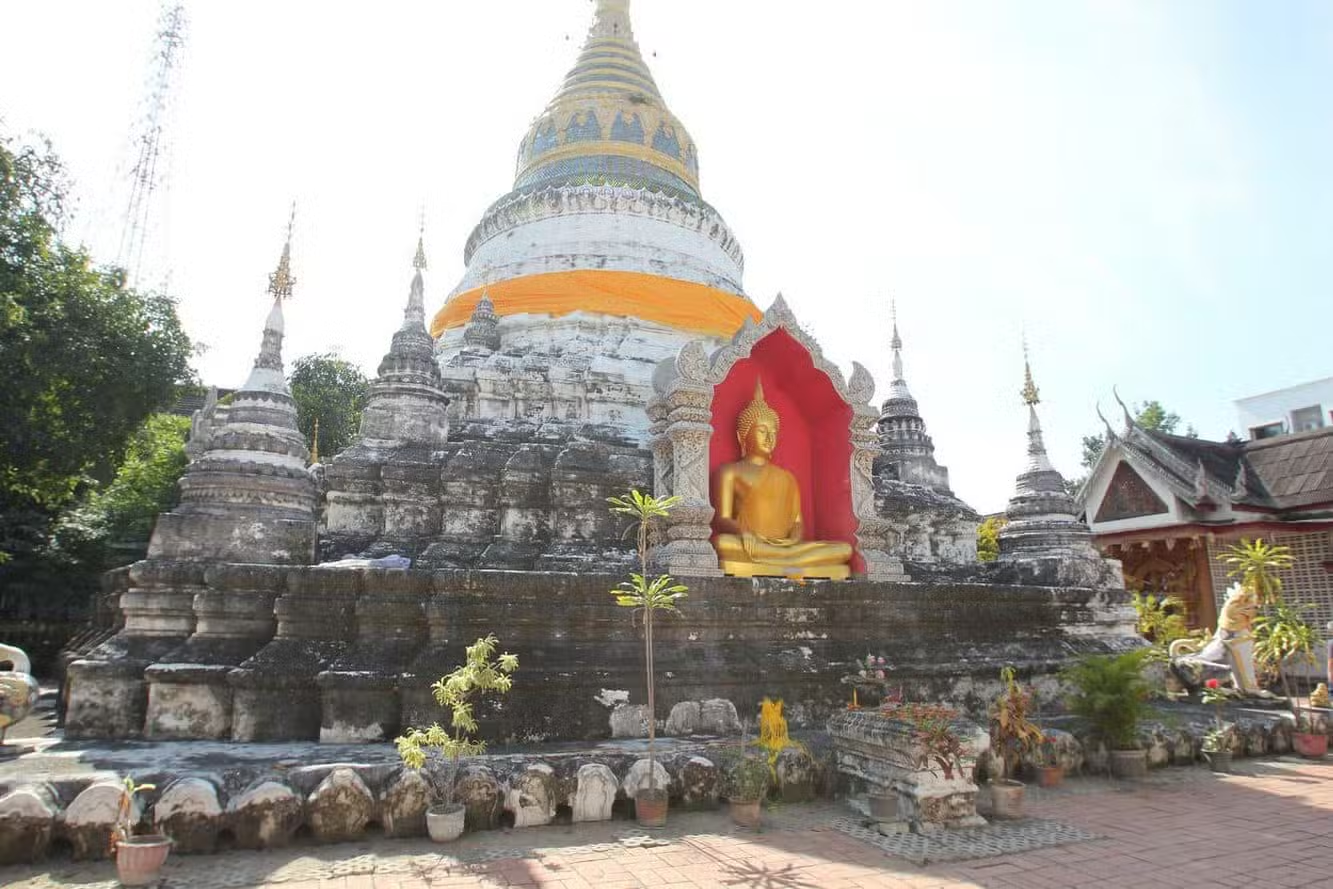
The white-and-gold chedi provides another distinctive feature, with Burmese influence in its form and lion guardians around the base. Walk on the designated paths to appreciate its profile and the relationship between the monument and surrounding halls.
Temple History and Living Worship
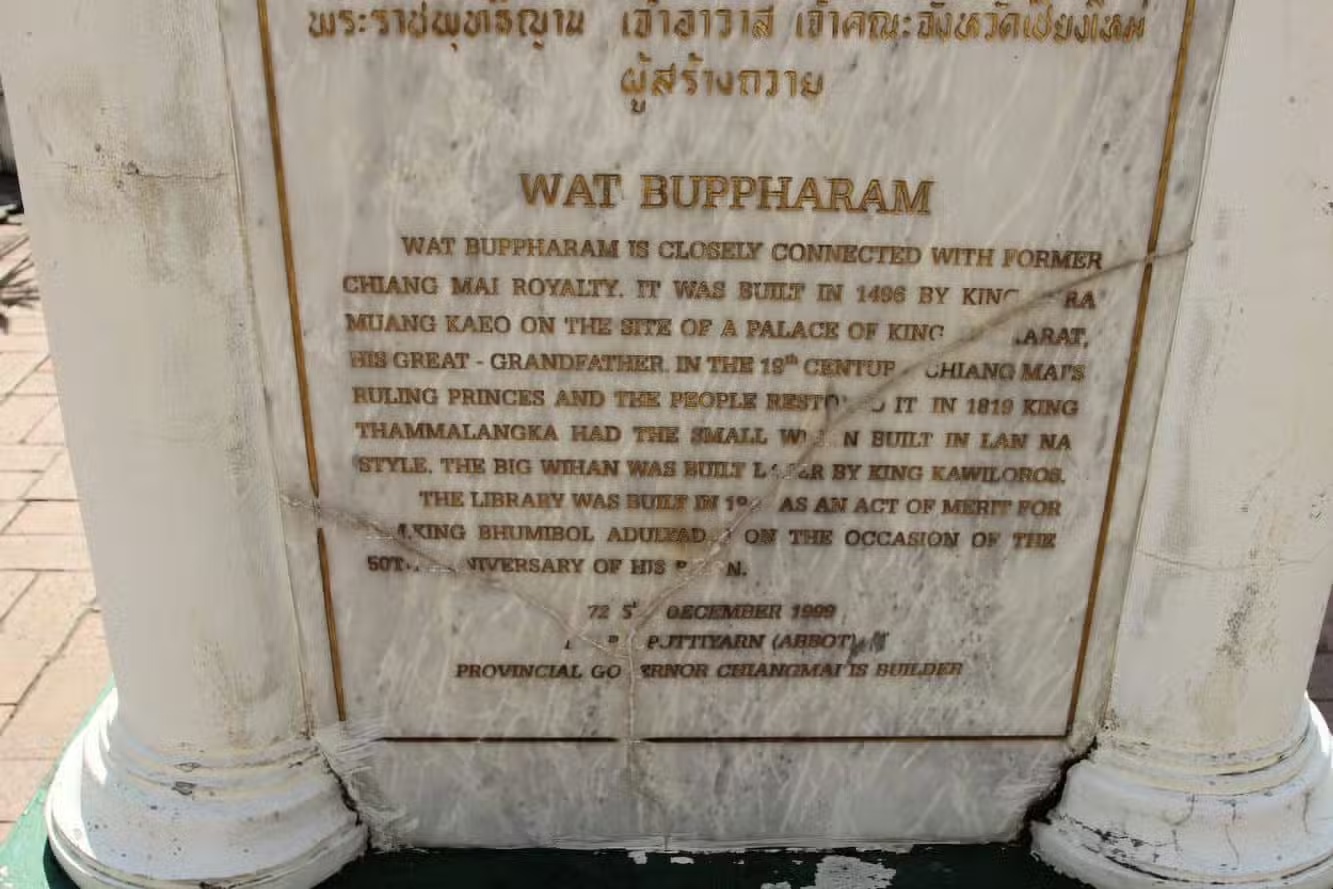
Wat Bupparam’s origins lie in the late 15th-century Lanna kingdom, although the buildings have been restored and added to over time. Its position east of the walled city places it along a historic approach associated with trade and travel.
The temple remains a religious site. Donations can support its upkeep, and blessings may be offered when monks are available, but they are not a scheduled performance included in every visit. Follow local guidance and ask before photographing people taking part in worship.
Dress with shoulders and knees covered, take off shoes at hall entrances and speak quietly. Keep out of monks’ residential areas and avoid leaning on decorative figures or treating sacred images as props.
Planning Your Visit and Admission
Allow around 45 to 60 minutes to look through the permitted halls and courtyard. A shorter stop can cover the main exterior and chedi, while visitors interested in mural painting may prefer longer indoors.
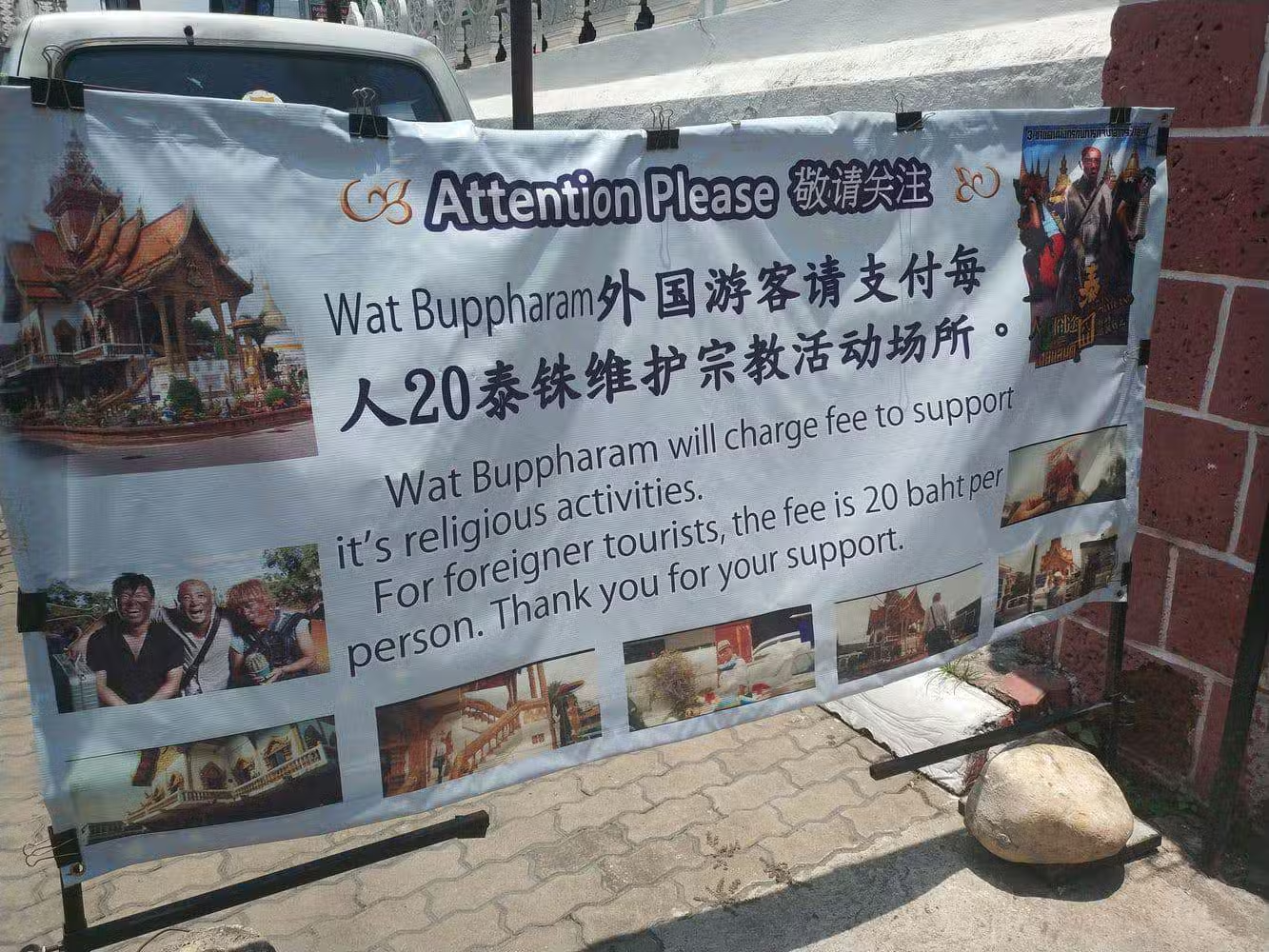
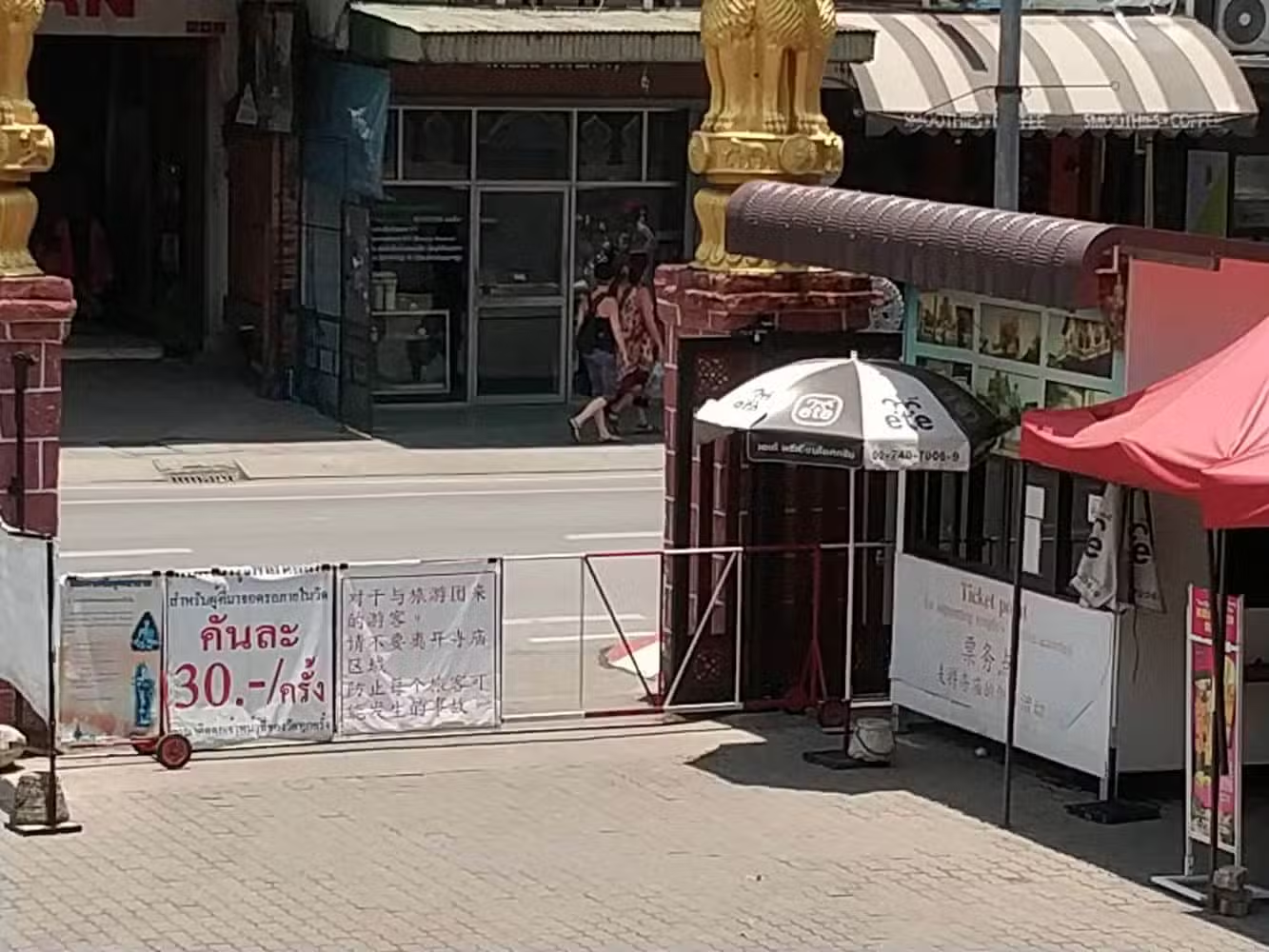
Visit during the day for the best chance of seeing the interiors. Grounds and individual halls can follow different access arrangements, and religious activity may affect entry. Bring small Thai-baht notes for any sightseeing charge and optional donations, and check the entrance notice before proceeding.
The hall stairs and changes in level can affect access. If a step-free visit is essential, ask about the open ground-floor areas rather than assuming the entire two-storey hall is accessible.
Getting There on Tha Phae Road
The temple is at 143 Tha Phae Road, roughly 500 metres east of Tha Phae Gate. From the gate, continue along the road towards the Ping River, using the pavement and crossing carefully at junctions.
A taxi, tuk-tuk, red songthaew or app-based car can bring you from elsewhere in Chiang Mai. Give the temple name and Tha Phae Road address; spelling varies between Bupparam and Buppharam. Choose a safe roadside drop-off without blocking the temple entrance.
Wat Mahawan and Wat Saen Fang can form part of the same broader temple walk, with Warorot Market and the riverside farther east. Allow time for traffic and the heat instead of assuming every nearby stop is part of one compound.
Wat Bupparam FAQs
What is distinctive about Wat Bupparam?
Its decorated two-storey dhamma hall, carved woodwork, mural paintings and Burmese-style chedi give the compound variety. The smaller assembly halls are also worth exploring when open.
Where is the temple?
It is at 143 Tha Phae Road, about 500 metres east of Tha Phae Gate. It lies outside the Old City walls along the approach towards the Ping River.
How long should you allow?
Around 45 to 60 minutes suits the main halls and courtyard. Allow longer for mural details, and remember that religious activities can limit access to particular rooms.
Is entry free?
Check the current entrance notice for sightseeing charges and carry small cash. Donations are separate; access to the grounds does not necessarily include every room or religious activity.
Can you visit the upper hall?
Upper-room access depends on the day’s arrangements and involves stairs. Follow the signs, and ask about ground-level alternatives if steps are a concern.
What should you wear?
Cover shoulders and knees, remove shoes where indicated and keep conversation quiet. Ask before photographing worshippers and follow the photography instructions inside each hall.




Do You Have a Question to Ask?