


























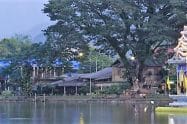







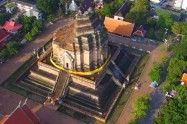



Wat Lok Molee stands outside Chiang Mai’s northern Old City moat, west of Chang Phuak Gate. Its weathered brick chedi and richly detailed wooden assembly hall make a striking pairing: the older monument gives the temple its historical weight, while the hall and devotional grounds remain part of a living place of worship.
The compact grounds suit a slow stop during a walk along the north moat. Look closely at the carvings and the chedi rather than rushing through for a single photograph, and leave space for worshippers using the hall and shrines.
The Brick Chedi and Lanna History
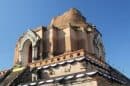
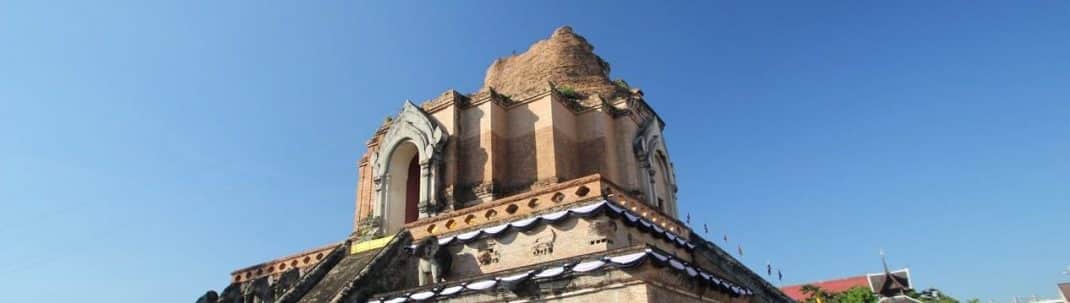
The large brick chedi is Wat Lok Molee’s most recognisable historic feature. Its exposed surface gives it a different character from Chiang Mai’s gilded stupas, with the tiers and niches easier to appreciate through the texture of the brickwork. Walk around the permitted ground-level paths to see how the structure changes from each side.
The sixteenth-century chedi is associated with the Mengrai dynasty and royal ashes. Its Lanna history is distinct from that of the present wooden hall.
Temple traditions also connect the site with monks invited from Burma during the reign of King Kuena. The temple’s longer history and later restoration should be kept in mind when looking at the grounds: not every building you see today is the same age as the chedi.
The Wooden Assembly Hall
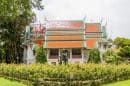
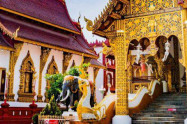
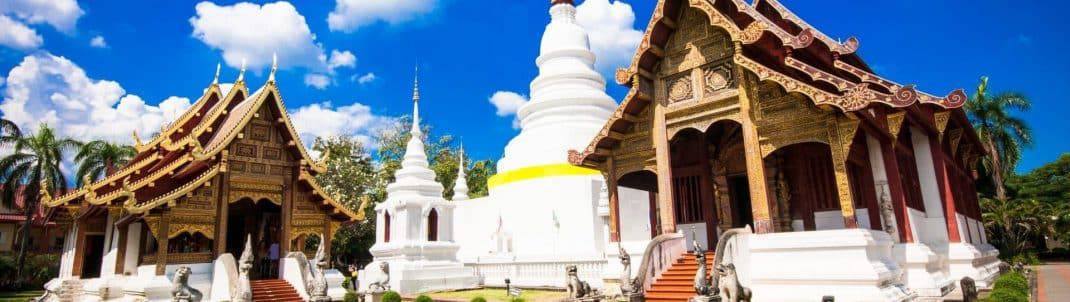
The viharn, or assembly hall, is a separate building from the brick chedi. Its layered roof and carved wooden details bring a warmer, more intricate visual character to the temple. At the approach, look for the naga forms and decorative work framing the way into the hall.
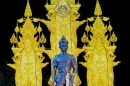
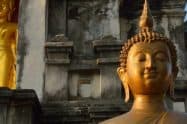
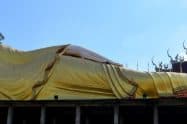
Inside, the Buddha image provides the focus for worship. When the hall is open, remove your shoes at the designated point and enter quietly. Sit with your feet directed away from the Buddha and avoid stepping into a space reserved for monks or ceremonies.
A Quiet Circuit of the Grounds
The contrast between the hall, chedi and smaller devotional features is the main pleasure of a visit. Begin with the hall if it is open, then make a circuit towards the chedi, noticing the carvings and shrines along the way. There is no need to treat the grounds as a checklist of every statue.
People may be bringing flowers, lighting incense or praying during an ordinary sightseeing visit. Keep a respectful distance, ask before photographing someone and avoid moving an offering to improve a picture. Donations are optional; buying devotional items is separate from entering the temple.
Around 30 to 45 minutes is a reasonable allowance for looking at the architecture and spending a quiet moment inside. A visitor interested in Lanna history or carving may stay longer. Children can enjoy spotting the naga and roof details, provided they keep clear of offerings and worship areas.
Visiting Hours and Temple Etiquette
The published sightseeing window is 8am to 5pm, with free general admission. Plan your architectural visit within those hours and follow any local signs about access to the hall. Religious activities or private ceremonies can change what is available to visitors.
Wear clothing covering shoulders and knees, and take off shoes where required. Speak quietly, silence your phone and avoid blocking the entrance with photographs. The grounds are relatively compact, but changes in level and steps into buildings mean that a short visit is not necessarily step-free.
Getting to Wat Lok Molee
The temple is at 229 Manee Nopparat Road in Si Phum, on the outside of the northern moat. From Chang Phuak Gate, follow the north moat west for roughly 400 to 500 metres. Wat Rajamontean, across the road on the Old City side, is a useful nearby landmark.
The moat-side road is busy, so choose a safe crossing rather than walking straight across to the entrance. Visitors staying near the north or northwest Old City can include Wat Lok Molee in a walking route; those coming from farther away can use a taxi, tuk-tuk or red songthaew.
Give the driver the temple name and north-moat location, and confirm the fare before boarding a songthaew or arranging a private ride. There is no single fixed fare from every part of the Old City. If driving, follow the on-site parking directions and keep the entrance clear.
Wat Lok Molee FAQs
Where is Wat Lok Molee?
It is outside the northern Old City moat on Manee Nopparat Road, roughly 400 to 500 metres west of Chang Phuak Gate. Wat Rajamontean is across the road on the Old City side.
What should you look for at the temple?
The main features are the exposed brick chedi and the carved wooden assembly hall. They are separate structures with different histories, and both deserve a closer look during a circuit of the grounds.
Is there an entrance fee?
General admission is free. Donations and purchases of offerings are optional and should not be confused with a compulsory sightseeing ticket.
What are the visiting hours?
The published sightseeing window is 8am to 5pm. Follow local instructions about hall access, particularly if worship or a private ceremony is taking place.
Can you photograph the temple?
Photograph respectfully where permitted, avoiding flash inside and pictures that interrupt prayer. Ask before photographing people and leave offerings and devotional objects in place.
How long does a visit take?
Allow around 30 to 45 minutes for the hall, chedi and grounds. It fits into a north-moat walk, but crossing the busy road and visiting during a service may take additional time.




Do You Have a Question to Ask?