


















































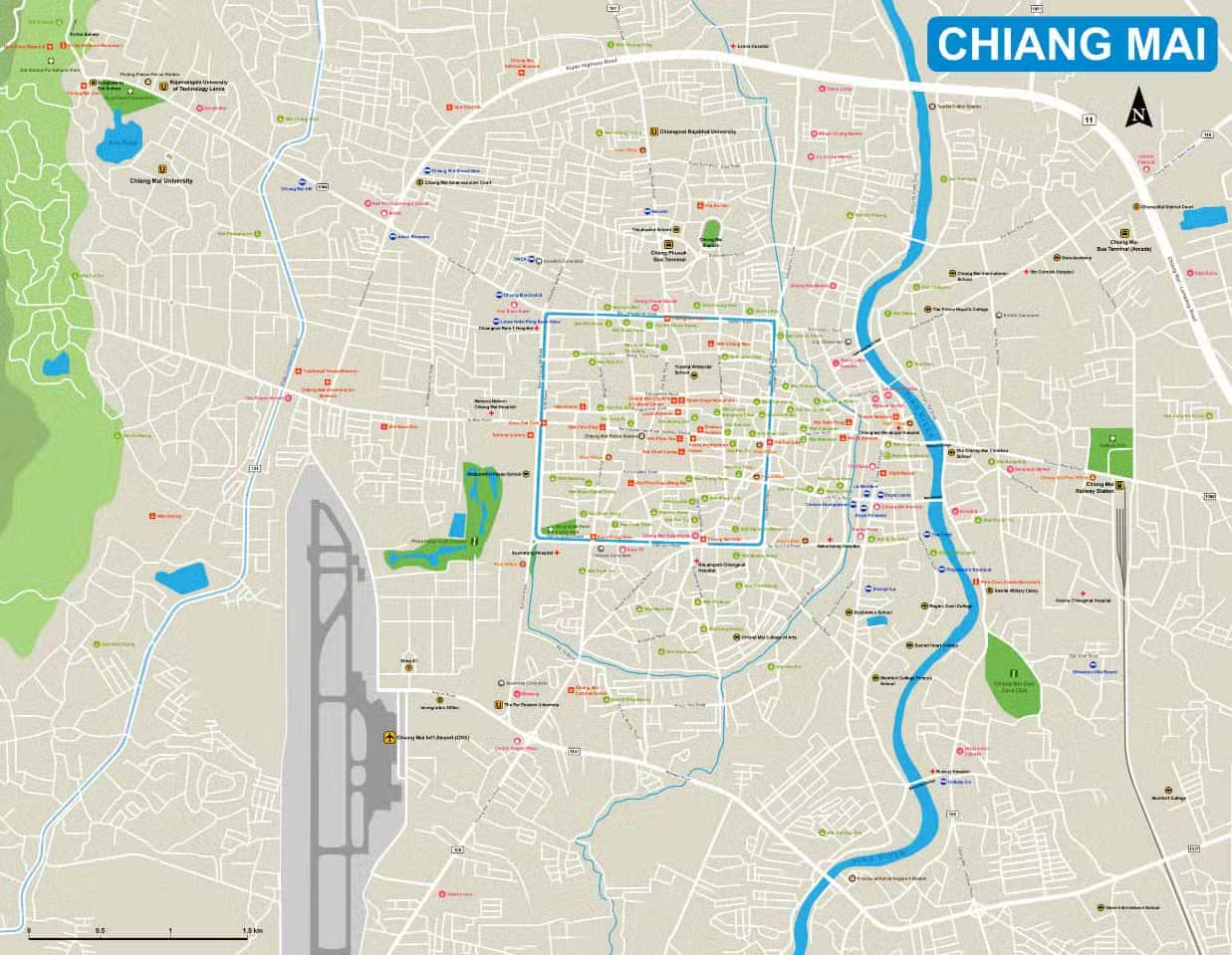
A useful Chiang Mai map should show more than a list of attractions. Start with the square Old City moat, the Ping River to the east and Doi Suthep to the west, then locate your accommodation, transport terminal and the places you want to visit. These landmarks make it much easier to judge which stops fit together.
The historic centre is compact enough for walking between many temples, but Chiang Mai’s shopping areas, airport, mountain attractions and outlying districts extend well beyond it. Planning in neighbourhoods helps avoid a day spent crossing the city repeatedly or mistaking a regional attraction for a nearby city stop.
Reading the Old City Map
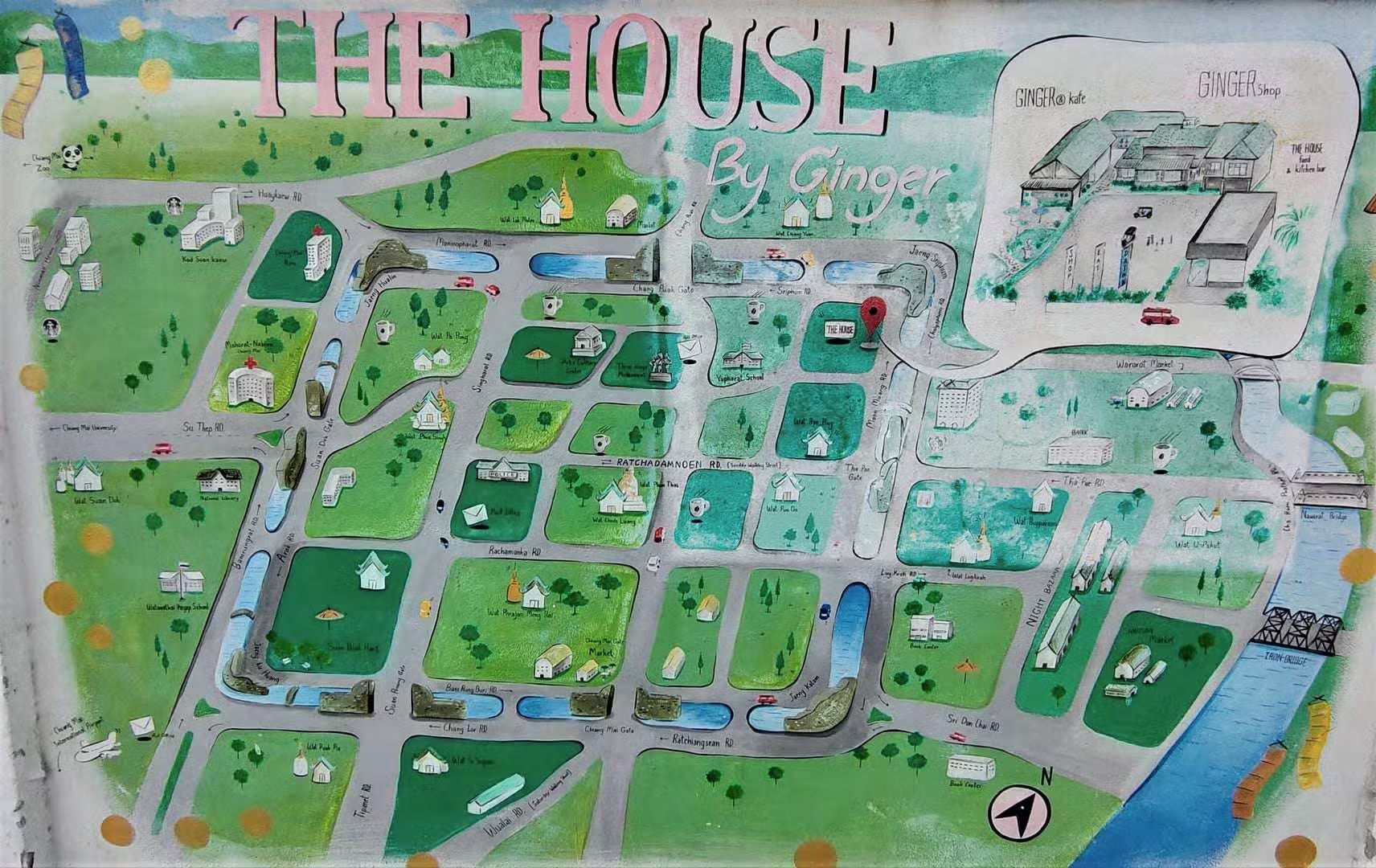
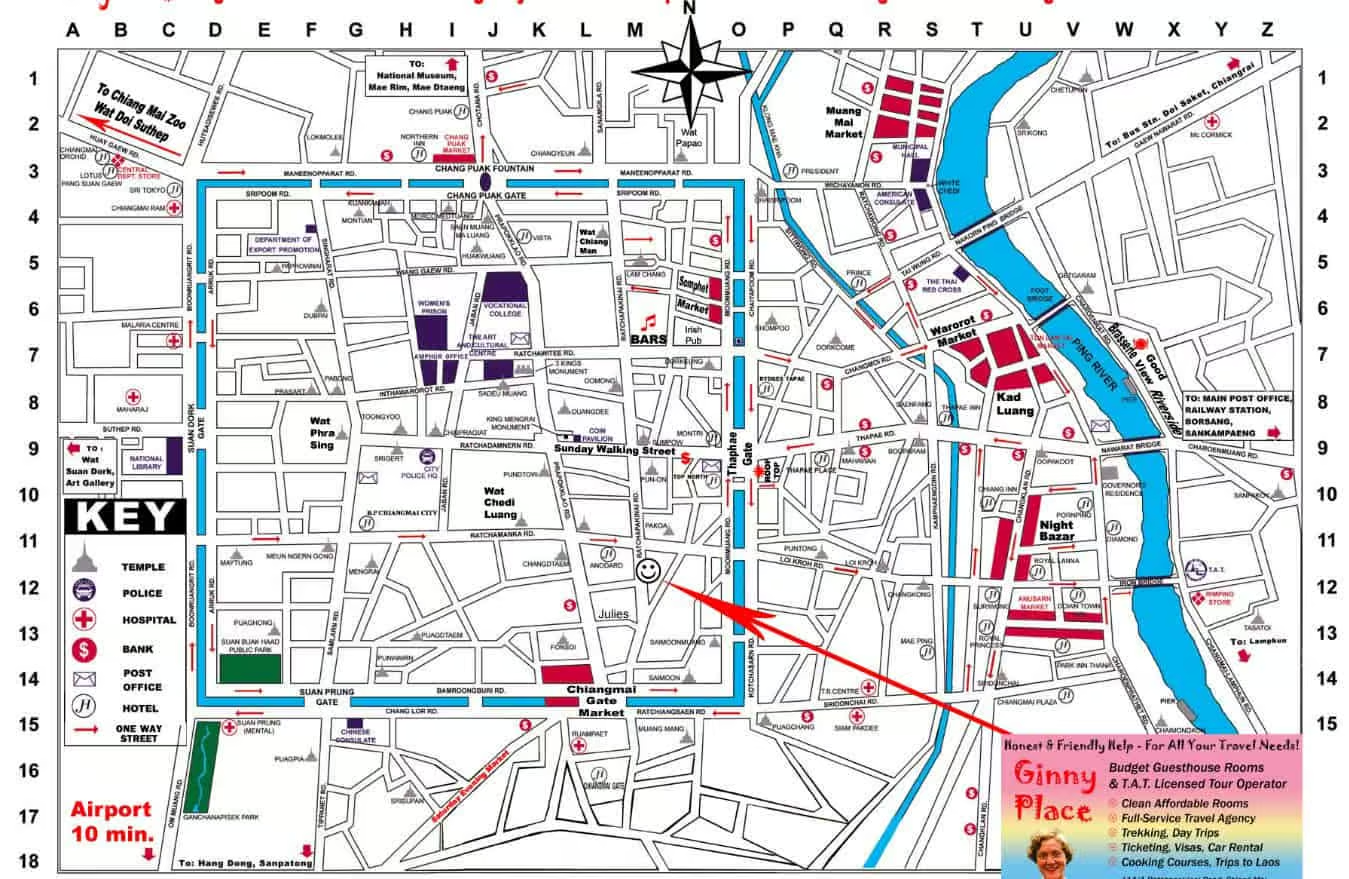
The moat outlines the historic centre. Tha Phae Gate is the familiar landmark on its eastern side, Chiang Mai Gate is on the south and Chang Phuak Gate is on the north. These names are useful meeting points, but check whether your destination sits inside the moat, beside it or across a busy road.
Ratchadamnoen Road crosses the Old City from the Tha Phae Gate area towards Wat Phra Singh. Wat Chedi Luang is on Phra Pokklao Road near the centre, with Wat Phan Tao close by. This cluster suits a walking route with time to enter temples, stop for food and take breaks rather than treating the map as a race between pins.
Sunday Walking Street uses Ratchadamnoen Road and nearby streets during its weekly market. On those evenings, a driving route through the centre may no longer be available even though the street still appears on your map. Plan a drop-off outside the pedestrian area and choose a clear return meeting point.
Neighbourhoods Beyond the Moat
Night Bazaar, Chang Khlan and the River
The Night Bazaar neighbourhood lies east of the Old City around Chang Khlan Road. Loi Kroh Road helps connect the moat side with this area, while Tha Phae Road runs towards the river and Nawarat Bridge. Keep the individual market name on your map: Anusarn, Warorot and other markets have separate locations and different opening patterns.
Warorot and Ton Lamyai are around Wichayanon Road near the western bank of the Ping River. Wat Ket and the San Pa Khoi neighbourhood are on the eastern side. A crossing adds walking distance, so choose your bridge and route deliberately rather than assuming two riverside pins are immediately connected.
Nimmanhaemin and the University Area
Nimmanhaemin is northwest of the Old City, with its main road and numbered side streets forming a separate dining and shopping neighbourhood. MAYA is at the Huay Kaew Road end, making the mall a useful landmark when finding a meeting point or arranging a ride.
Huay Kaew Road continues towards Chiang Mai University and the approach to Doi Suthep. The zoo, university-gate markets and mountain temple are distinct stops, not one continuous sightseeing precinct. Check road distances and allow transport time, particularly when travelling uphill.
Transport Terminals and Airport Pins
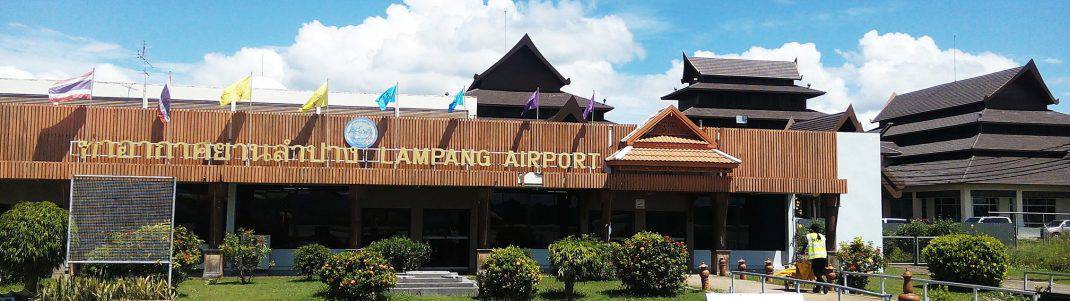
Chiang Mai International Airport is southwest of the Old City. Save your actual terminal or pickup location and check the current transport instructions, rather than selecting an unrelated airport-area business with a similar name.
For buses, Chang Phuak Bus Station is Terminal 1 north of the Old City. The Arcade area northeast of the centre contains Terminals 2 and 3 used by many longer-distance services. Read the terminal on your ticket and save that exact destination; a generic bus-station search can take you to the wrong place.
Chiang Mai Railway Station is east of the Ping River. It is separate from the bus terminals and airport, so an arrival plan should include the journey to your accommodation. Keep the hotel’s full address available as well as its map pin.
Using Digital and Offline Maps
Save a map of the city before travelling and check what information is available offline in your chosen app. A downloaded map may help locate streets without a connection, while live traffic, business updates and some routing features can still need data. Screenshots of your hotel and arrival terminal provide a simple backup.
Search results can use different transliterations, including Chang Khlan or Chang Klan and Chang Phuak or Chang Puak. Compare the address, nearby landmarks and entrance before accepting a result. A shared name or a pin in the middle of a large property does not necessarily identify the visitor entrance.
Group saved places by area and day. If you want to visit a particular restaurant, market stall or ticketed attraction, confirm its current opening arrangements separately; a navigation app’s listing does not guarantee access when you arrive.
Choosing a Walking or Driving Route
Walking works well for short Old City journeys, but heat, rain, narrow footpaths and repeated road crossings affect how comfortable a route feels. A distance that looks modest on screen can become tiring when combined with several temple visits. Allow breaks and choose a vehicle for longer trips where needed.
Red songthaews offer shared or negotiated journeys, so tell the driver your destination and confirm the fare and route. Tuk-tuks and taxis are alternatives, while Grab provides app-based car services in Chiang Mai. Check the selected pickup point and vehicle details rather than relying only on a moving map marker.
Driving routes can be affected by the moat roads, one-way streets, market closures and limited parking. Follow signs on the ground and avoid turning into a narrow lane simply because it appears to shorten the route. When arranging a ride, use a landmark or entrance where the driver can stop safely.
Mapping Day Trips Outside Chiang Mai
Doi Suthep, Hang Dong attractions and Mae Rim require more planning than a walk between Old City temples. Check the actual road route, expected journey and return transport before grouping them into one day. Mountain roads can make travel much slower than the straight-line distance suggests.
Chiang Rai is a separate city and province, not a neighbourhood of Chiang Mai. Attractions such as Wat Rai Cherntawan belong to a Chiang Rai journey. Check the province as well as the place name, especially when a northern Thailand guide displays destinations from several areas on the same map.
Chiang Mai Maps FAQs
What is the easiest landmark for understanding Chiang Mai?
Start with the square Old City moat, then locate Tha Phae Gate on the east and the Ping River farther east. Doi Suthep lies to the west, while the airport is southwest of the historic centre.
Can you walk everywhere in Chiang Mai?
Many Old City sights fit a walking itinerary, but the city extends well beyond the moat. Nimman, transport terminals and outlying attractions may be more comfortable by vehicle, depending on distance and conditions.
Which bus station should you save on your map?
Use the exact terminal on your ticket. Chang Phuak is Terminal 1, while the Arcade area contains Terminals 2 and 3; they are in different parts of the city.
Do offline maps show current opening hours?
Do not rely on downloaded information for current business hours, access or live traffic. Save offline navigation as a backup and confirm time-sensitive arrangements directly before travelling.
Why can two searches show different place names?
Thai names have several English transliterations, and some venues have changed names. Compare addresses, landmarks and entrances rather than choosing a result solely because its spelling matches.
Is Chiang Rai close enough to treat as a city stop?
No. It is a separate journey outside Chiang Mai. Plan transport and the wider itinerary accordingly, and check the province when a map shows attractions across northern Thailand.







Do You Have a Question to Ask?