


















































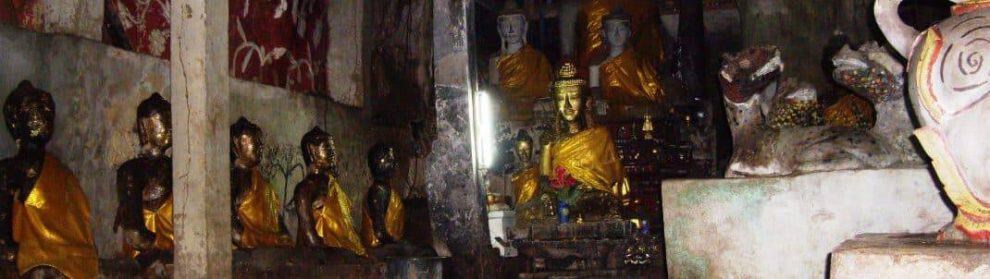
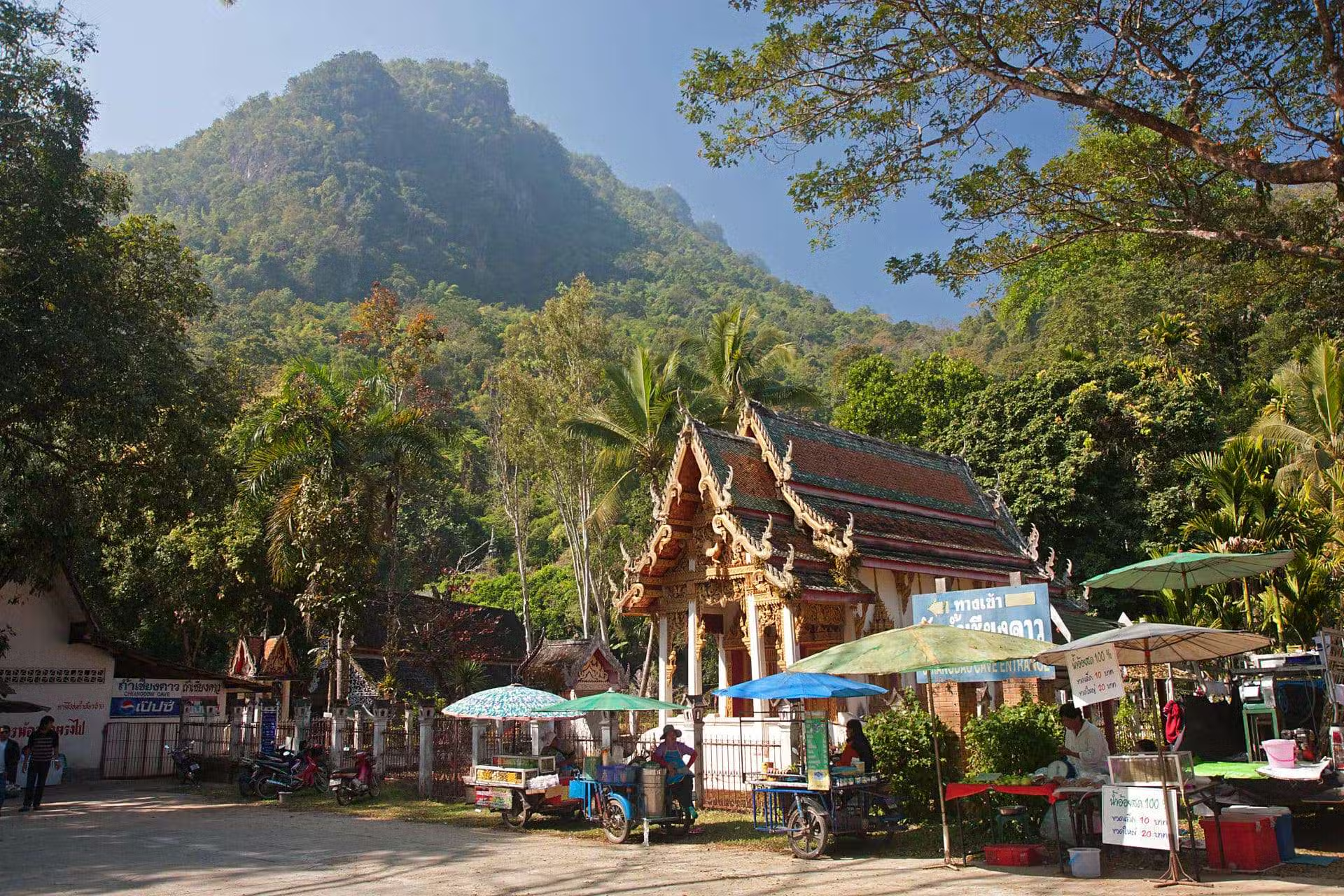
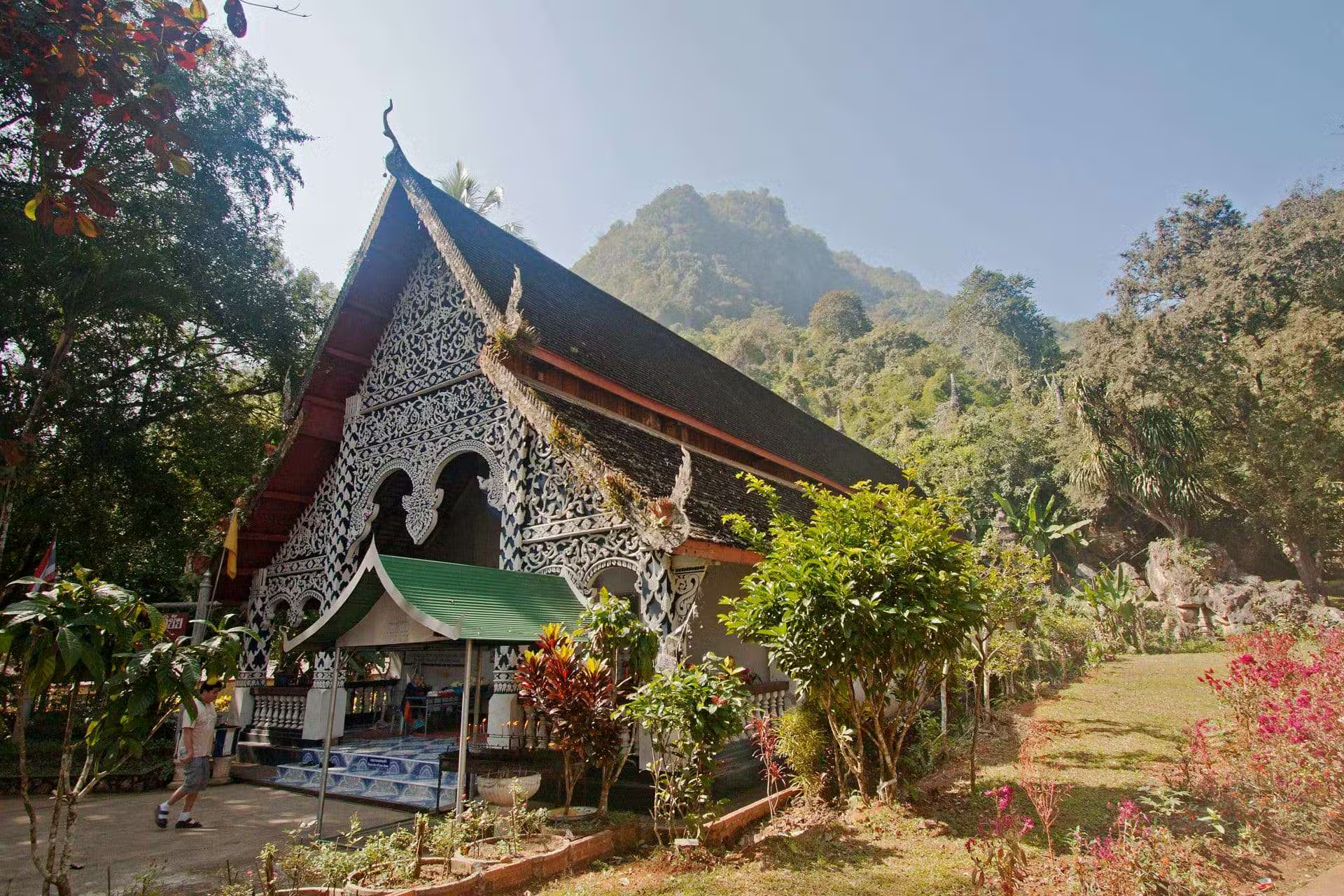
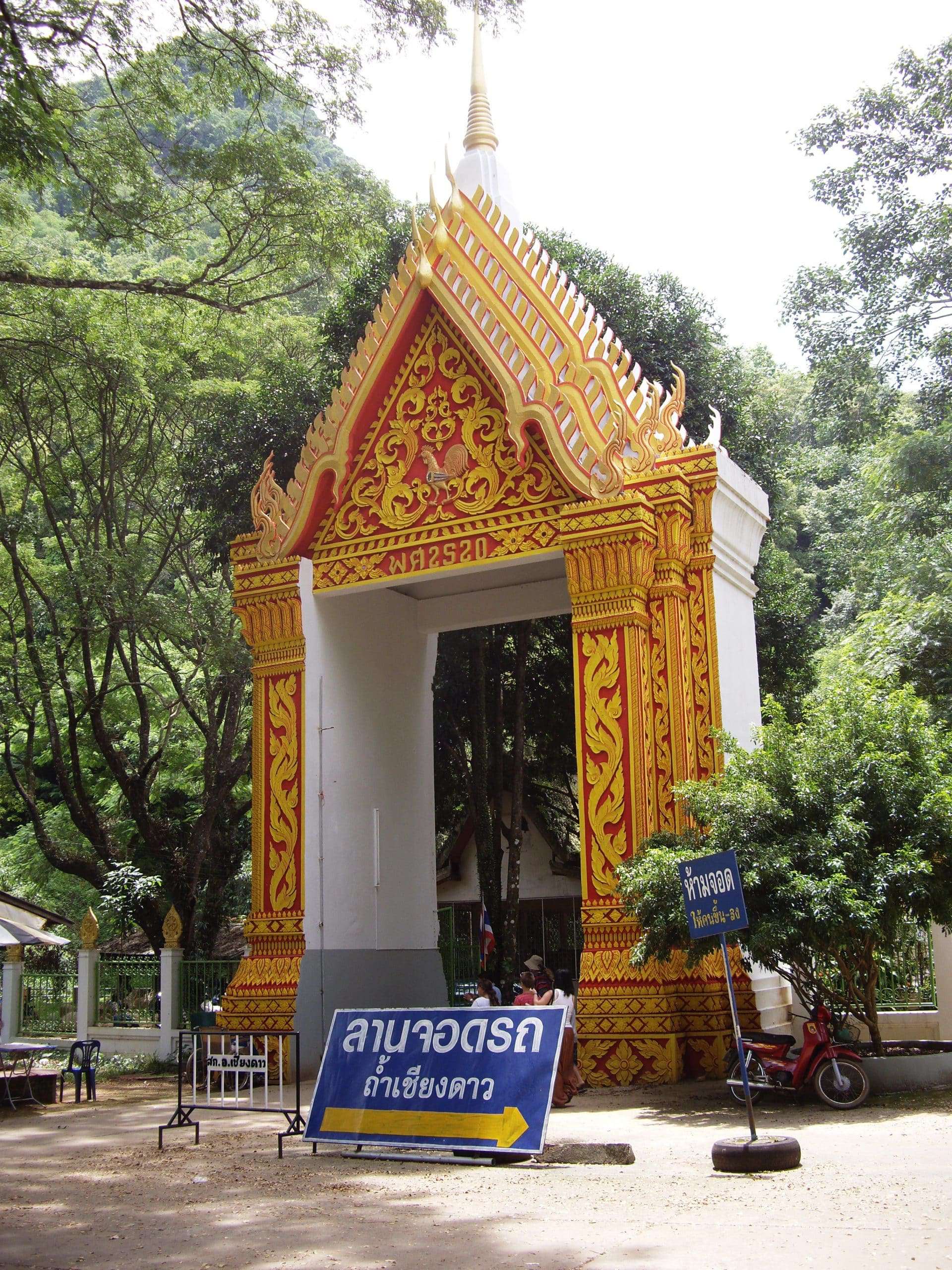
Chiang Dao Cave, or Tham Chiang Dao, brings limestone caverns and Buddhist shrines together at the foot of Doi Luang Chiang Dao, north of Chiang Mai. The visit begins at Wat Tham Chiang Dao and continues underground, where rock formations share the chambers with Buddha images and devotional spaces.
There are two different ways to experience the cave: follow the illuminated visitor route independently, or arrange a local lantern guide for the darker passages. That choice matters more than the cave system’s overall size, because visitors explore only a managed portion of the mountain’s underground network.
The Illuminated Cave and Buddhist Shrines
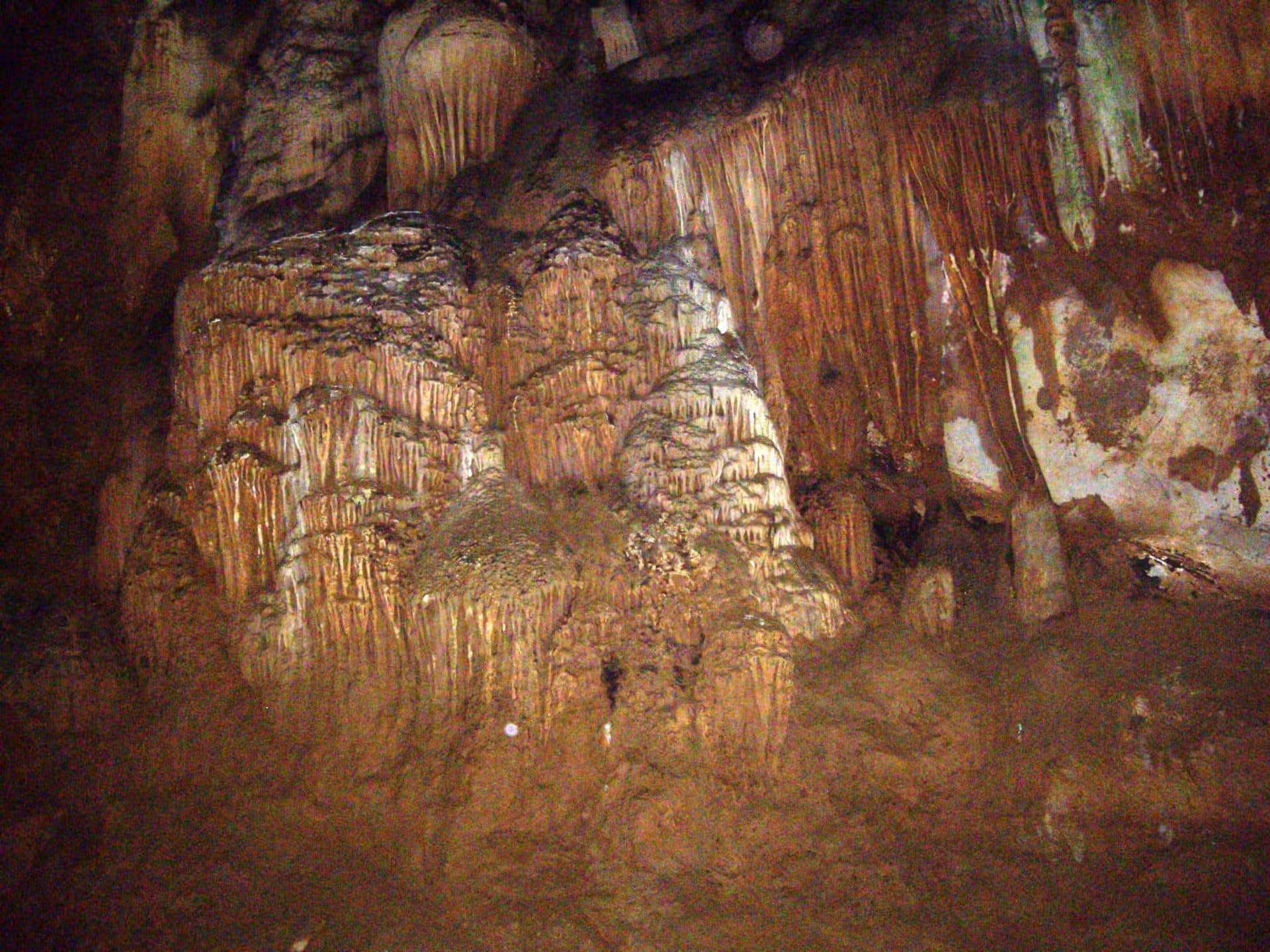
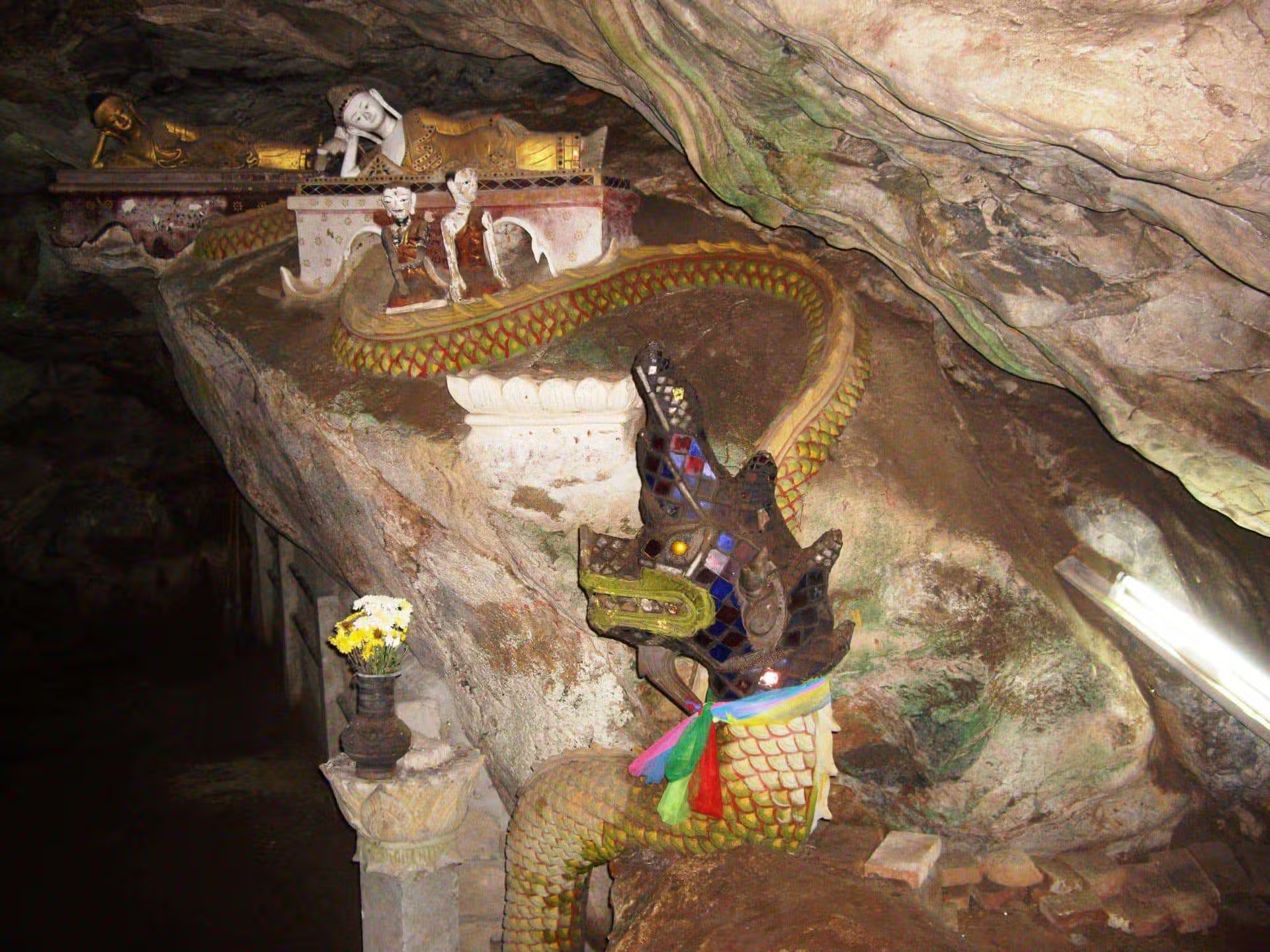
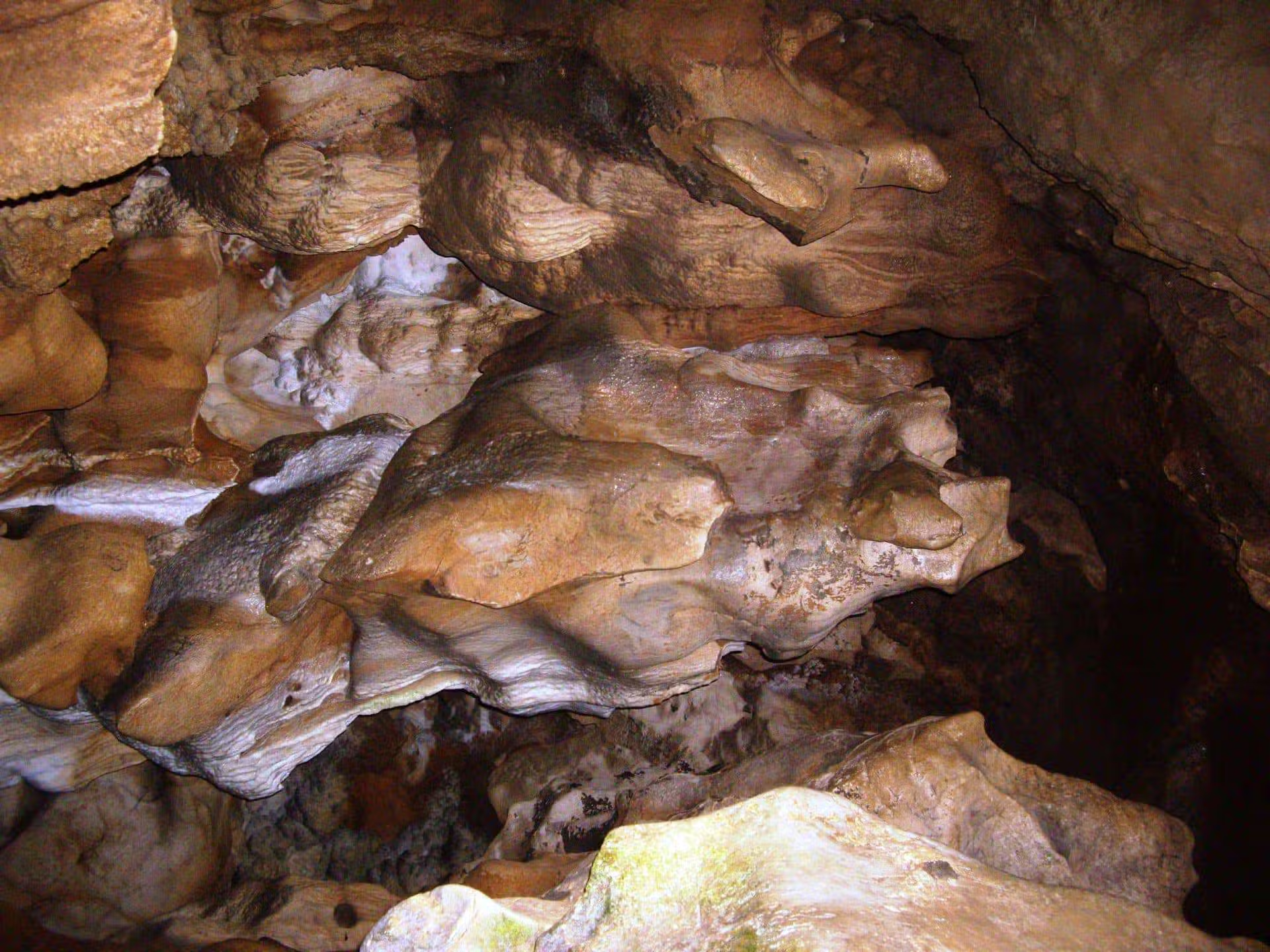
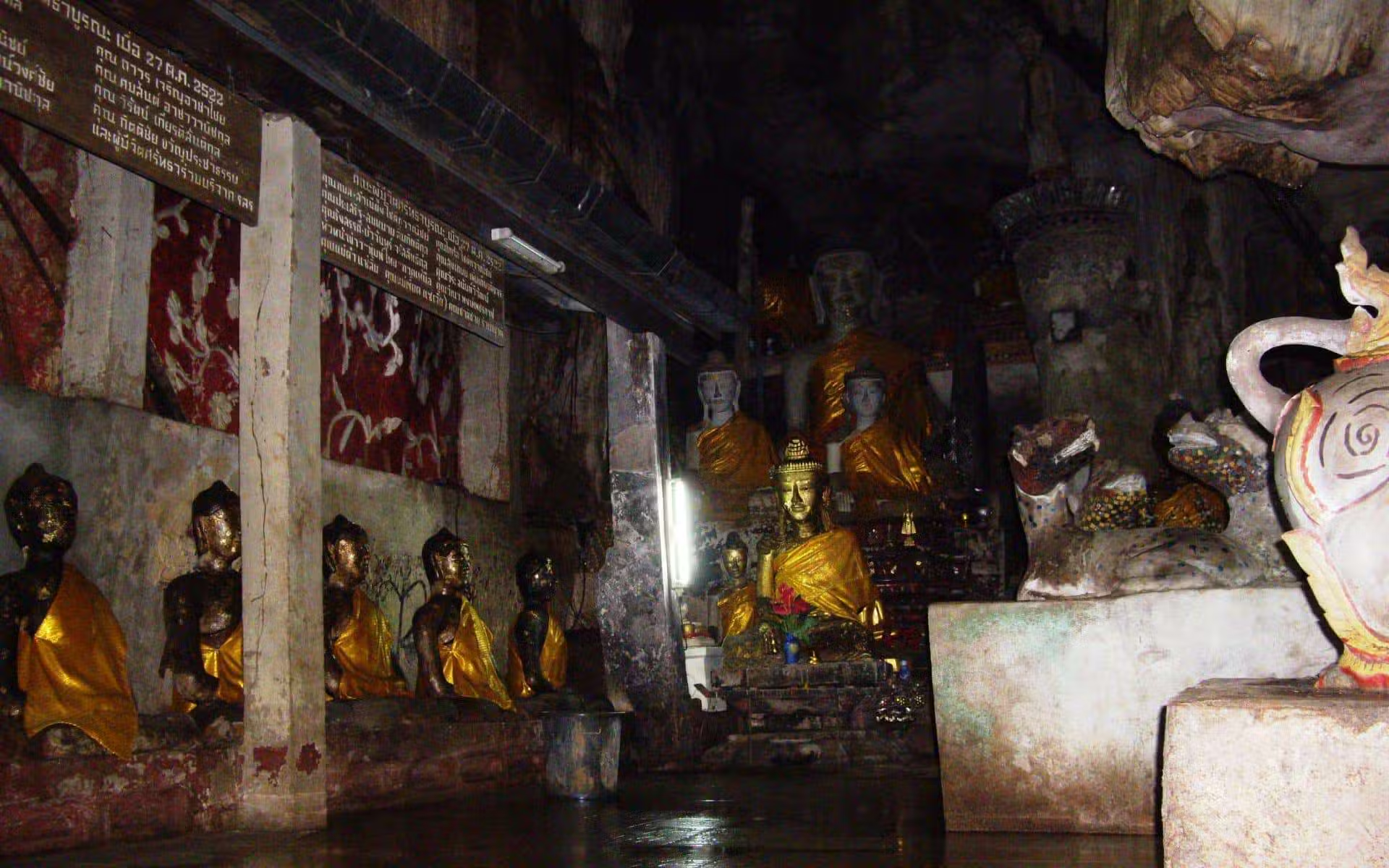
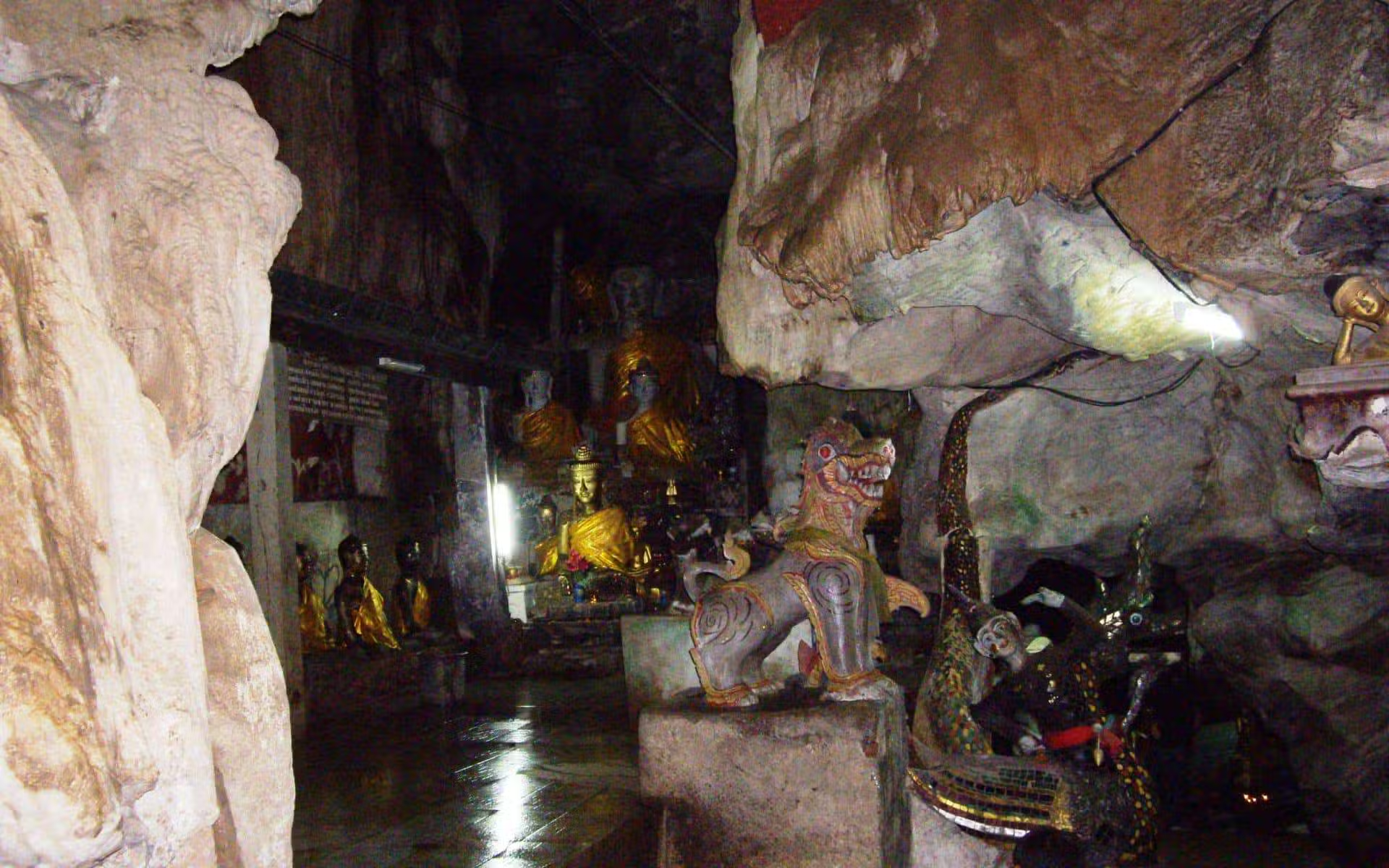
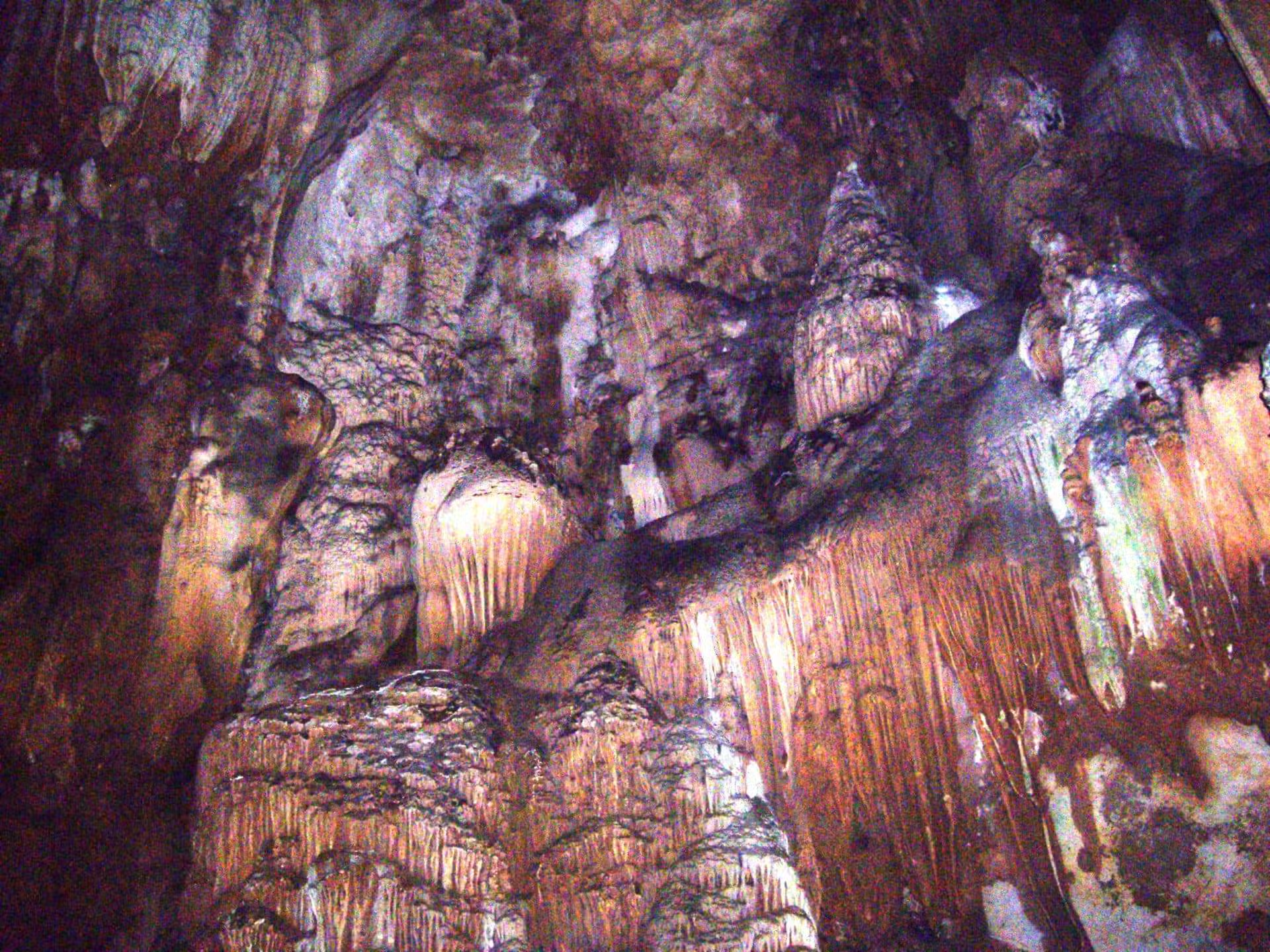
The main visitor route uses electric lighting to reveal the limestone chambers and their religious images. Follow the permitted walkway, pausing to look at stalactites hanging from the ceiling and stalagmites rising from the floor, rather than expecting one uninterrupted tunnel of identical scenery.
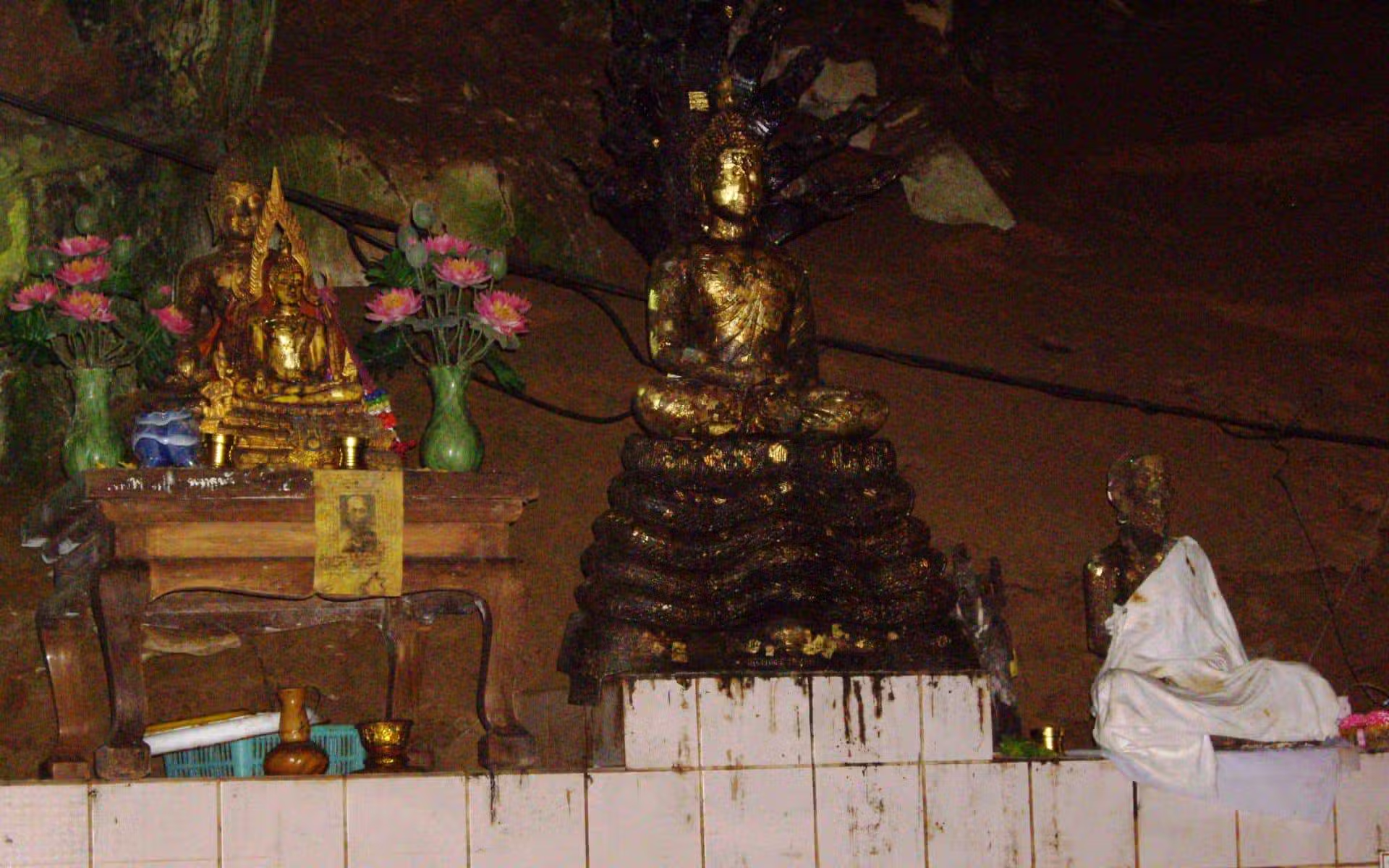
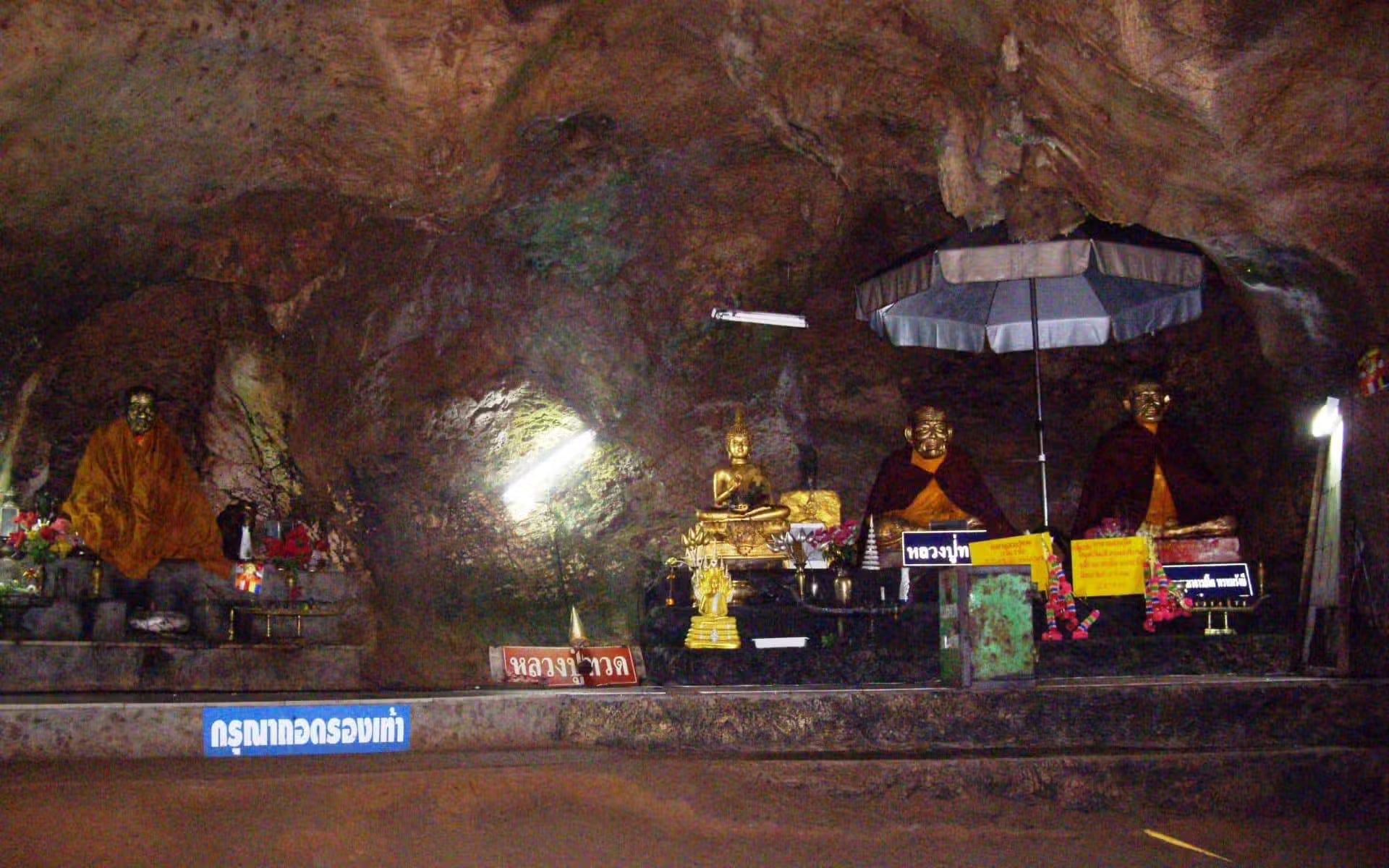
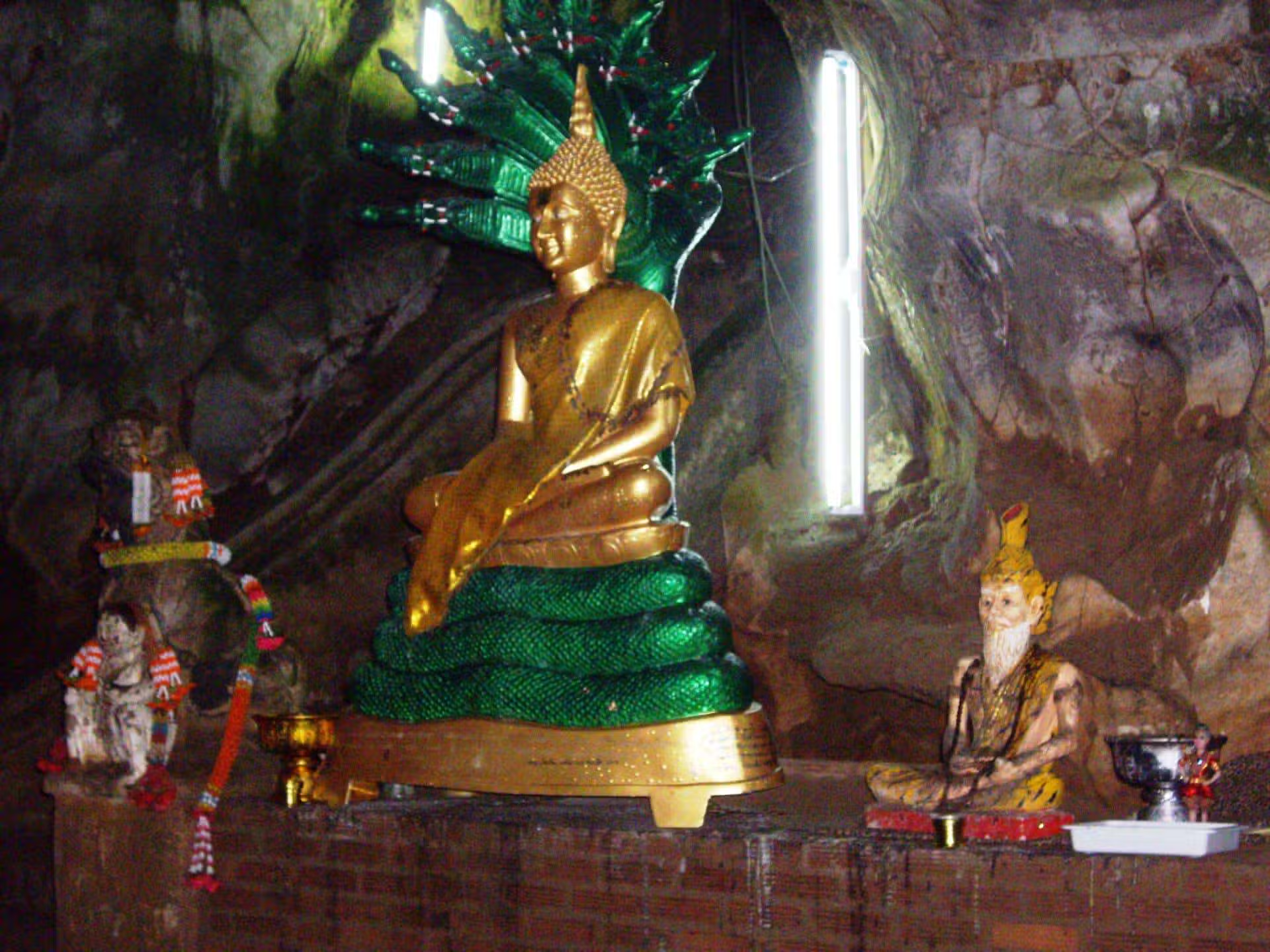
Tham Phra Nawn is one of the named chambers associated with the illuminated visit. The shrines and Buddha images give the route a temple character as well as a geological one, so explore quietly and follow instructions around sacred areas.
Lighting makes this section more straightforward than the dark branches, but does not make the ground completely level. Watch for steps, damp surfaces and low rock, and keep children close where the path changes height or narrows.
Choosing the Lantern-Guided Passages
Local guides lead visitors into darker parts of the cave with a lantern. The shifting light picks out formations in a different way from the fixed lighting, and the route feels more enclosed as it passes through low or narrow sections.
Ask which passages are open and what the proposed circuit involves before paying. The network includes chambers known as Tham Maa, Tham Kaew and Tham Naam, but access to a named cave does not mean its entire length is available as a visitor route.
Stay with the guide and follow the demonstrated route through any crouching or squeezing sections. A personal torch can help you see your footing, but it does not replace the guide or give permission to enter an unlit branch independently.
The guided option may be unsuitable if confined spaces, darkness or bending and scrambling are difficult for you. A visit to the illuminated section and temple grounds can still be worthwhile; choose the route you can comfortably complete rather than assume everyone should take the longer circuit.
The Temple Grounds and Cave Legends
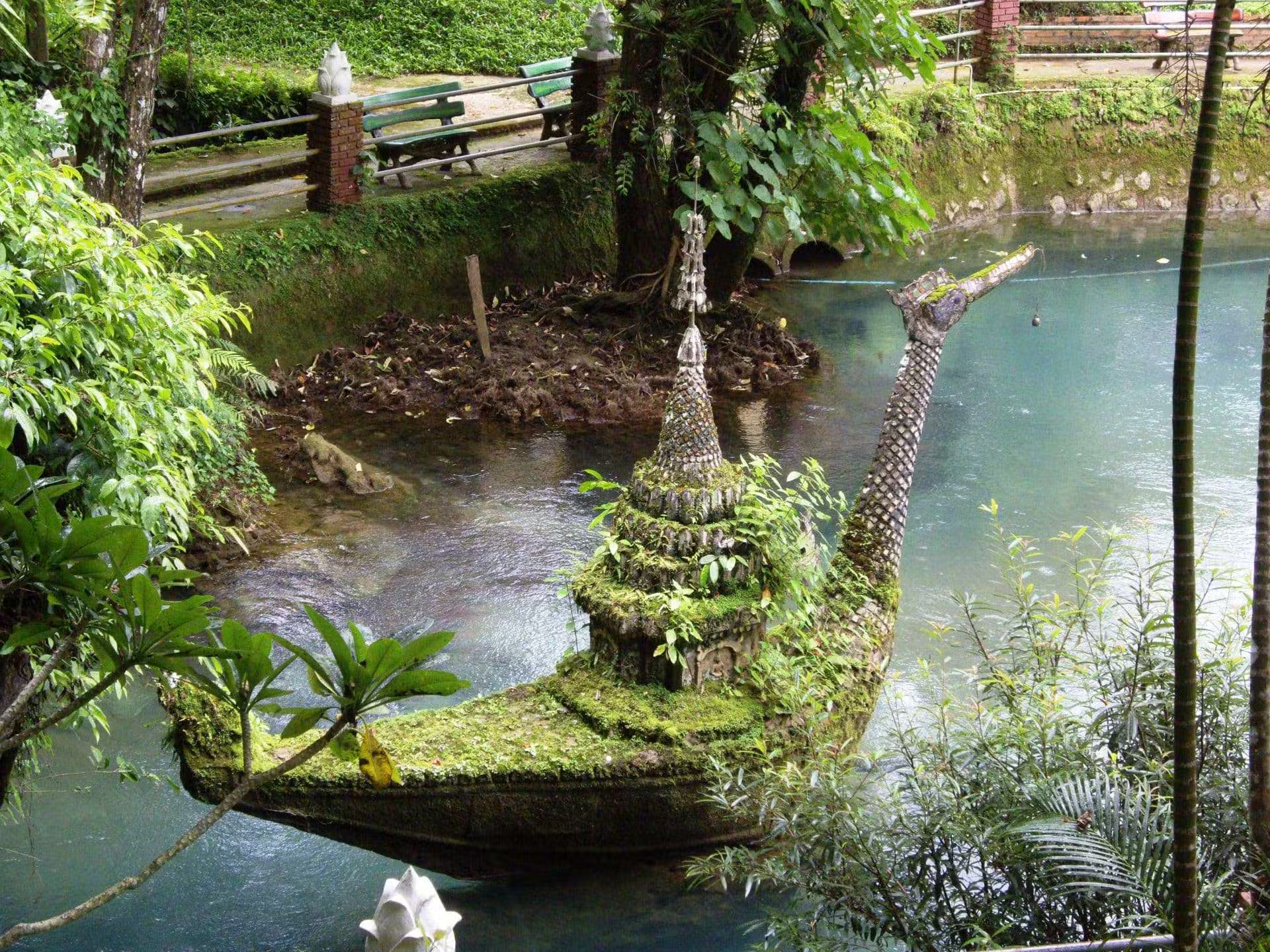
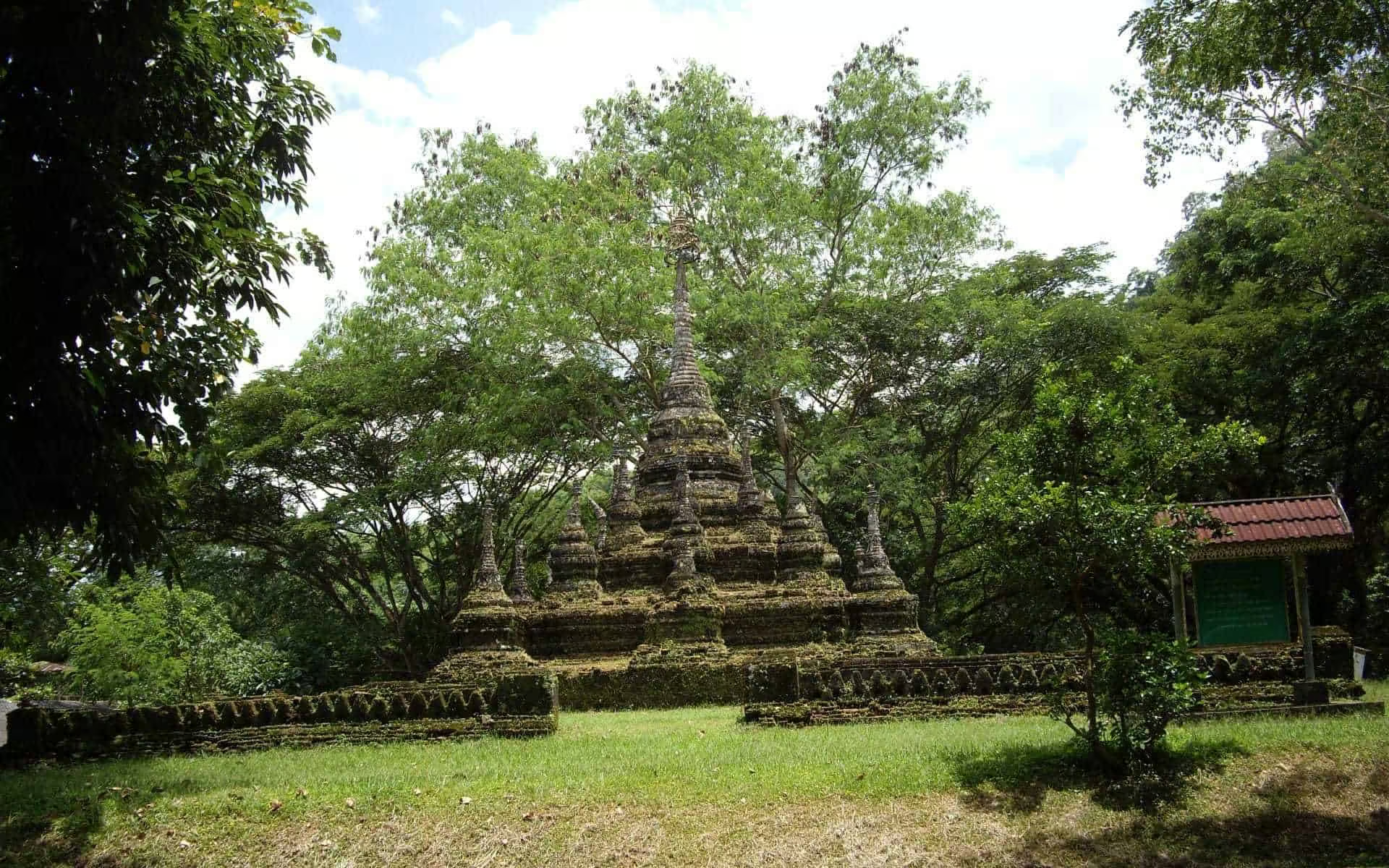
Before or after entering, spend time around the temple and the pool beside the cave approach. The water, shrines and mountain setting make the outdoor area part of the outing, especially if someone in your group prefers to remain outside.
Local stories tell of a hermit who lived in the cave for a thousand years and supernatural wonders hidden deep within the mountain. Treat these as the cave’s folklore rather than features you will necessarily see on a tour; they help explain the sense of mystery attached to the place.
Leave rocks and formations undisturbed and avoid touching delicate surfaces. The cave is both a natural environment and a religious site, so follow the local instructions even where a formation looks close enough to reach.
Entry Fees, Guide Costs and Visiting Hours
The usual cave visiting window is around 8am to 5pm daily, with weather and temple activities affecting access. Arrive with enough time to choose a route and return comfortably, rather than treating closing time as the last moment to begin a guided circuit.
Adult cave entry is normally 40 THB per person. A lantern-guided visit is commonly around 200 THB per group in addition to entry; confirm the group size, route and what the quoted fee includes before setting off, and ask separately about any suggested gratuity.
Bring cash in small denominations. If joining an organised Chiang Mai excursion, check whether cave admission and the local guide are included in the tour price, as a transfer package does not necessarily cover both.
Time, Clothing and Facilities
Allow around 30 to 60 minutes for the illuminated route, with more time for a guided circuit and the temple grounds. A complete stop can take one to two hours depending on the route, waiting and how long you spend looking at the formations.
Wear shoes with grip and clothing that lets you bend comfortably while covering shoulders and knees. Carry drinking water and keep your hands free for uneven sections; take care with a camera when moving under low rock or through a tight passage.
There are parking, toilets and small food or souvenir outlets around the temple area, with more eating options in Chiang Dao. Use facilities before entering and confirm the path with staff if steps, uneven surfaces or confined spaces would affect your visit.
Getting There from Chiang Mai
The cave is roughly 75 kilometres north of Chiang Mai by road. Follow Route 107 through Mae Rim and Mae Taeng towards Chiang Dao, then take the signed road west towards Wat Tham Chiang Dao; the final approach is several kilometres from the main highway.
Allow around one and a half to two hours from central Chiang Mai depending on traffic and stops. A car, private driver or organised excursion is practical if you also want to visit nearby places and spend longer inside the cave.
Buses towards Chiang Dao leave from Chang Phueak Bus Terminal, separate from the Arcade long-distance complex. Confirm a service that stops at Chiang Dao and arrange local transport for the final journey to the cave, including the return pickup; the town stop is not the cave entrance.
Wat Tham Pha Plong is another religious site in the surrounding foothills and can be combined with the cave if your transport and timing allow. Its stepped approach is a separate physical activity, while hiking Doi Luang Chiang Dao requires its own access arrangements and is not included in a cave visit.
Chiang Dao Cave FAQs
Do you need a guide for the whole cave?
The illuminated visitor route can normally be explored independently. Hire a local lantern guide for the darker passages and follow the route currently permitted by staff; a torch alone does not authorise access.
How much does a visit cost?
Adult cave admission is usually 40 THB per person, with a lantern-guided circuit commonly around 200 THB per group extra. Confirm the route, group size and inclusions before paying, and bring cash.
Is the dark route difficult?
It can involve uneven ground, low ceilings and narrow sections where bending or crouching is necessary. Ask the guide about the actual circuit and choose the illuminated route if those conditions would be uncomfortable.
How long should you allow?
Around 30 to 60 minutes suits the illuminated section. Allow longer for a guided circuit and the temple grounds, plus the road journey if visiting from Chiang Mai.
What should you wear?
Wear grippy footwear and clothes that allow bending while covering shoulders and knees. Follow shrine instructions, watch your head under low rock and keep children close on uneven sections.
Can you get there by public transport?
Take a suitable Chiang Dao service from Chang Phueak Bus Terminal and arrange a local ride from the town or highway stop to the cave. Confirm the return connection before entering, as the cave is not beside the main road.
Does cave admission include a mountain hike?
The cave is a separate visit from Doi Luang Chiang Dao hiking. Mountain routes have their own permission and seasonal arrangements, so organise them independently rather than continuing uphill on the strength of a cave ticket.









.jpg)
.jpg)
.jpg)
.jpg)
.jpg)
.jpg)
.jpg)
.jpg)
.jpg)
.jpg)
.jpg)
.jpg)
.jpg)

Do You Have a Question to Ask?