













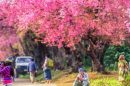














Doi Ang Khang is a highland area in northern Chiang Mai province where cool-weather gardens, agricultural research and mountain viewpoints form the main visitor experience. The Angkhang Royal Agricultural Station provides the clearest introduction, with ornamental planting and temperate crops showing how a mountain landscape became a centre for the Royal Project’s work.
Beyond the station, the appeal is the wider setting: ridges, tea-growing slopes and the possibility of sunrise or mist views at Kiu Lom. These are separate parts of a mountain visit, linked by winding roads rather than a single entrance circuit. Allow time for the journey and changing weather, particularly if travelling from Chiang Mai city.
The Royal Agricultural Station
Gardens, flowers and bonsai
The station is a working research and development site as well as a visitor attraction. Its ornamental gardens provide the easiest starting point, with flowering displays, planted paths and bonsai offering different scales of detail. Roses and other temperate flowers are associated with the site, though individual beds and species change with the season.
Take time to walk through the garden areas instead of trying to identify one guaranteed seasonal display. A morning visit can be comfortable for exploring, while rain or mist may give the planting a different atmosphere. Ask staff which sections are open and where the current highlights are, particularly when arriving outside the busiest flowering period.
Garden paths and research areas have different purposes. Follow the public visitor route, and do not enter greenhouses or cultivation plots simply because they appear on a map. Photography should respect signs and the work taking place around the displays.
Temperate crops and the Royal Project
Founded in 1969, Angkhang was the first Royal Project research station. Its work helped develop alternatives to opium cultivation through crops suited to the highland climate. The station’s agricultural story is central to the visit, rather than a background detail to the flowers.
Research and production encompass temperate fruit, vegetables, flowers, tea and coffee. Peaches, plums, persimmons, strawberries and other crops illustrate the contrast with lowland tropical agriculture. What visitors can see growing depends on the time of year and which demonstration areas are open; harvesting or access to every research plot is not included automatically.
This context is particularly useful for families or visitors interested in food. The gardens show the decorative side of the climate, while the crop areas explain how cultivation supports livelihoods in the region. A guided explanation, where available, can add more than simply walking past rows of unfamiliar plants.
Tea slopes and mountain viewpoints
Tea Plantation 2000 and the wider landscape
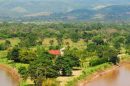
Tea-growing slopes, including the area known as Tea Plantation 2000, are among the mountain’s recognisable scenes. The lines of planting follow the contours and give photographs a very different character from the station’s flowerbeds. They are part of the broader Ang Khang itinerary rather than a promise that one station ticket opens every field or viewpoint.
Ask locally about the appropriate viewing point and any visitor restrictions before driving or walking into an agricultural area. Tea plots are working land, so keep to permitted routes and avoid stepping between plants for a better angle. Weather, access and the direction of the light can matter more than arriving at a particular advertised photo spot.
Sunrise and mist at Kiu Lom
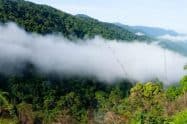
Kiu Lom, also spelt Kiew Lom, is a viewpoint associated with sunrise and mountain mist. A clear horizon can reveal layers of ridges, while suitable conditions may produce cloud below the viewing area. Neither sunrise colour nor a sea of mist is guaranteed, and fog can sometimes obscure the landscape altogether.
An early start is easier when staying nearby. If travelling before dawn, organise transport with someone familiar with the mountain roads and bring a warm layer. Allow room for changing visibility and crowds instead of relying on a precise photograph being available at a fixed minute.
When to visit and how much time to allow
The cooler months, particularly around November-January, are popular for comfortable daytime walks, cold mornings and seasonal flowers. Flowering dates vary from year to year, so choose the trip for the overall highland experience rather than one promised bloom. Nights and exposed viewpoints can feel markedly colder than Chiang Mai city.
Wet-season visits can bring green slopes and dramatic cloud, along with slippery surfaces and reduced road visibility. Check local conditions before setting off, and leave time to adjust the route if rain makes a planned stop unsuitable. Bring layers and rain protection rather than assuming that northern Thailand’s mountain weather will match the city forecast.
A day on the mountain can combine the station with a viewpoint or tea-landscape stop. From Chiang Mai city, the drive takes several hours each way, making a same-day excursion demanding. An overnight stay allows a gentler pace and makes sunrise more practical without a long drive in darkness.
Admission and planning an overnight stay
Plan a daytime visit to the Royal Agricultural Station and allow time for its managed garden areas. Admission, vehicle access and individual sections follow the station arrangements; they are separate from the access rules at other stops on the mountain.
Book accommodation separately if you plan to stay overnight, and confirm its location relative to the station and your chosen viewpoint. Room availability can be limited during popular cool-season weekends. A village stay, station-related accommodation or another local property may have different check-in, meal and transport arrangements, so establish these before arriving late.
Allow time to eat as part of the itinerary, particularly when travelling with children or starting before dawn. Confirm local dining hours and what your accommodation provides. A working agricultural station does not mean every crop is available for purchase or that every meal uses produce from the site.
Reaching Ang Khang safely
The main approach from Chiang Mai follows Highway 107 north towards the Chai Prakan and Fang area, then Route 1249 west into the mountains. The climb is steep and winding, with bends and gradients that require confident driving. The short distance shown for the final climb should not be mistaken for an easy road transfer.
A driver experienced with the area is a sensible choice for visitors unfamiliar with mountain roads. Confirm the full route and return arrangements, especially for an overnight stay or sunrise outing. Leave a daylight margin for the return journey and do not assume that a small hired scooter will be suitable for your experience, passengers and luggage.
The Royal Agricultural Station is in Mae Ngon, Fang district. Use its exact name for navigation when that is your first stop: a broad Doi Ang Khang map result may point to a mountain location rather than the station entrance. Ask locally about any proposed alternative road near the border, rather than choosing a shortcut solely because it appears shorter online.
Doi Ang Khang FAQs
What is the main attraction?
The Angkhang Royal Agricultural Station is the principal starting point, with gardens, ornamental planting and the story of temperate-crop development. Tea landscapes and viewpoints add separate stops around the mountain.
Is it a single national park visit?
Plan it as a highland area with distinct managed attractions and working agricultural land. The station has its own admission and hours, while viewpoints, tea areas and accommodation have separate access arrangements.
When is the best time for flowers?
The cool season is popular, particularly around November-January, but individual blooms vary with conditions and planting. Check current garden highlights if a particular flower display is the main reason for your trip.
Will I see a sea of mist?
Mist views at Kiu Lom depend on weather and visibility. Arriving early improves your chance of seeing the morning landscape, but cloud may be absent or may obscure the view entirely.
Can I visit from Chiang Mai in one day?
Yes, with suitable transport and an early start, but the drive takes several hours each way. Staying nearby is more comfortable if you want sunrise, several stops or a slower garden visit.
How difficult is the road?
The Route 1249 climb is steep and winding. Choose an experienced driver if you are unfamiliar with mountain roads, allow extra time in poor weather and avoid a rushed return after dark.
What should I bring?
Bring walking shoes, water, a warm layer and weather protection. Cold mornings, sun and rain can all occur during a mountain visit, with uneven or slippery ground affecting the walking route.




Do You Have a Question to Ask?