






























Wat Saen Fang is a Buddhist temple reached through a narrow approach off Tha Phae Road, east of Chiang Mai’s Old City. Its elaborate chedi, decorated halls and royal-building connection make it an interesting architectural stop between Tha Phae Gate and the riverside market district.
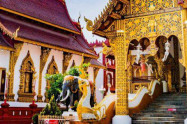
The transition from the busy road to the compound is part of the experience. Follow the naga-lined approach and take time to look at the different buildings, whose details bring together Lanna and Burmese influences. Plan a daylight visit and confirm current gate and hall access before making a special journey.
The Chedi and Its Decorative Details
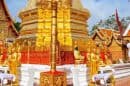
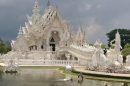
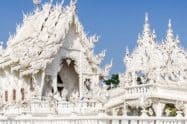
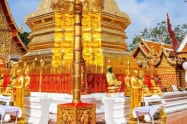
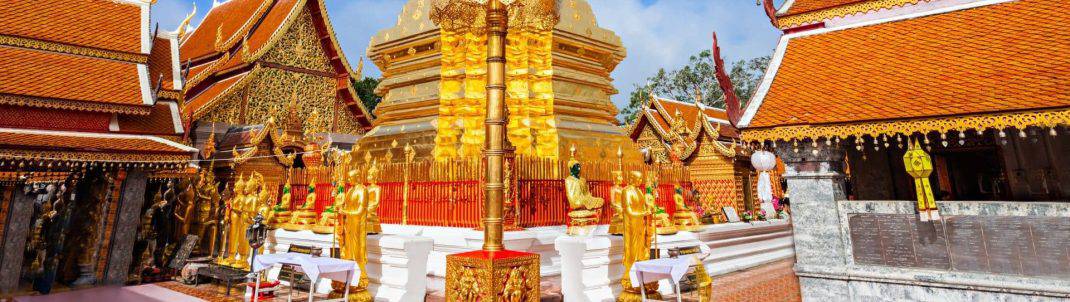
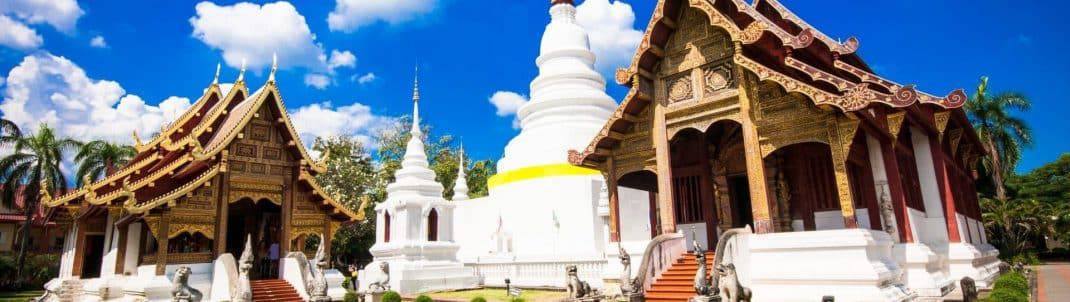
The chedi is the temple’s principal landmark, with a pale bell-shaped body, gilded elements, glass-mosaic decoration and a tiered umbrella at the top. Smaller stupas around the base add detail to the wider composition. Looking from a little distance helps you appreciate the whole structure before moving closer to the decoration.
The combination of white, gold and reflective surfaces changes with the light. A slow walk through the permitted grounds gives different views of the chedi alongside the roofs of the nearby halls. Do not climb onto the base or cross barriers to get a photograph, and keep clear of anyone making offerings.
The Royal Residence and Temple Halls
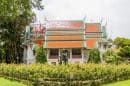
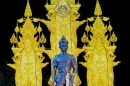
The main wihan incorporates a former residence associated with Chiang Mai ruler Kawirolot, adapted for religious use in the nineteenth century. Its gold-and-red decoration rewards a closer look from the public approach. This royal connection gives the building a different history from a hall originally designed only for worship.
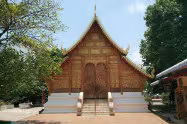
The ordination hall brings together Lanna and Burmese forms, with mythological half-human, half-bird figures among its ornament. Look along the upper building details as well as the entrance. Halls are religious spaces, so the extent of a visit depends on which doors are open and whether ceremonies are taking place.
The compound is best appreciated as a group of related structures rather than a single photo stop. Rooflines, carvings, mosaic and the chedi each contribute something different. Move slowly through the accessible areas and leave residential or restricted sections to the temple community.
Visiting Arrangements and Temple Etiquette
General entry is normally free, with donations welcome. Access to the grounds and individual halls can change, so check locally before travelling specifically for an interior visit. Daytime is the most useful window for looking at the architecture; do not assume the buildings follow nearby shops’ or markets’ hours.
Allow around 30 to 45 minutes if the public compound is accessible and you want to look at the architectural details. You may need less time if only the approach or some outdoor areas are open. Keep the rest of your itinerary flexible rather than depending on entry to one particular hall.
Cover shoulders and knees, remove shoes where indicated and keep voices low. Ask before photographing monks or worshippers and follow any interior photography restrictions. Donations belong in the appropriate box or should be made as staff direct; they do not purchase access to a closed space.
Getting There from Tha Phae Gate
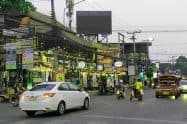
Wat Saen Fang is at 188 Tha Phae Road in Chang Moi, roughly 500 to 600 metres east of Tha Phae Gate. Walk east along the road and look for the temple’s gateway and narrow approach leading back from the street. The compound is outside the Old City moat, despite being easily included in an Old City walking itinerary.
The route can be combined with other Tha Phae Road temples and the Warorot Market area farther towards the Ping River. Use pedestrian crossings where available and watch for traffic at side streets. The narrow temple entrance is not a suitable roadside waiting area for a group vehicle.
If arriving by taxi, tuk-tuk or songthaew, use the temple name and Tha Phae Road address, then walk the final approach. Ask about current visitor access first if your trip is mainly to see the halls; the surrounding neighbourhood provides alternative stops if your intended building is closed.
Wat Saen Fang FAQs
What makes Wat Saen Fang distinctive?
Its chedi combines a pale bell-shaped body, gilding, glass mosaic and smaller stupas, while the halls show Lanna and Burmese influences. The former royal residence adapted as a wihan adds another reason to look closely.
Where is the temple entrance?
It is off Tha Phae Road at number 188 in Chang Moi, around 500 to 600 metres east of Tha Phae Gate. Look for the gateway and narrow approach leading away from the main road.
Can you enter all the buildings?
Access depends on current temple arrangements. Confirm locally if you are travelling specifically to see an interior, and respect closed doors, ceremonies and restricted residential areas.
Is there an admission charge?
General entry is normally free, with donations welcome. Check current gate access before making a special trip; an offering does not give permission to enter a closed hall.
How long should you allow?
Around 30 to 45 minutes suits a look at the accessible compound and decoration. Allow less if only some outdoor areas are open, and combine the stop with a Tha Phae Road walk.
What should you wear?
Cover shoulders and knees, and remove shoes at the marked places before entering a hall. Keep photography discreet and follow signs or staff instructions around worship and ceremonies.






Do You Have a Question to Ask?