





























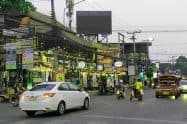
















Chinatown Chiang Mai is the compact market quarter around Warorot Market and Ton Lam Yai Market, east of the Old City near the Ping River. Food stalls, fabric shops, gold shops, Chinese-style storefronts and a riverside flower market make it a rewarding area to explore on foot.
This is an everyday shopping district rather than a single attraction with an entrance gate or one opening schedule. Come during the day to browse the covered markets and surrounding lanes, then take time for northern Thai snacks and the flower sellers along the river.
Warorot and Ton Lam Yai: The Market Core
Warorot Market, known locally as Kad Luang, anchors the neighbourhood around Wichayanon Road and the eastern end of Chang Moi Road. Its busy food-selling areas draw shoppers looking for fresh ingredients, prepared dishes and packaged northern Thai foods. Clothing, fabric and household goods add another side to the visit beyond a quick street-food stop.
Neighbouring Ton Lam Yai extends the market district towards the Ping River. Move between the buildings and outside stalls at street level, keeping an eye out for deliveries and traffic; do not assume that every upper-floor connection provides a public shortcut. The covered interiors and outdoor trading areas have different rhythms, so explore both if you have time.
The best approach is to browse before purchasing. Look at several stalls, ask what an unfamiliar item is and check whether food is ready to eat or needs preparation. Signs and labels may be in Thai, but pointing to the item and confirming the quantity is usually more useful than expecting every vendor to have an English menu.
Food, Textiles and Flowers
Northern Thai sausage, or sai ua, chilli dips, crispy pork rinds and other regional snacks are useful starting points for food browsing. Prepared-food and sweet stalls offer small purchases for an informal lunch, while dry ingredients and packaged goods suit visitors shopping for an apartment kitchen or edible gifts.
Ask about ingredients if you avoid meat or seafood: chilli dips, soups and seemingly vegetable-based dishes can include animal products. For food to take away, ask about storage and shelf life, especially if travelling in the heat. Check your destination’s food-import conditions before buying products to carry overseas.
Textiles and the Riverside Flower Stalls
Fabric, clothing and craft stalls provide a different pace from the busiest food aisles. Nearby Hmong-market vendors add embroidered textiles, bags and decorative products to the district’s shopping mix. If you want a handmade or locally produced item, ask where it was made rather than treating every souvenir as the work of the seller.
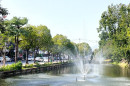
The riverside flower stalls are another distinctive part of the area, with cut flowers, garlands and floral offerings bringing colour to the street. They are working businesses, so give sellers room to handle stock and ask before photographing someone closely. Their trading hours differ from the shops inside the covered markets.
Chinese Heritage and the Surrounding Streets
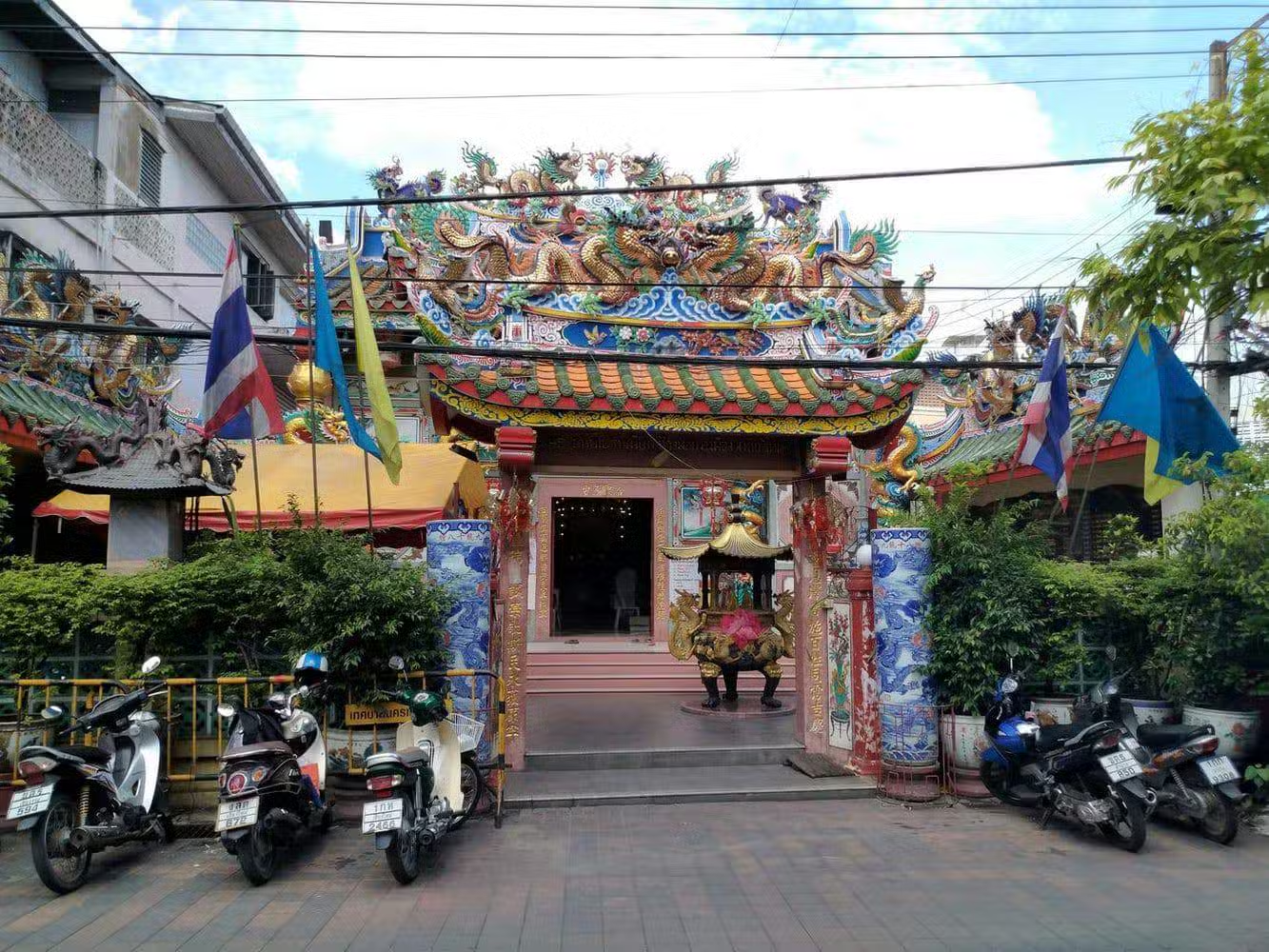
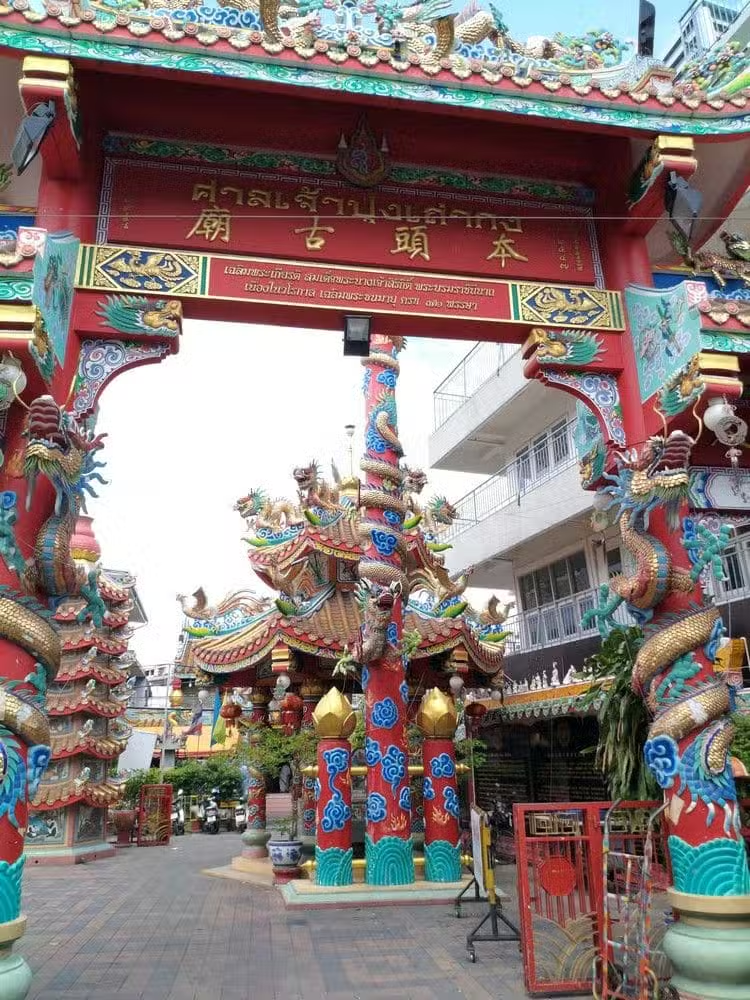
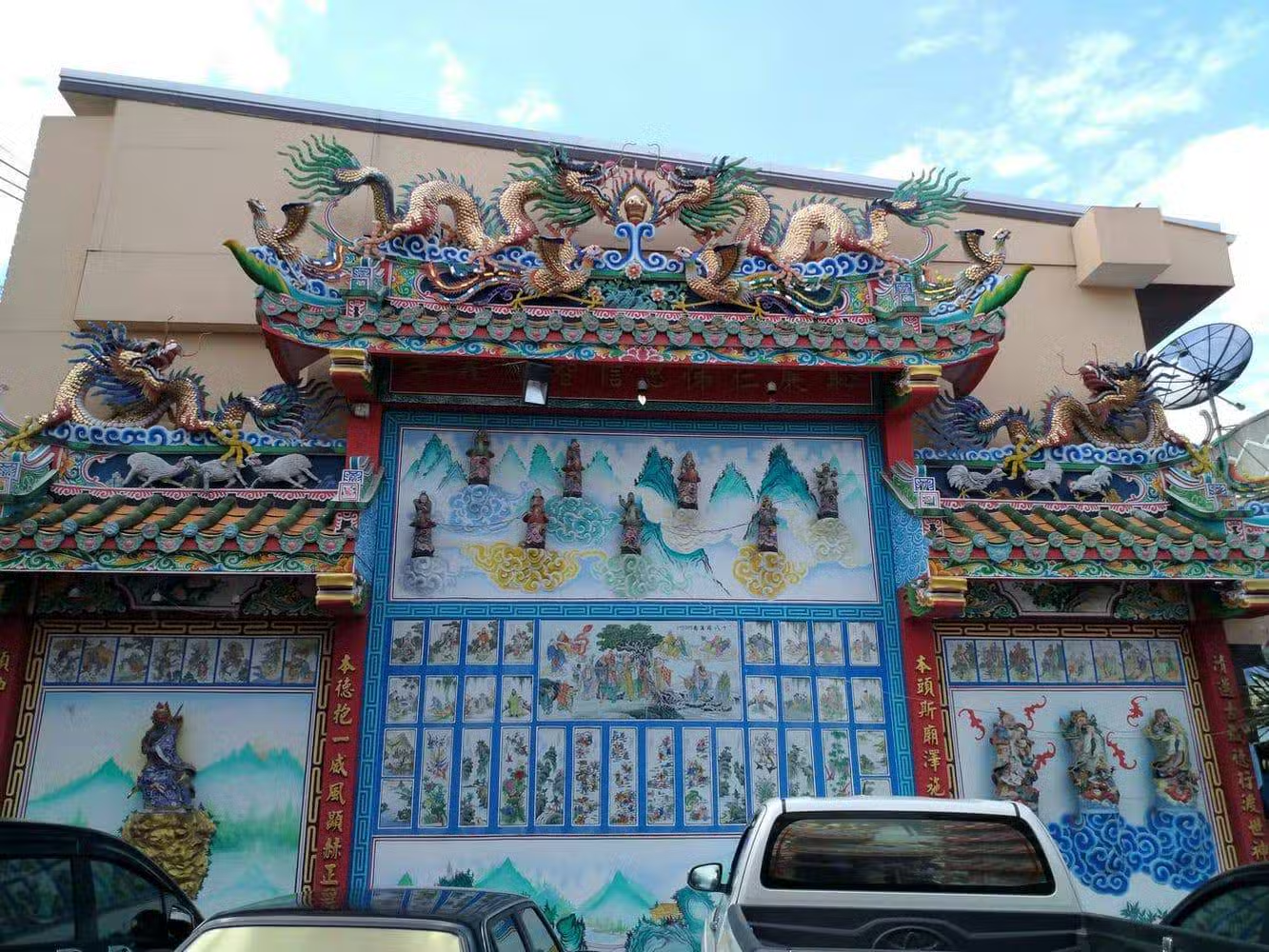
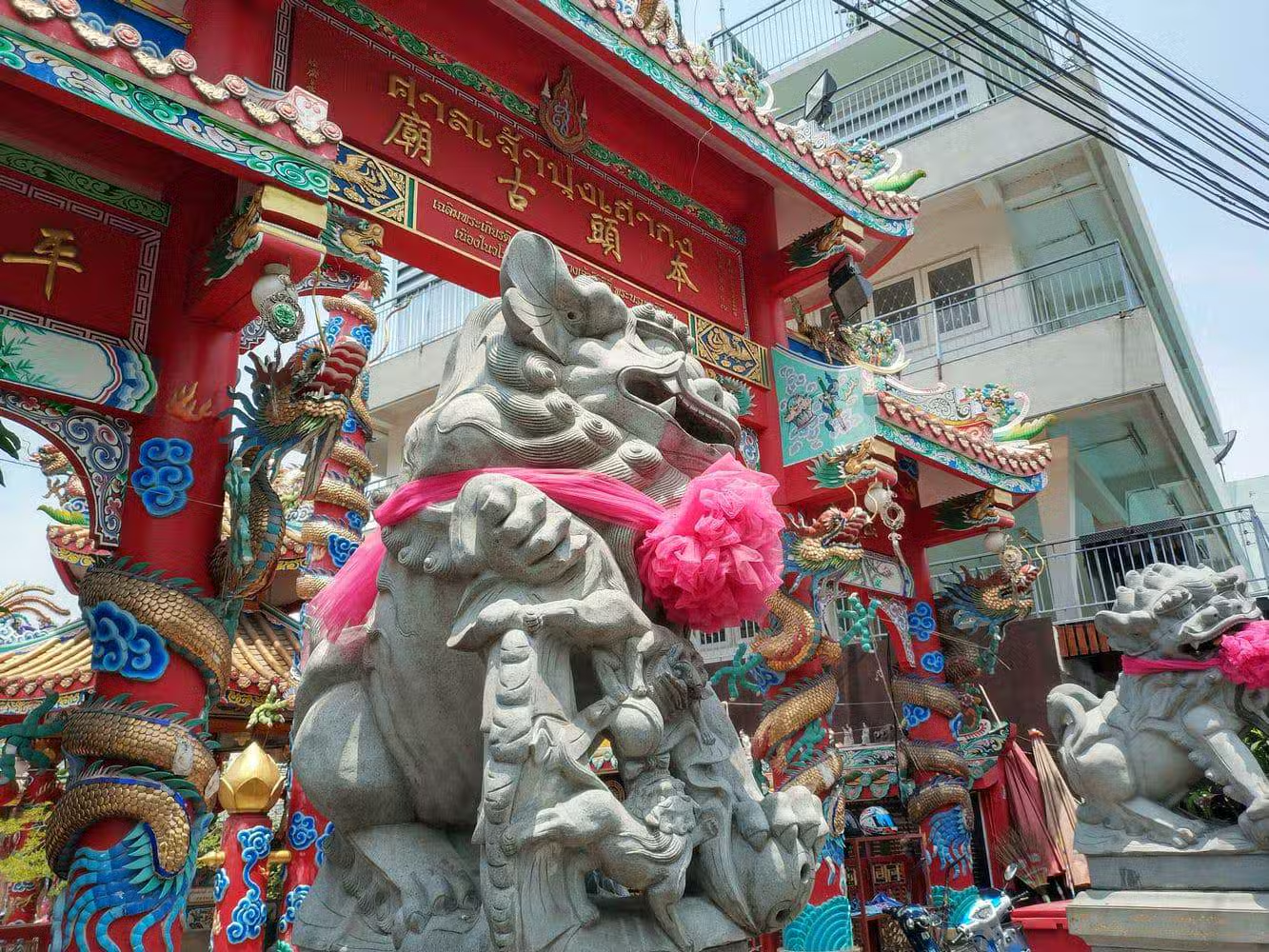
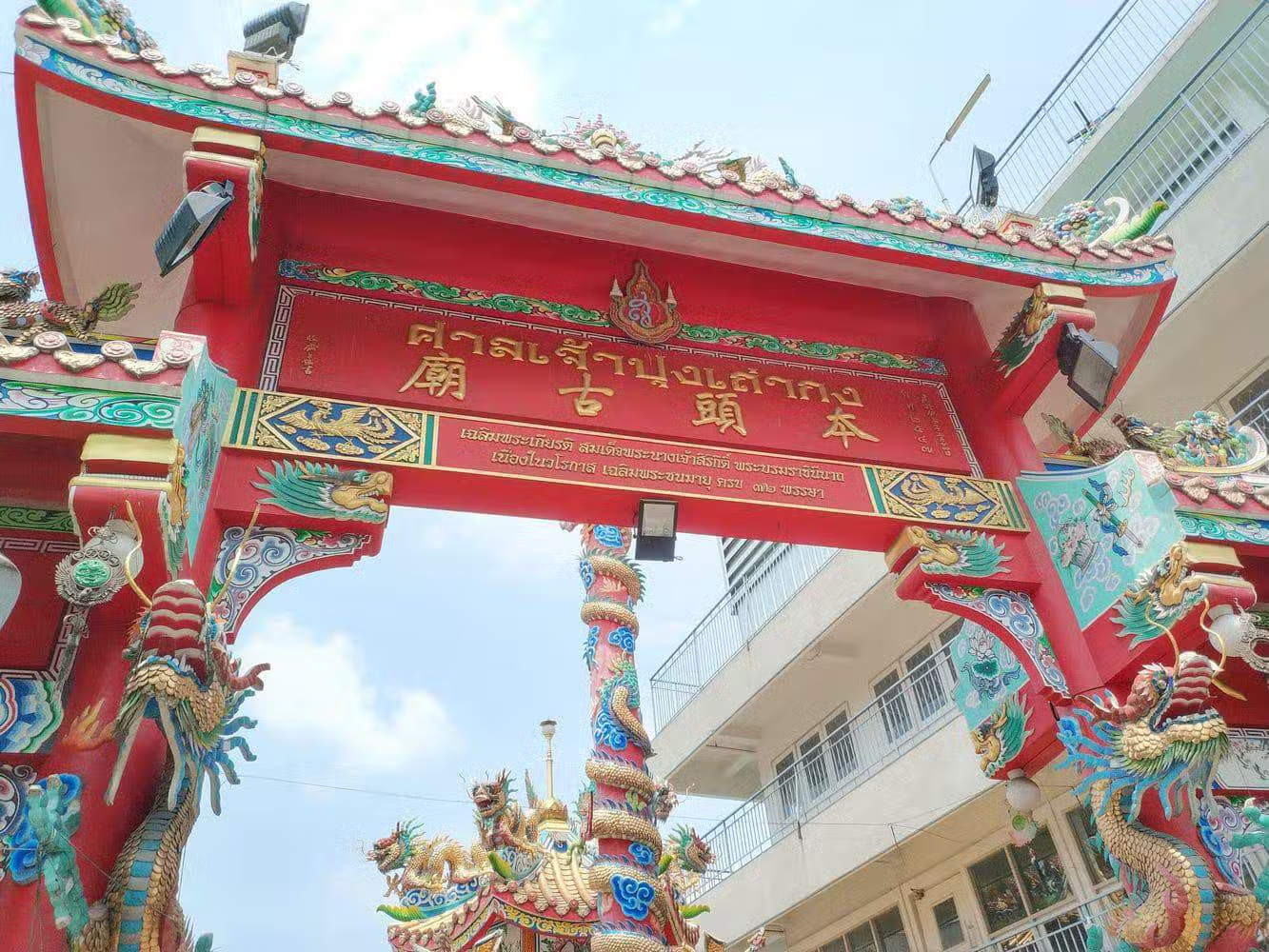
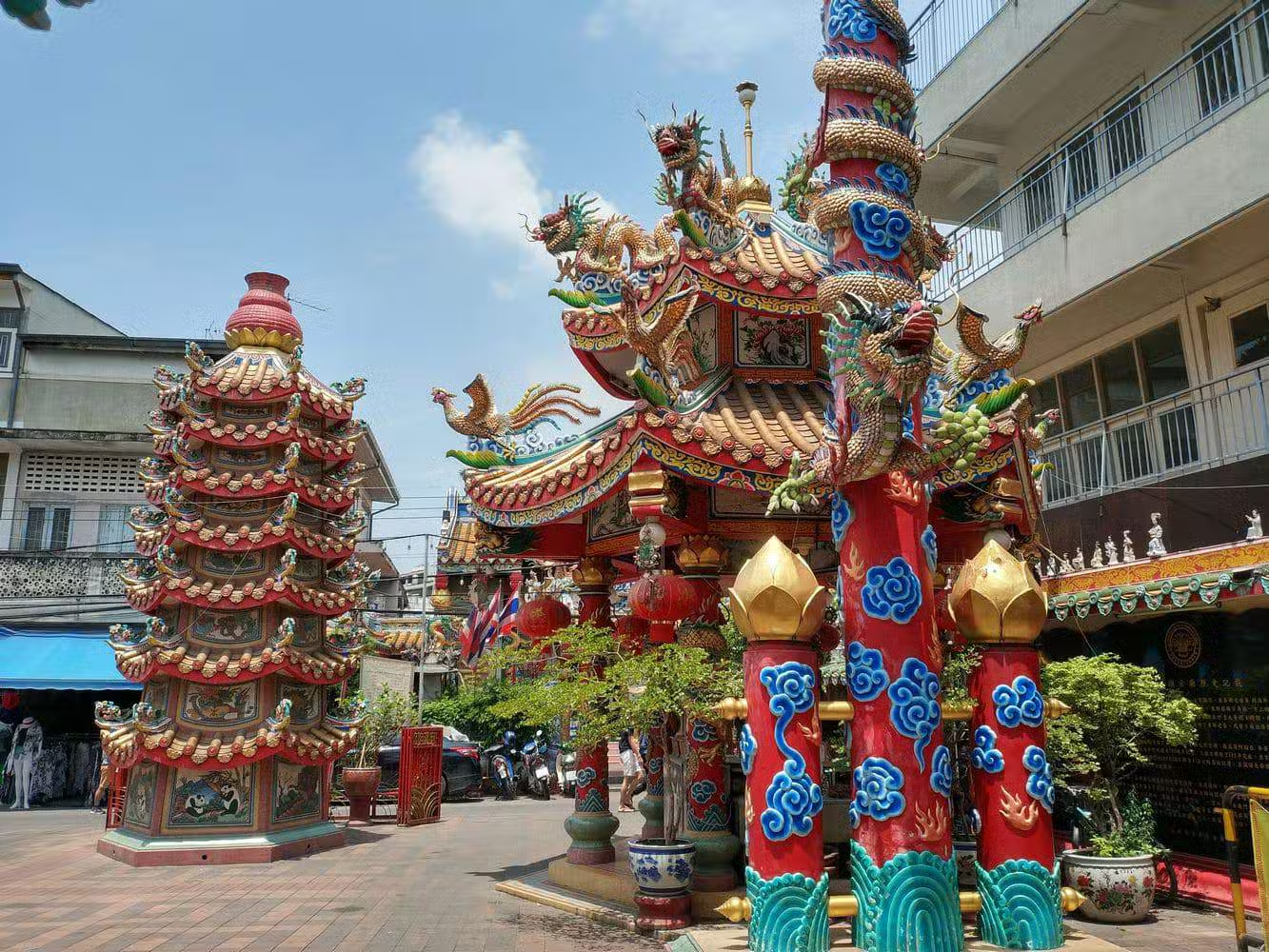
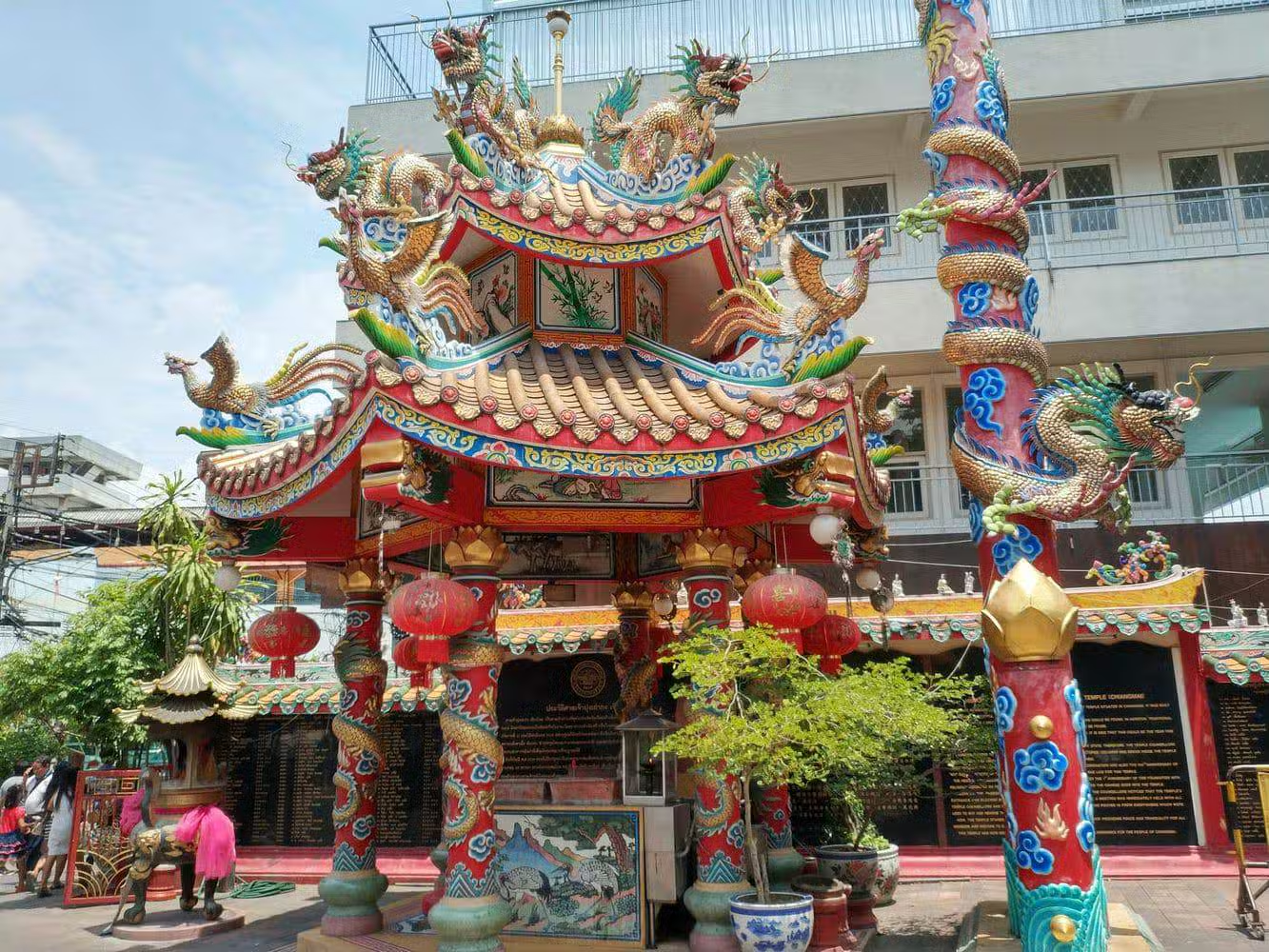
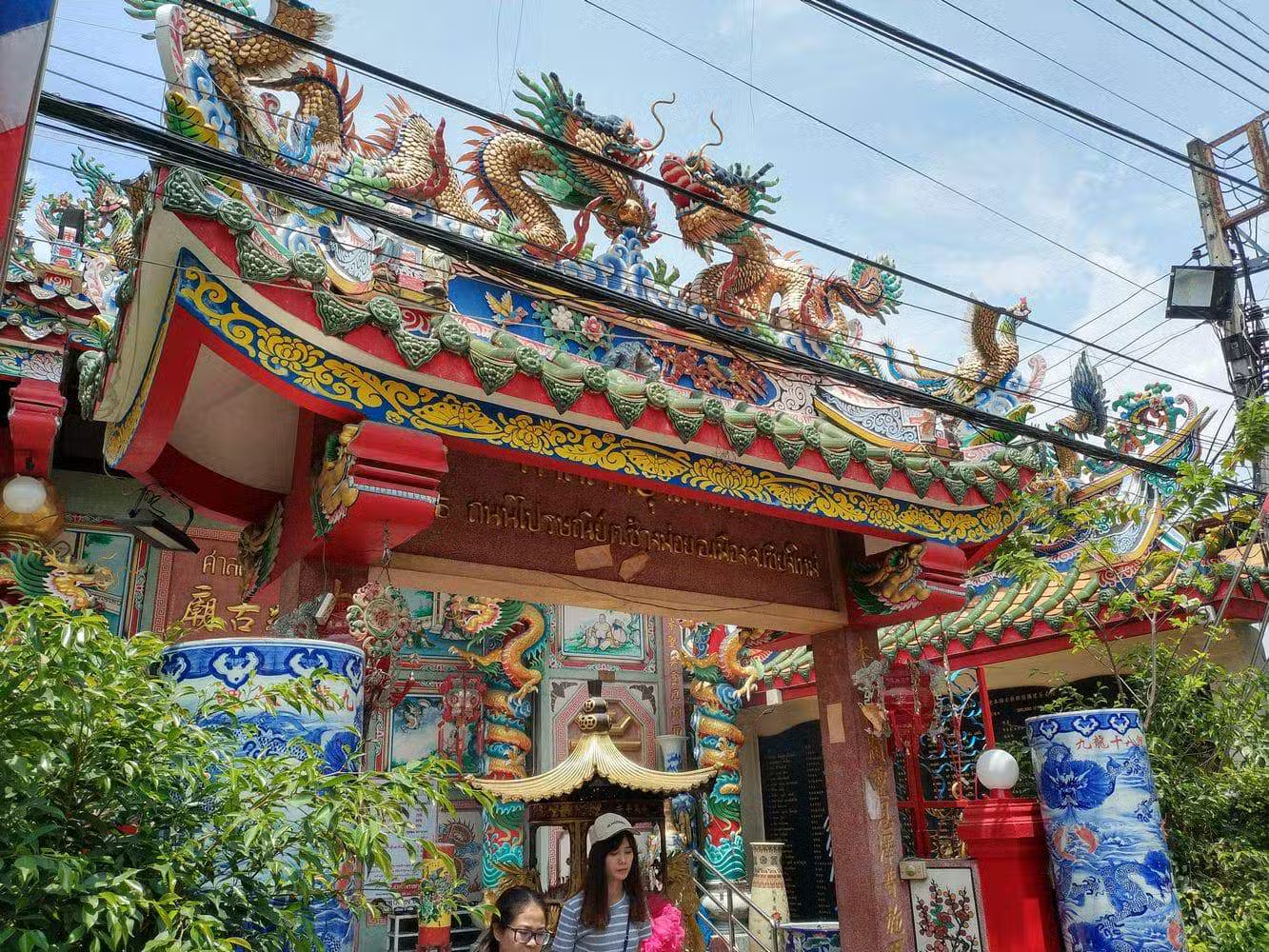
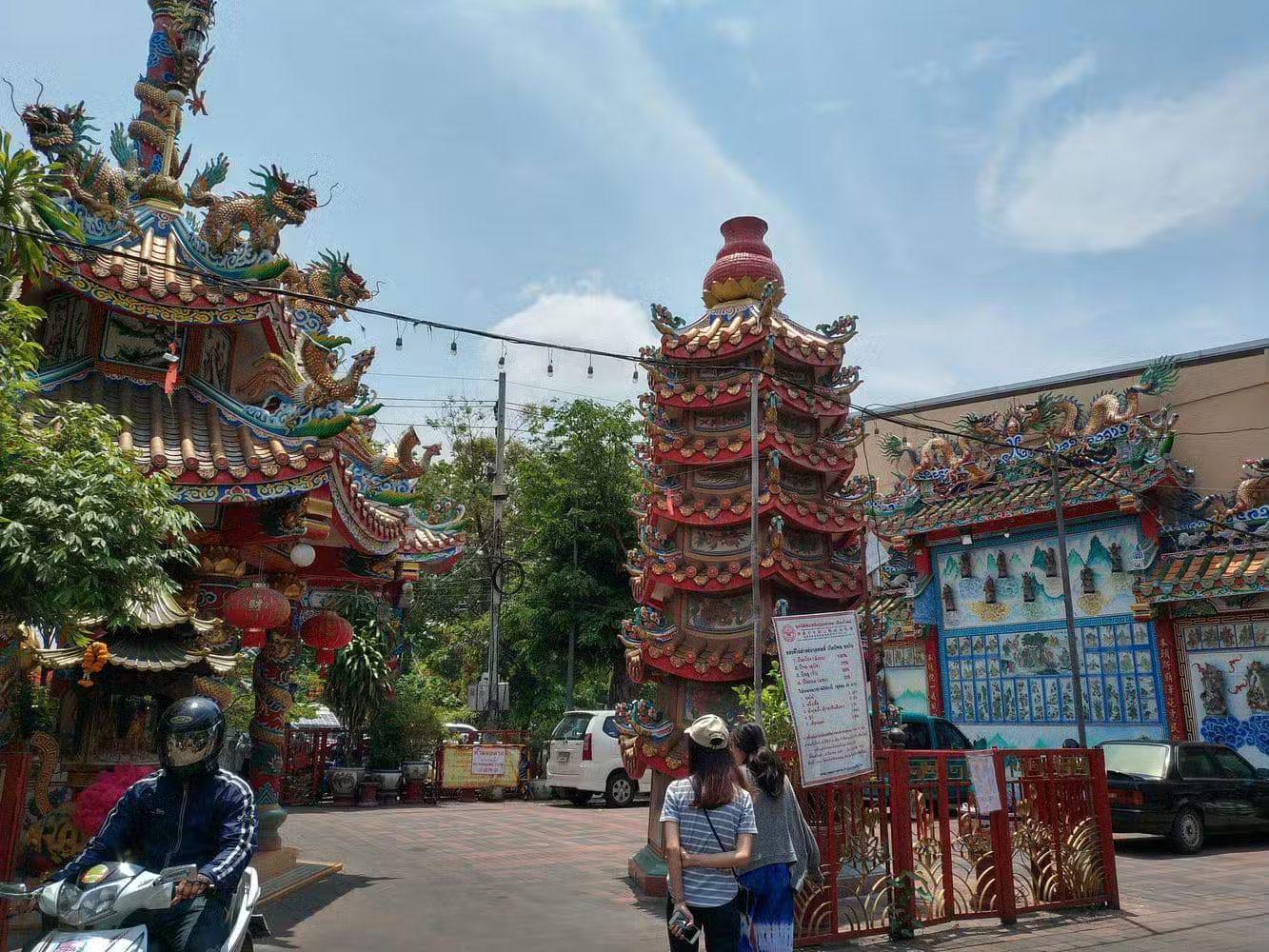
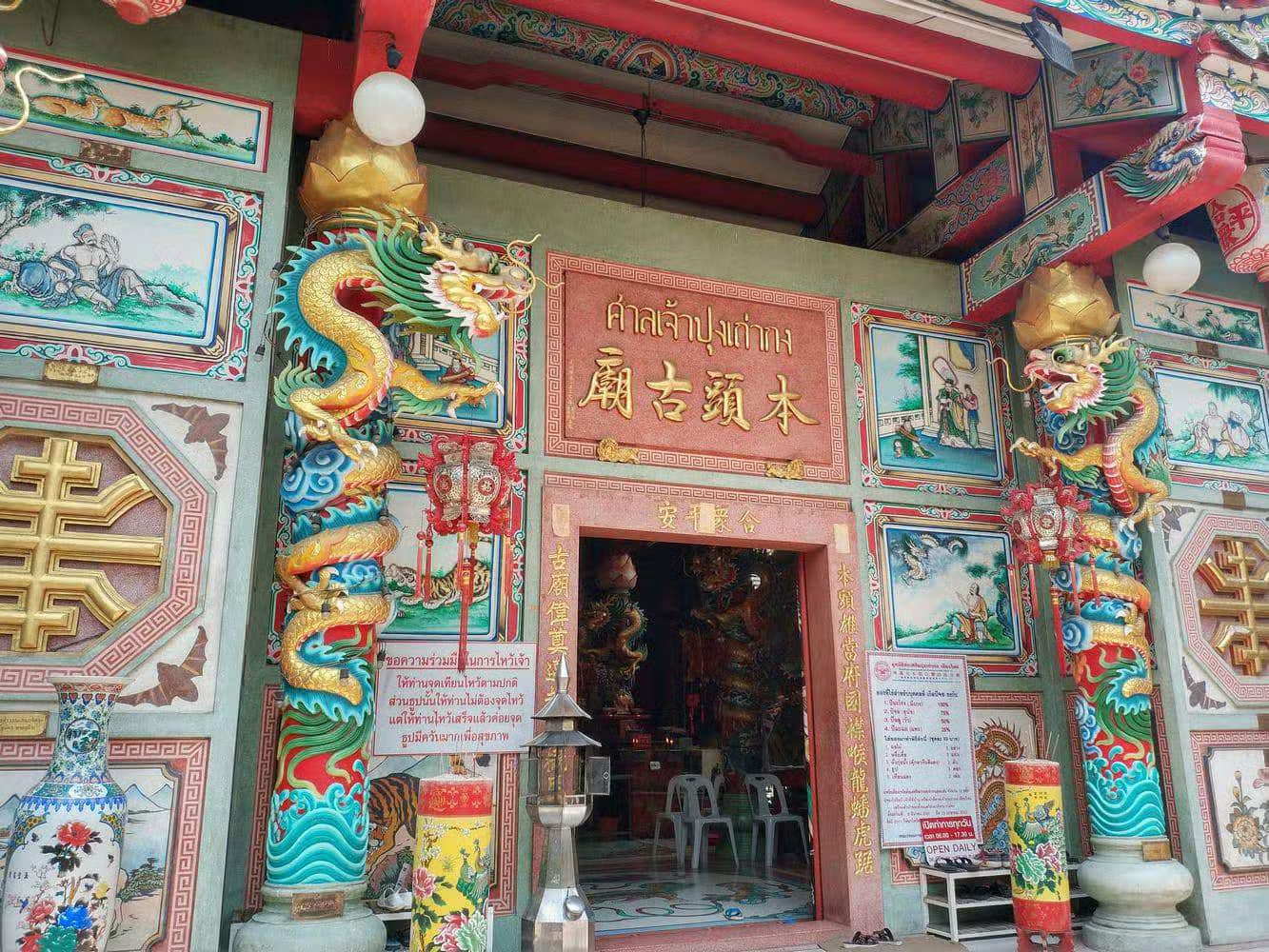
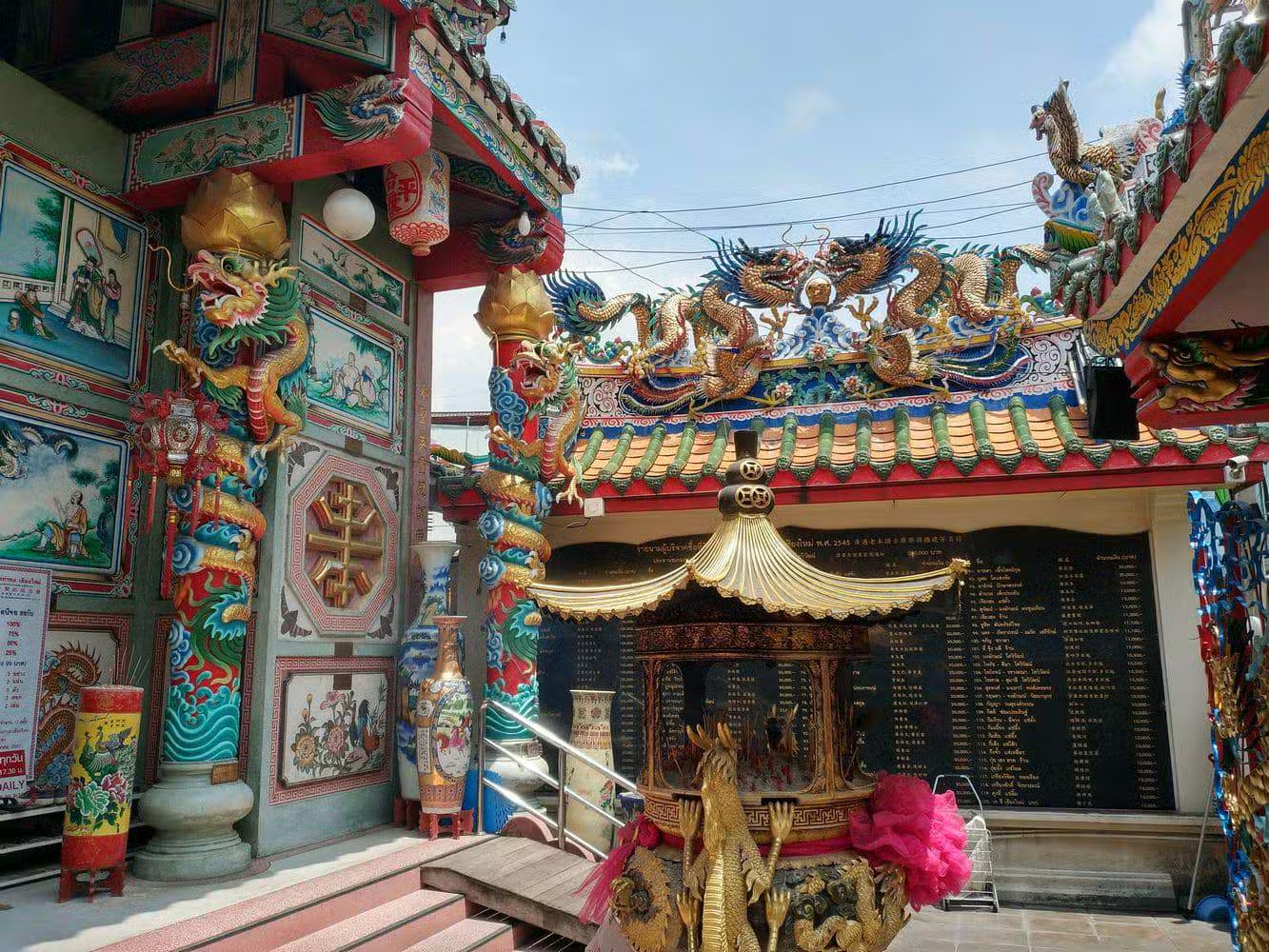
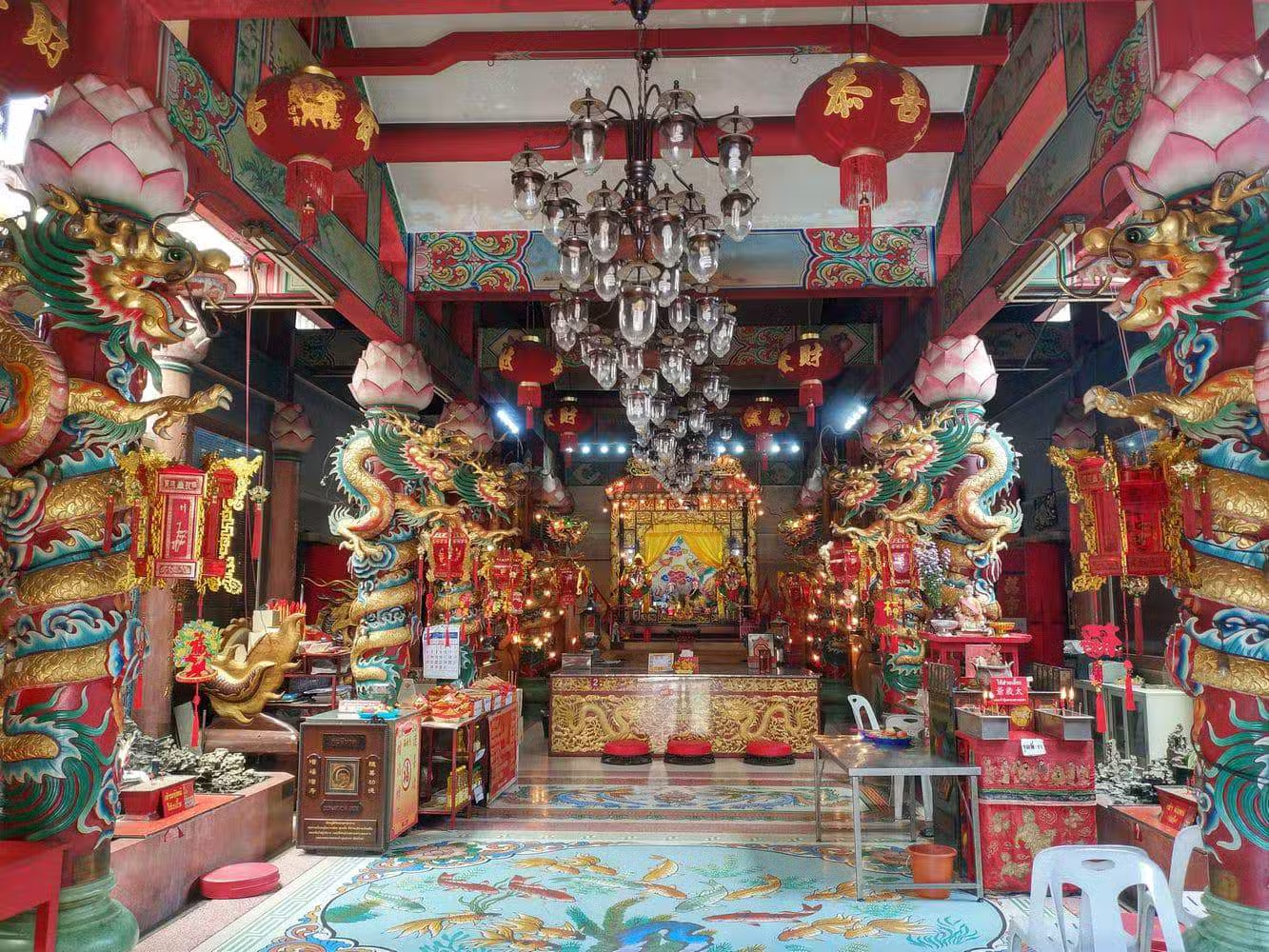
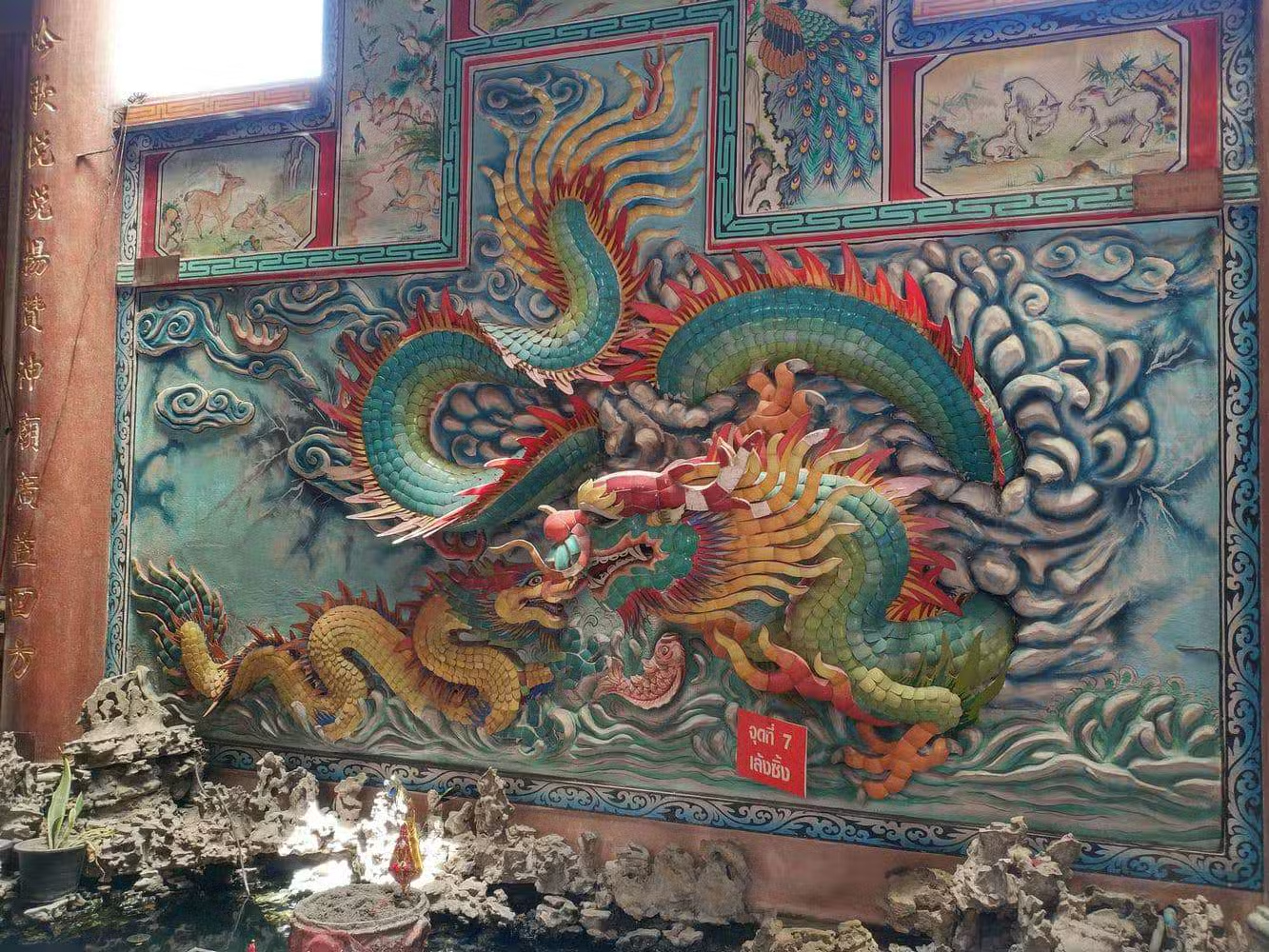
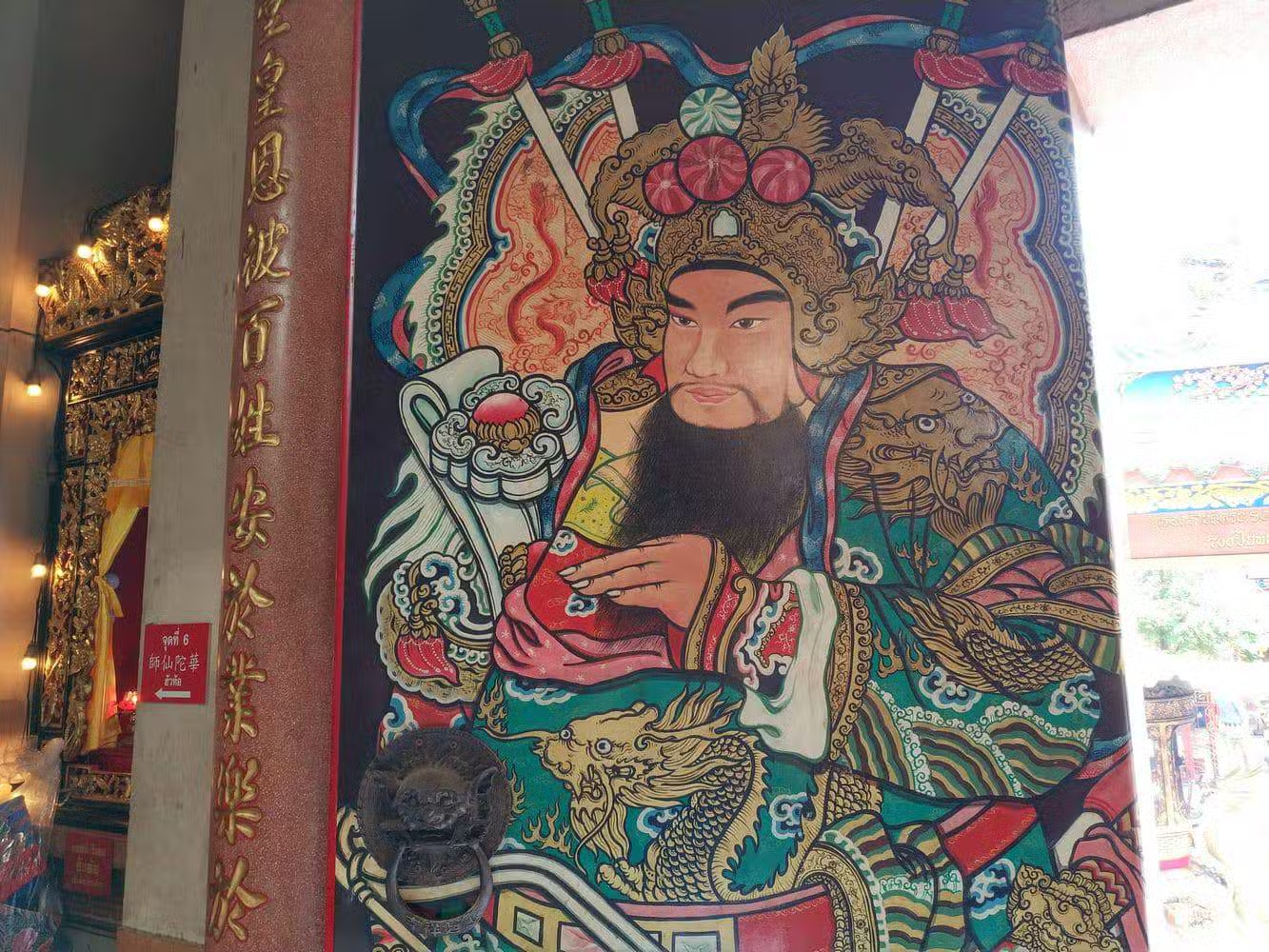
The Chinese-style gateway on Chang Moi Road marks the quarter, while gold shops, traditional medicine businesses and small shrines reflect its trading-community history. The neighbourhood’s identity includes Thai and northern regional market life as well as Chinese heritage; it is much smaller than Bangkok’s Chinatown and should be approached on its own terms.
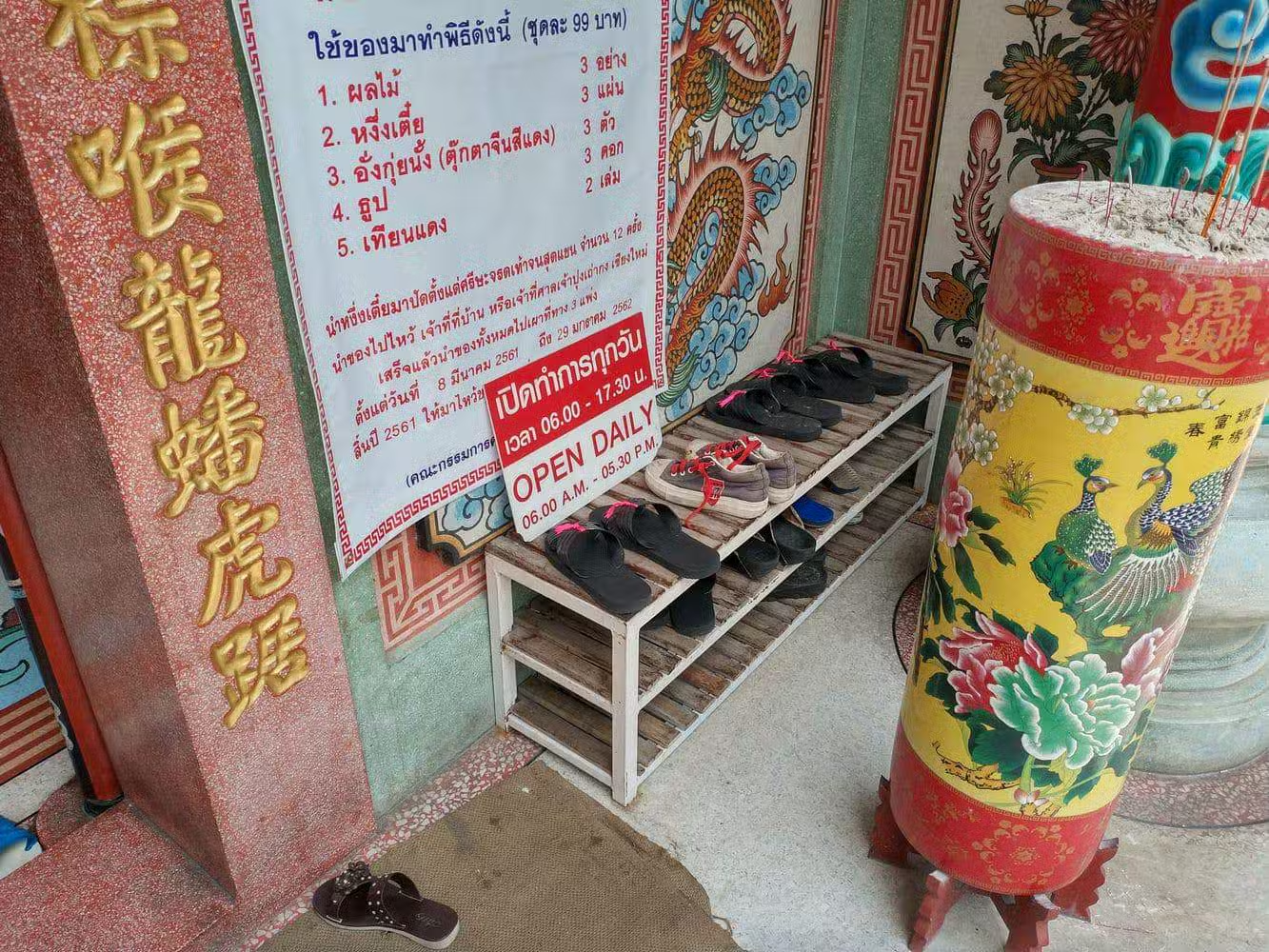
Explore the lanes around Chang Moi, Wichayanon and Ratchawong roads rather than limiting your visit to one market entrance. Some shops are wholesale-oriented or sell practical household goods, which gives the area a different character from an organised souvenir bazaar. Be considerate around worship areas and ask before entering a small shrine or photographing offerings.
Markets and shops become busier around particular celebrations, especially Chinese New Year, but special decorations and programmes depend on the year. A normal visit can still focus on the permanent streetscape and everyday trade without needing a festival to make it worthwhile.
When to Visit and How Long to Allow
Allow one to two hours for a first visit, or longer if shopping for fabric, ingredients or gifts. Morning through late afternoon is the most practical window for the covered markets and daytime shops. A morning visit suits fresh-food browsing; later in the day, check which sections are still trading before heading upstairs.
Street-food and flower vendors may continue outside after indoor shops finish, but the whole district does not operate as one 24-hour shopping attraction. Likewise, an evening visit should not be expected to reproduce the full daytime selection. Rain can affect outdoor browsing even when sheltered stalls remain available.
Chinatown is separate from the Chang Khlan Night Bazaar, though both lie east of the Old City. Choose Chinatown for working markets, food ingredients, textiles and local commercial streets; choose your evening route according to the specific night-market experience you want.
Payments and Moving Around the Markets
There is no area admission fee. Carry small Thai-baht notes for food and smaller purchases, and confirm whether a displayed price is per item, packet or weight. Bargaining may suit some clothing or bulk purchases, while clearly priced food is normally ordered at the stated rate.
Aisles, pavement edges and shop entrances can be narrow, with steps between some levels. Ground-floor browsing offers plenty to see, but wheelchair access to upper floors or between buildings should be checked rather than assumed. Visit at a quieter time if crowds make movement difficult, and supervise children around hot cooking equipment and road crossings.
Keep bags close while browsing and leave room for shoppers carrying goods. If you purchase something bulky, arrange transport from an agreed pickup point rather than waiting in the middle of a delivery lane.
Getting There from the Old City and Ping River
From Tha Phae Gate, walk east along Tha Phae Road, then turn north onto Chang Moi Road towards the Chinese gateway and Warorot Market. Depending on your starting point and browsing along the way, allow roughly 15-25 minutes. Wichayanon Road and the nearby river help orient you once you reach the market quarter.
A red songthaew, tuk-tuk or app-based car is useful from Nimman, the railway station or accommodation farther away. Give Warorot Market or Kad Luang as the landmark and show the entrance or meeting point you want. Agree a songthaew or tuk-tuk fare before travelling, and account for congestion around the market roads.
For driving, approach the district via the main streets and follow signed parking arrangements; do not rely on finding an empty kerb beside an entrance. A drop-off followed by walking is often simpler. Along the river, stay on public paths and streets rather than treating market deliveries or the riverbank as an unrestricted shortcut.
Chinatown Chiang Mai FAQs
Where is Chiang Mai’s Chinatown?
It is the market quarter around Warorot and Ton Lam Yai, near Chang Moi and Wichayanon roads east of the Old City. The Chinese-style gateway on Chang Moi Road is a useful landmark.
Is Chinatown the same as Warorot Market?
Warorot is a central part of Chinatown, but the neighbourhood also includes Ton Lam Yai, riverside flower stalls and surrounding commercial lanes. Allow time to explore outside the covered market as well.
When should you visit?
Morning through late afternoon is best for the covered markets and everyday shops. Individual food and flower vendors may trade later, but the district does not have one universal opening or closing time.
What can you buy?
The area offers northern Thai food, ingredients, clothing, textiles, household goods, flowers and souvenirs. Ask about origin, ingredients and storage where relevant rather than assuming every product is locally handmade or suitable for taking overseas.
Is it the Night Bazaar?
The Chang Khlan Night Bazaar is a separate evening shopping area. Chinatown is centred farther north around the working Warorot and Ton Lam Yai markets, with a stronger daytime shopping rhythm.
Can you walk from Tha Phae Gate?
Yes. Head east along Tha Phae Road and then north onto Chang Moi Road towards Warorot. Allow roughly 15-25 minutes, use crossings and keep an eye on delivery traffic around the market streets.
Do you need cash?
Cash and smaller notes are practical for food stalls and small purchases. Some shops accept electronic payments, but international cards or banking apps are not accepted everywhere.









Do You Have a Question to Ask?