


















































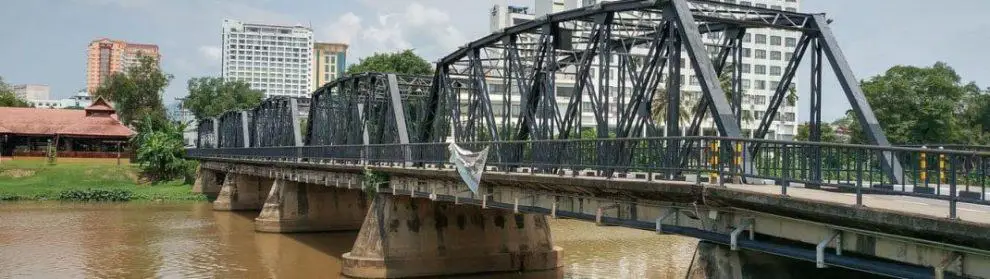
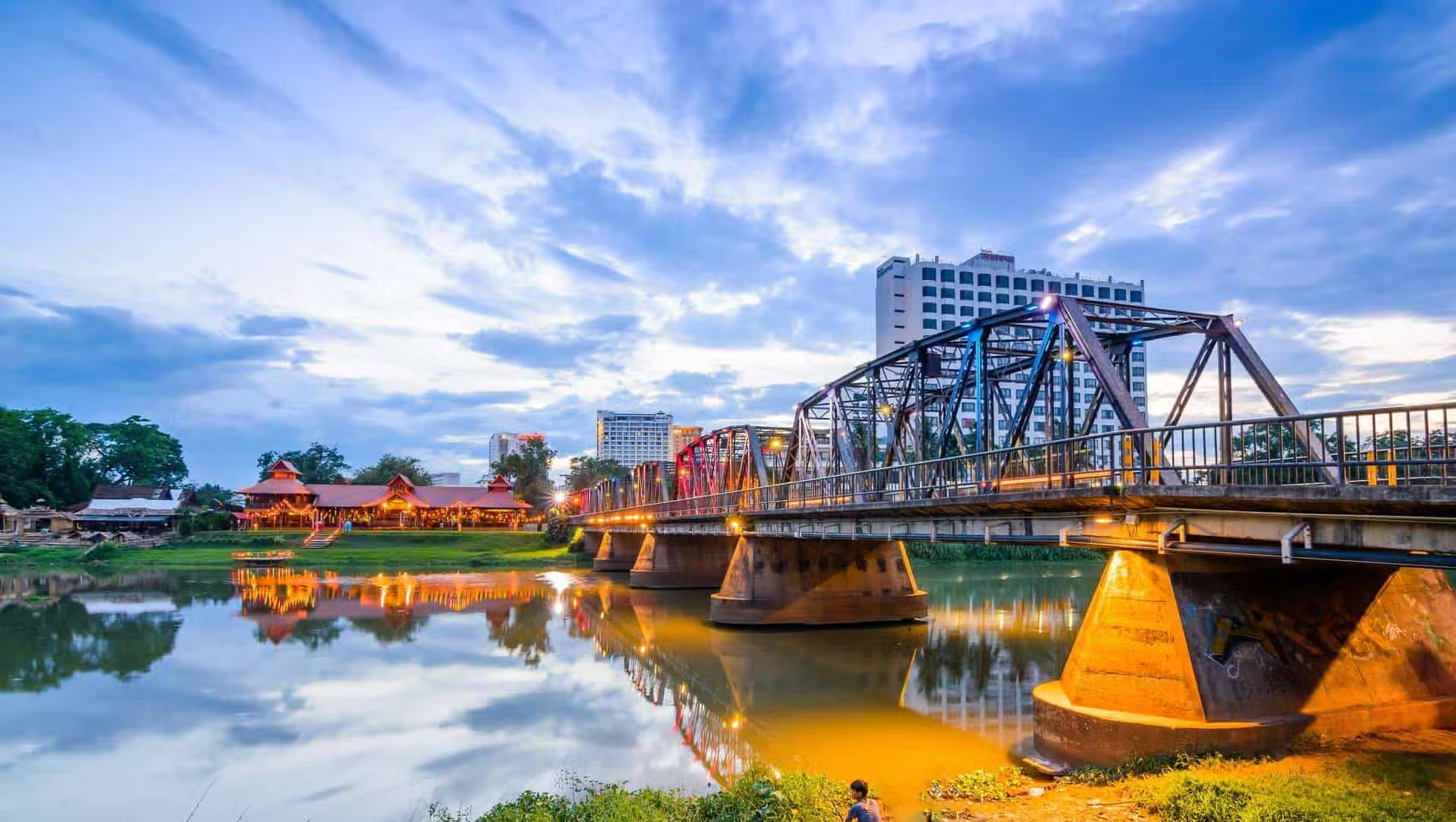
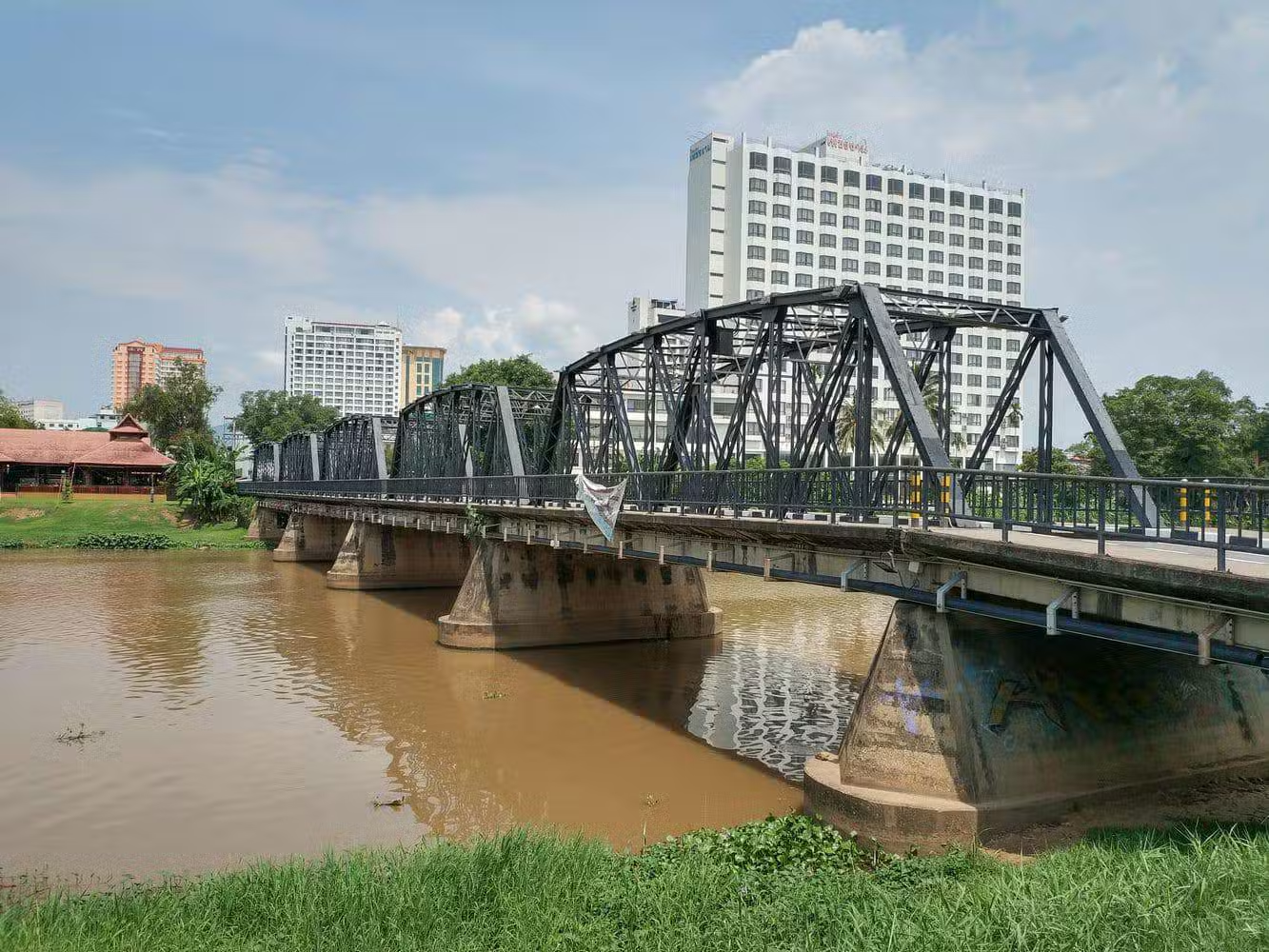
Chiang Mai’s Iron Bridge, also known as Khua Lek or Sapaan Lek, crosses the Ping River at the eastern end of Loi Kroh Road. Its steel framework gives it an older appearance, while the river, nearby restaurants and evening lighting make it an appealing short stop east of the Old City.
The bridge is particularly convenient when you are already exploring the Night Bazaar or riverside streets. Come to look along the Ping, photograph the repeating metal spans and cross between the two banks, allowing for the vehicles that also use this working bridge.
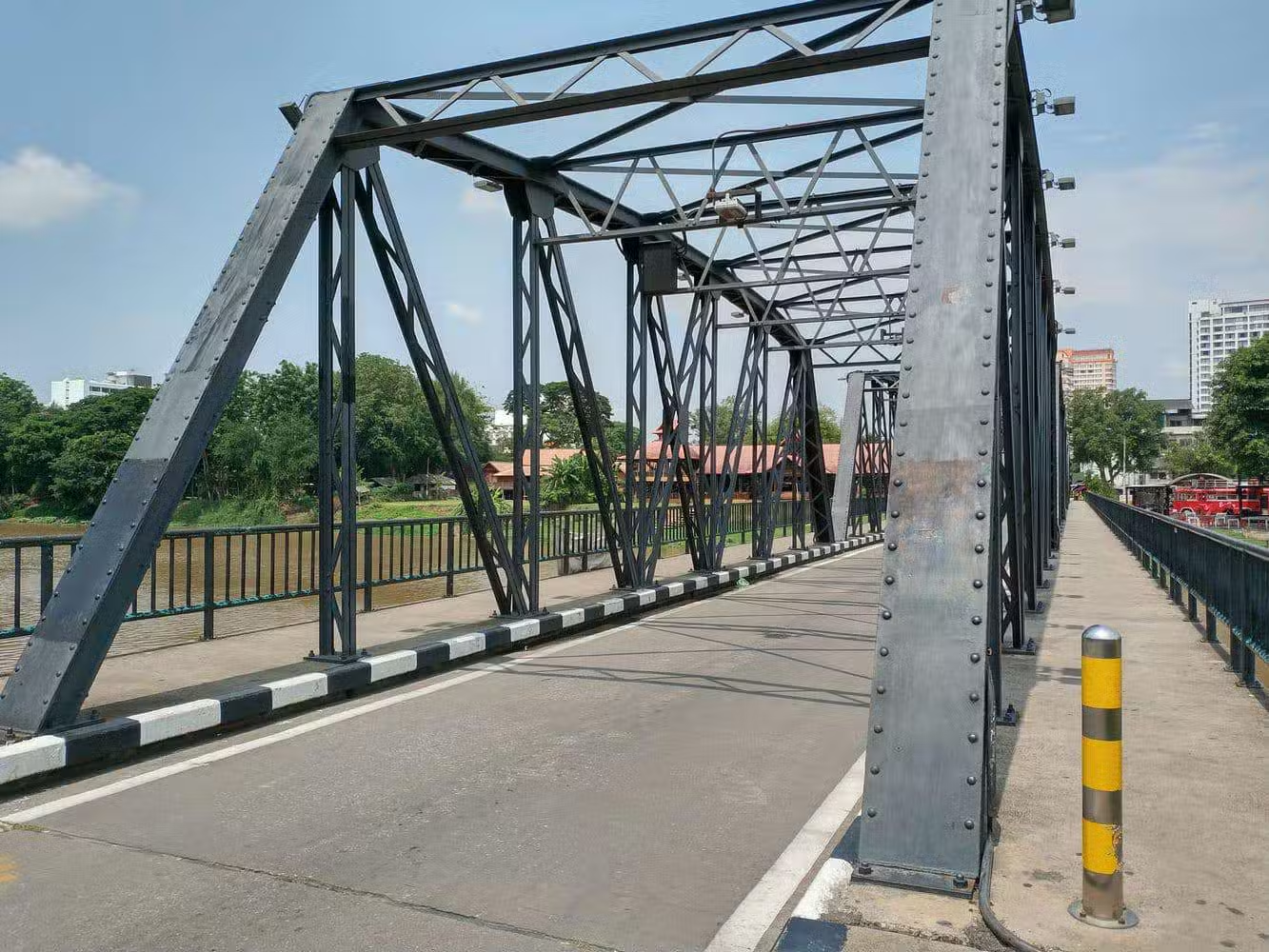
The Steel Spans and River Views
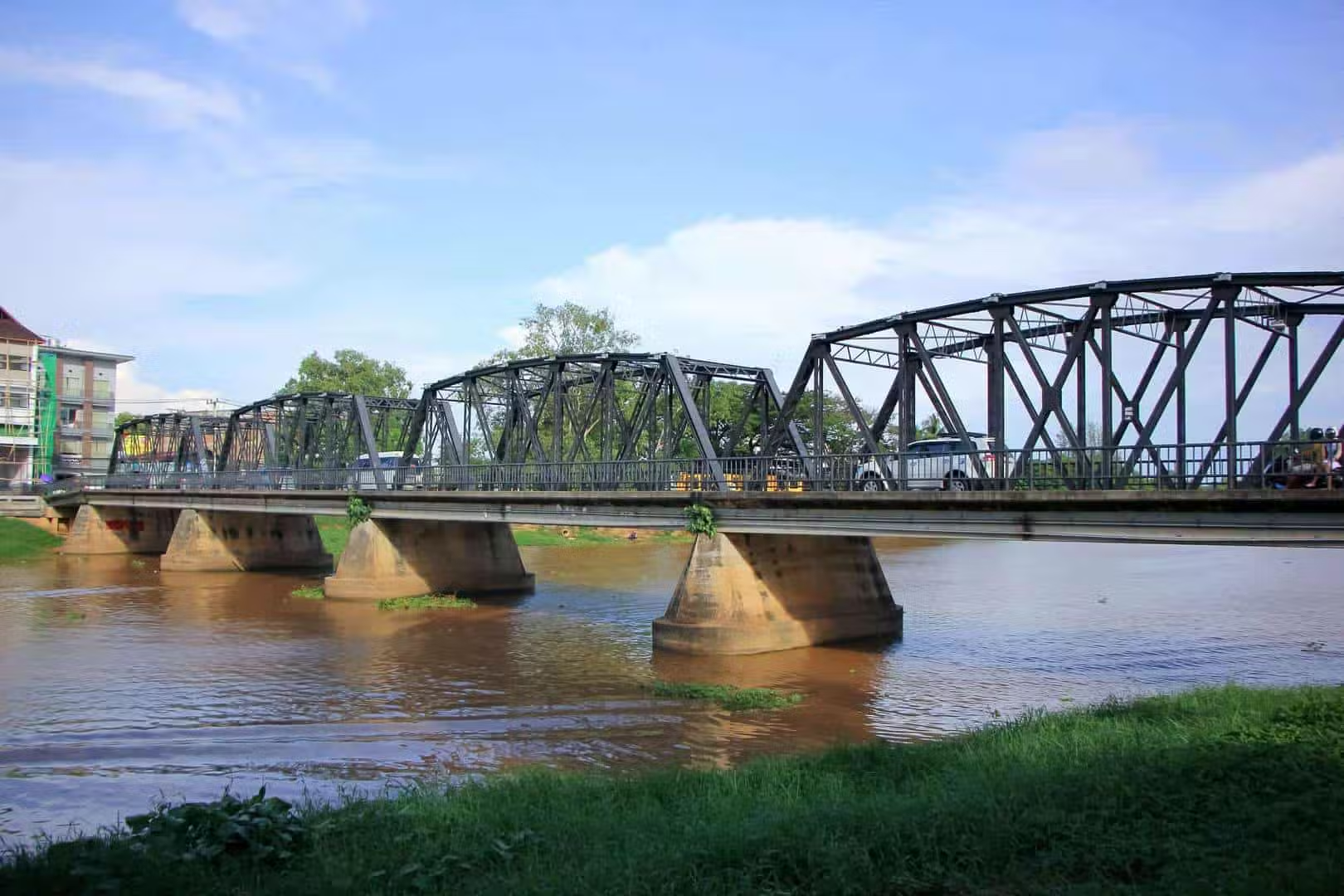
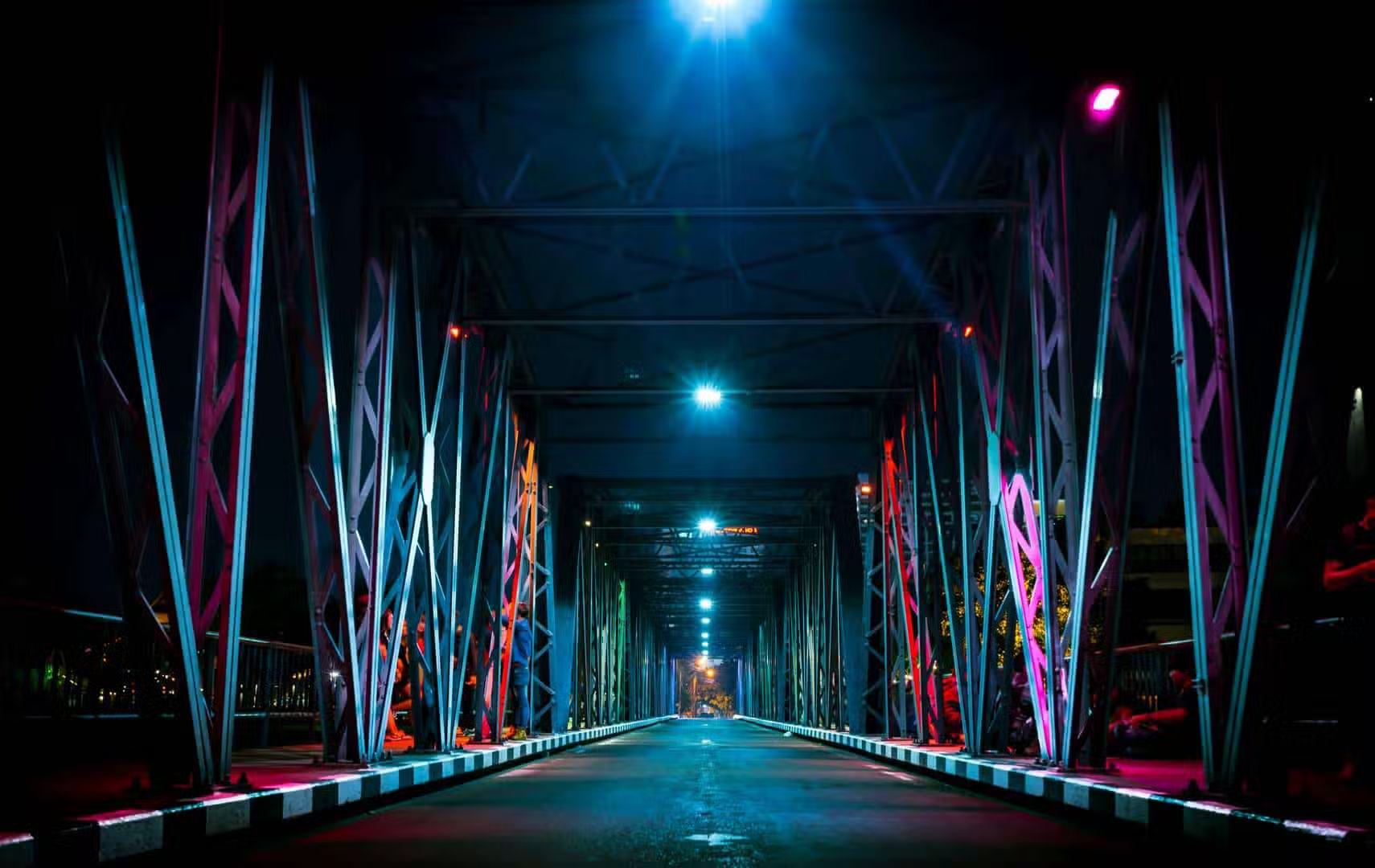
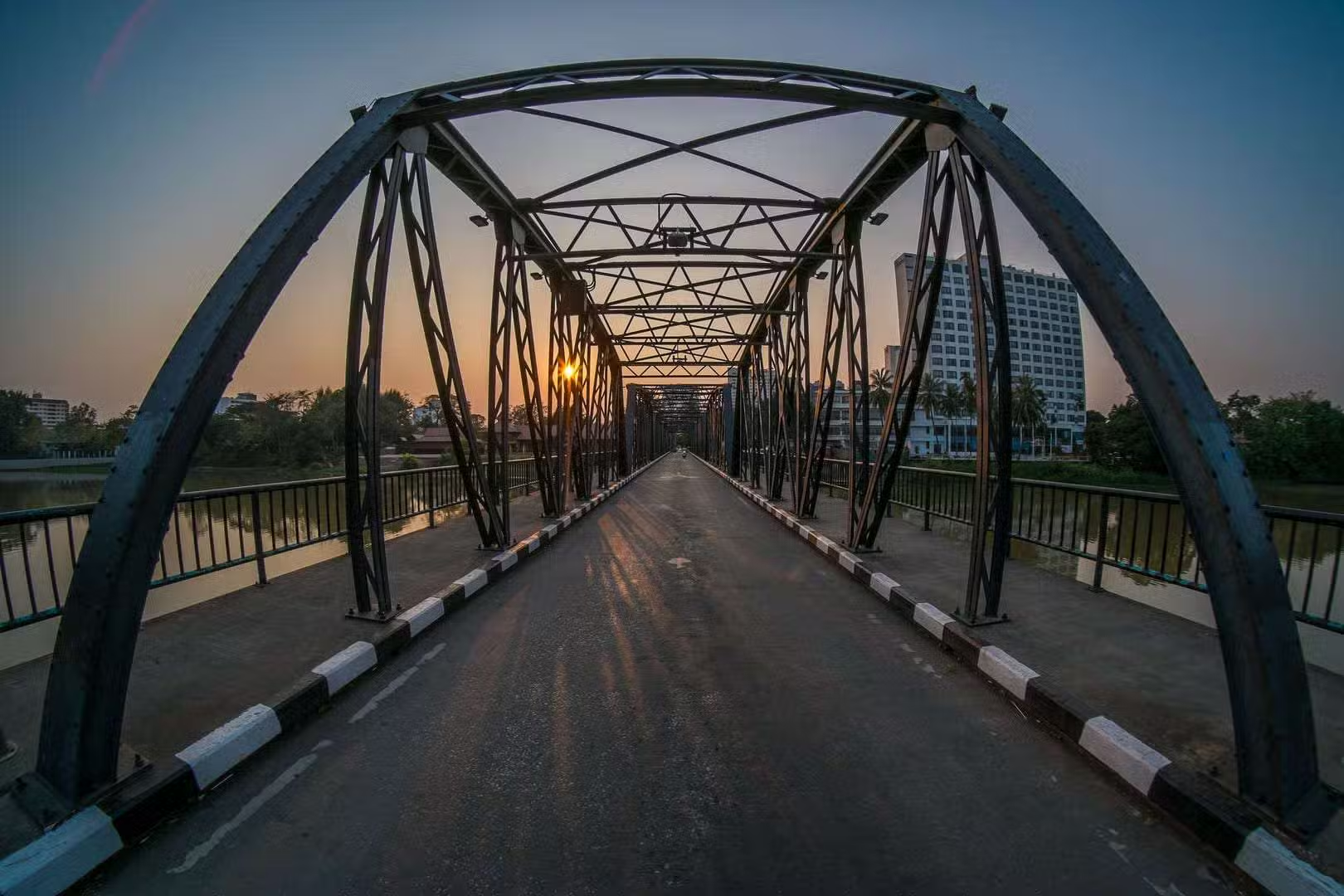
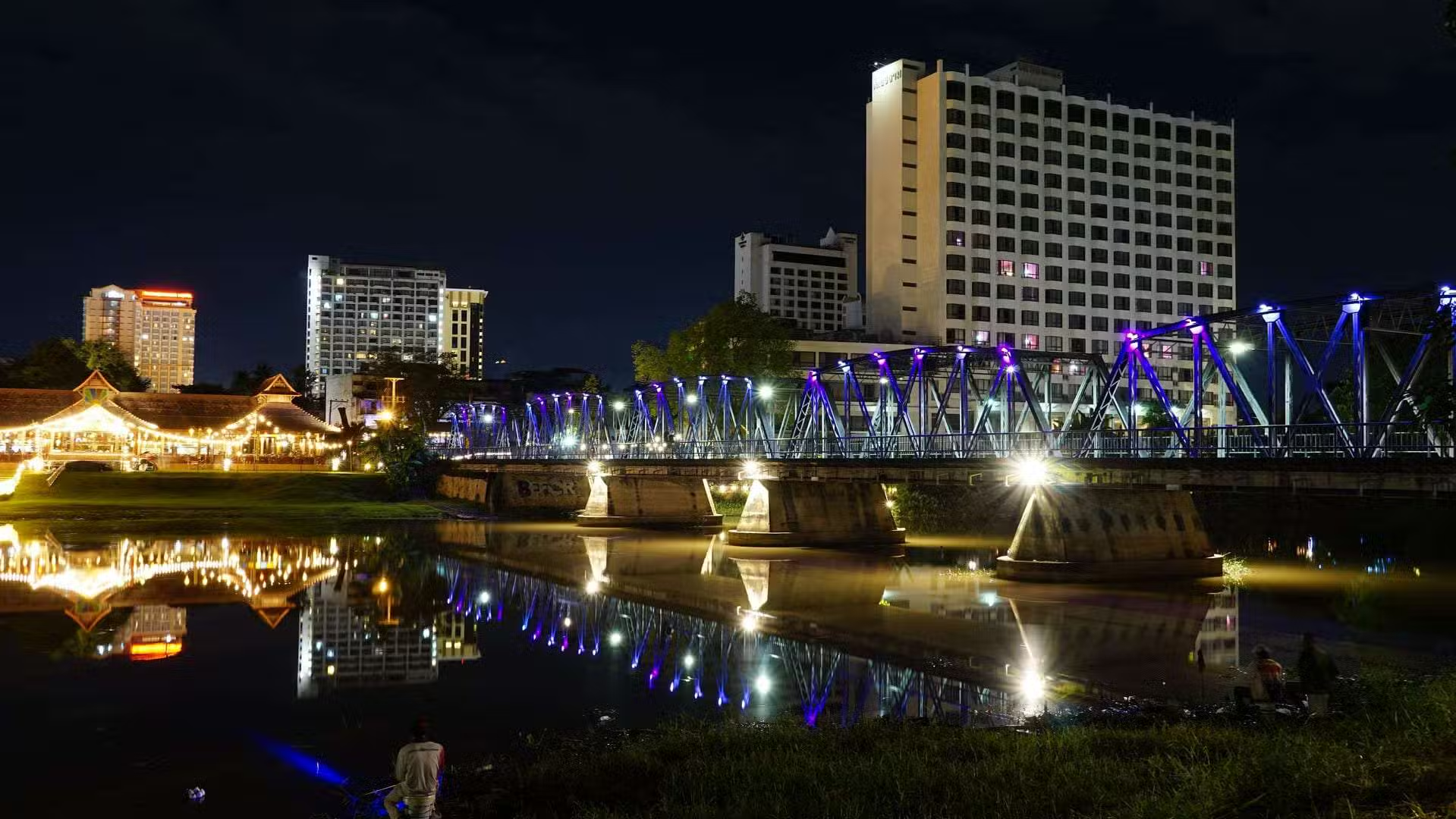
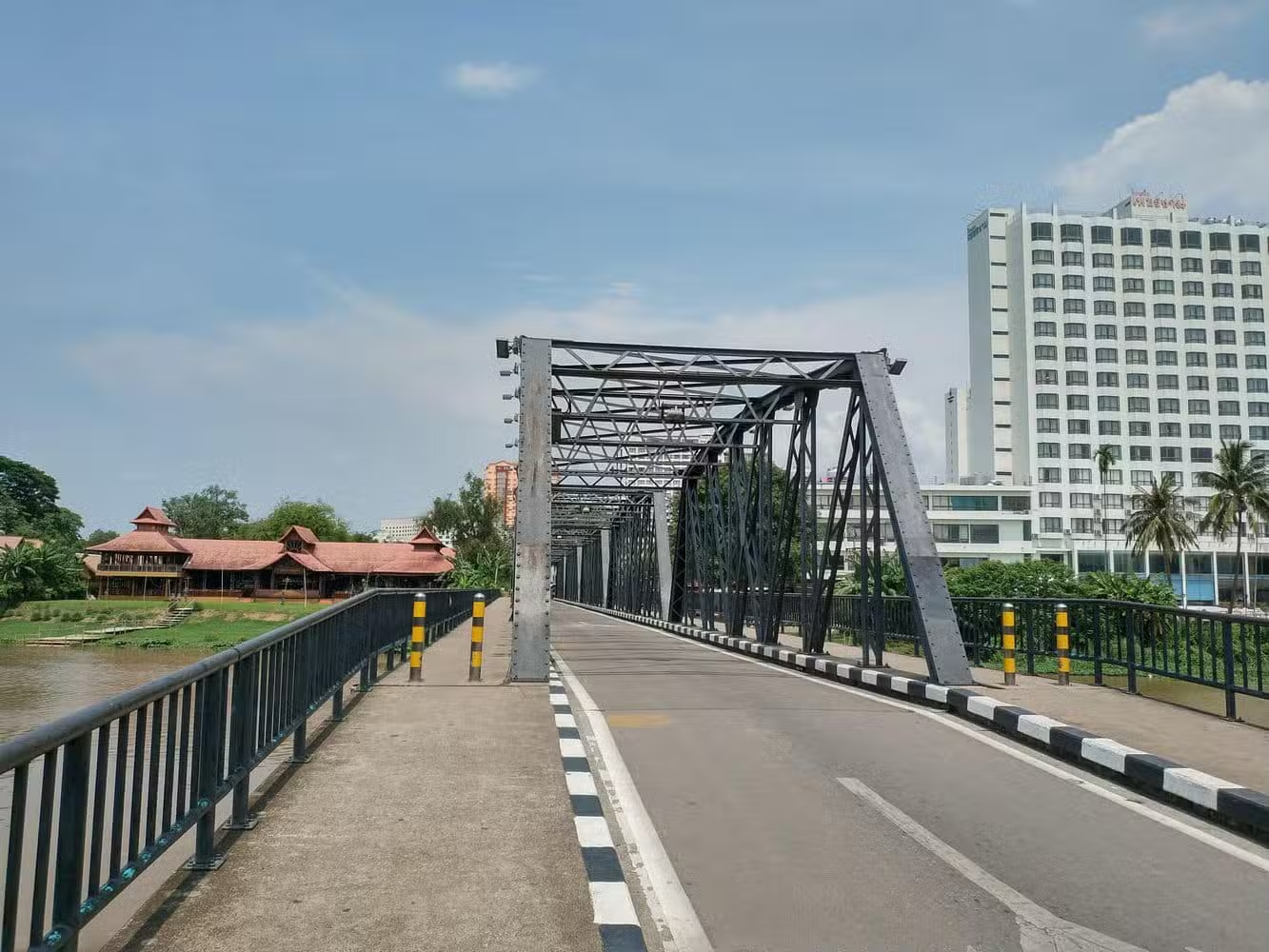
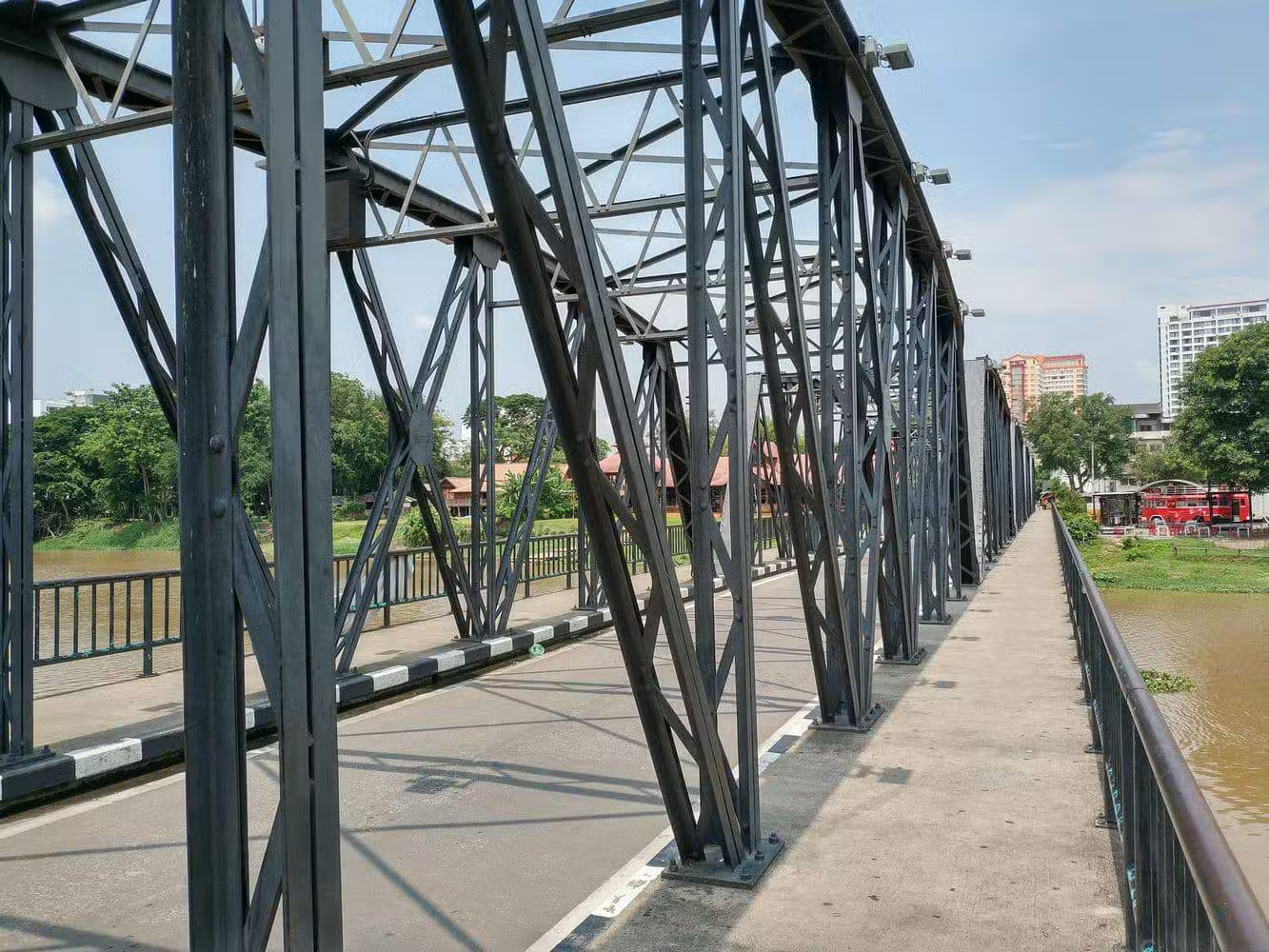
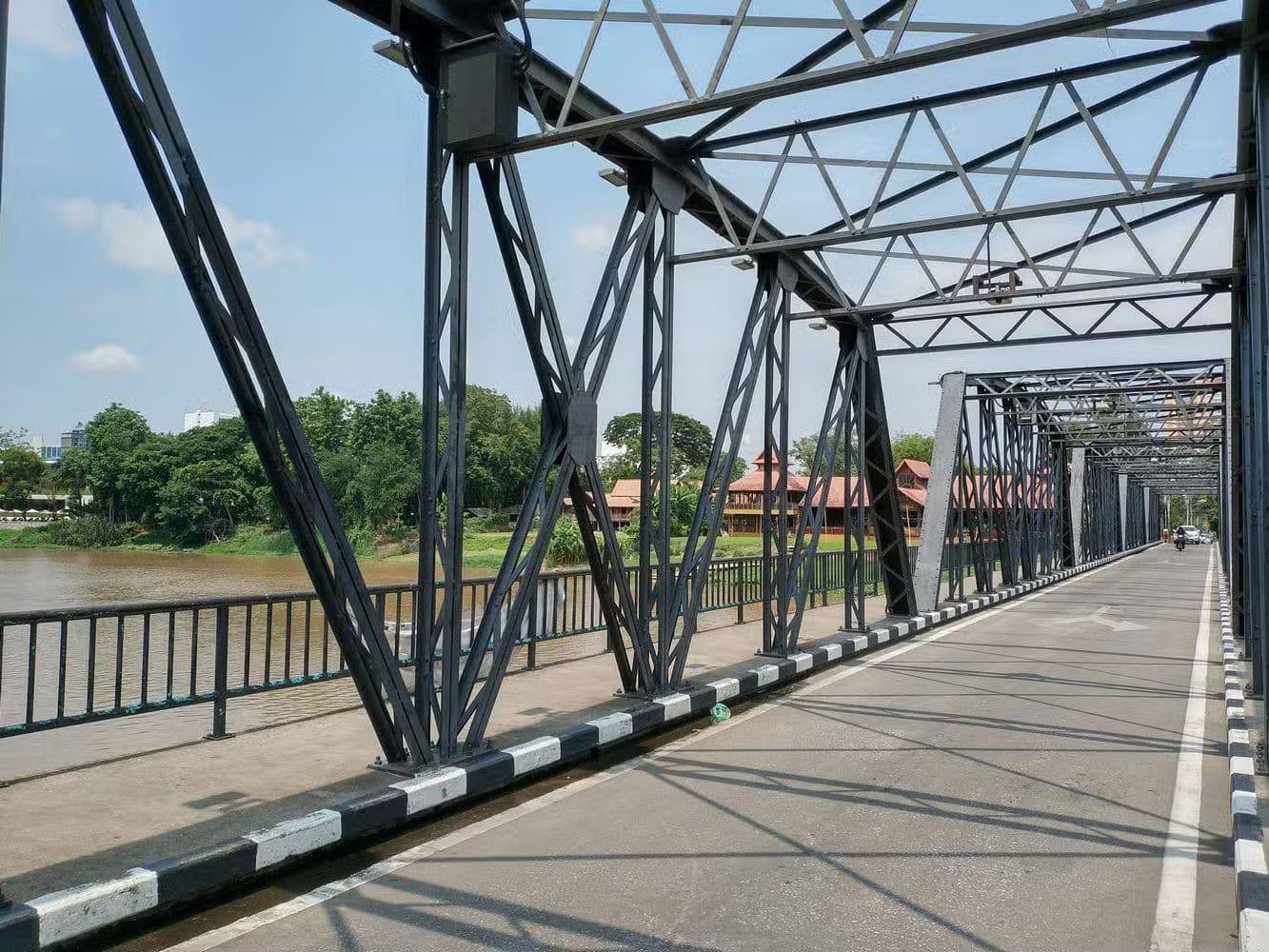
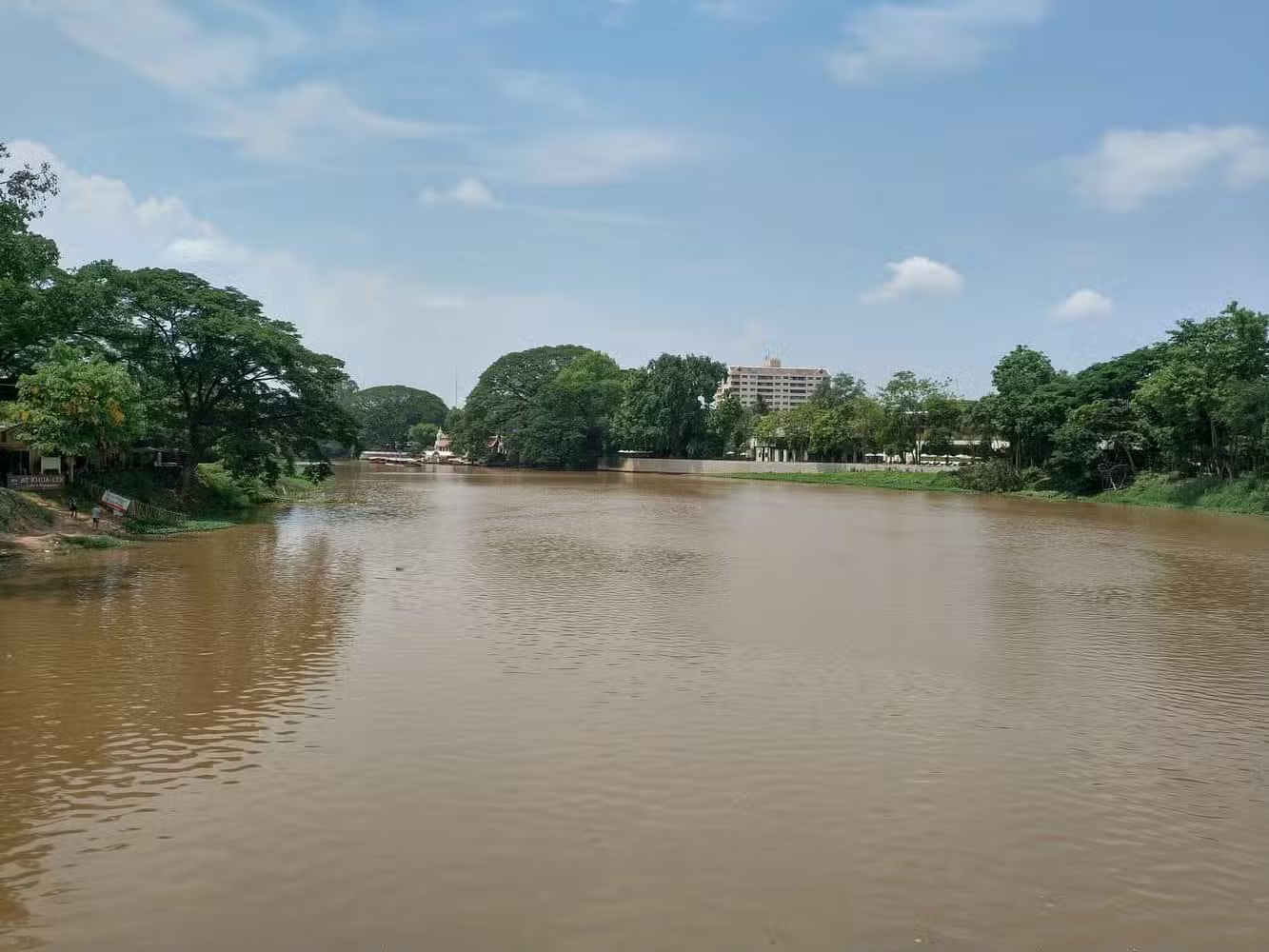
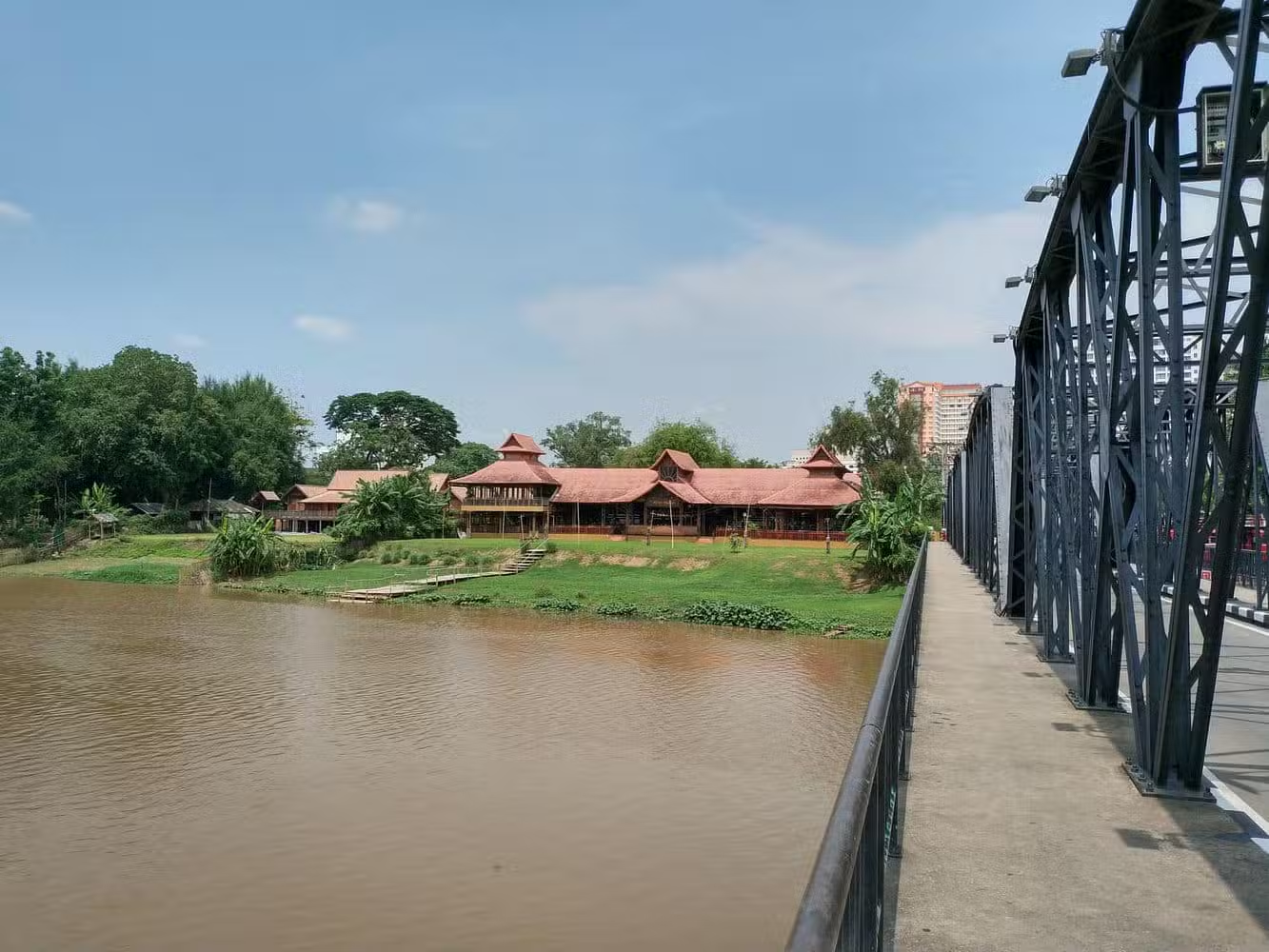
Look down the length of the bridge and the framework creates a series of overlapping shapes, with the river visible between them. From either approach, the structure makes a different picture against the buildings and trees on the opposite bank. Stay on pedestrian space rather than stepping into the roadway for a photograph. Although its appearance suggests an older bridge, this is a modern crossing inspired by the former steel Nawarat Bridge; today’s Nawarat Bridge is a separate crossing farther north.
Visiting Around Sunset
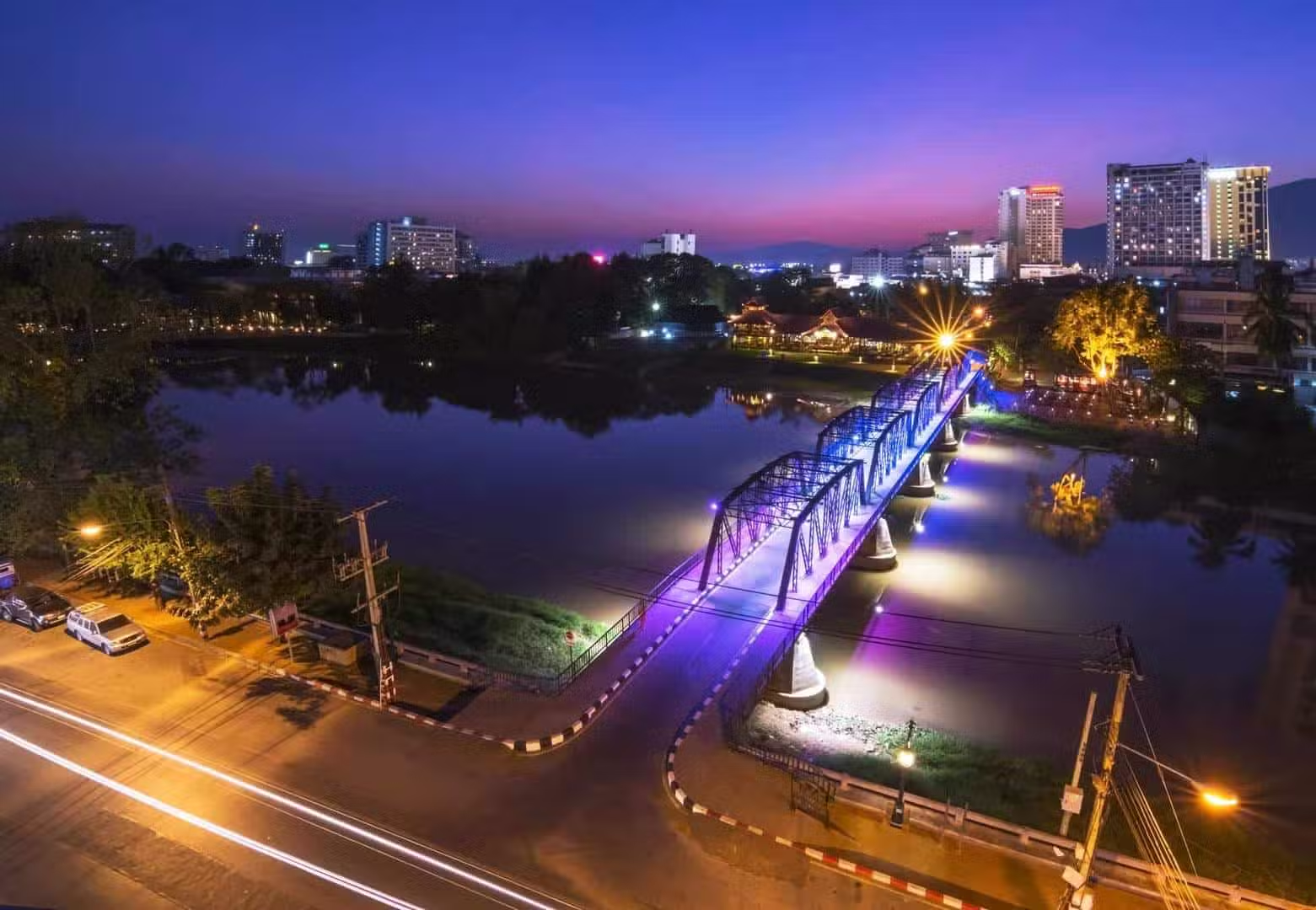
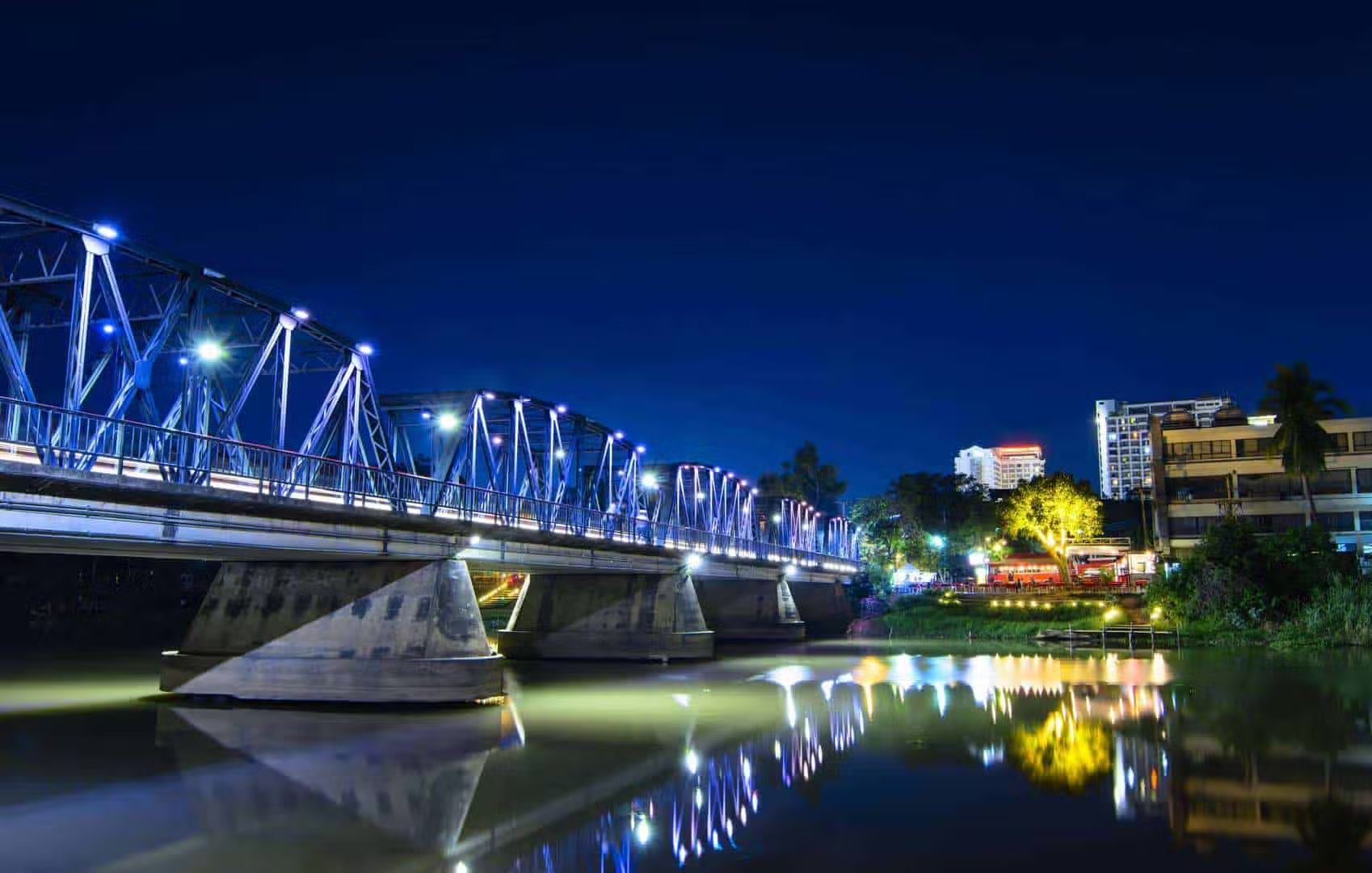
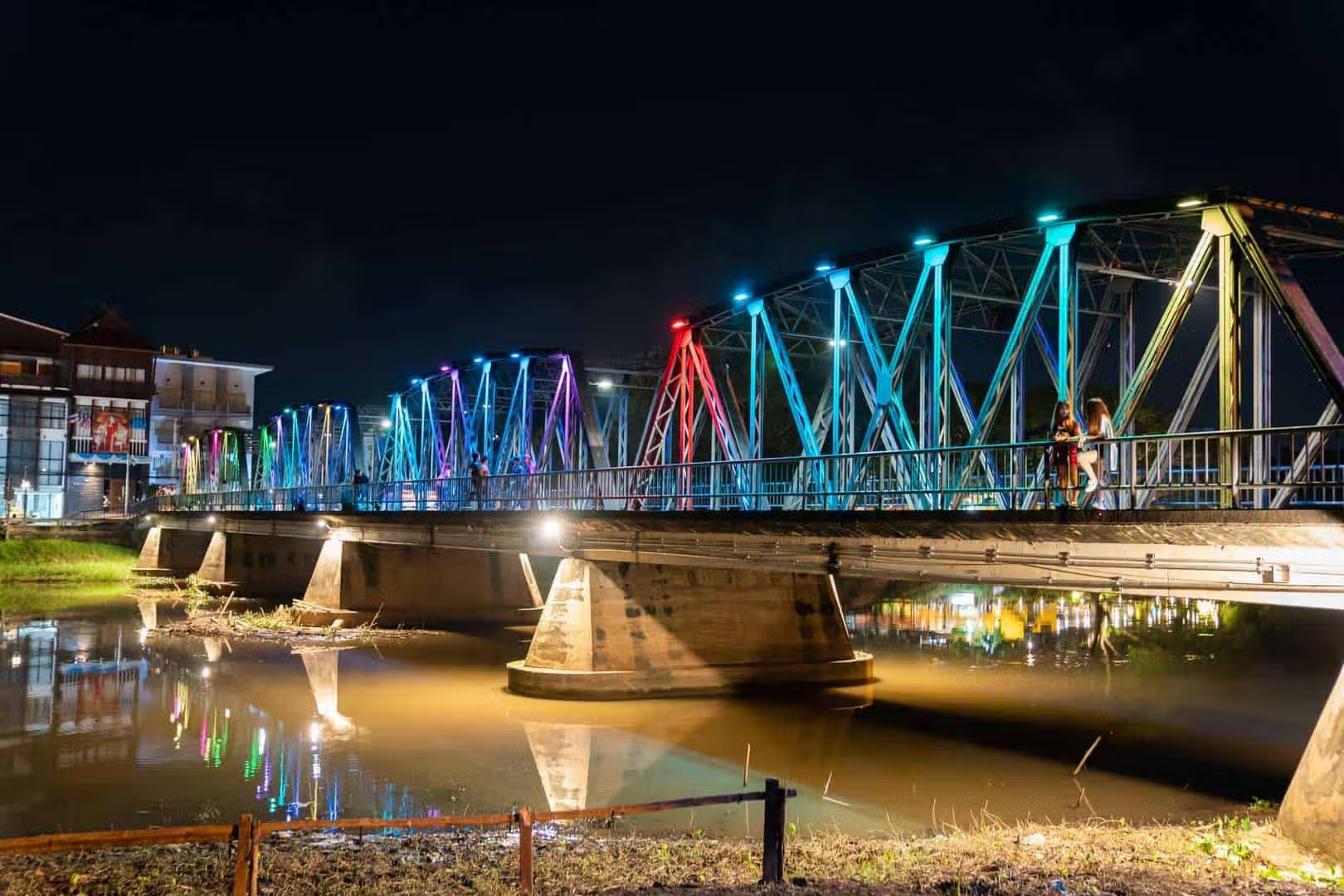
Late afternoon gives you time to see the framework in daylight before the surroundings take on their evening character. Lighting on and around the bridge can reflect in the water after dark, although the effect depends on the lights operating, weather and river conditions. Allow about 15 to 30 minutes for photographs, keeping space clear for passing pedestrians and traffic.
Combining the Bridge With the Riverside
Loi Kroh Road connects the western approach with the Night Bazaar area. This makes the bridge an easy addition to an afternoon or evening in the eastern part of Chiang Mai, rather than an outing that needs its own half-day itinerary. Restaurants and cafés along the river can turn the stop into a longer break; choose somewhere with a river view if that is the main appeal.
Getting to the Iron Bridge
Use the Iron Bridge or Khua Lek pin at the Ping River end of Loi Kroh Road. From the Night Bazaar area around Chang Khlan Road, head east along Loi Kroh Road towards the river. From accommodation in the Old City, a tuk-tuk, red songthaew or taxi can shorten the hotter part of the walk.
Agree on the destination and fare before taking a songthaew or tuk-tuk. If arriving by car, arrange a safe drop-off near an approach rather than stopping on the bridge. Nearby businesses have their own parking arrangements; do not assume riverside space is public parking.
The crossing is generally accessible around the clock and has no sightseeing admission fee. Temporary traffic restrictions, high water or festival arrangements can affect access, so follow barriers and local directions rather than treating a public bridge as a permanently unrestricted viewing platform.
Iron Bridge Chiang Mai FAQs
Where is Chiang Mai’s Iron Bridge?
It crosses the Ping River at the eastern end of Loi Kroh Road, near the Night Bazaar side of the city. Ask for Khua Lek or use the Iron Bridge pin to distinguish it from Nawarat Bridge farther north.
Is the Iron Bridge an old bridge?
The present bridge is a modern steel crossing inspired by the former Nawarat Bridge. Its framework gives it a historic appearance, but it is a separate structure from today’s Nawarat Bridge.
When is a good time to visit?
Late afternoon and early evening let you see the steelwork in daylight and the riverside after dark. Lighting, weather and traffic vary, so allow flexibility if you are visiting mainly for photographs.
Is there an entry fee?
There is no sightseeing admission charge for the public bridge. Meals, drinks and transport are separate expenses, and temporary restrictions can still affect access.
Can you walk across it?
Use the available pedestrian space and watch traffic at both approaches. Keep the roadway clear when taking photographs, particularly in the evening when visibility is reduced.









Do You Have a Question to Ask?