


















































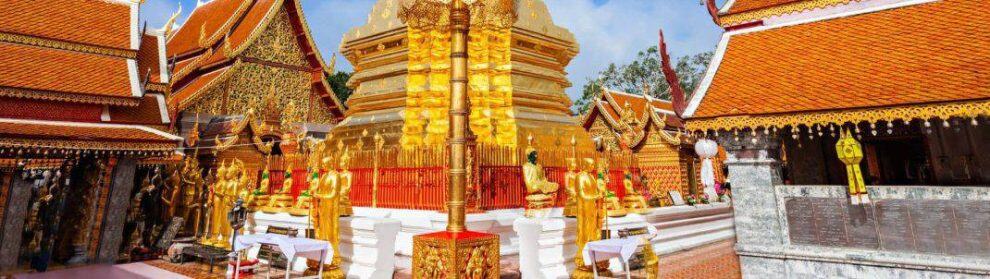
Wat Phra That Doi Suthep is the golden temple overlooking Chiang Mai from the forested mountain to the west of the city. Its central chedi, revered relic tradition and hillside setting make it one of northern Thailand’s most significant Buddhist sites, as well as a rewarding introduction to Lanna religious architecture.
The visit brings together a climb past naga guardians, a richly decorated inner courtyard and views across Chiang Mai when the air is clear. It is also an active place of worship, so allow time to understand the temple rather than treating the mountain journey as a quick lookout stop.
The Golden Chedi and Sacred Courtyard
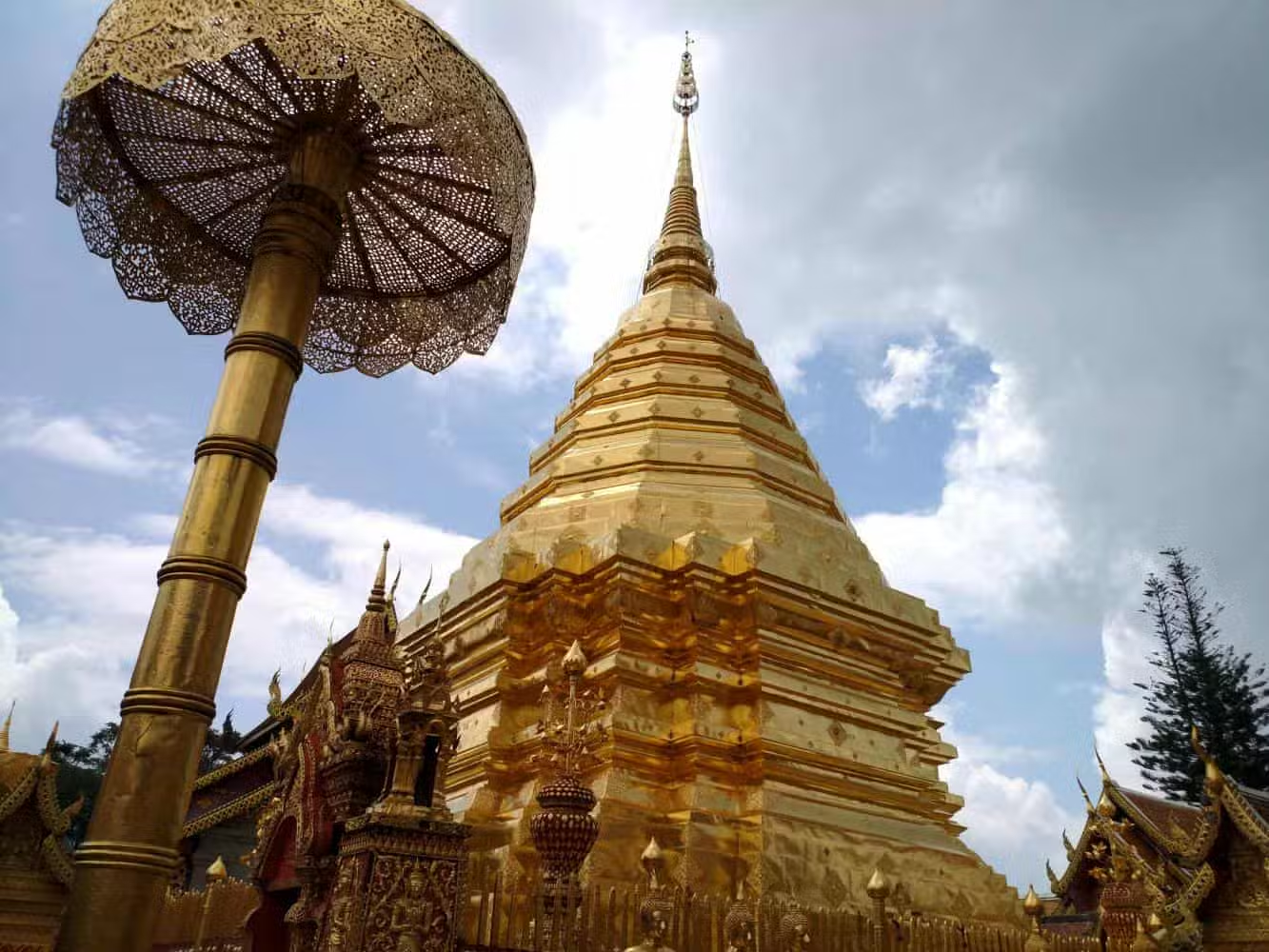
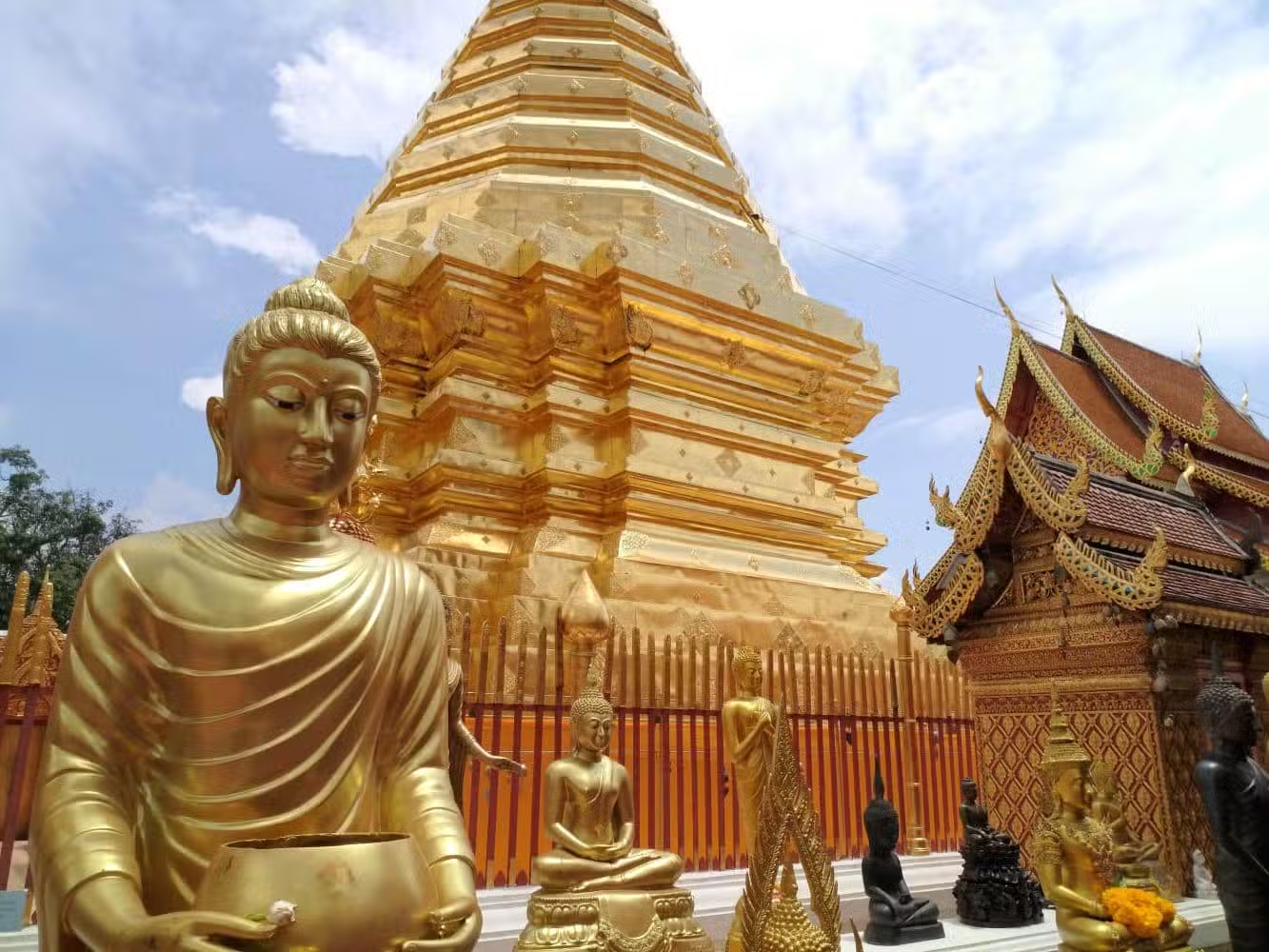
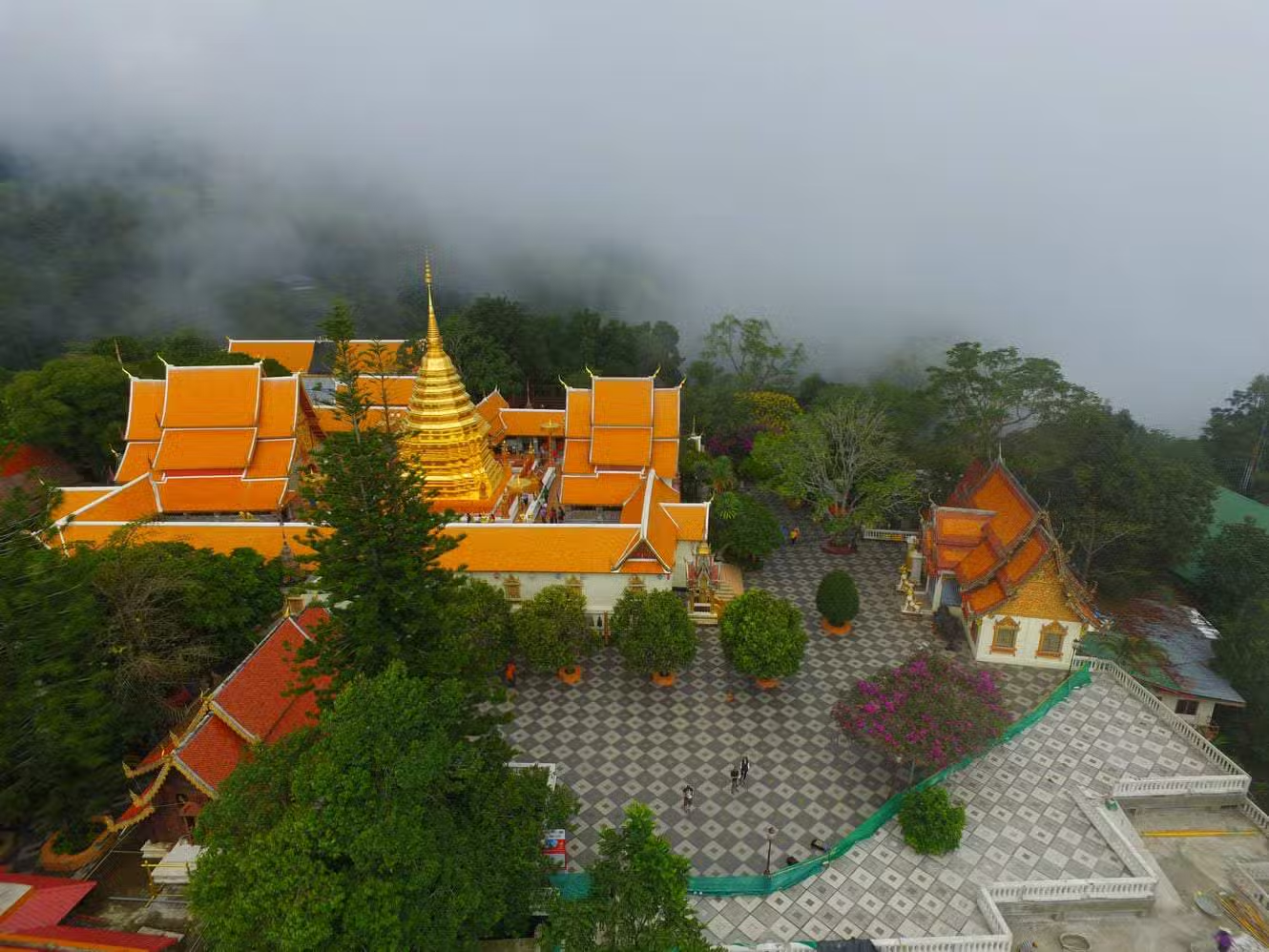
The golden chedi is the focus of the inner courtyard. Its rising form catches the light above the surrounding shrines, umbrellas and devotional objects, giving the temple a distinctive appearance even before you approach the main worship area. Walk slowly around the available visitor paths to appreciate the different views.
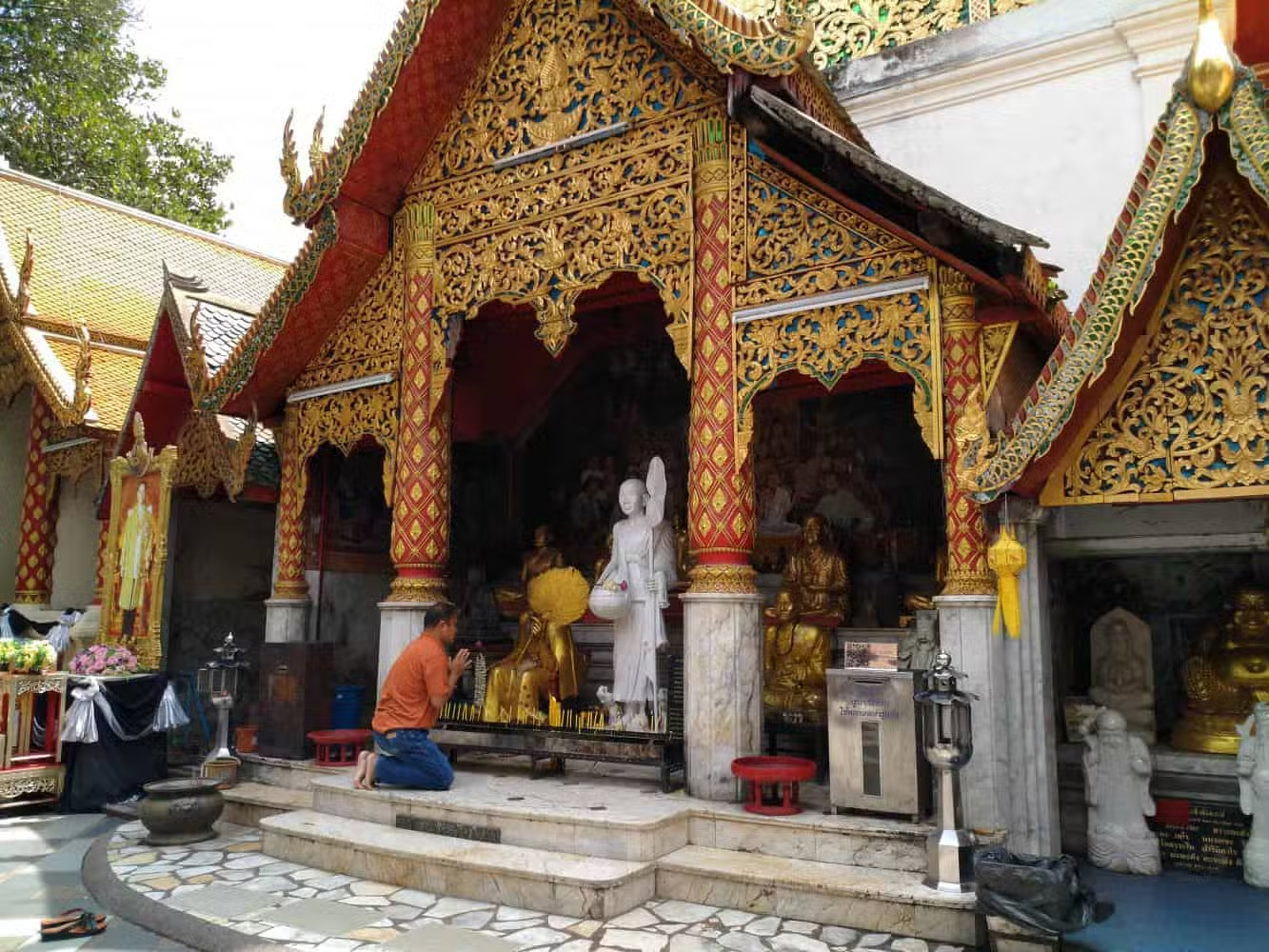
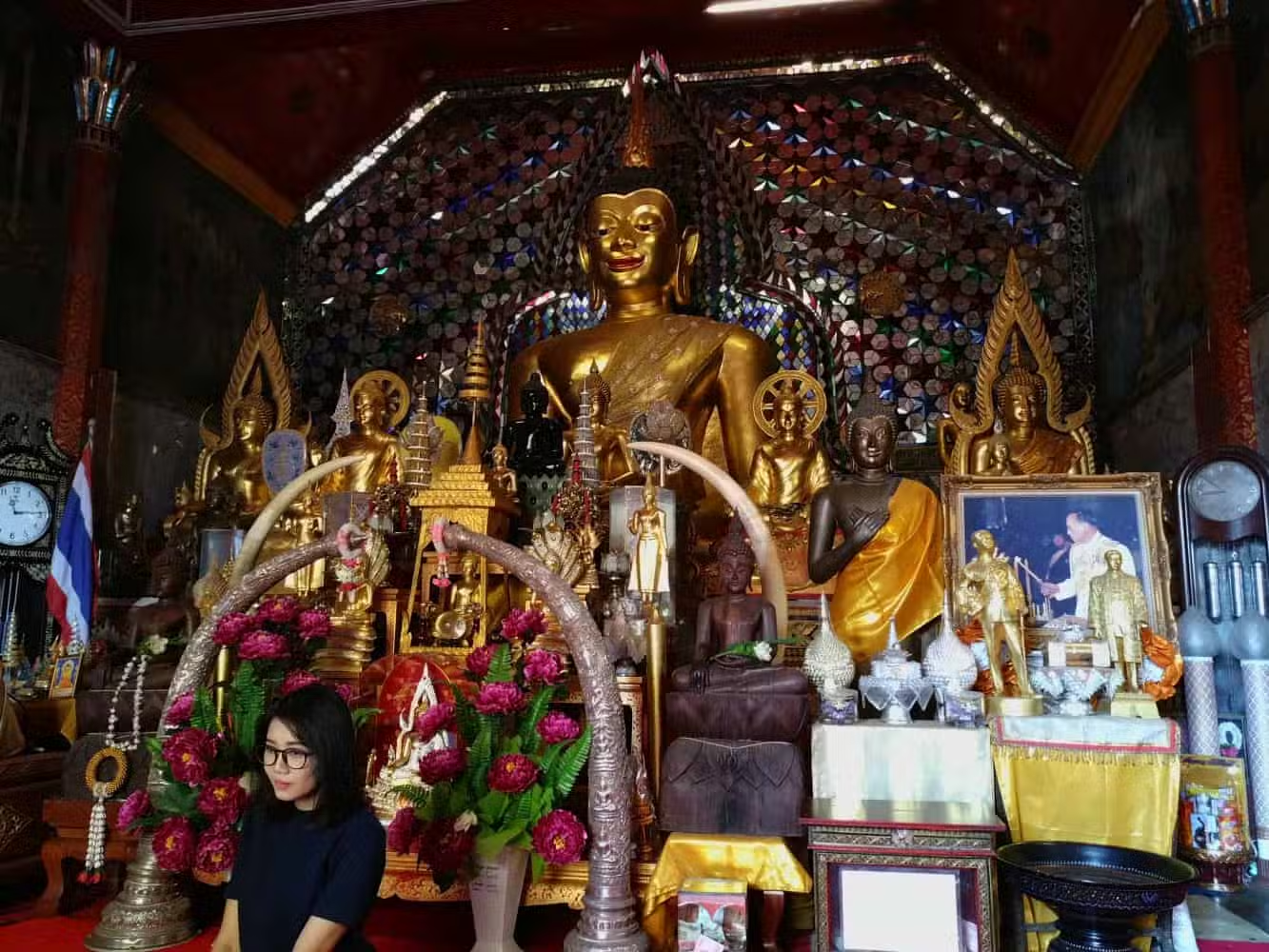
The chedi is associated with a sacred Buddha relic, which explains the temple’s importance to worshippers. People may bring flowers, candles and incense or walk clockwise around the shrine as part of their devotion. Observe respectfully, leaving space for those praying rather than stepping into their path for a photograph.
The inner sacred areas require shoes to be removed where indicated. Keep your footwear in the appropriate place and take care on warm or wet paving. A quiet circuit of the courtyard gives a better sense of the temple than moving rapidly between photographs.
The White Elephant Legend and Temple History
The temple’s foundation is associated with King Kuena in the 14th century. In the best-known account, a white elephant carried a sacred relic up the mountain and stopped at the place where the temple was established. This story remains central to how the site’s sacred location is understood.
The buildings have been enlarged, repaired and embellished over centuries. The temple therefore brings together the early relic tradition with later patronage and restoration. Its present appearance should not be taken to mean that every gilded surface or hall survives unchanged from the founding period.
Climbing the Naga Staircase
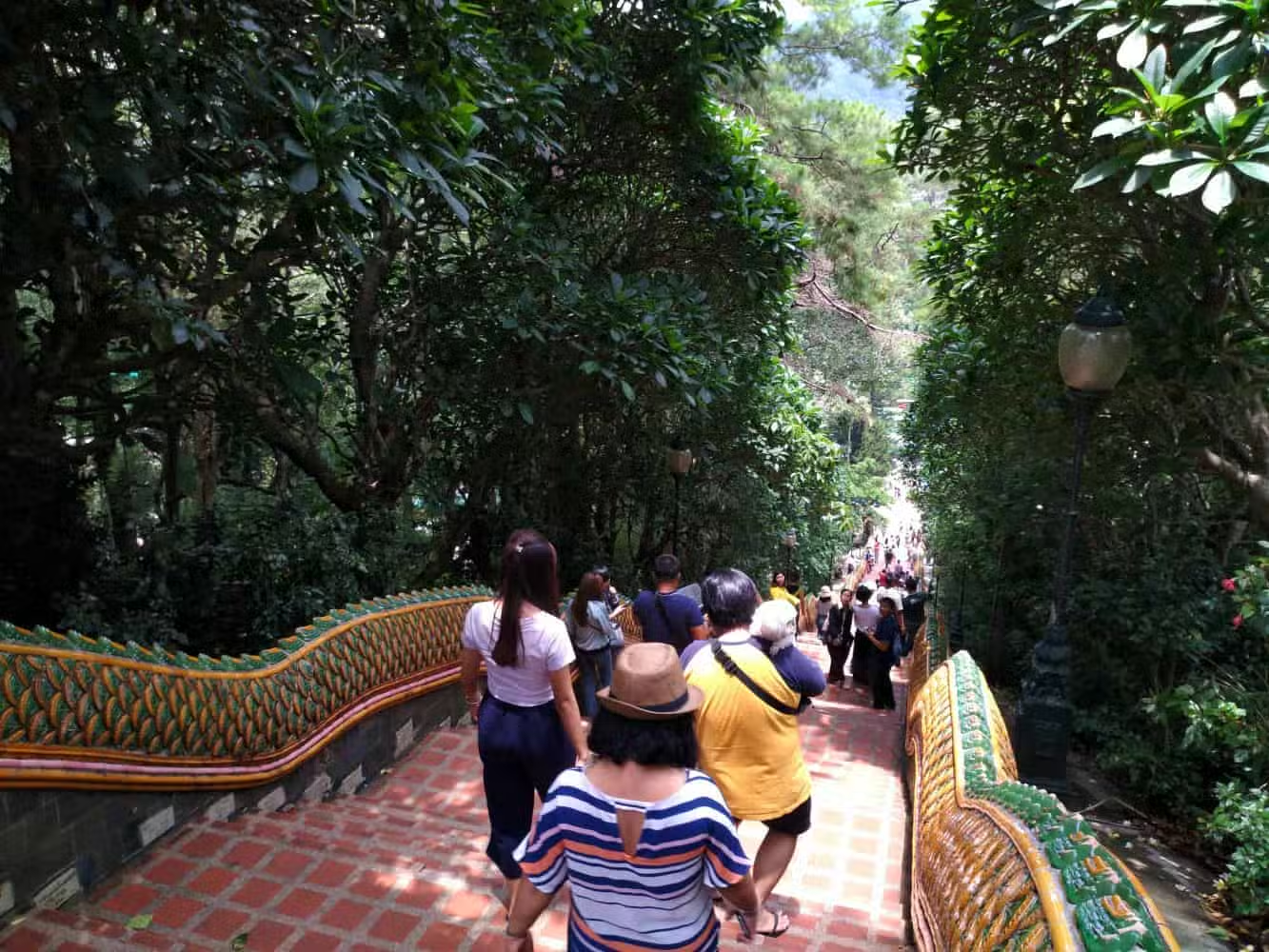
The main staircase has approximately 306 steps, with long naga figures forming its dramatic side rails. The climb is one of the most recognisable parts of the visit, and the guardians make it worth looking back as well as upwards. Stop at suitable places without blocking people climbing or descending.
For most visitors, the stairs are manageable at a steady pace, but heat, humidity and the mountain journey can make them feel more demanding. Wear secure footwear and allow rests if needed. Do not rush the ascent simply because a driver has allowed only a short temple stop.
Taking the Funicular
A paid funicular provides an alternative to the main staircase. It can be useful for visitors who prefer to avoid the long climb, though there can be a queue during busy periods. Confirm the current ticket charge and whether the quoted amount includes temple admission.
Usual funicular operation is around 6am to 6pm, which is shorter than the wider grounds’ published visiting window. Check its last service before relying on it for an evening return. Mechanical access and ticket arrangements can change independently of temple ceremonies.
Using the funicular does not guarantee a completely step-free visit throughout the complex. Changes in level, thresholds and movement between courtyards can still matter. If access is central to your trip, check the entrance arrangement and available assistance before travelling up the mountain.
Views, Bells and Lanna Architecture
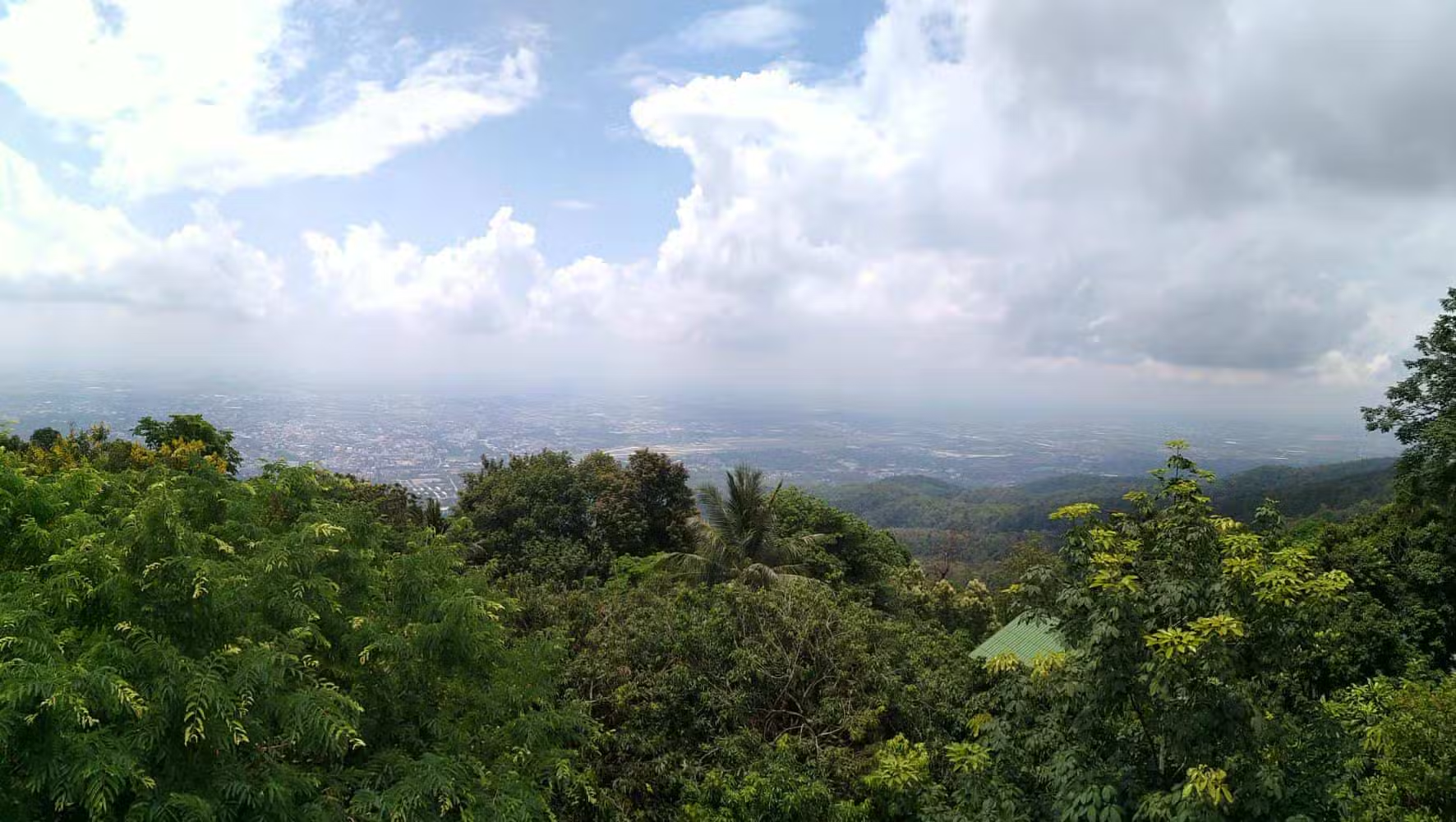
The terrace offers a broad outlook towards Chiang Mai, the surrounding plain and the city below. Clear conditions make the geography easy to understand, while haze, smoke or cloud can reduce visibility considerably. Plan to enjoy the temple itself even if the distant view disappears.
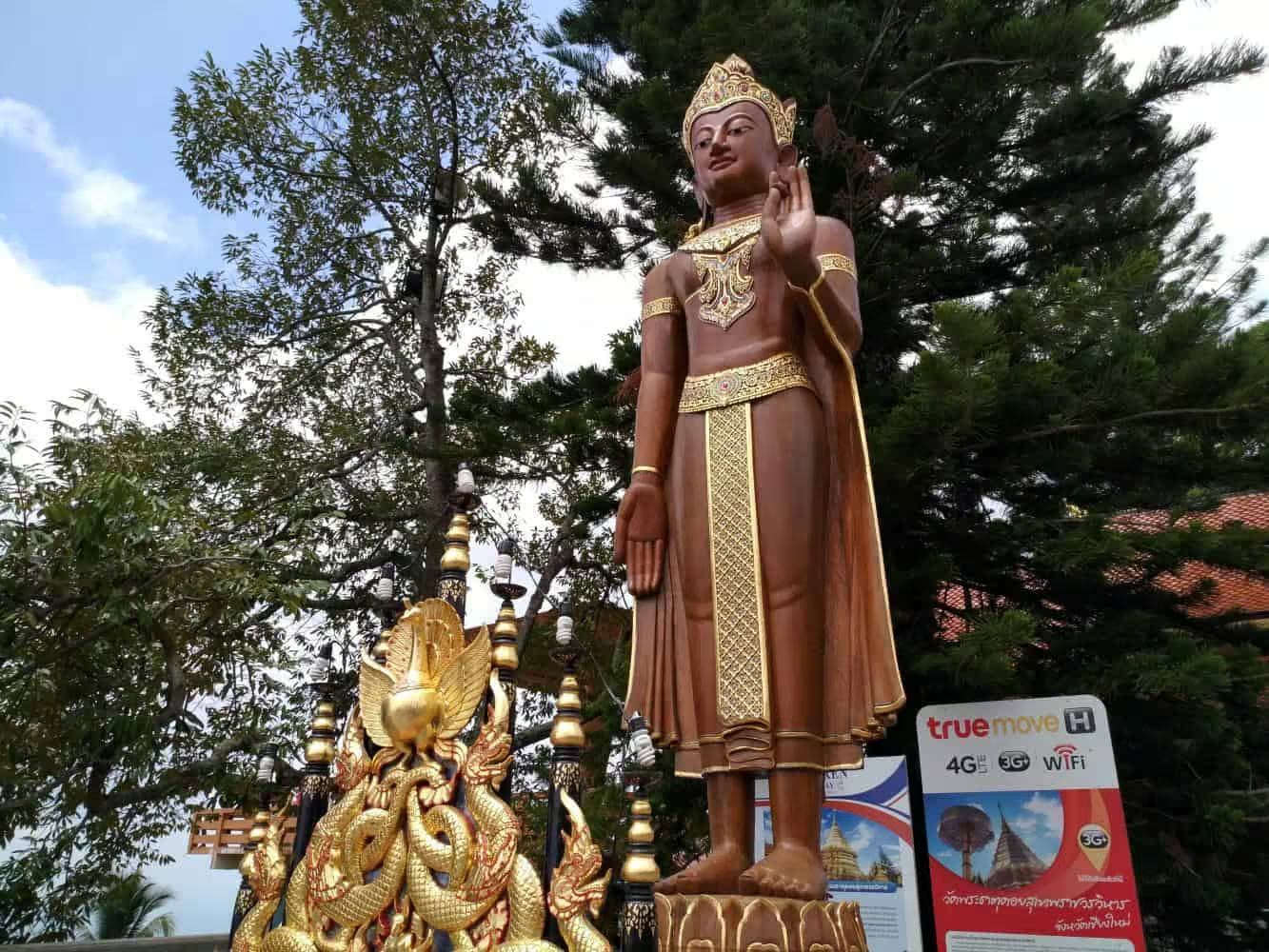
Layered roofs, decorated gables, guardian figures and carved woodwork reward a closer look around the visitor areas. The contrasting scale of halls and small shrines gives the complex more variety than the central chedi alone suggests. Follow the available paths and avoid entering spaces reserved for monks or temple work. Use bells and devotional objects only as local instructions allow.
Admission, Hours and Religious Visits
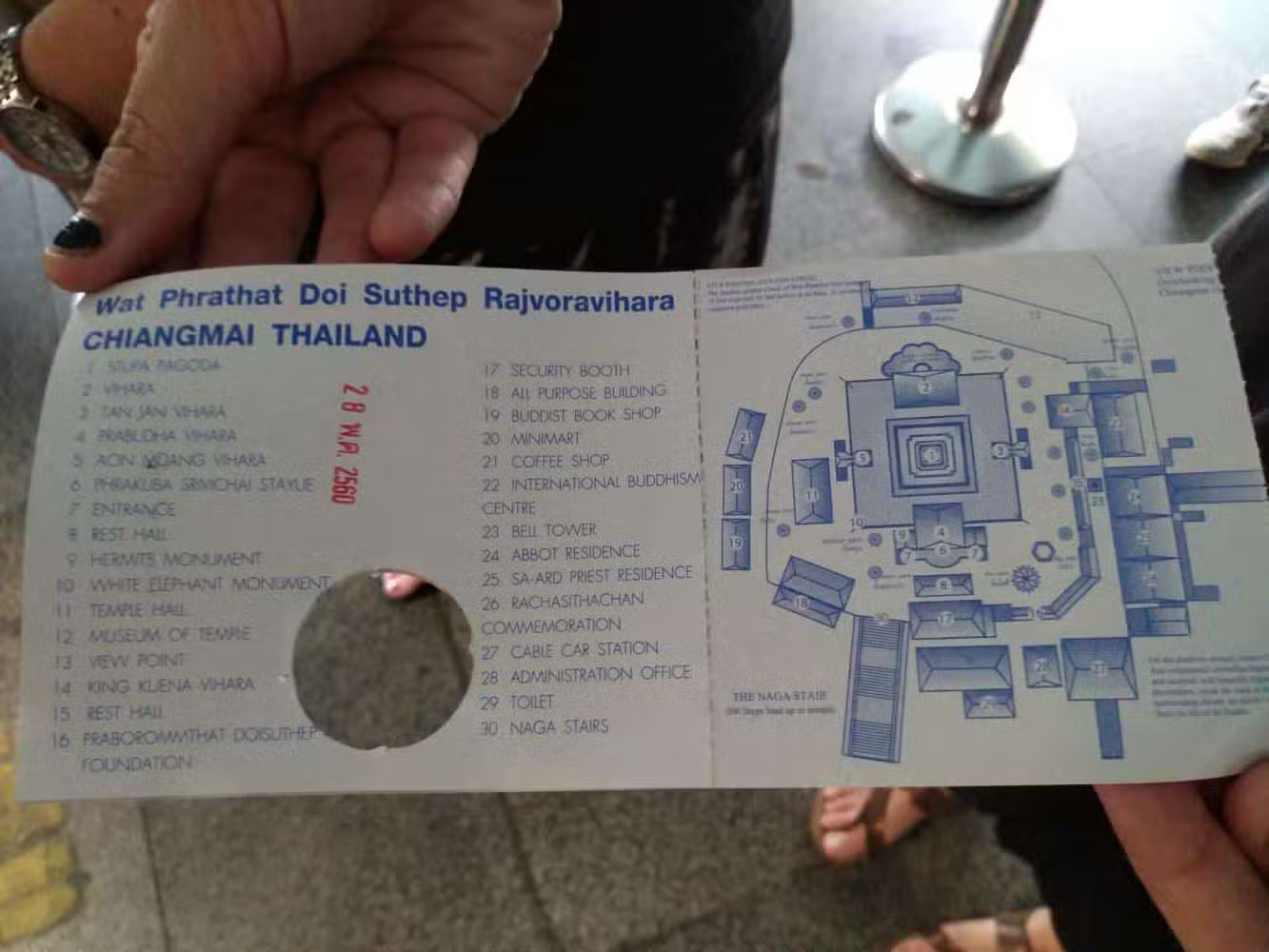
Foreign visitor admission is normally 30 THB, while Thai visitors usually enter without that charge. The funicular is additional unless a combined ticket explicitly includes it. Carry small cash and clarify the ticket arrangement at the counter.
Usual grounds hours are around 5am to 9pm, with the funicular usually operating from 6am to 6pm. Individual halls and services have their own arrangements, so the outer visiting window is not a promise that every interior will be accessible throughout. Daylight gives the clearest opportunity to see the architecture and mountain views.
The ordinary public-road journey to Doi Suthep does not carry the separate national park hiking fee charged on routes such as the Monks Trail. That road arrangement does not remove the temple’s foreign visitor admission. Keep park trail charges, temple entry and optional transport tickets separate when budgeting.
Visakha Bucha and other important Buddhist dates can bring large numbers of worshippers, including people making the mountain pilgrimage. Allow extra travel and waiting time around religious events. If you visit during a ceremony, follow directions and make worshippers’ access the priority.
Dress and Photography
Cover shoulders and knees, and choose clothing suitable for entering a sacred temple after the journey uphill. Remove shoes in the marked areas and keep your feet pointed away from Buddha images when seated. Speak quietly and silence your phone in worship spaces.
Photographs are generally possible in visitor areas where permitted, but notices and ceremonies take precedence. Ask before photographing people closely and avoid flash or intrusive pictures of prayer. Do not touch images, offerings or religious objects to improve a composition.
Getting to Wat Phra That Doi Suthep
The temple is roughly 15 kilometres west of central Chiang Mai, reached by the winding mountain road beyond the zoo area. Follow the signed Doi Suthep road approach rather than navigating to the mountain summit or assuming every national park pin refers to the temple.
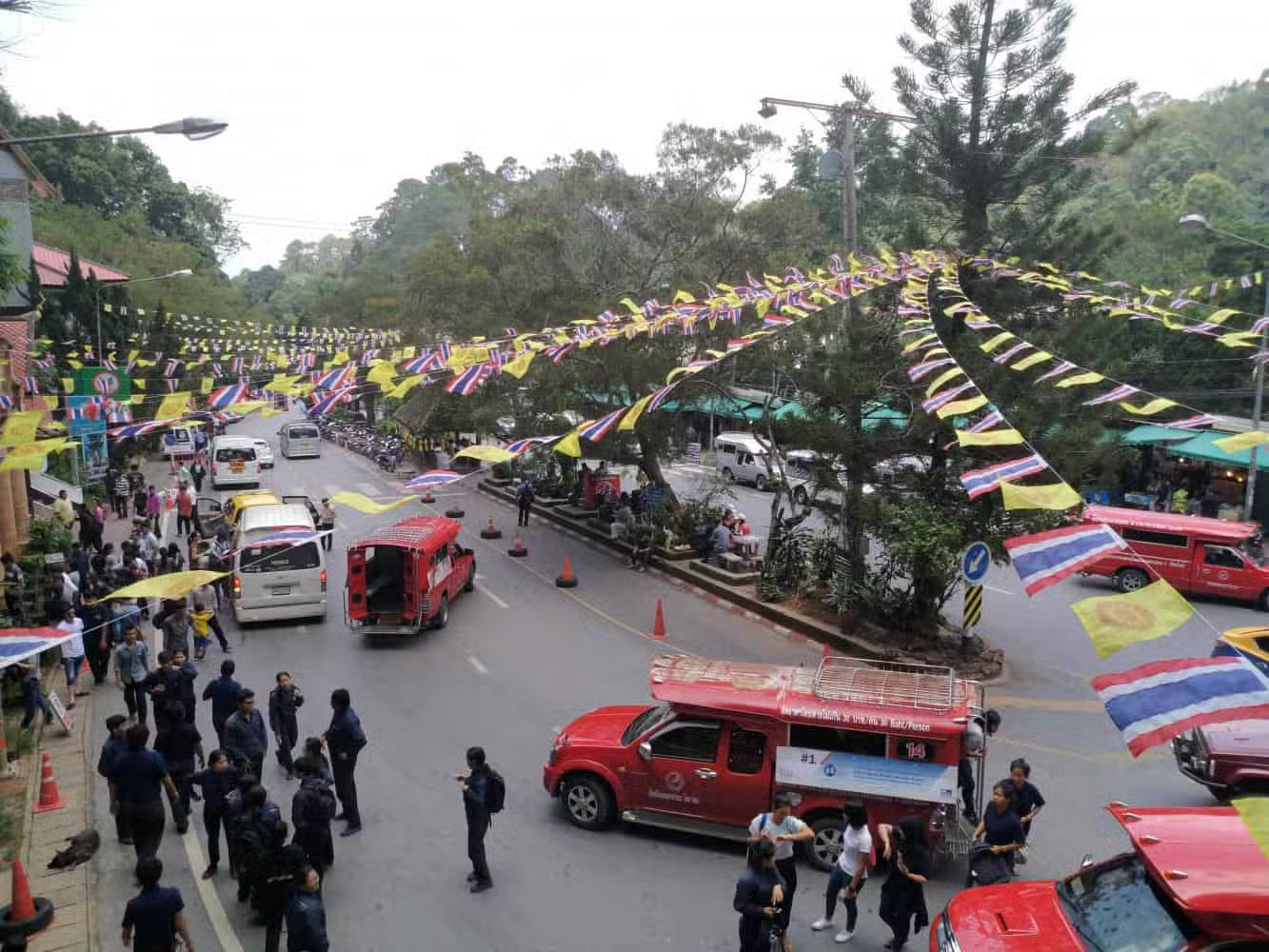
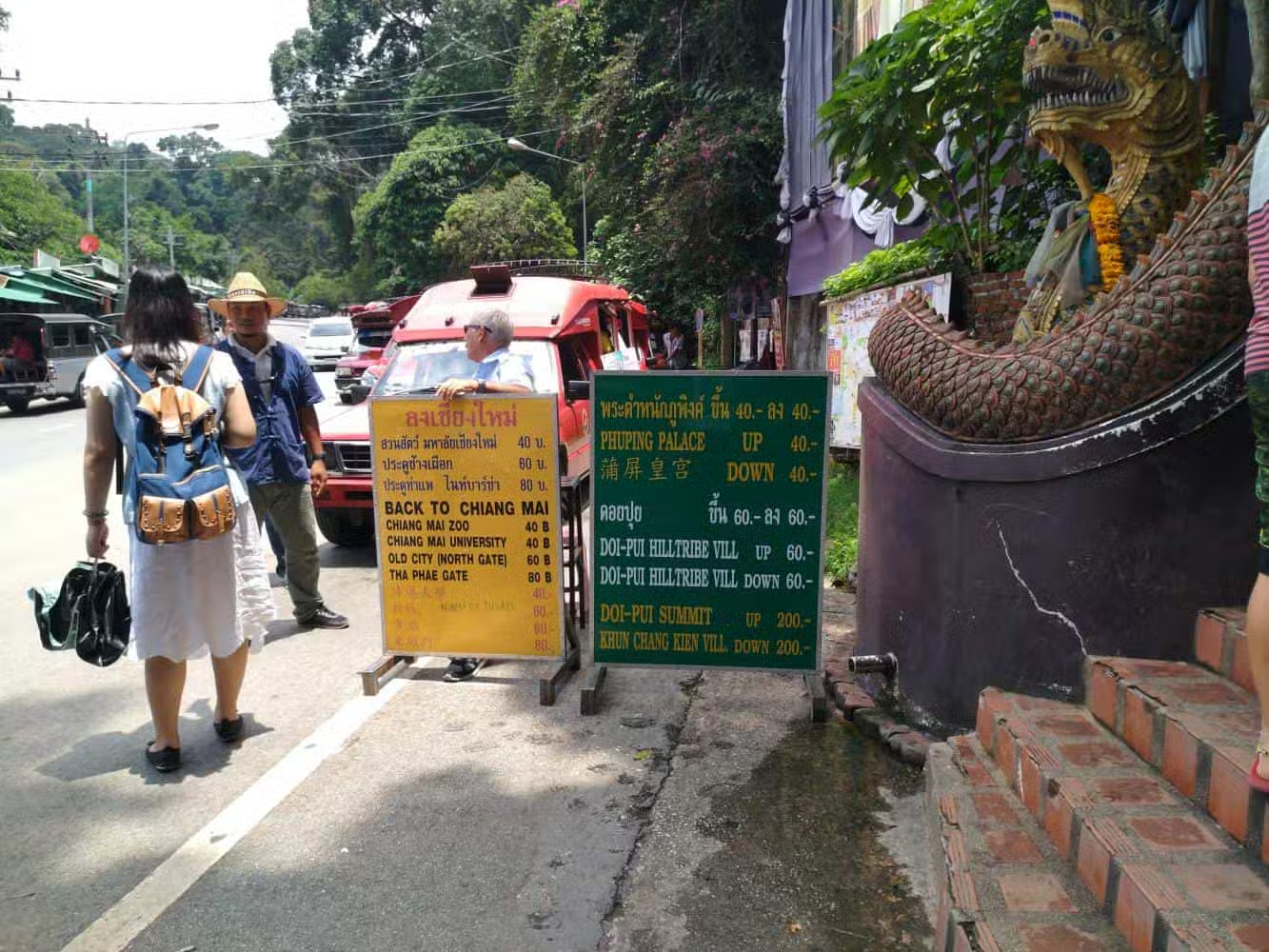
Shared songthaews commonly gather around Chiang Mai Zoo for the mountain journey. Ask about the departure arrangement, fare and return before boarding: a shared vehicle may wait for enough passengers, while a private charter has different pricing. The ordinary city songthaew fare is not a reliable guide to this trip.
A private driver, taxi or organised tour is convenient when combining stops or travelling with a group. Agree the waiting time and where you will meet after the temple visit. Allow roughly one to two hours at the complex, plus the road journey, queues and any other places on your itinerary.
If driving or riding, account for the road’s bends, gradient and changing weather. Use the designated parking or drop-off arrangement near the lower entrance and keep pedestrian access clear. Bring a light layer for cooler conditions and allow for rain on the mountain.
Planning Other Stops on the Mountain
Wat Pha Lat, lower on the mountain, offers a contrasting forest-temple setting and can be visited by road. Reaching it via the Monks Trail is a separate hike with a park entrance charge and its own timing. Choose the road stop or walking route deliberately rather than combining them without a plan.
Bhuping Palace and Doi Pui village lie farther along the mountain road. Check current visitor access and allow sufficient time before adding them; the palace’s gardens have their own arrangements. A longer itinerary should still leave room for an unhurried Doi Suthep visit and the return drive.
Wat Phra That Doi Suthep FAQs
What makes Wat Phra That Doi Suthep important?
Its golden chedi is associated with a sacred Buddha relic and a 14th-century foundation tradition. It remains a major place of Buddhist worship as well as a landmark above Chiang Mai.
How many steps lead to the temple?
The main naga staircase has approximately 306 steps. Take the climb steadily, keep clear of other visitors and allow extra time in hot or wet conditions.
Can you avoid the stairs?
A paid funicular provides an alternative to the main climb, usually operating around 6am to 6pm. Confirm the last service and remember that the rest of the complex may still involve steps or changes in level.
How much is admission?
Foreign visitor admission is normally 30 THB, with Thai visitors usually entering free. The funicular costs extra unless your ticket explicitly combines the two charges.
When can you visit?
The usual published grounds window is around 5am to 9pm, but halls, ceremonies and the funicular have separate arrangements. Daylight is the most useful time for architecture and views.
Is a national park fee charged on the road trip?
The ordinary public-road approach does not carry the separate hiking fee charged on trails such as the Monks Trail. The temple’s own foreign visitor admission still applies.
How long should you allow?
Allow about one to two hours at the temple, plus the mountain journey and any queues. Religious events, photography or additional mountain stops can extend the outing.
How do you get there without a car?
Shared mountain songthaews commonly gather around Chiang Mai Zoo, or you can arrange a private driver or tour. Confirm the fare, departure and return arrangement before leaving.
What should you wear?
Cover shoulders and knees and remove shoes where indicated in sacred areas. Bring a light layer for cooler mountain conditions and follow local photography and worship etiquette.












Do You Have a Question to Ask?