


















































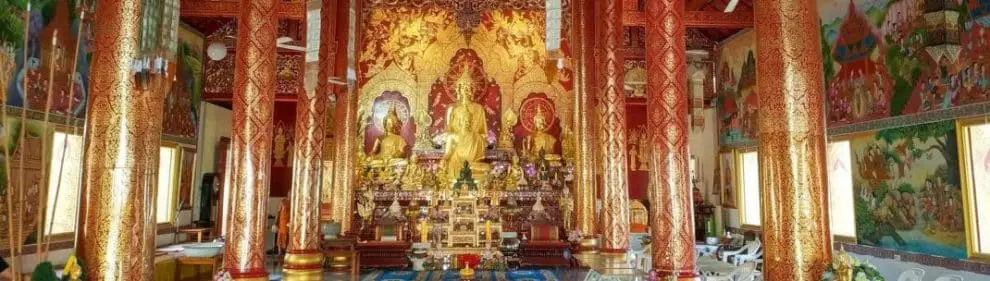
Wat Loi Khro, often written Wat Loi Kroh, is a Buddhist temple on Loi Kroh Road east of Chiang Mai’s Old City. Its prayer hall, chedi and decorative details provide a cultural stop along the route between the moat and the Night Bazaar, with a history connected to people who resettled Chiang Mai from the Chiang Saen area.
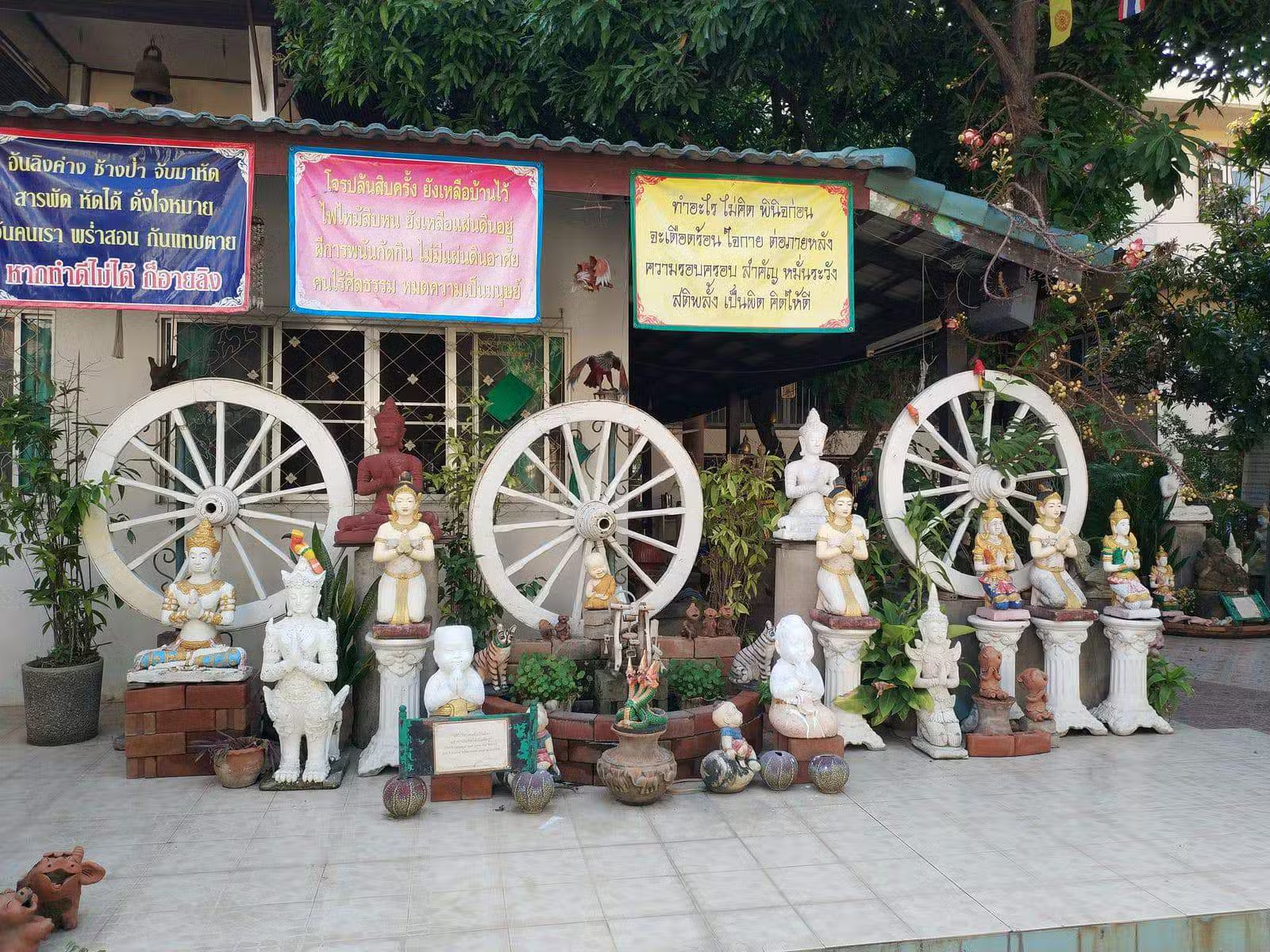
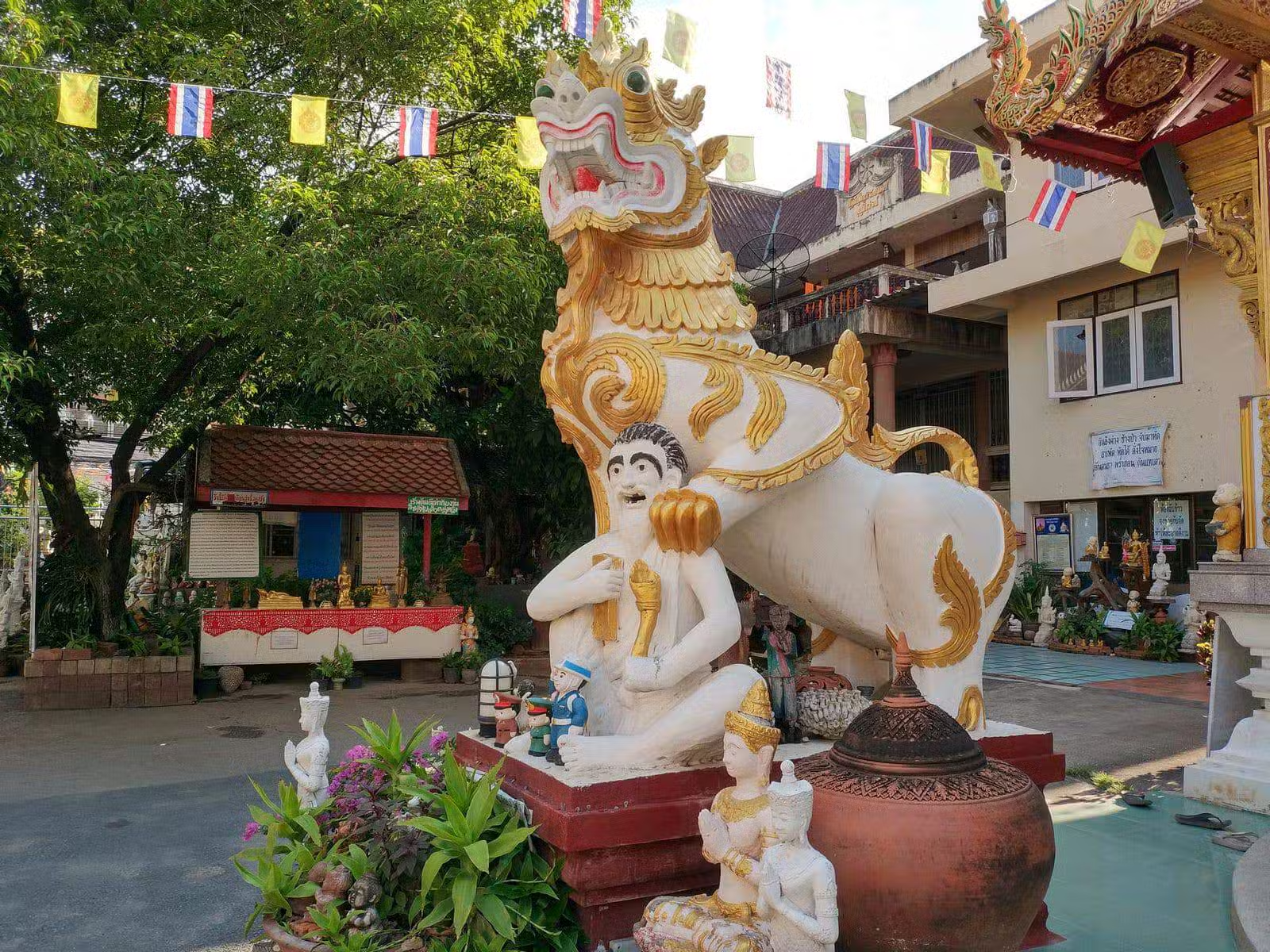
The temple sits beside a busy visitor street, but the compound gives you a different reason to explore the neighbourhood in daylight. Look at the ornament around the hall entrance and leave time to appreciate the grounds, while allowing worship and monastic routines to take priority over sightseeing.
The Prayer Hall, Chedi and Decorative Details
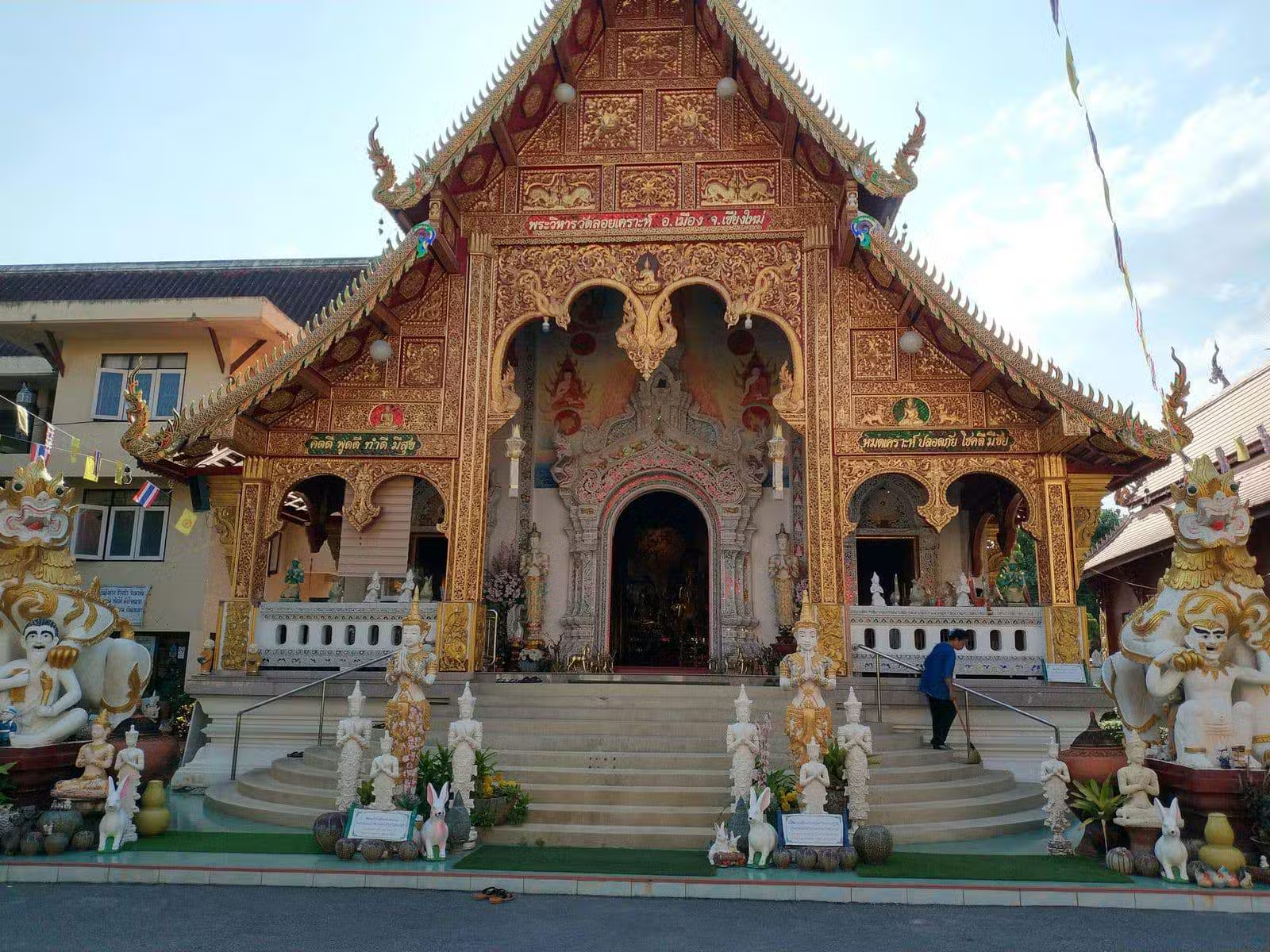
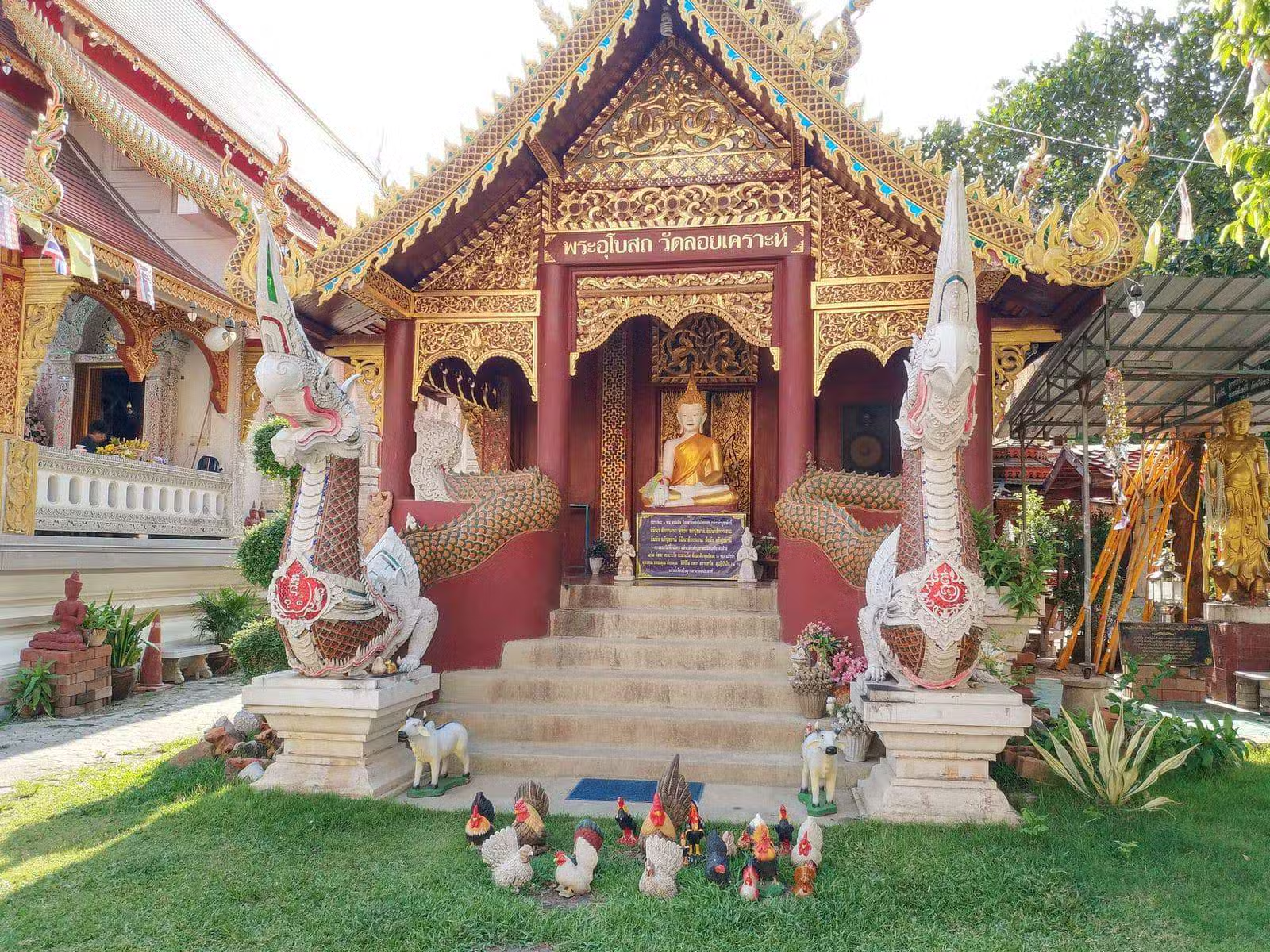
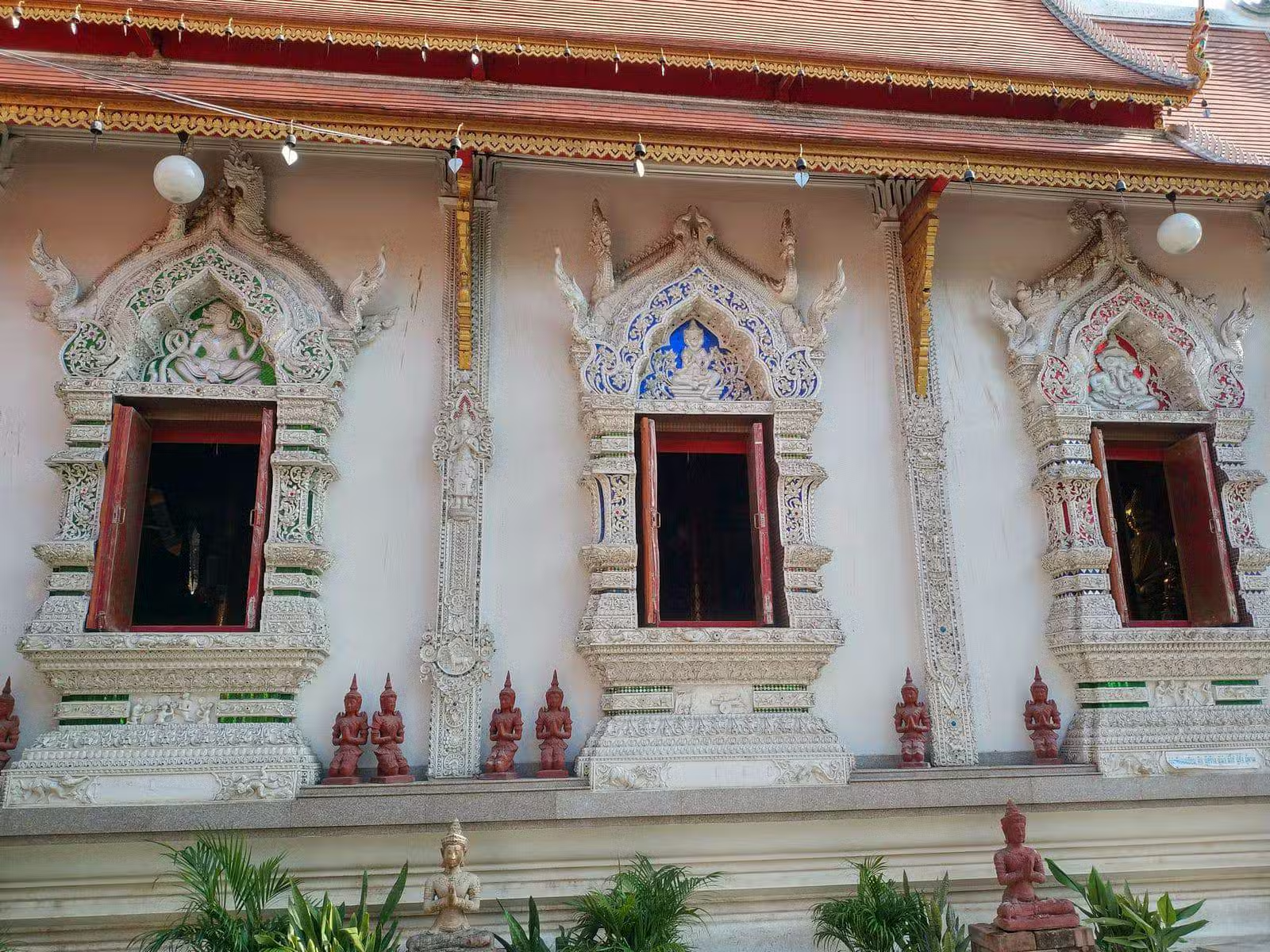
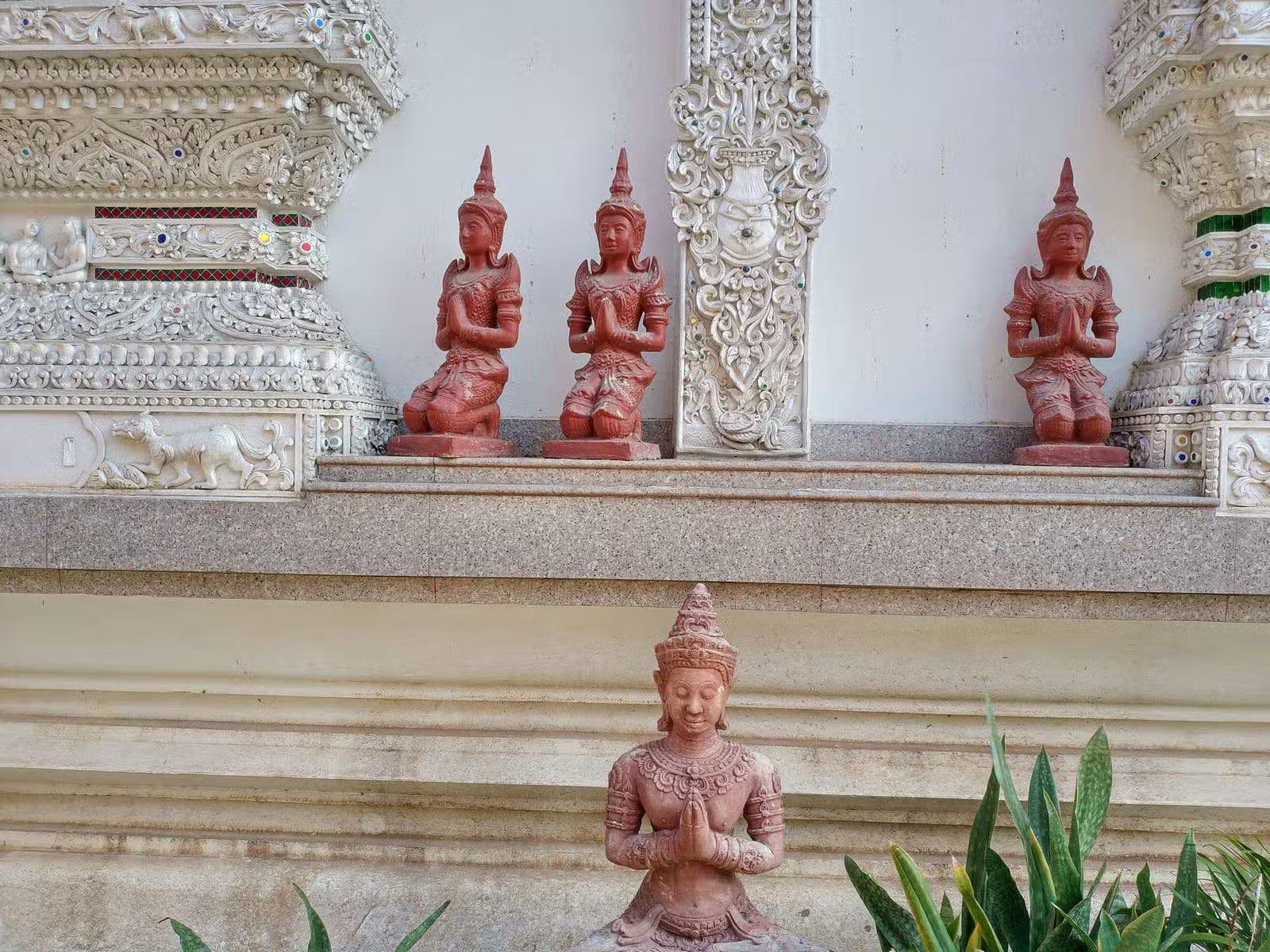
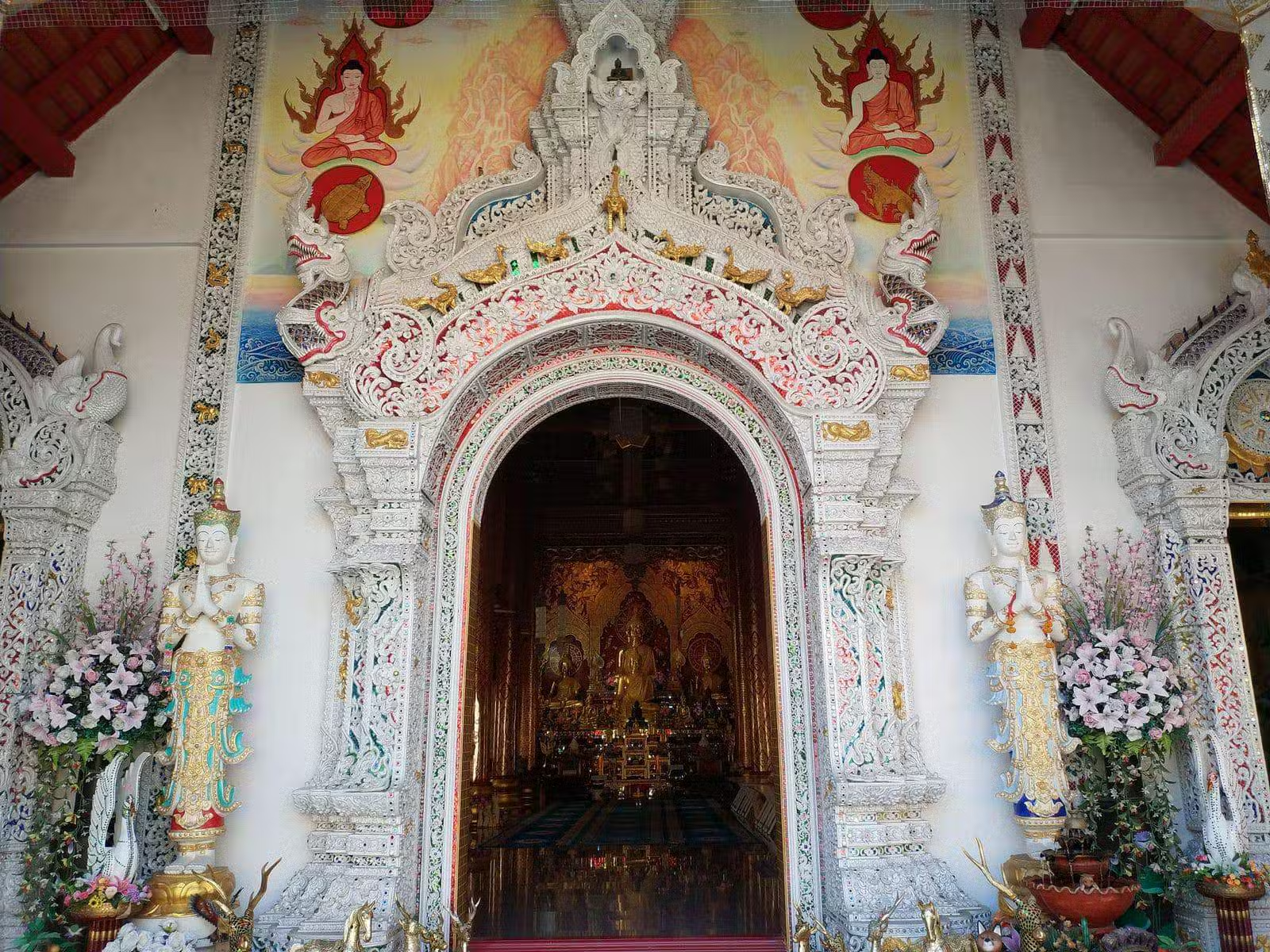
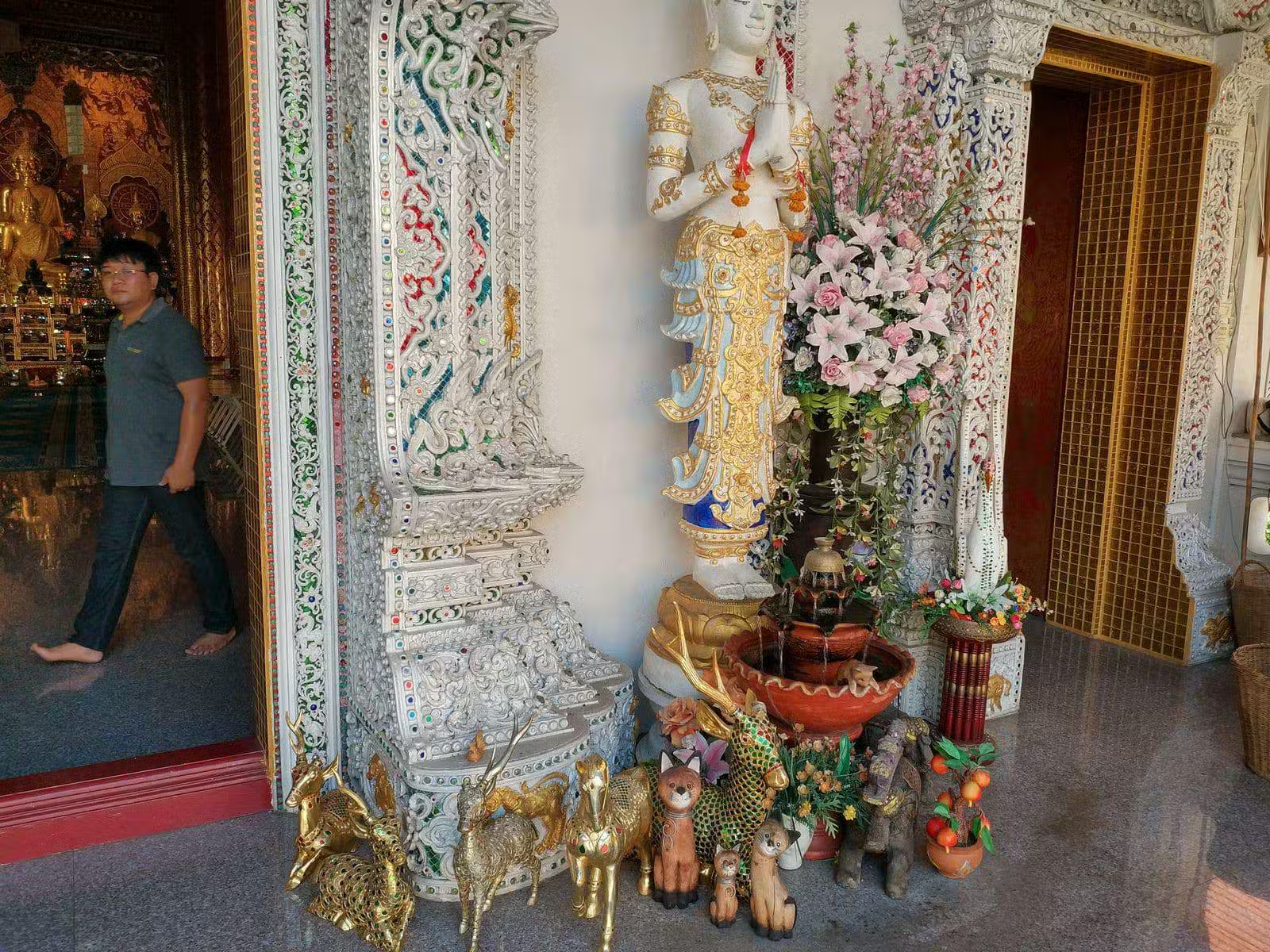
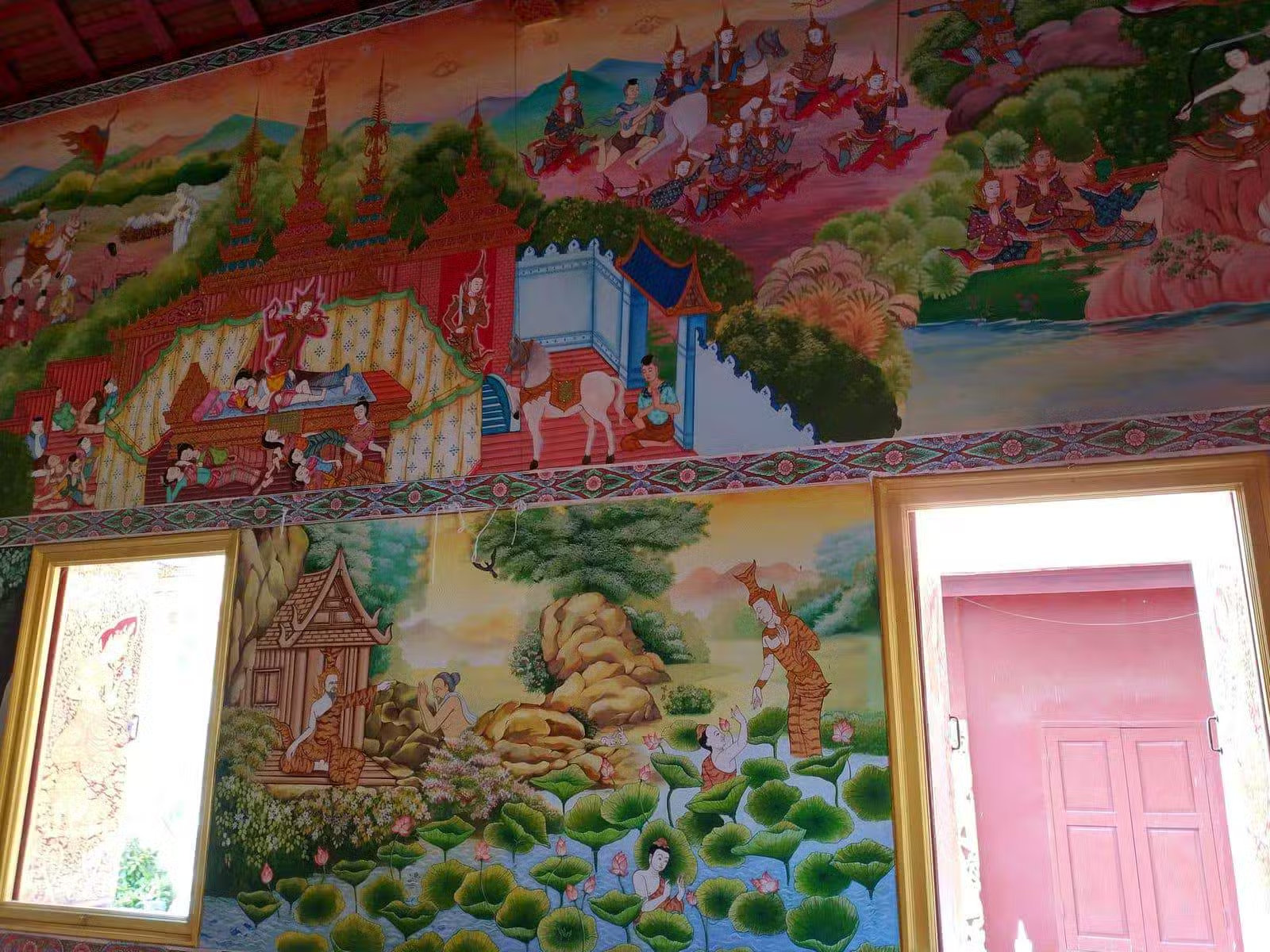
The hall’s gable and doorway reward a closer look, with carved patterns and sacred figures worked into the decoration. Glass details on the naga serpent ornament catch the light, giving a useful contrast with the building’s roof and surrounding surfaces. View these features from the public approach without touching the carving or blocking the steps.
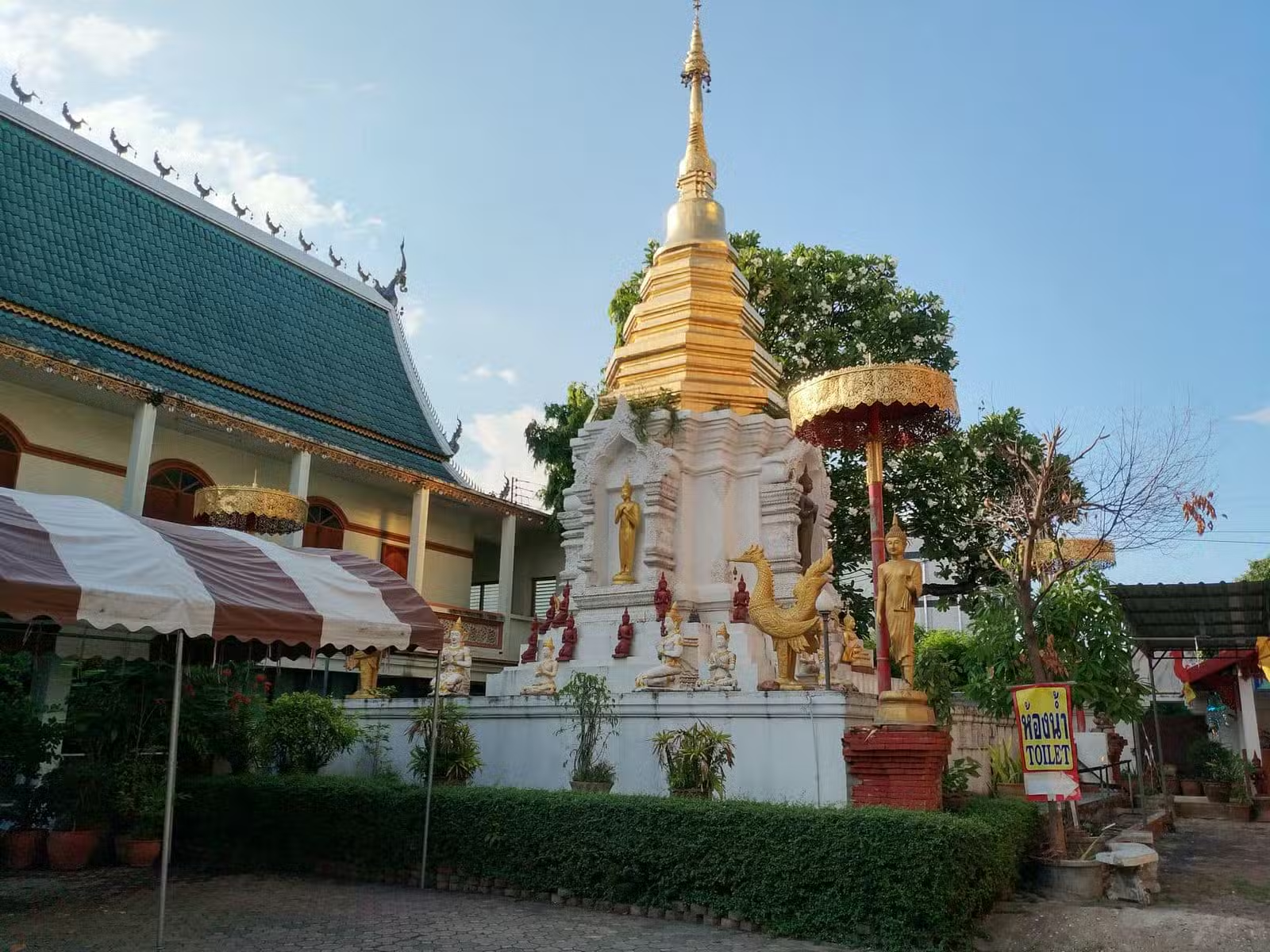
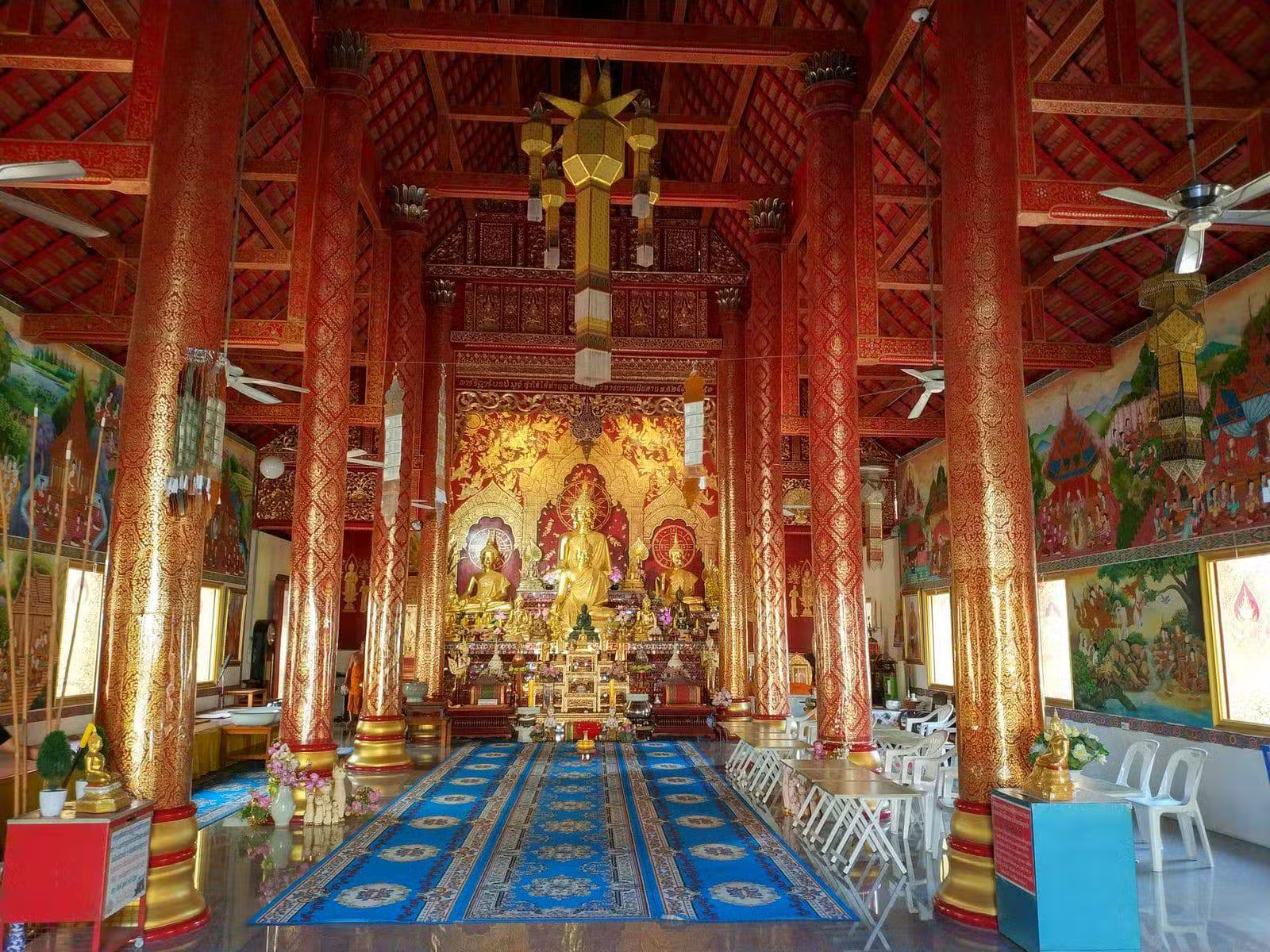
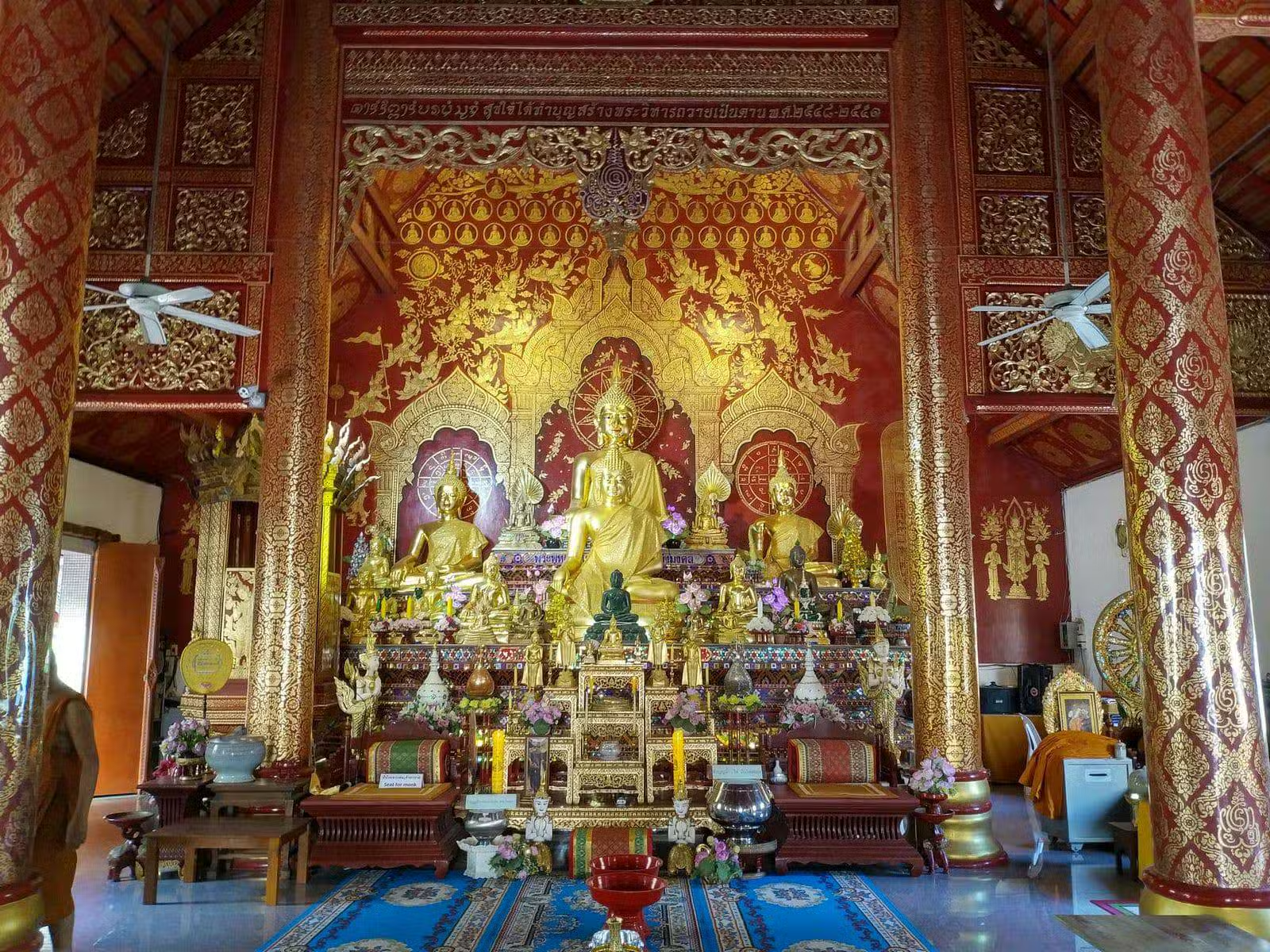
The chedi adds another point of interest in the compound. Walk around the accessible grounds to see how the hall and stupa relate, rather than stopping only for a photograph at the gate. If the prayer hall is open, enter quietly and observe the Buddha images and interior from an appropriate place.
A Temple Connected with Chiang Saen
The temple’s story includes an earlier religious site and a later rebuilding by people from Ban Hom near Chiang Saen. Their settlement in the Loi Kroh neighbourhood formed part of the wider repopulation of Chiang Mai during the restoration period associated with Kawila.
This community connection gives the temple meaning beyond its decorative façade. The religious site has a longer history than every building visible today, and the surviving architecture reflects periods of rebuilding and repair. Look for information at the temple if you want to understand that local story in more detail.
Visiting on Foot Between the Moat and Night Bazaar
Loi Kroh Road runs east from the southeastern side of the Old City towards the Night Bazaar area. The temple is on this route, making it convenient for a daytime walk before exploring the commercial streets further east. From Tha Phae Gate, head south along the moat to reach Loi Kroh Road, then walk east to the temple entrance.
Allow around 20 to 30 minutes for the grounds and any open hall. Visit in daylight and check the entrance signs for current access; an active temple’s buildings can close for worship, ceremonies or maintenance even while part of the compound remains accessible. General entry is normally free, with donations welcome.
Cover shoulders and knees, remove shoes where required and speak quietly. Ask before photographing monks or people praying, and use the donation box or follow staff instructions if making an offering. Do not expect a guided monk conversation or a ceremony to be available on demand.
A taxi, tuk-tuk or agreed songthaew trip can take you to the Loi Kroh Road entrance if you are staying farther away. Arrange a suitable roadside stop and watch for traffic along the busy street. A temple visit and the evening Night Bazaar have different rhythms, so allow a break rather than assuming the hall stays open throughout the market hours.
Wat Loi Khro FAQs
Is Wat Loi Khro the same as Wat Loi Kroh?
These are spelling variants used for the temple on Loi Kroh Road east of the Old City. Use the temple name and road location together when arranging transport.
What should you look for?
Look at the decorated gable and doorway, glass-detailed naga ornament, chedi and Buddha images in any hall open to visitors. Move through the public grounds respectfully and avoid interrupting prayer.
What is its connection with Chiang Saen?
Its rebuilding is associated with villagers from Ban Hom near Chiang Saen who settled in the Loi Kroh neighbourhood. This forms part of Chiang Mai’s wider restoration and repopulation history.
Is there an entrance fee?
General entry is normally free and donations are welcome. Check current access at the entrance, particularly if you are visiting around a ceremony or hoping to enter the prayer hall.
Can you combine it with the Night Bazaar?
Yes. Loi Kroh Road leads towards the Night Bazaar area, making the temple a useful daylight stop on the walk. Temple access should be planned separately from the later evening market.









Do You Have a Question to Ask?