



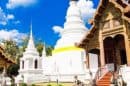









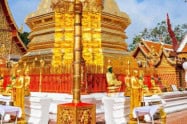





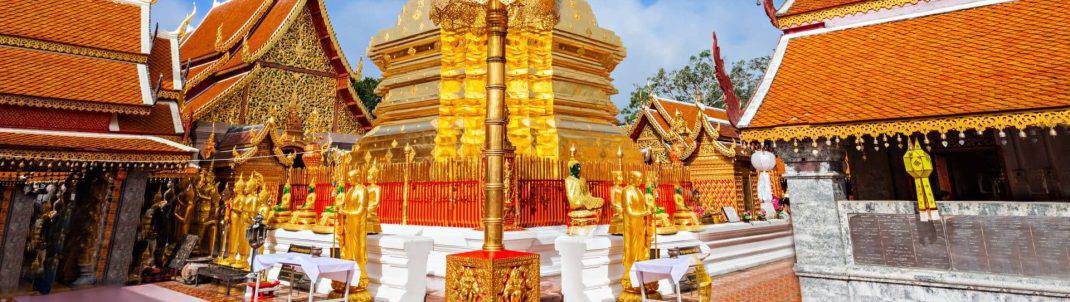
Wat Phra That Si Chom Thong is an important Buddhist temple in Chom Thong, about 60 kilometres southwest of Chiang Mai. Its golden chedi and richly decorated halls are part of a living place of worship associated with the revered Phra Boromathat Chom Thong relic, while a separate meditation centre within the monastery welcomes people seeking a longer stay.
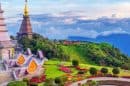
A temple visit and a meditation retreat require different plans. Sightseers can come to see the public sacred buildings and pay their respects, whereas retreat participants join a structured programme with teaching, accommodation and monastery rules. The location on the Highway 108 corridor also makes it a possible cultural stop on a journey towards Doi Inthanon.
The temple and its sacred relic
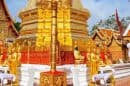
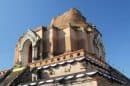
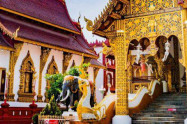
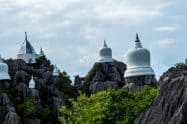
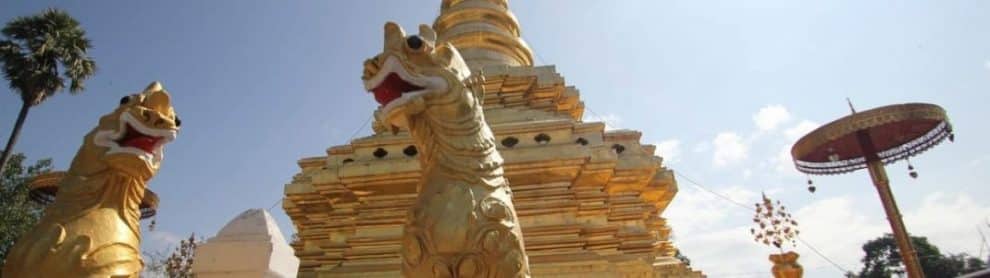
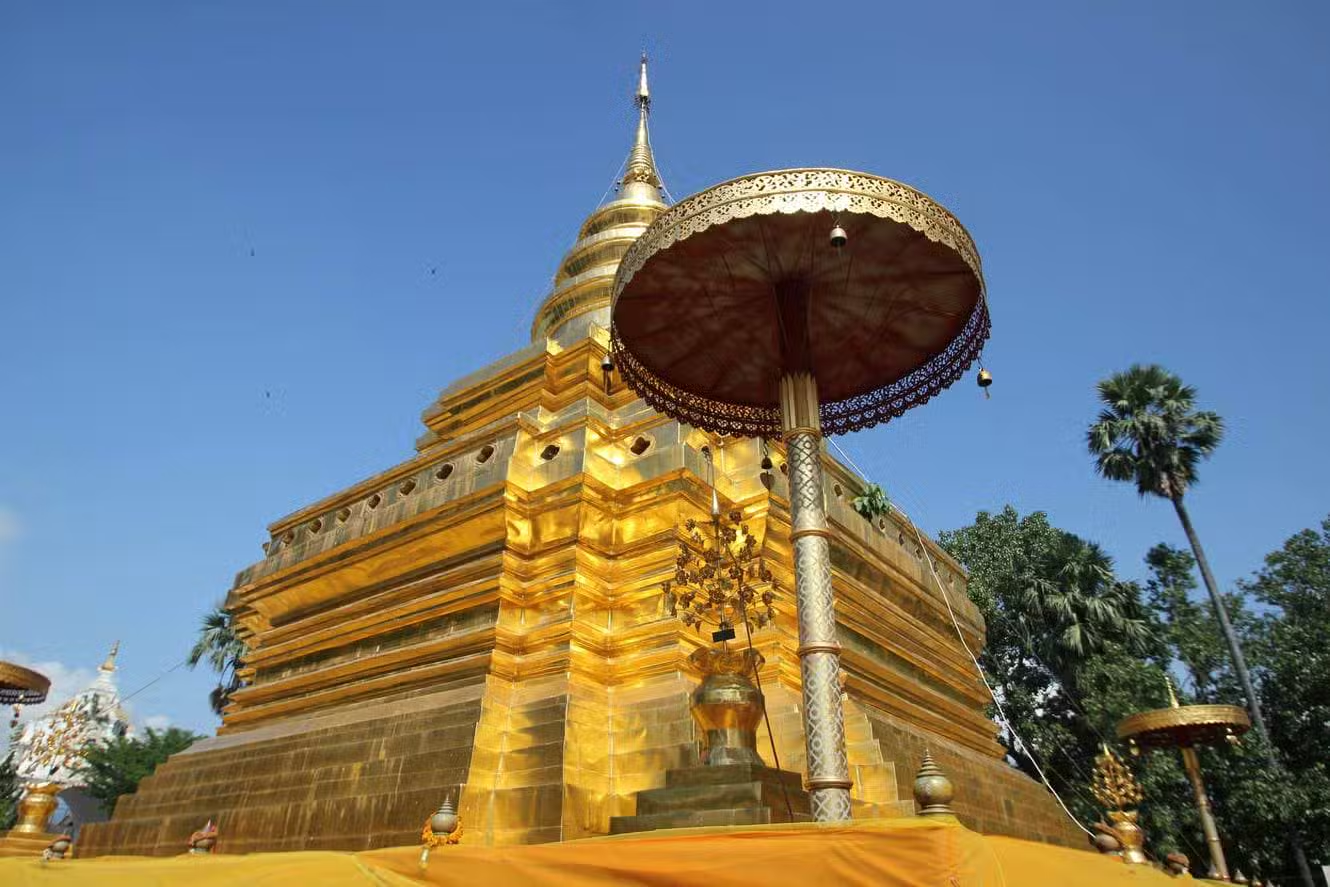
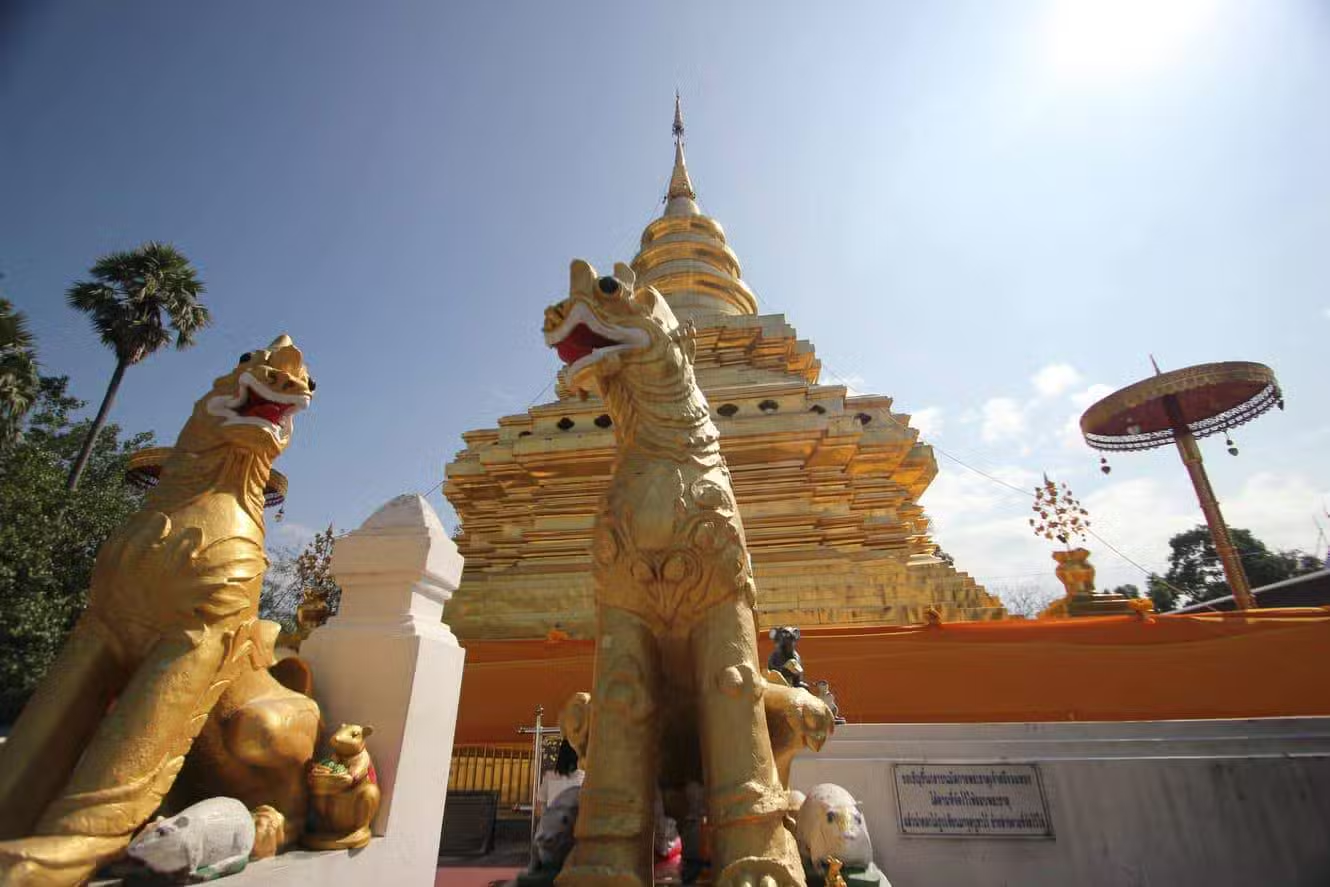
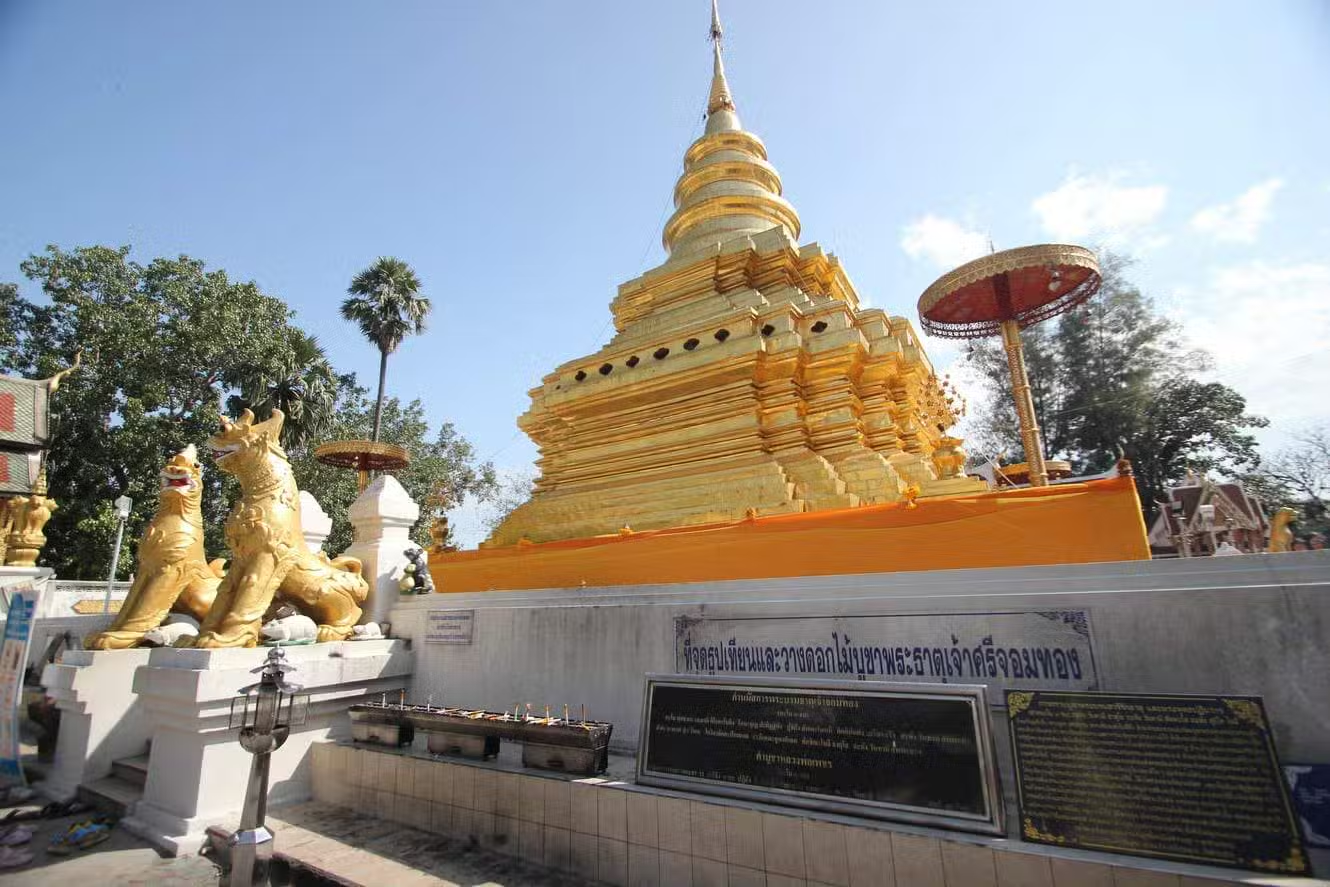
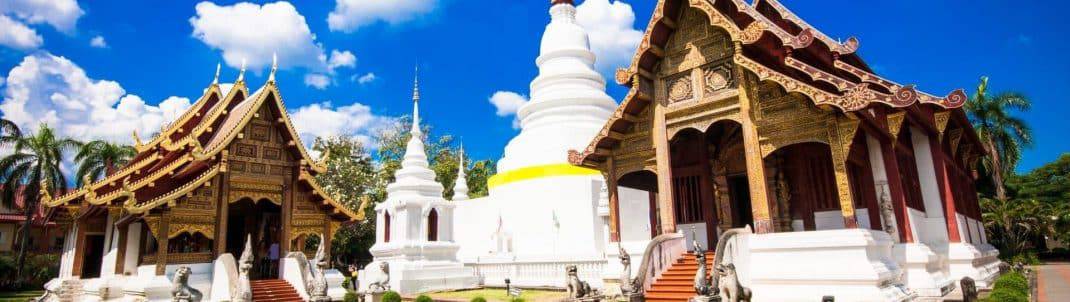
The golden chedi is the most immediately recognisable landmark, rising above the grounds. Walk around the public courtyard to take in the contrast between the gilded structure and the detailed temple halls, leaving room for people making offerings or taking part in worship.
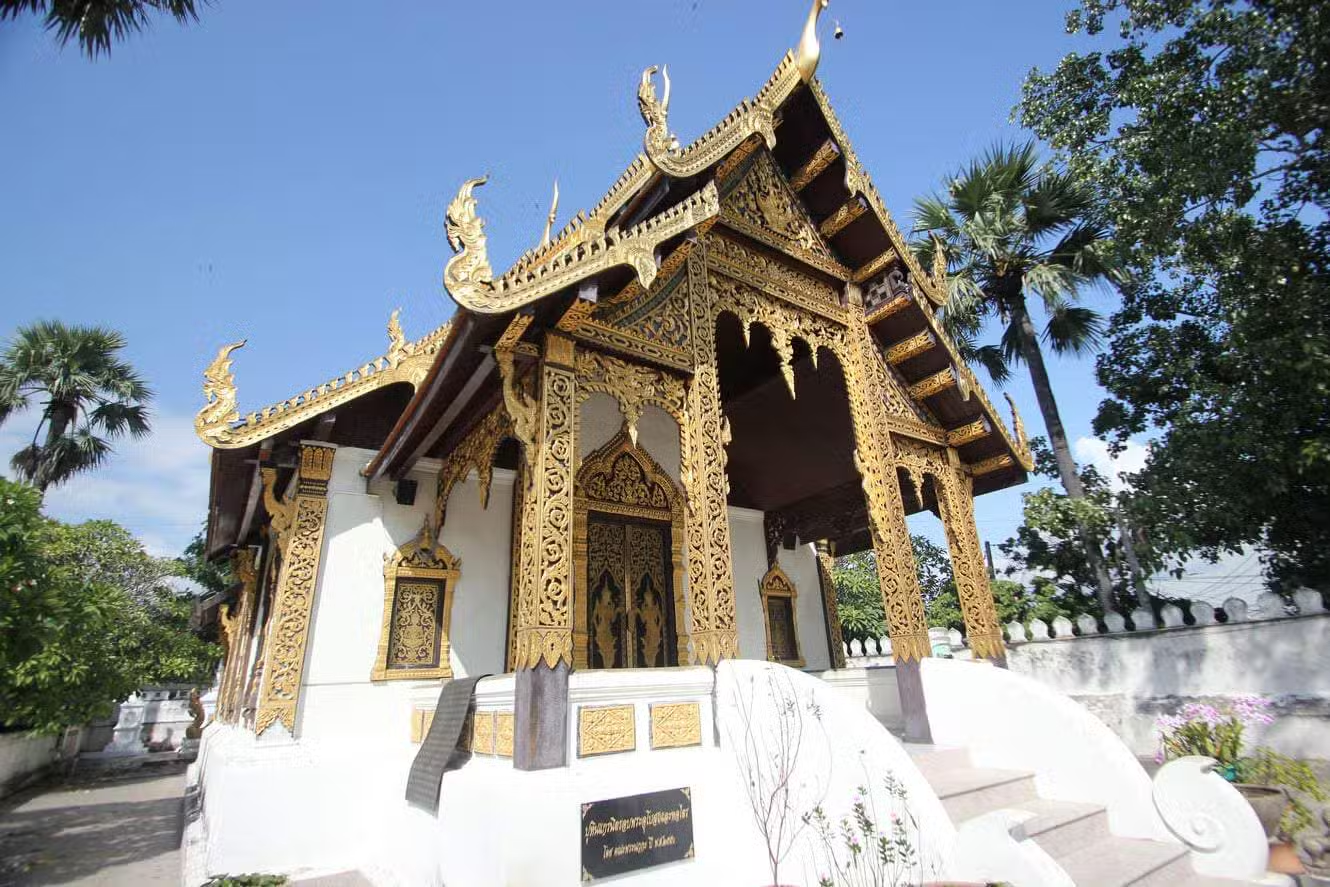
The temple is particularly revered for its Buddha relic. Unlike the usual expectation that a relic is contained within a chedi, the Phra Boromathat Chom Thong relic is associated with a shrine in the viharn, or assembly hall. This makes the hall central to a visit. Access and religious observances determine what visitors can see; do not expect the relic itself to be displayed on an ordinary sightseeing day.
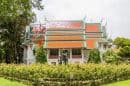
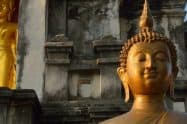
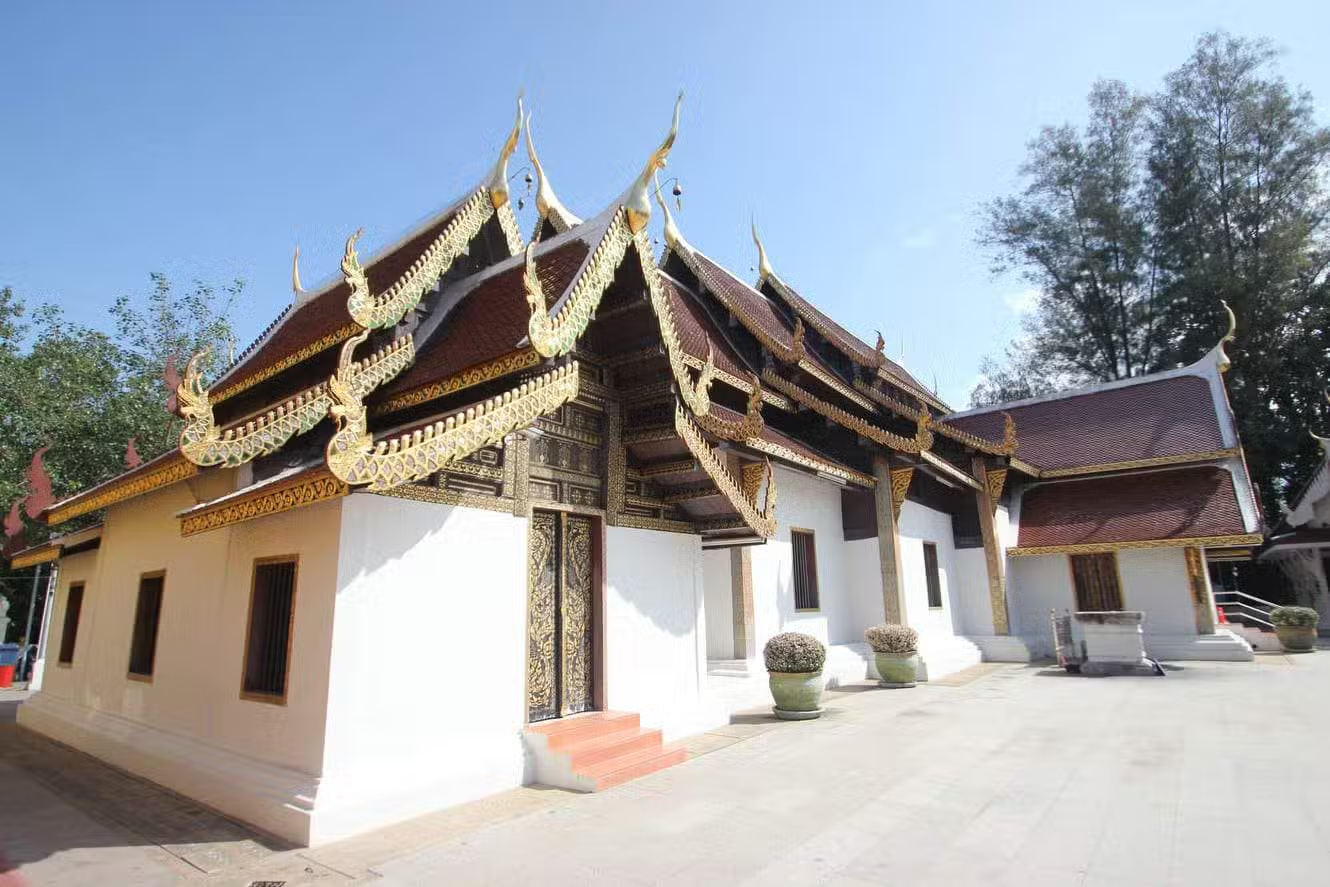
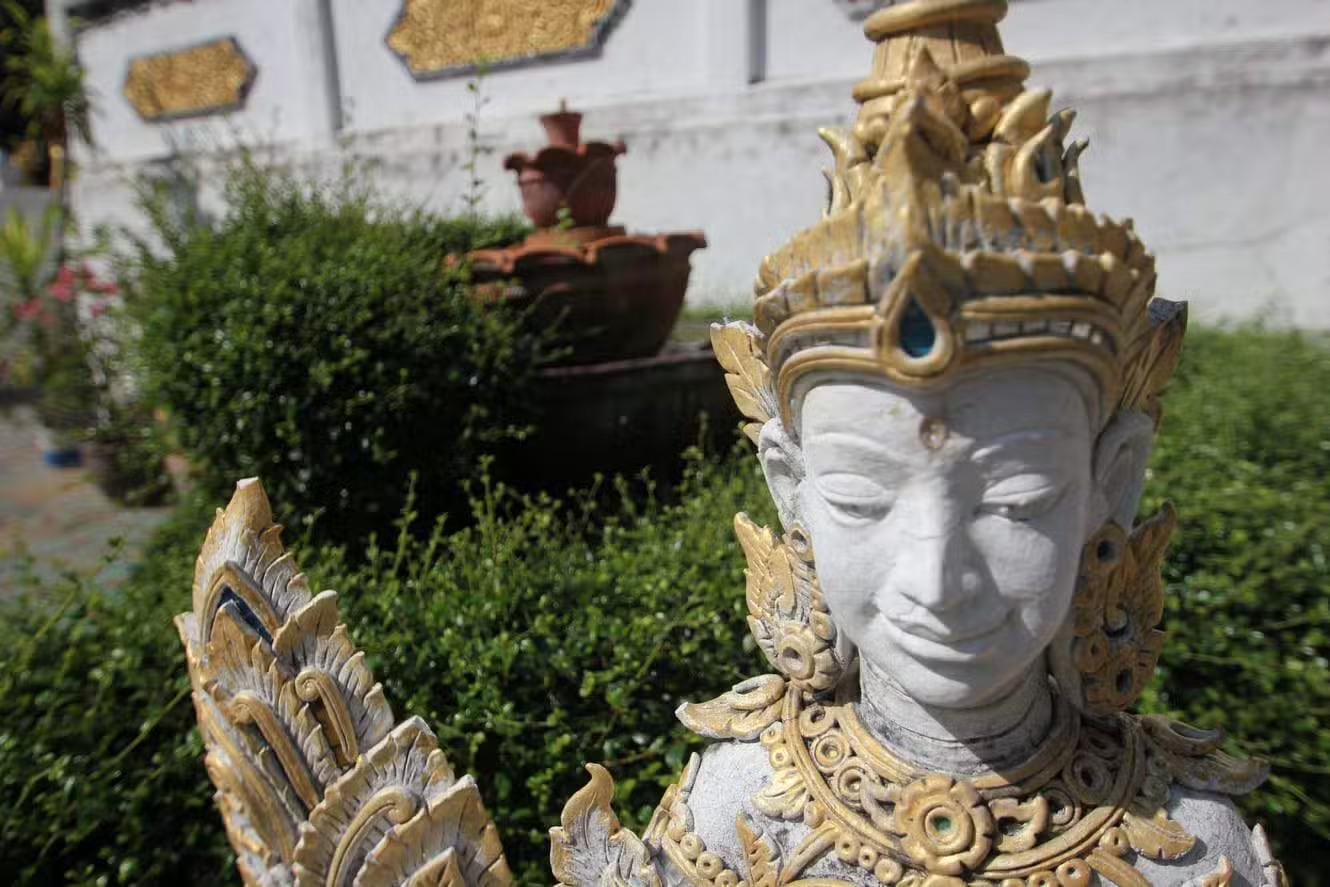
Look at the carved decoration, roof details and Buddha images in the open halls. The temple’s appeal includes the way these buildings are used, so take time to observe quietly rather than treating the entire monastery as an unrestricted photography site. Remove shoes where required and follow any limits on entering a hall during a ceremony.
Spending time at a working monastery
Allow roughly an hour for an unhurried visit to the public areas, with more time if worship or your interests keep you there longer. A daylight visit is the simplest arrangement, and significant Buddhist observances can bring more worshippers and altered access.
Dress with shoulders and knees covered, speak quietly and avoid pointing your feet towards Buddha images when seated. The public temple visit does not give access to residential rooms or the private spaces used by meditators. Donations are welcome, but should remain voluntary and made through the appropriate collection or office.
Understanding the meditation programme
The monastery’s Vipassana centre continues the teaching tradition of Ajahn Thong Sirimangalo. Mindful prostration, walking and sitting meditation form part of the practice, with guidance from teachers rather than a casual drop-in relaxation session. International participants should enquire through the office about language support and the course that fits their experience.
The centre lists a minimum stay of three days, recommends seven to ten days, and also advertises longer foundation and review courses. Establish the appropriate duration directly before organising travel. A longer course needs a different commitment from a short introduction, and sightseeing around the region should be planned before or after the retreat rather than inserted into the practice schedule.
The application asks for personal information, meditation experience, arrival dates and relevant health details. Contact the centre first if you are uncertain about physical demands, language or the daily routine. Receiving confirmation is more useful than arriving with an assumption that a room and teacher will be available immediately.
Accommodation, meals and retreat rules
Retreat accommodation is simple, with private rooms and separate housing for male and female participants. The centre describes bedding, fans and bathroom facilities, but this is monastery accommodation provided for practice rather than a hotel stay. Rooms are assigned through the programme, and visitors should not enter meditators’ rooms.
Meals fit the monastery’s daily routine, with breakfast and lunch at set times. Confirm any dietary needs before arrival and read the current programme instructions about food and drink. Bring or arrange the loose white clothing required for retreat participants, along with practical personal items suggested by the office.
The retreat follows the Eight Precepts and limits distractions. The rules restrict reading, writing, music and ordinary phone use during practice, with conversations kept purposeful. Couples undertake individual retreats and have separate accommodation. These arrangements deserve consideration before booking: the experience relies on following a disciplined routine rather than using the monastery as a quiet holiday base.
There is no fixed retreat charge in the centre’s published rules. Donations support the programme and its running costs, and the reservation office can explain how to contribute and obtain a receipt. Confirm all stay arrangements directly rather than assuming donation-based practice means an unrestricted or unbooked stay.
Getting to Chom Thong
From Chiang Mai, travel southwest on Highway 108 towards Chom Thong. The temple is close to the main road in Ban Luang, beyond the turn-off towards Doi Inthanon. It is in Chiang Mai province and should not be confused with Wat Phra That Doi Chom Thong in Chiang Rai.
A private driver is convenient for a sightseeing visit, especially if combining the temple with other stops. Arrange the return journey in advance rather than relying on finding a taxi outside the temple. If heading into Doi Inthanon National Park afterwards, allow separately for the mountain drive and the park’s admission and visiting arrangements.
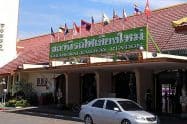
For public transport, the meditation centre lists Chiang Mai-Chom Thong yellow songthaews and buses on the Chom Thong-Hod corridor. Confirm the current departure point and service with the centre or transport staff, and tell the driver your temple destination. A service to Lamphun is a different route. Retreat participants should also ask where to report at the international Vipassana office and plan arrival within the office’s instructions.
Wat Phra That Si Chom Thong FAQs
Can I visit without joining a retreat?
Yes. A sightseeing visit concerns the temple’s public grounds and open sacred buildings. Meditation courses and residential areas have separate arrangements, so a temple visit does not include accommodation or teaching.
Where is the temple?
It is in Ban Luang, Chom Thong district, about 60 kilometres southwest of Chiang Mai along Highway 108. It is a different temple from Wat Phra That Doi Chom Thong in Chiang Rai.
What should I see at the temple?
Focus on the golden chedi and the open halls associated with the sacred relic and Buddha images. The relic is not guaranteed to be publicly displayed on an ordinary day, and ceremonies can affect access.
How long are meditation stays?
The centre lists a three-day minimum, recommends seven to ten days and offers longer courses. Contact the office about the appropriate programme and receive confirmation before arranging a residential stay.
Is meditation instruction available in English?
The centre serves international meditators and lists English-language support. Ask about the arrangements for your dates rather than assuming a particular teacher or translator will be available at all times.
What are the accommodation and meals like?
Accommodation is simple and arranged for participants, with separate male and female housing. Meals follow the monastery routine, so confirm dietary needs and read the programme instructions before arrival.
Is there a fixed retreat fee?
The published rules describe no fixed charge and welcome donations through the reservation office. Confirm your course and stay arrangements first, as a donation-based programme still has an application process and rules.
What should retreat participants wear?
The centre requires white clothing during the stay. Choose loose, modest clothing and follow the office’s packing advice; ordinary temple visitors should also cover shoulders and knees.

Do You Have a Question to Ask?